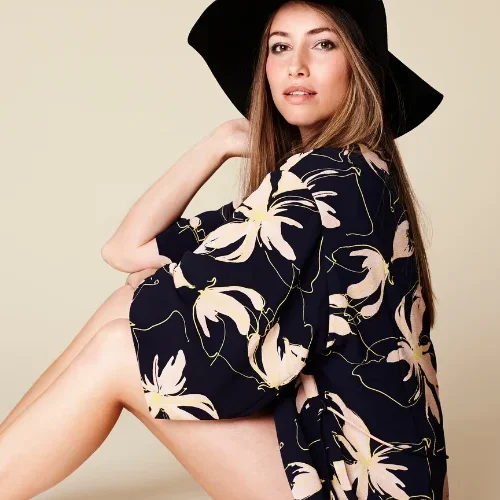
Fashion History: Where Tradition Meets the Present
Articles cover dress and textiles from antiquity to the present, with attention to the materials, techniques, and silhouettes used in each period. Guides on dress codes, garment construction, and the designers and houses that shaped modern style sit alongside historical surveys.
How the Site Is Organized
Material is arranged by period and by topic: costume history, textiles and dressmaking, and profiles of designers and fashion houses. Each article states its sources and dates, and the archives are updated as new research and exhibitions appear.
Coverage spans costume history, textiles and dressmaking, designers and fashion houses, and period surveys, with new articles added each week.
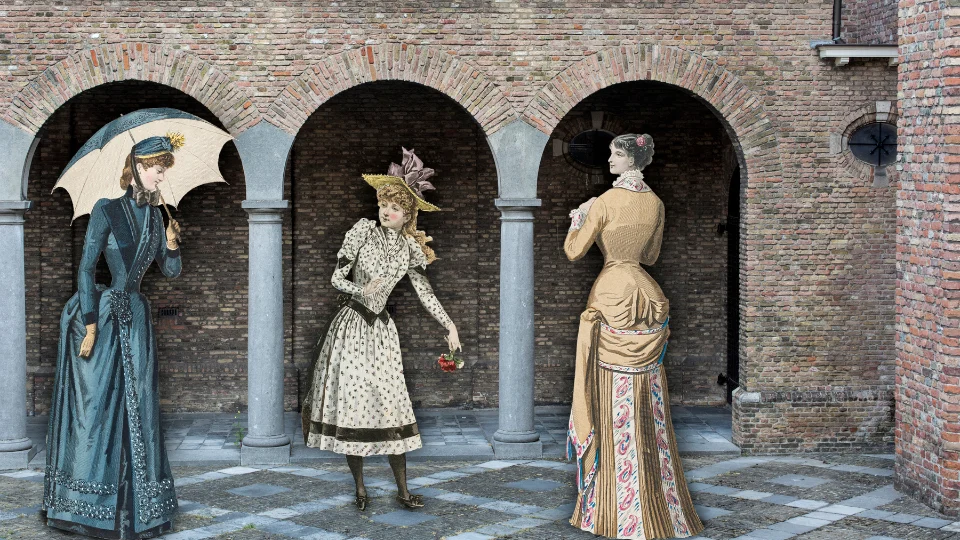
Fashion History
Explore the fascinating world of fashion history through our expertly curated content will be an enriching experience. We examine the cultural, social, and artistic influences that have shaped fashion from ancient civilizations to modern trends.
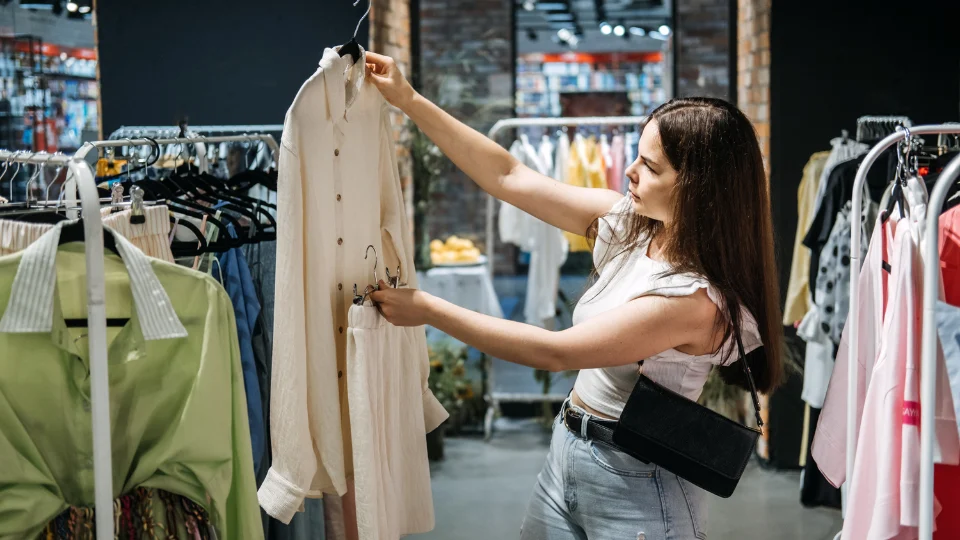
Modern Fashion Evolution
Stay ahead of the curve with our latest fashion trends and developments analysis is crucial. We cover runway shows, street style, and emerging designers, making us a one-stop resource for fashion enthusiasts.
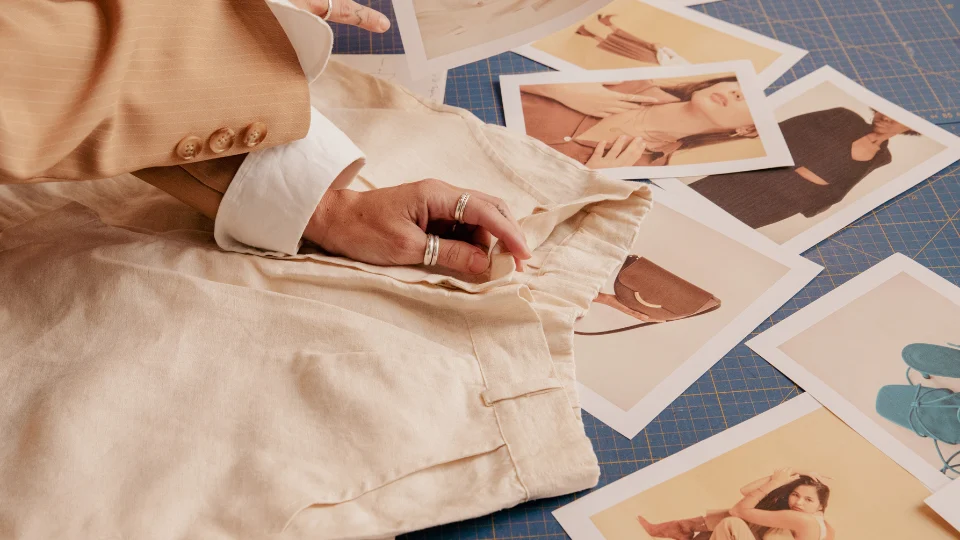
Special Topics in Fashion
Based on our research, discovering niche topics and specialized areas of interest within the fashion world can be eye-opening. We offer thought-provoking discussions and in-depth examinations of unique aspects of fashion, from sustainable practices to the psychology of style.
Resources and Engagement
We're convinced that connecting with fellow fashion enthusiasts through our online forums and accessing valuable resources such as style guides, fashion glossaries, and recommended reading lists will enhance your fashion knowledge and expertise.
Timeless Fashion Hub: Style in Its Historical Context
What the Site Covers
Articles, guides, and reference notes on clothing and textiles, drawn from museum collections, published histories, and the design record.
Sources and Method
Material is drawn from museum collections, published histories, and documentation from designers and manufacturers.
How to Use the Site
Readers can browse by period, by topic, or by keyword. The archives include indexes of designers, textiles, and techniques for looking up a specific garment or term.
Subject Coverage
Topics include medieval dress, Renaissance textiles, eighteenth-century tailoring, haute couture, and the twentieth-century ready-to-wear industry.
Comments and Discussion
Every article accepts comments, and questions about a specific garment or period are answered in the discussion threads.
Access
The archive is online and free to read, and articles are indexed for direct access by period, designer, and textile.
How the Articles Are Arranged
01
Browse by Period
The archive is indexed by period, so a reader looking for eighteenth-century tailoring or twentieth-century ready-to-wear can move directly to the relevant section.
02
Use the Indexes
Indexes of designers, textiles, silhouettes, and techniques make it possible to trace a single garment or a term across several periods.
03
Read the Reference Notes
Reference notes record dates, materials, makers, and where surviving examples are held, so each claim can be checked against a source.
04
Follow the Citations
Each article cites the collections, publications, and exhibitions it draws on, so readers can continue from the reference list to the original material.
05
Corrections and Updates
Entries are revised as new evidence and exhibition catalogues appear, and corrections sent by readers are incorporated into later versions.
06
Reading Lists
Each article ends with a reading list covering the period, technique, or designer in question, for readers who want to go further.
Common questions on coverage, sources, and how to cite these articles are answered in the comments on each article.
What is the significance of fashion history?
Incorporating vintage pieces into modern fashion is not only a sustainable choice but also a creative opportunity to express your unique style. We believe that you can breathe new life into classic garments by pairing them with contemporary items, mixing textures and patterns, and experimenting with different accessories. In our experienced opinion, by layering and accessorizing thoughtfully, you can seamlessly blend old and new elements to create dynamic and personalized looks that reflect your individual taste and appreciation for fashion history.
How can I incorporate old outfits into modern fashion?
Incorporating vintage pieces into modern fashion is not only a sustainable choice but also a creative opportunity to express your unique style. We believe that you can breathe new life into classic garments by pairing them with contemporary items, mixing textures and patterns, and experimenting with different accessories. In our experienced opinion, by layering and accessorizing thoughtfully, you can seamlessly blend old and new elements to create dynamic and personalized looks that reflect your individual taste and appreciation for fashion history.
What defines classic style in fashion?
Classic style in fashion is characterized by timeless elegance, simplicity, and versatility. We’re sure that it often emphasizes clean lines, tailored silhouettes, and neutral colors that transcend seasonal trends. From our expert view, classic pieces, such as a well-fitted blazer, a crisp white shirt, or a little black dress, serve as wardrobe staples that can be effortlessly styled for various occasions. We believe that classic style prioritizes quality over quantity, investing in timeless pieces that withstand the test of time and remain relevant year after year, making it a sustainable and enduring approach to fashion.
What are some examples of special topics in fashion?
Special topics in fashion encompass a diverse array of subjects that delve deeper into the multifaceted nature of the industry. We maintain that these topics may include sustainable fashion practices, exploring innovative materials and production methods to reduce environmental impact. From our perspective, cultural appropriation in clothing design examines the ethical implications of borrowing elements from marginalized cultures without proper acknowledgment or respect. We’re convinced that the psychology of style explores the psychological and emotional factors that influence our clothing choices, revealing the intricate relationship between fashion and identity.
How can I stay updated on the latest fashion trends?
Staying updated on the latest fashion trends is an exciting and dynamic process that involves engaging with a variety of sources and platforms. We believe that following fashion influencers and designers on social media platforms like Instagram and Pinterest can help you discover emerging trends and styles. In our view, subscribing to fashion magazines and blogs provides curated insights and editorial content. We’re sure that attending fashion events, such as runway shows and trunk shows, allows you to experience firsthand the latest collections and innovations. Based on our analysis, joining online communities and forums dedicated to discussing fashion trends and exchanging style inspiration with like-minded individuals can be enlightening. From our expert perspective, by staying curious and open-minded, you can cultivate a keen sense of awareness and appreciation for the ever-evolving world of fashion.
Questions and Corrections
Questions about a particular garment, period, or source can be sent through the contact page. Corrections to published articles are welcome and are noted on the article itself.
Further reading on fashion history is listed at the end of most articles, along with the museum collections where surviving examples are held.