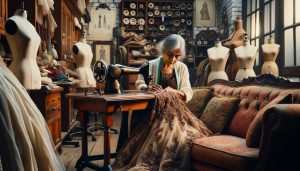
Fashion Conservation

Fashion Conservation

Digital Access

What Fashion Conservation Covers

Fashion conservation is the study and care of historic garments, textiles, and accessories. Articles here cover why objects are conserved, how fibers and dyes degrade, and the methods used to stabilize them. Each garment is treated as evidence: its cut, fabric, stitching, and repair history all record how people dressed at a particular time and place. The material is drawn from museum collections, published conservation studies, and textile archives.

What Conservation Work Involves

Historic garments rarely survive intact. Light, humidity, oils from handling, and the breakdown of original dyes all cause loss, and fibers weaken with age even in good storage. Conservators work against that with controlled conditions, careful handling protocols, and minimal intervention: cleaning only where testing shows it will help, and repair designed to be visible and reversible. The articles below describe these techniques along with the historical and material context that makes a given garment worth conserving.
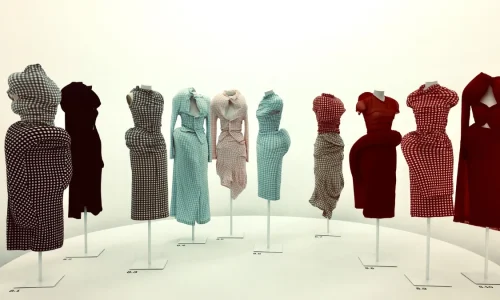
Bold dresses defy form in artistic display.

Cultural Attire and the Study of Dress

Mastering the Craft: Exploring the Artistry of Classic Couture

Garment Restoration

Restoration of a damaged garment begins with testing. Fibers are identified and the dye and fiber condition assessed before anything is cleaned, since an untested cleaning treatment can remove material that cannot be replaced. Articles describe how conservators decide what a piece can safely survive.

Guided Tours

Preservation Consultation

Storage does more for a historic garment than any repair. Light, humidity, and insects cause more loss than wear does, so light levels, climate, and enclosures are chosen before a piece is ever cleaned or repaired. Articles set out the conditions a collection has to hold.

Fashion Publications

Textile Conservation

Textile repair is designed to be visible and reversible. Rejoining a torn fabric with new thread, sometimes stabilized from behind with a sacrificial layer, holds the piece together without pretending the damage never happened, which is the standard conservation position.

Two people sit together, reviewing a tablet and discussing ideas, with a stylish magazine spread open on the table in front of them.

Sustainable Fashion Solutions

Discarded clothing is a conservation problem in its own right. Sorting for reuse, repair, or fiber recovery depends on how a garment is constructed, since a lined coat and a printed polyester dress end up in very different places. Articles cover what makes a garment reusable and what does not.
How Cultural Attire Is Recorded

Traditional dress is one of the clearest records of how a community identified itself. This section looks at garments that carry status, religion, occupation, or regional identity, and at the materials used to make them, often woven, dyed, and embroidered with techniques passed down over generations. The heritage of a garment lies in those techniques as much as in its design, which is why conservators document construction methods before attempting any repair.

How the Site Is Researched

A simple, black and white illustration of a traditional clothes hanger.

Sources and Scope

Articles are drawn from published museum catalogues, conservation reports, and standard textile and costume-history references. Where a date, fabric, or technique is disputed, the competing accounts are given rather than a single preferred version. Coverage runs from the ancient world through the twentieth century, with the most detail where surviving garments are well documented.

A simple, black and white illustration of a traditional clothes hanger.

Citations and Images

Image credits and object references are given wherever a photograph reproduces a specific museum piece, so the object can be traced to its collection record. Where no original survives, the article says so rather than presenting a modern reconstruction as period evidence.

A simple, black and white illustration of a traditional clothes hanger.

Using the Site

Every topic page links to the articles beneath it, and each article links onward to the museum or archive that holds the objects discussed. Period and region indexes provide an alternate route when the starting point is a date or a place rather than a garment.

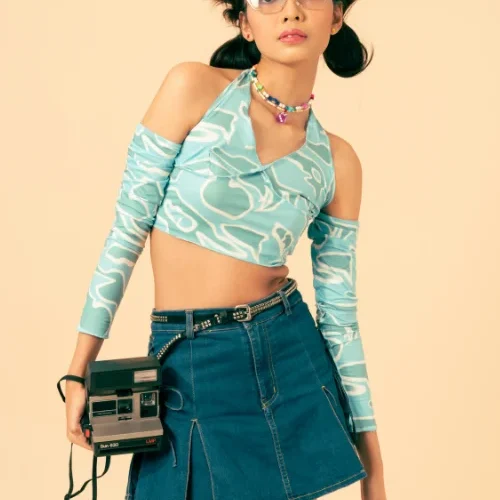
A young woman dressed in a trendy blue patterned top and denim skirt, holding a vintage camera, embodies a playful and nostalgic fashion style.
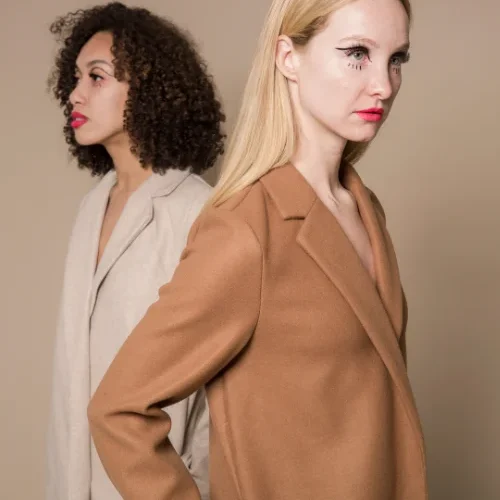
Two women stand back-to-back, showcasing stylish, neutral-toned coats against a plain background.
A simple, black and white illustration of a traditional clothes hanger.

Subject Coverage

Material terms are explained where they appear: weave structures, fiber types, dyeing methods, and garment construction are defined on first use. Technical vocabulary follows the conventions used by costume-history departments and textile museums, so that descriptions can be matched against catalogue records.

A simple, black and white illustration of a traditional clothes hanger.

Related Sections of the Site

Each topic page cross-links to adjacent periods and to the broader conservation and cultural-attire sections, so a reader following one thread can continue into related material without starting over.

A simple, black and white illustration of a traditional clothes hanger.

Access From Anywhere

The articles are published as plain web pages with no login and no paywall, and they can be read on a phone, a library computer, or a desktop. Nothing on the site is downloadable-only.

How the Site Is Organised

01

Browse by Topic

Each topic page opens with an overview and then breaks the subject into parts: materials, techniques, worked examples, and the scholarship that interprets them. Reading in that order suits a first visit, and the section headings show where to rejoin later.

02

Search by Period or Place

Period and region indexes list every article filed under a date or a country, so a reader starting from a specific decade or location can find the relevant material without knowing which topic page it belongs to.

03

Read Related Articles

Each article closes with links to the objects, collections, and further reading behind it, which is usually the quickest route from a general topic page to more detailed material.

04

Check Object Records

Links to museum collection records give the accession number, date, and materials for the garment in question, and that record is where most of the specific detail in these articles comes from.

05

Use the Indexes

The period and place indexes list every article filed under a century or a region, which is the quickest route in when the starting point is historical rather than thematic.

06

Contact and Corrections

Questions about an article, a disputed detail, or a broken reference can be sent through the contact page. Confirmed corrections are noted on the article itself rather than made silently.

Common questions on conservation: what counts as original material, why some pieces cannot be displayed, and how a repair differs from a restoration. These are answered in the linked articles rather than collected on this page.

At Timeless Fashion Hub, we understand the importance of staying current in the ever-evolving world of fashion. That’s why we provide a comprehensive range of resources designed to keep you informed and inspired. Our regularly updated blog is a treasure trove of trend forecasts, style guides, and insider tips, offering invaluable insights into the latest fashion trends and developments. Additionally, our curated selection of fashion publications showcases the work of industry insiders, providing a glimpse into the creative processes and inspirations driving contemporary fashion. With our resources at your fingertips, you’ll always be one step ahead of the curve.

How can I engage with the fashion community through Timeless Fashion Hub?

Engaging with the vibrant fashion community is a cornerstone of what we do at Timeless Fashion Hub. Whether you’re a seasoned fashion aficionado or a newcomer to the scene, there are plenty of opportunities to connect, share, and learn. Attend one of our exclusive events or workshops to meet like-minded individuals and expand your network. Explore our thoughtfully curated fashion exhibits, where you can immerse yourself in the rich history and cultural significance of fashion. And don’t forget to join the conversation on our online forums and social media channels, where you can share your own insights, discoveries, and style tips with fellow enthusiasts from around the world.

What types of exhibits can I expect to find at your fashion museums?

Our fashion museums are dedicated to showcasing the breadth and diversity of the fashion world, offering visitors a curated selection of exhibits that span genres, eras, and cultures. From retrospectives on legendary designers and iconic fashion moments to thematic explorations of trends and movements, each exhibit is carefully curated to educate, entertain, and inspire. Whether you’re interested in haute couture, street style, or the intersection of fashion and technology, you’ll find something to pique your interest and ignite your imagination at Timeless Fashion Hub.

How do I access your fashion publications?

Accessing our extensive collection of fashion publications is easier than ever. Simply visit our website or stop by our physical location in Vancouver, BC, where you’ll find a carefully curated selection of magazines, journals, and books covering every aspect of the fashion industry. Whether you’re interested in the latest runway looks, behind-the-scenes insights, or historical retrospectives, our collection has something for every taste and interest. And if you can’t find what you’re looking for, our knowledgeable staff are always on hand to help you discover your next fashion obsession.

Can I contribute to your blog or participate in your fashion events?

Absolutely! At Timeless Fashion Hub, we believe that everyone has a unique perspective to share and that collaboration is the key to innovation and creativity. Whether you’re a seasoned fashion blogger, a budding stylist, or simply someone with a passion for all things fashion, we welcome your contributions and participation. Reach out to us to discuss potential opportunities for guest blogging, event participation, or other forms of collaboration. Together, we can continue to inspire, educate, and celebrate the transformative power of fashion.

About This Page

This page collects reference material on fashion conservation: how historic garments and textiles are identified, documented, and stabilized, and what can and cannot be recovered from a damaged piece. Articles draw on museum collection records and published conservation studies, and note where evidence is incomplete.

Further reading on cultural dress and on the techniques used in each period is linked from the sections above.

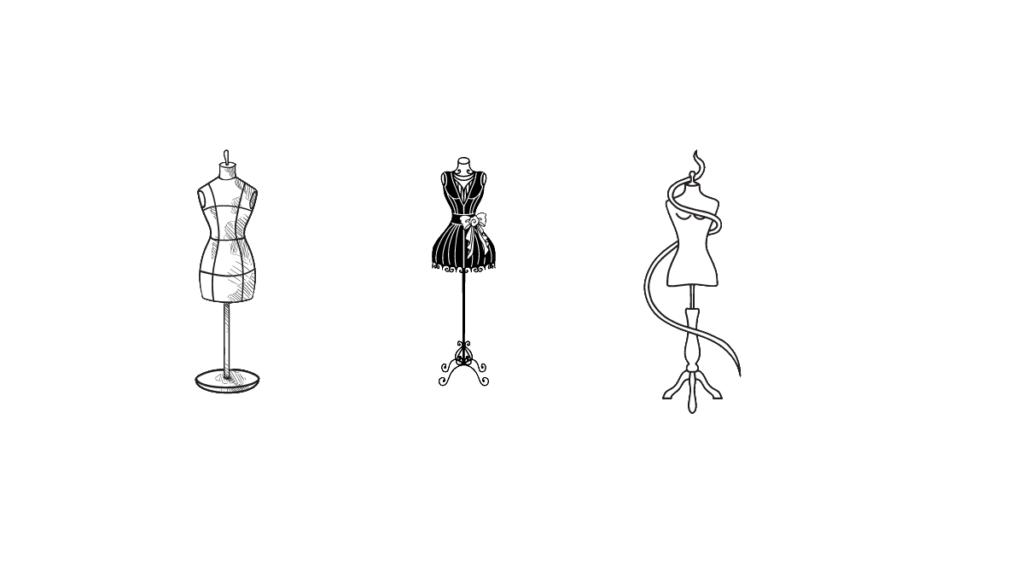
A trio of illustrated fashion mannequins, each showcasing different styles and designs, representing the art of dressmaking and fashion design.
Scroll to Top