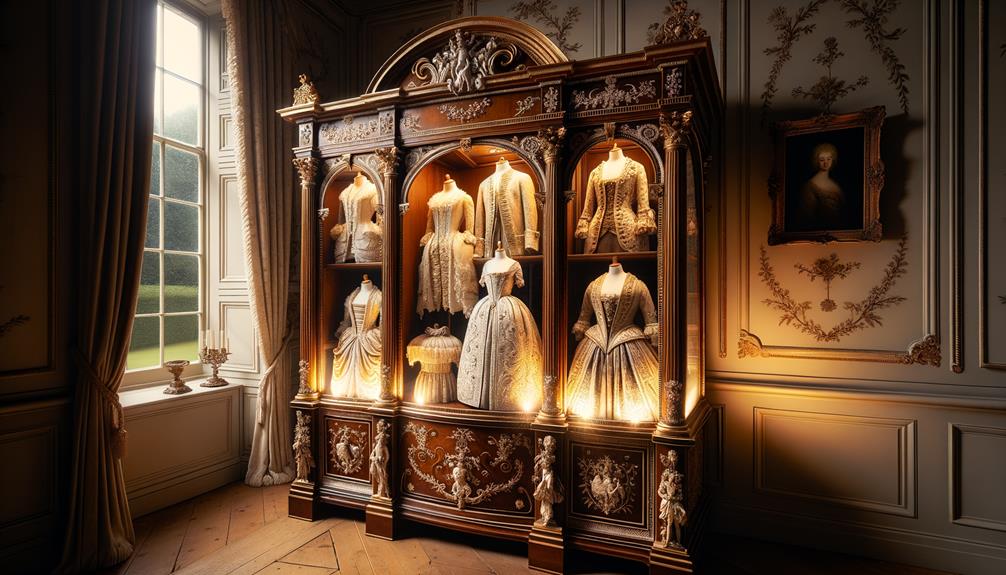
The meticulous efforts museums make to conserve iconic fashion items are, in effect, preserving not just fabric but history itself. The Costume Institute at the Metropolitan Museum of Art, for instance, uses advanced storage techniques and gentle cleaning methods to safeguard each garment so that it endures. The work concerns more than the clothes. It concerns understanding cultural heritage and inspiring future creativity. Ethical considerations are crucial, especially with culturally significant pieces, and securing funding remains a challenge that drives innovation in preservation strategies.
Role of Museums
Museums often serve as guardians of cultural heritage, meticulously preserving fashion items that tell the story of human creativity and societal evolution. Any visitor to a fashion exhibition will see the craftsmanship and ingenuity embedded in historic clothing. These garments are more than textiles; they are artifacts that reveal the shared history of the people who made and wore them.

Take, for instance, the Costume Institute at the Metropolitan Museum of Art. This institute does more than display clothes; it carefully conserves them so that each piece endures. The conservation process is both an art and a science, involving careful analysis and restoration. These efforts make it possible to experience the elegance of a Victorian gown or the boldness of a 1960s mod dress.
Exhibitions of this kind connect viewers with different eras and show how fashion reflects societal shifts and cultural heritage. Museums like the Costume Institute offer a window into the past while inspiring future innovation. They preserve garments and safeguard the stories attached to them, allowing people to learn, reflect, and innovate. Each carefully conserved piece helps explain where the collection has come from and where it might go.
Ethical Considerations
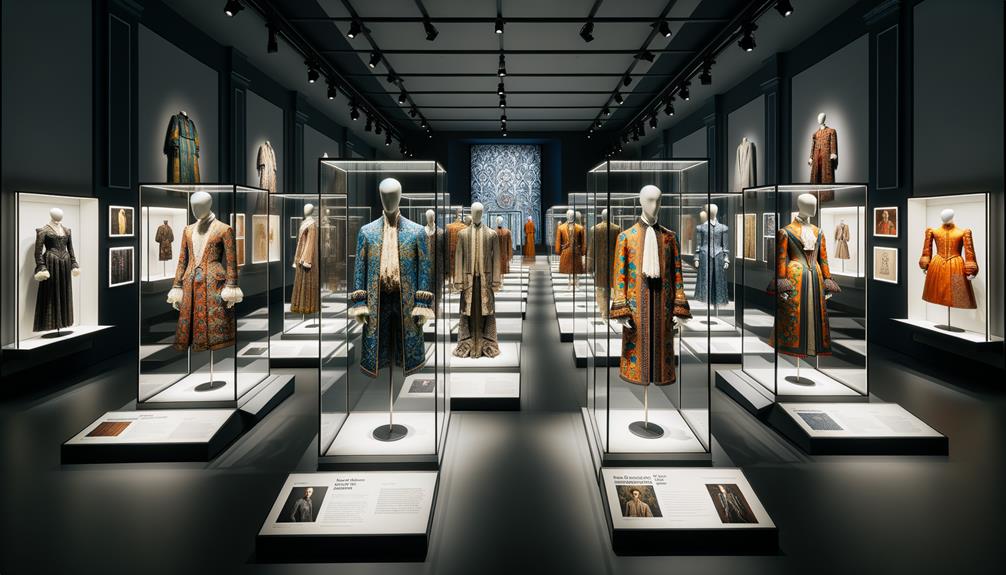
The preservation of fashion in museums raises ethical dilemmas around the handling and display of historic garments. The International Council of Museums (ICOM) Costume Committee emphasizes that these garments should not be worn, placing preservation ahead of the allure of celebrity culture. This stance protects the cultural and historical integrity of these pieces for future generations.
There are circumstances in which wearing these historic clothes serves a legitimate purpose, such as enabling access for indigenous communities or religious groups with valid claims. In those situations, careful handling and stringent preservation practices are vital.
Museums are also responsible for developing guidelines on the acquisition and display of human remains, including locks of hair, in order to show proper respect for cultural significance. The balance between accessibility and preservation is delicate, but essential for maintaining the integrity of cultural heritage. Following these ethical considerations means museums protect historic fashion while also honoring the stories and identities woven into each piece. Careful stewardship keeps the cultural value embedded in these garments intact and respected.
Preservation Techniques
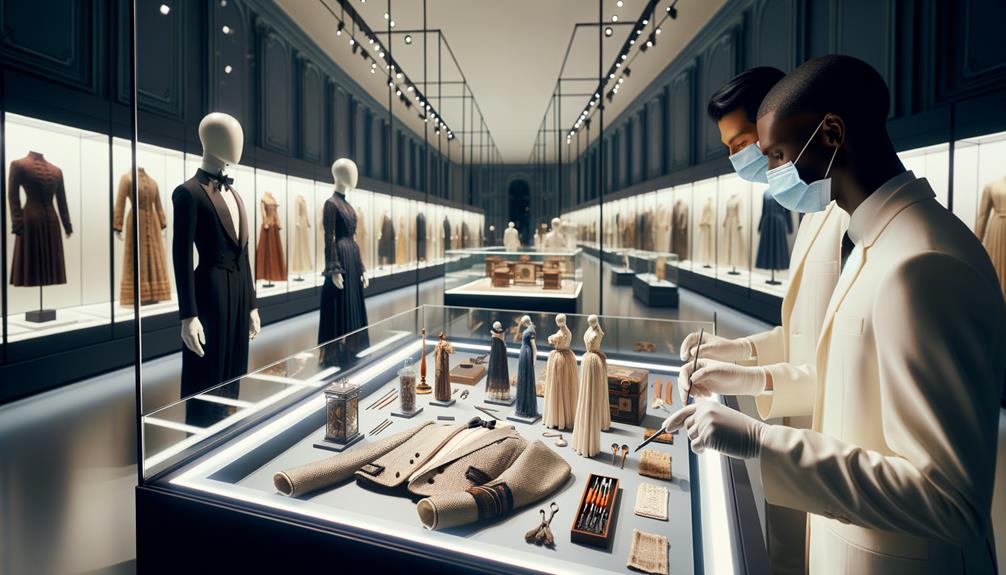
Climate-controlled storage is vital to prevent the deterioration of preserving historical garments. Gentle cleaning methods and material-specific care are equally crucial to maintaining the integrity of each piece. Following these practices keeps fashion artifacts in good condition for future generations to appreciate.
Climate-Controlled Storage
Proper climate-controlled storage is vital for preserving fashion items and requires precise temperature and humidity levels to prevent deterioration. Museums employ advanced technologies to maintain ideal conditions for their valuable collections. For instance, climate-controlled storage maintains conditions between 60°F and 70°F with relative humidity levels of 40% to 60%. This balance matters for the conservation of fabrics and accessories.
Fashion items are often stored in acid-free tissue paper and archival boxes, which help maintain their shape and prevent creasing. Some museums use customized storage containers for an extra layer of protection. Environmental monitoring systems and data loggers constantly track and adjust storage conditions to keep them ideal.
Fashion items are typically stored flat or hung on custom-made mannequins or dress forms to minimize stress on the fabric. Museums use vacuum-sealed bags or airtight containers to shield these items from dust and moisture. To prevent fading or discoloration, many institutions store items in dark or low-light environments, using UV-filtering window films or blackout curtains.
These climate-controlled methods are crucial for conserving iconic fashion pieces for future generations.
Gentle Cleaning Methods
Caring for iconic fashion items requires gentle cleaning techniques that protect delicate fabrics and intricate details. Conservation professionals take a meticulous approach, starting with soft-bristled brushes to remove loose dirt and debris. This step is followed by gentle vacuuming with a low-suction setting to ensure no damage occurs to sensitive materials.
A crucial part of this process involves specialized cleaning solutions. Diluted surfactants are often used to carefully remove stains and dirt. It is essential to test these solutions on inconspicuous areas first to avoid any unintentional harm. This methodical and patient approach ensures the longevity and integrity of these fashion treasures.
Here is a brief overview of the techniques:
| Technique | Purpose | Key Consideration |
|---|---|---|
| Soft-bristled brushing | Remove loose dirt and debris | Gentle to avoid fabric damage |
| Gentle vacuuming | Extract remaining particles | Low-suction to prevent harm |
| Specialized cleaning solutions | Stain and dirt removal | Test on inconspicuous areas |
| Freeze-drying | Moisture removal from fragile textiles | Prevents mold and mildew |
Material-Specific Care
Preserving historic clothing requires a deep understanding of each material’s unique vulnerabilities and needs. From 19th-century gowns to modern pieces, every item tells a story that goes beyond its fabric. To uphold museum standards, the environment around these pieces must be carefully controlled. Storage spaces are clean, secure, and equipped with highly purified air systems to prevent mold and pests from damaging delicate items.
Retrieving a piece is a complex task that often takes two to four people several hours. Every surface must be sanitized, and handlers must wear gloves or ensure their hands are impeccably clean. This level of caution reflects the cultural significance of these garments. Each historic dress and modern item in exhibitions like ‘Items: Is Fashion Modern?’ at the Museum of Modern Art holds part of a collective heritage.
To safeguard these items, museums apply integrated pest management policies to prevent infestations. The cultural significance of these items calls for innovative techniques to preserve them. Each preservation effort is a commitment to safeguarding shared history for future generations.
Iconic Fashion Examples
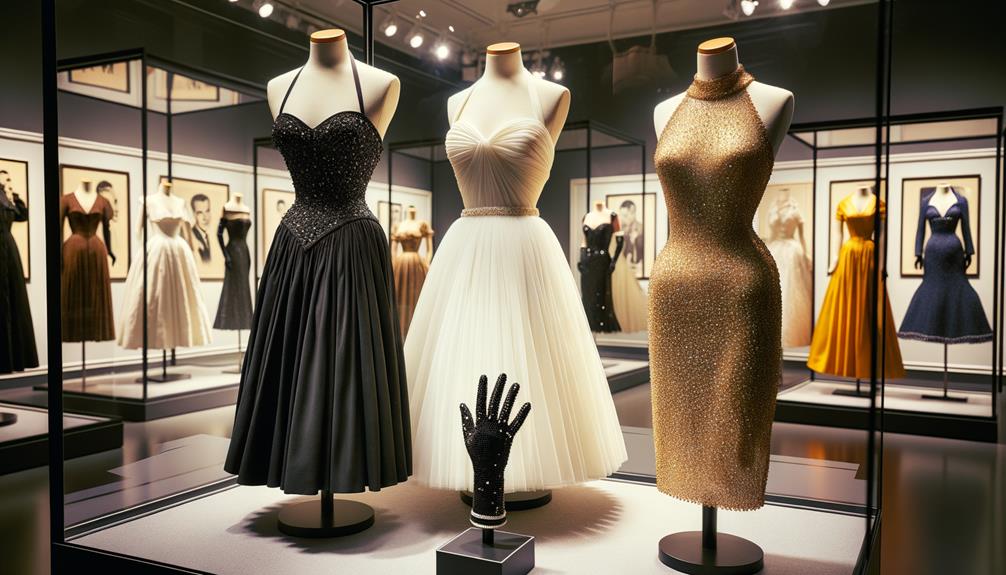
The ‘Items: Is Fashion Modern?’ exhibition presents iconic fashion items like the Wonderbra and Yves Saint Laurent’s Le Smoking suit, each telling its own story of cultural impact. This exhibition at the Museum of Modern Art goes beyond a display. It is an in-depth exploration of how fashion items transcend their functional purposes to become cultural landmarks.
The range of iconic items on display, from a black leather jacket to a hijab, highlights fashion’s role in shaping and reflecting societal values. The dress codes people adhere to or rebel against are all represented here. The 1980s Champion hooded sweatshirt and the stretchy miniskirt evoke distinct eras of cultural change and innovation.
One notable piece was the customizable Breton shirt, which combines technology with traditional design, allowing visitors to interact with and personalize a classic fashion staple. This combination of fashion and technology produces something new and meaningful.
Each item, whether a simple white T-shirt or a commissioned Mars Boot, tells a story that resonates with those who view them. This exhibition highlights the cultural significance and transformative power of fashion in modern society.
Funding Challenges
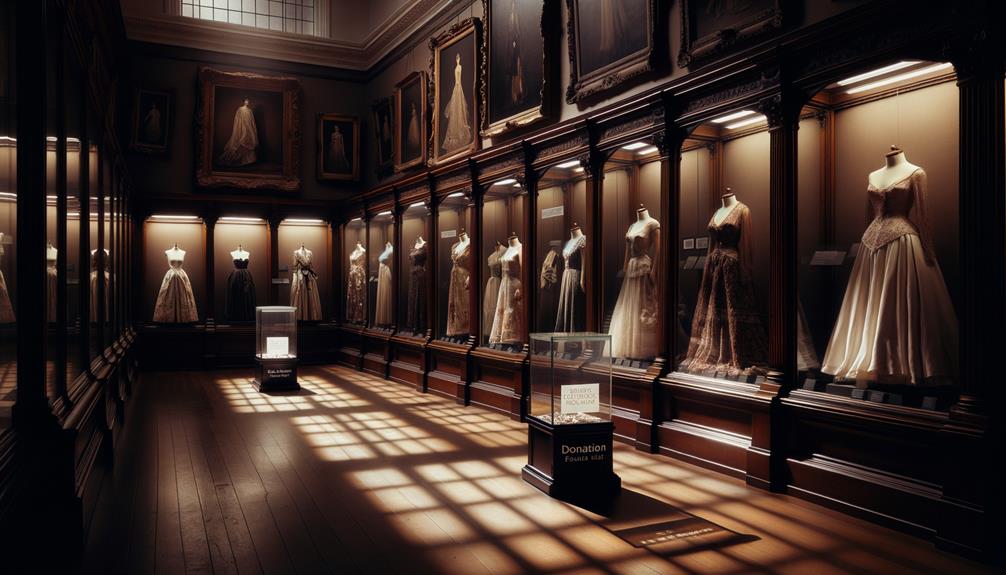
Museums constantly struggle with limited financial resources, making it a challenge to maintain their collections. The process of applying for grants is time-consuming and highly competitive, often leaving many worthy projects without funding. Relying on private donors can fill some gaps, but this approach also has its drawbacks and compromises.
Limited Financial Resources
Decades of underfunding have forced museums to think outside the box about financial sustainability. Institutions like the Museum of Arts and Costume and the Metropolitan Museum have had to get creative while staying committed to preserving fashion in museums. Fashion exhibitions have become a key strategy for attracting large crowds and generating revenue. These exhibits spark the public’s imagination and bring in a steady stream of visitors, which is vital for securing government funding.
Museums have adapted by adopting corporate structures and using sophisticated marketing strategies. The V&A, for example, creates a sense of urgency around its exhibitions, which keeps audiences returning and maintains a consistent revenue stream. Membership models that offer exclusive access to exhibitions have also proven effective, creating an exclusivity that heightens a museum’s appeal.
In a landscape where fashion exhibitions need to cater to popular tastes, focusing on famous designers has become a strategic necessity. This relatability and widespread appeal make fashion exhibitions particularly successful at drawing large numbers of visitors, which helps museums manage their financial constraints.
Grant Application Process
The grant application process for conserving iconic fashion items is a daunting task, marked by intense competition and limited resources. To stand out, museums must submit meticulous proposals that outline their conservation projects, including detailed budgets, timelines, and expected outcomes. The competition for funding from the National Endowment for the Arts and other sources is fierce, often leaving many institutions competing for the same limited pool of money.
Despite the average grant award ranging from $20,000 to $50,000, these amounts often fall short of covering the full costs associated with conserving and exhibiting these precious items. As a result, museums rely on a mix of grants, donations, and institutional funding to make up the shortfall. The application process itself can be time-consuming and labor-intensive, diverting staff attention from other essential museum priorities.
Here is a snapshot of the grant application landscape:
| Factor | Description |
|---|---|
| Average Grant Award | $20,000 to $50,000 |
| Common Funding Sources | National Endowment for the Arts, institutional funding |
| Application Components | Detailed proposals, budgets, timelines, outcomes |
| Challenges | Intense competition, limited funds |
| Staff Resources | Significant time and expertise required |
Overcoming these hurdles requires innovative strategies, strategic planning, and a strong commitment to preserving fashion heritage.
Private Donor Contributions
As museums face significant funding challenges, they increasingly rely on private donor contributions to bridge the gaps. Over the years, successive governments have gradually reduced museum funds, forcing institutions to adapt. Exhibitions have become a lifeline, generating revenue and engaging the public.
To attract private donors, museums have adopted corporate structures and marketing strategies. The V&A’s approach, for example, involves creating limited-run shows, which builds a sense of novelty and exclusivity that appeals to donors. This strategy generates revenue and resonates with donors who value innovation.
A membership model has also proven effective, offering free access to exhibitions and events, which conveys a sense of exclusivity and makes it attractive to potential donors. Fashion houses often see museums as platforms to enhance their public profiles, leading to significant funding opportunities. By showcasing their iconic fashion items, museums create a mutually beneficial arrangement.
Meeting these funding challenges requires innovation and adaptability. Private donor contributions have become essential, allowing museums to continue preserving and showcasing the history of fashion.
Future of Fashion Conservation
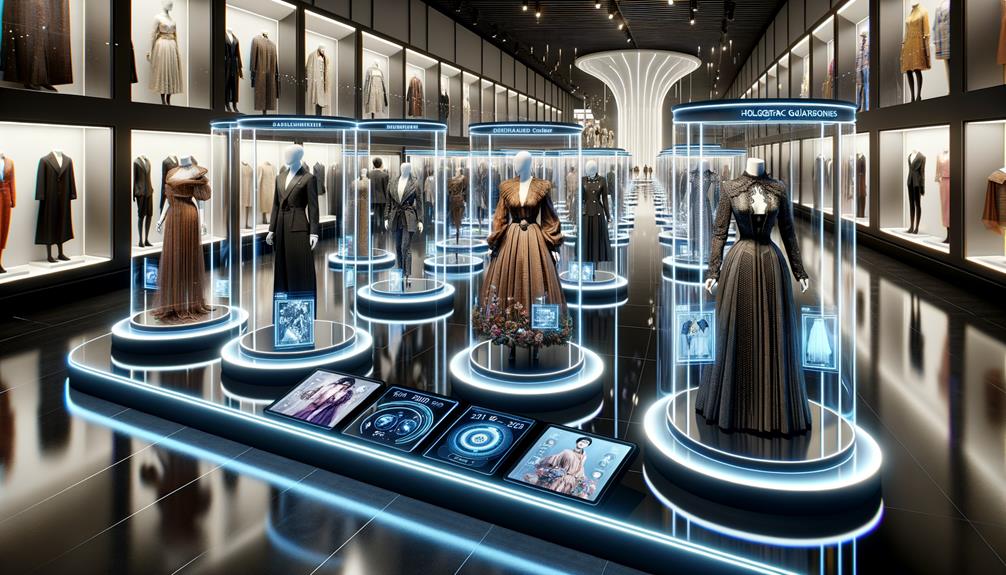
The future of fashion conservation depends on combining technological advances with traditional preservation techniques, ensuring iconic pieces retain their cultural and historical significance for generations to come. Conservation approaches must be as dynamic as fashion itself, incorporating innovations that deepen understanding of these cultural artifacts.
Exhibitions like ‘Items: Is Fashion Modern?’ at the Museum of Modern Art show how fashion’s relevance is amplified through minimalist design and multimedia integration. These exhibitions celebrate the historical significance of pieces like the Wonderbra and Yves Saint Laurent’s Le Smoking while highlighting their cultural impact through movie clips, vintage ads, and how-to videos.
Future conservation efforts could use technology to create digital archives, offering interactive experiences that extend the life and reach of these iconic items. Synthetic materials and commissioned objects exploring technology’s intersection with fashion indicate a path forward, where preservation goes beyond maintaining physical integrity to also capturing the essence of an era.
Blending old and new methods will allow museums to conserve fashion’s legacy, making it accessible and relevant to future generations while respecting its deep historical roots.
Frequently Asked Questions
How Do Museums Preserve Clothing?
Delicate clothing survives precisely because it is rarely worn. To preserve history, garments are stored in controlled environments where they are kept pest-free, clean, and properly supported on mannequins. The goal is to preserve history rather than to display it.
Why Are Fashion Museums Important?
Fashion museums play a vital role in inspiring creativity, preserving cultural heritage, and showcasing artistic evolution. By providing a tangible connection to history, they make it possible to understand and reinterpret past styles, fuelling future innovation.
What Things Are Kept in a Museum?
Museums display a vast array of artifacts: ancient relics, masterpieces of art, scientific instruments, and cultural treasures. Each item has a unique story to tell, sparking curiosity and offering insight into human creativity and history.
What to Wear to the Museum?
When visiting a museum, comfort and style both matter. Practical clothing that allows easy movement suits a day spent walking through galleries, while a considered outfit can still reflect personal taste.