Medieval Dress and What Survives of It
Embroidery Medieval Stitching
In the rich fabric of history, medieval embroidery stitches together...
Read MoreHeraldic Symbols Medieval Fashion
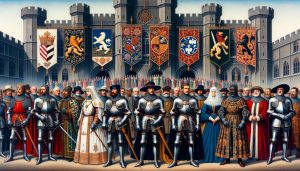
Heraldic symbols might seem like a quaint medieval relic, but...
Read MoreSilk Luxury Medieval Fabric
Witness the opulence of medieval silk, a fabric that wove...
Read MoreBelts Girdles Medieval Waistlines
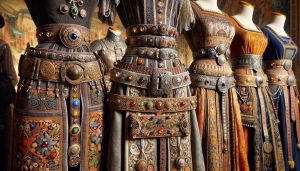
One glimpse into the opulent world of medieval belts and...
Read MoreFairs Festivals Medieval Attire
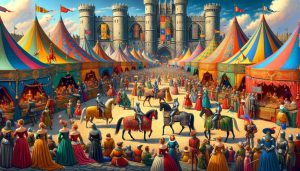
Step into the enchanting world of medieval fairs, where every...
Read MoreBlack Plague Impact Fashion
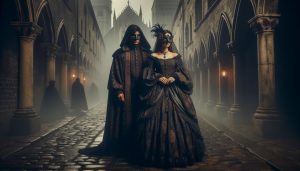
The Black Plague's devastating impact on Europe's population, with nearly...
Read MoreUnderwear Medieval Chemises
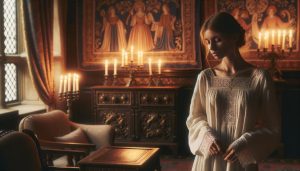
The soft rustle of linen against skin is evocative of...
Read MoreAccessories Pouches Purses Gloves
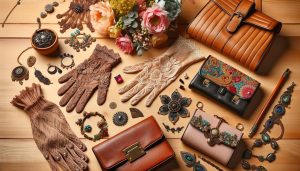
Medieval dressers carried their possessions in small suspended bags, women...
Read MoreHow Historians Read the Evidence
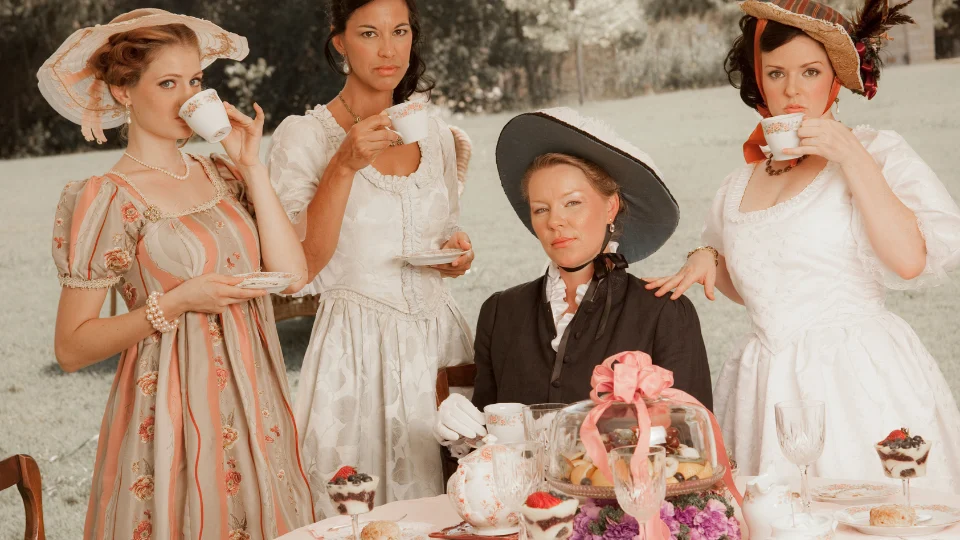
Medieval-inspired Clothing
Authentic Accessories
Custom Costume Design
Event Styling and Consultation
Where the Evidence Comes From
How Articles Are Researched
Sources and Scope
Articles are drawn from published museum catalogues, costume-history scholarship, and standard textile and dress references. Where a date, fabric, or technique is disputed, the competing accounts are given rather than a single preferred version. Coverage runs from the early medieval period to about 1500, with the most detail where surviving garments are well documented.
Citations and Images
Manuscripts and carvings are cited by shelfmark or catalogue number where one exists, so an image can be checked against the source it came from. Where an illustration is a modern drawing rather than a photograph of a surviving piece, it is labeled as such.
Using the Site
Every topic page links to the articles beneath it, and each article links onward to the museum or archive holding the objects discussed. Period and region indexes provide an alternate route when the starting point is a date or a place rather than a garment.
Subject Coverage
Weights, dyes, and weaving structures used in the period are explained where they appear, with modern terms given alongside period vocabulary. Silhouette is described the way costume historians describe it: by the cut of the gown, the cut of the sleeve, and the way the fabric was arranged and belted.
Related Sections of the Site
Each topic page cross-links to adjacent periods and to the broader costume and conservation sections, so a reader following one thread can continue into related material without starting over.
Access From Anywhere
The articles are published as plain web pages with no login and no paywall, and they can be read on a phone, a library computer, or a desktop. Nothing on the site is downloadable-only.
Common questions on medieval dress: why so few garments survive, how a reconstruction is judged, and where costume historians disagree. These are answered in the linked questions below.
Absolutely! Our custom costume design service is tailored to accommodate your unique preferences and requirements. Whether you seek to replicate the opulence of the Renaissance court, the simplicity of medieval peasant attire, or the martial spirit of the Crusades, we’re dedicated to bringing your vision to life. Our team of skilled artisans will collaborate closely with you, incorporating historically accurate details and materials to ensure your custom ensemble captures the spirit of your chosen medieval period or theme. From noble lords and ladies to knights and troubadours, every character deserves a costume as unique as their story, and we’re here to make it happen.
Versatility is key in our collection of medieval-inspired fashion. While some of our garments and accessories are designed for formal events or themed parties, many are crafted with everyday wear in mind. We understand that our customers may desire to incorporate elements of medieval style into their daily wardrobes, whether it’s a flowing tunic paired with modern trousers for a touch of whimsy or a statement cloak to elevate a casual outfit. Our pieces are crafted with comfort and practicality in mind, allowing you to seamlessly integrate medieval-inspired flair into your everyday style without compromising on comfort or functionality.
Quality and authenticity are the cornerstones of our brand philosophy. We source only the finest materials, ranging from sumptuous brocades and velvets to durable leathers and metals, to ensure our garments and accessories meet the highest standards of craftsmanship. Our skilled artisans employ traditional techniques alongside modern innovations to create pieces that not only look authentic but also stand the test of time. Every garment and accessory undergoes rigorous quality control measures to ensure it meets our exacting standards before it reaches our customers. Whether you’re donning our attire for a special event or incorporating it into your everyday wardrobe, you can trust that each piece embodies the spirit of medieval elegance and craftsmanship.
About This Page
This page gathers writing on medieval dress: the fragmentary evidence that survives, the methods used to reconstruct garments from it, and the limits of those reconstructions. Articles cite manuscripts, carvings, and archaeological finds by reference where a reference exists.
Coverage of dress from other periods is linked from the sections above. Questions and corrections can be sent through the contact page.