Medieval belts and girdles served a practical purpose and carried deep symbolic meaning, reflecting the wearer’s social standing and ambitions. Look closely at the intricate craftsmanship, from silver filigree to rich enamels, and you see more than fashion: you see stories of status and elegance embedded in every detail. Their beauty matters less than the way they functioned, both as personal items and as indicators of wealth. How did these pieces shape perceptions at the time, and what can they tell us today?
Types of Medieval Belts
Among the many types of medieval belts, the wide leather belts stand out with their sturdy and commanding presence. These belts, often adorned with intricate engravings and embellishments, exude an aura of strength and authority. Crafted from sturdy leather, they served both as fashion statements and functional accessories, cinching waistlines and holding essential personal items.

The corset belt, designed to shape and support the torso, offers a clear view of medieval fashion’s blend of utility and elegance. Its structured form, often enhanced with metal stays or fabric panels, accentuated the wearer’s silhouette while providing a practical means of securing garments.
Then there’s the ring belt, a simpler yet equally significant design. Typically made of leather, it featured a ring through which the belt end was looped, allowing for adjustable fit and versatility. This design was particularly favored in historical reenactments and cosplay for its ease and authenticity.
Each medieval belt, whether wide leather, corset, or ring, tells a story of its time. Their detailed engravings and embellishments speak of the wearer’s status and style, making them timeless pieces that continue to inspire innovation and creativity today.
Materials and Craftsmanship
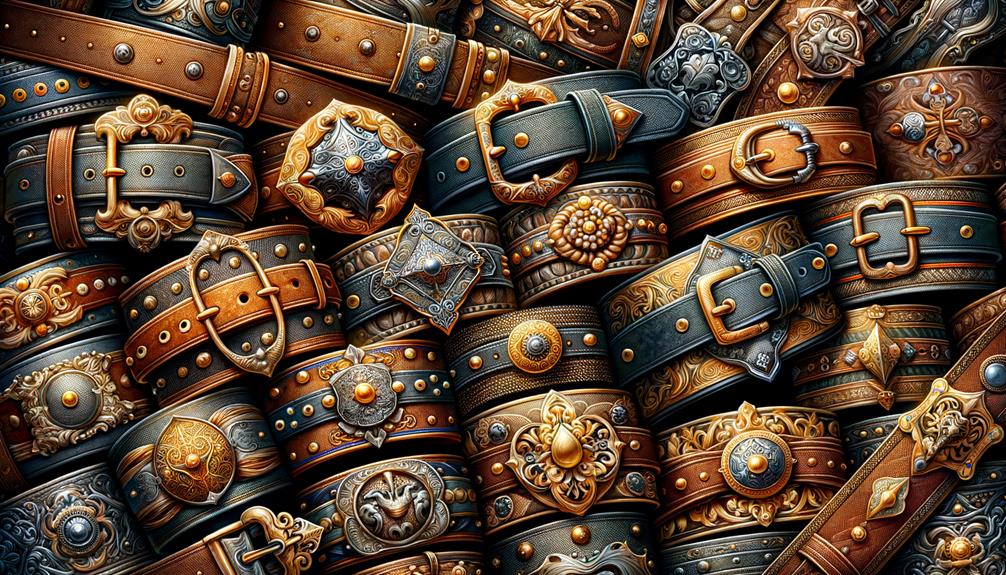
The materials and craftsmanship of medieval girdles are defined by a luxurious blend of silver, gilding, and enamel that brought both elegance and utility. In the 14th century, these luxury accessories were essential for both men and women, showcasing the pinnacle of Northern Italian craftsmanship between 1320 and 1380. The silver-gilt fittings served a dual purpose, holding excess belt length while offering a practical means to carry personal objects, joining function and decoration in one object.
The intricate designs on these girdles often featured enamel decorations depicting scenes of courtly love, heraldic emblems, and fantastical beasts. This level of artistic detailing was not merely ornamental; it reflected the high level of skill and creativity of the artisans. Northern Italy, in particular, was a hub of innovation within the constraints of medieval fashion.
Wearing these girdles allowed individuals to emphasize cinched waistlines, complementing the flowing fabrics of their attire. These accessories were more than stylish additions. They were statements of luxury and detailed artistry. Their design brought together the elegance and the advanced craftsmanship of the period.
Symbolism and Status
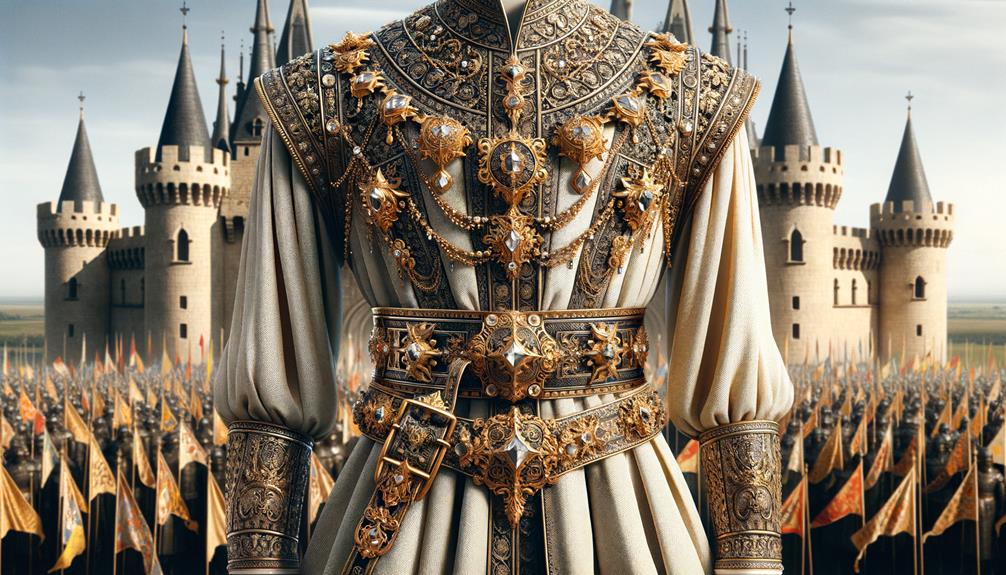
The grandeur of medieval girdles made these accessories potent symbols of social status and wealth. In an era where one’s attire spoke volumes, medieval girdles epitomized the fusion of fashion and societal hierarchy. Their ability to cinch waistlines and accentuate elegant fashion was unparalleled, and they were often crafted from luxurious materials that mirrored the wearer’s societal standing.
The use of intricate designs made each girdle a declaration rather than a simple accessory. The artistry involved often included:
Heraldic emblems, which proclaimed lineage and honor.
Courtly love scenes, which underscored the ideals of chivalry and courtship.
Fantastical motifs, which highlighted creativity and imagination.
Medieval girdles weren’t just about utility; they conveyed a narrative of wealth and sophistication. Whether made from sumptuous leather or gleaming metals, the materials chosen reflected the wearer’s affluence and refined taste. Each girdle was a fashion statement, a confirmation of personal creativity, and a nod to the historical trends of their time. The elegance and symbolism embedded in these accessories continue to fascinate those who appreciate the intricate dance between fashion and social status.
Functional Uses
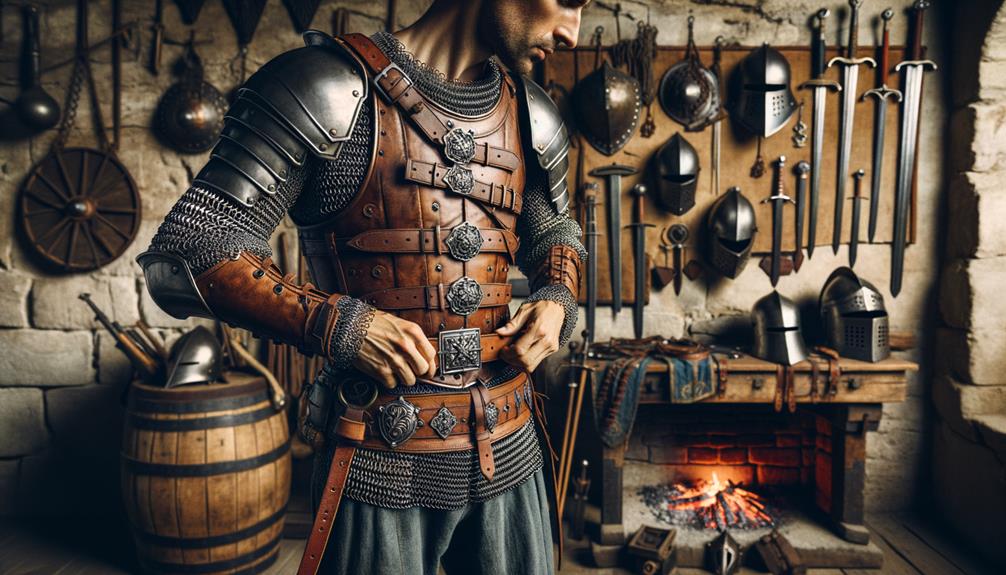
In the 14th century, girdles and belts were a staple accessory for both men and women. These luxury items served a dual purpose: they cinched the waist to create a refined silhouette and provided a practical way to carry personal items.
Medieval and Renaissance fashion placed great importance on these accessories, which were more than decorative embellishments. Crafted with exquisite silver-gilt fittings and adorned with intricate basse taille enamel, girdles showcased exceptional artistry. The designs often featured heraldic emblems, courtly love scenes, and fantastical creatures, each telling a unique story.
Northern Italian craftsmanship, combined with modern velvet supports, ensured that these accessories were both durable and beautiful. The enamel work, depicting scenes such as a lady in prayer or a man’s profile, added an extra layer of elegance. These belts and girdles did more than hold up pants; they carried pouches, keys, and other personal items, making them indispensable in daily life.
The fusion of luxury and practicality in these accessories reflects a clear aspect of medieval and Renaissance life, where art and utility coexisted.
Modern Reenactments and Costumes
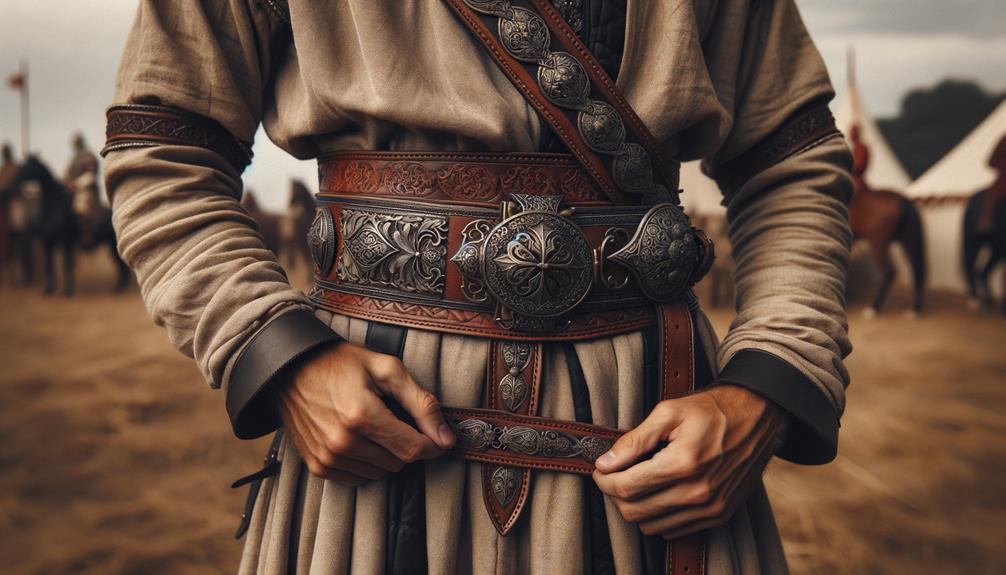
Modern reenactments and costumes bring the past to life with stunning accuracy, making every detail, from handcrafted girdle belts to ornate leather accessories, feel tangible. In historical recreation, the right belt can transport an outfit into an immersive experience.
The Renaissance girdle, for instance, is more than a piece of clothing; it shows elegance and status. Wide corset belts cinch waistlines, offering a dramatic silhouette reminiscent of a bygone era. Viking-inspired belts, with their rugged designs, evoke the adventurous spirit of Norse seafarers.
Leather belts, crafted with precision, offer a tactile connection to the past. Obi belts and embossed leather belts are particularly striking. Waist armor and medieval corsets improve the aesthetic and provide a sense of historical authenticity. Decorative elven belts add a touch of fantasy, blending historical accuracy with imaginative flair.
Every belt, whether it’s a sturdy leather belt or an intricate decorative elven belt, tells a story. Each design choice, from waist armor to a wide corset belt, reflects the waistlines of a bygone era, bringing history into the present with creativity and innovation.
Frequently Asked Questions
What Were Medieval Belts Called?
In medieval times, belts were called girdles, serving a practical purpose by securing garments and accentuating the waistline. Their design reflected the wearer’s social standing and personal taste, making them more than functional accessories.
How Did Medieval People Wear Belts?
Medieval people wore belts in diverse, expressive ways. Some wore them loosely draped around their hips, while others cinched them tightly at the waist, creating a defined silhouette. Each style reflected a blend of personal flair and practical need.
What Is the Difference Between a Belt and a Girdle?
The difference between a belt and a girdle is clear. Belts are practical and often plain, serving a purpose, while girdles are elaborate and ornate, conveying status and style through their intricate designs.
Why Were Medieval Belts so Long?
Medieval belts were valued for their practicality and elegance. Their length served a purpose beyond fashion, as it allowed for securing essential items and adjusting to various garments. The excess length also added a touch of intricate style to their overall aesthetic.