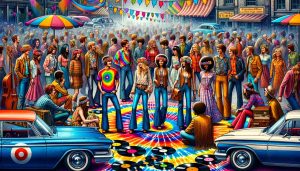
20th Century Fashion

20th Century Fashion

Theatrical Costume Design

20th Century Fashion: A Century of Change

No period in modern dress changed as fast as the 20th century, and the reasons are largely economic and industrial rather than aesthetic. Ready-to-wear, new synthetic fibers, mass media, and later mass production moved fashion from a specialist trade to an industry within a few decades. The articles on this site trace those changes decade by decade, from the flapper styles of the 1920s through wartime restrictions to the decades after 1980, when dress absorbed several decades of change at once.

Iconic Trends: Tracing the Legacy of 20th Century Fashion

The movements that recur in 20th-century dress tend to follow changes in women’s social position rather than changes in taste alone. The shortened hem of the 1920s followed years of wartime labor and sports participation. The work of Coco Chanel moved within a longer European tradition of simplifying women’s dress. Art Deco, Mod, and later hip-hop dress each drew on their own visual culture, and each arrived with its own fabric suppliers and manufacturing base.
Eternal Elegance: Mastering Timeless Fashion Trends

Researching 20th Century Dress

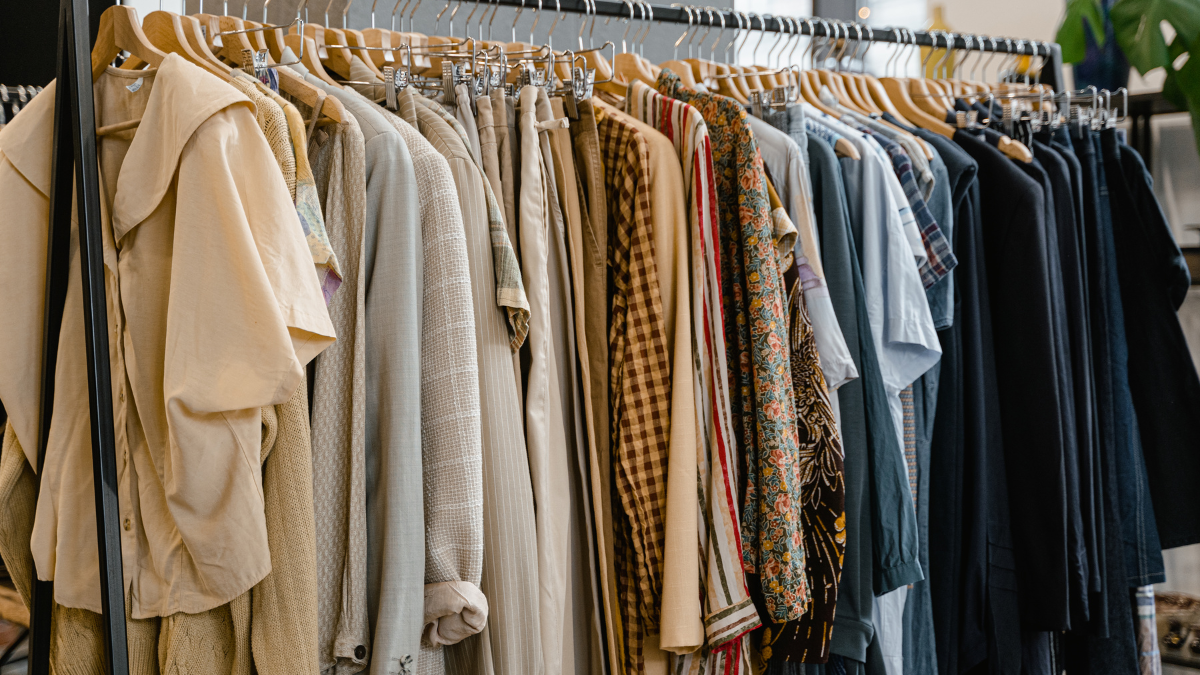
A variety of clothes in different styles, colours, and patterns hang neatly on a rack, showcasing a diverse and colourful wardrobe.

20th Century Fashion Showcase

Immerse yourself in the captivating world of 20th-century fashion through our meticulously curated collection of articles, essays, and visual galleries. From the iconic elegance of the 1920s to the bold experimentalism of the 1980s, our showcase explores the key designers, movements, and cultural influences that have shaped the fashion landscape. Discover the stories behind legendary garments and uncover the enduring legacy of vintage style.

Digital Access

Expert Styling Guidance

Our team of seasoned fashion experts is here to guide you on your journey to mastering timeless style. Through in-depth tutorials, step-by-step guides, and insightful analysis, we provide you with the tools and knowledge to incorporate vintage elements into your modern wardrobe. From understanding silhouettes and fabric choices to accessorizing with panache, our styling resources empower you to create looks that are both timeless and uniquely you.
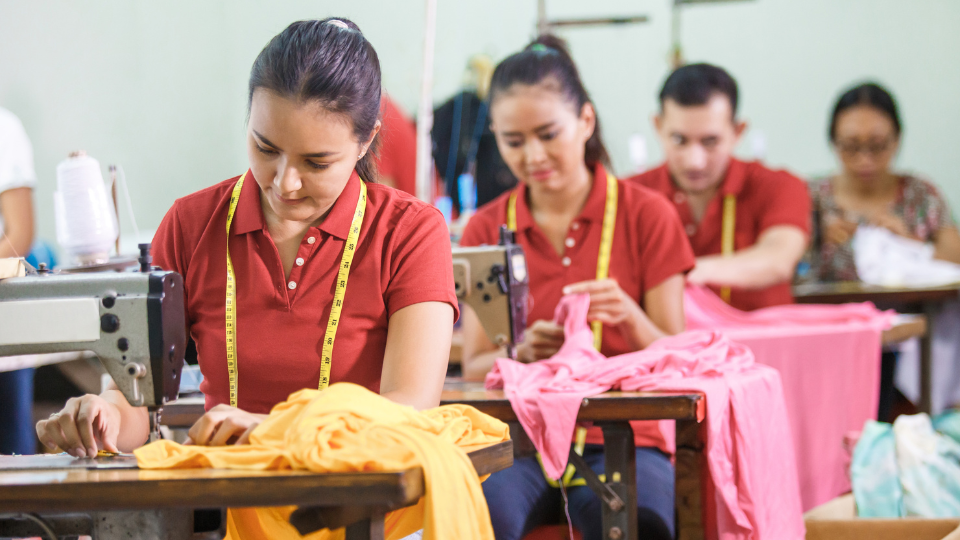
Mastering the Craft: Exploring the Artistry of Classic Couture

Preservation and Care Techniques

Cherishing and preserving vintage garments is an art form in itself. Our comprehensive guides and tutorials offer expert advice on the proper care, storage, and restoration techniques for your precious 20th-century pieces. From delicate lace to sturdy denim, we provide you with the knowledge to maintain the integrity and longevity of your vintage treasures, ensuring they remain a testament to timeless craftsmanship.
event styling

Virtual Events and Interactive Experiences

We're passionate about creating immersive experiences that bring the world of 20th-century fashion to life. Through virtual events, interactive webinars, and exclusive interviews with industry experts, we invite you to engage with the rich history and vibrant culture of vintage style. From behind-the-scenes glimpses into legendary fashion houses to thought-provoking discussions on the future of sustainable fashion, our events offer a unique platform for learning, inspiration, and connection with fellow enthusiasts.
Silhouettes by Decade

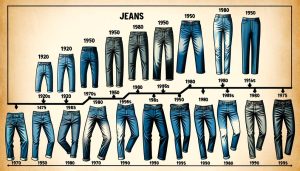
Each decade set a different proportion. The 1920s dropped the waist and the hem. The 1940s narrowed the shoulder under fabric restrictions. The 1950s built volume upward into the bodice. The 1960s shifted shape to the legs. The 1970s returned to flowing fabric and layered silhouettes. The 1980s and 1990s alternated between broad shoulder lines and minimalism. Articles on each decade give the measurements, construction, and fabric that produced those shapes.

About Timeless Fashion Hub

A simple, black and white illustration of a traditional clothes hanger.

Article Coverage

Articles on this site cover 20th-century dress by decade, by garment type, and by the designers associated with each period, including ready-to-wear houses that shaped the market rather than the runway.

A simple, black and white illustration of a traditional clothes hanger.

In-Depth Analysis

Articles set out what changed in a given decade and why: the textile innovations available, the wartime and postwar constraints, the shift from couture to ready-to-wear, and the retail systems that put trends in reach of a mass market.

A simple, black and white illustration of a traditional clothes hanger.

How the Site Is Organized

Pages are grouped by period, then by decade and by topic within a decade. Articles cross-reference across periods where a technique or a fabric carried forward. The site offers reference material only; there is no store, no styling service, and no appointments.

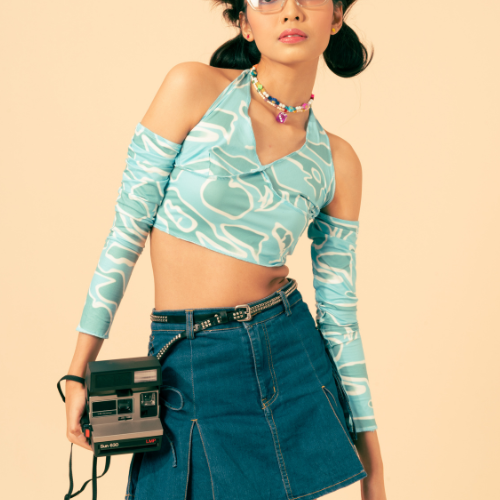
A young woman dressed in a trendy blue patterned top and denim skirt, holding a vintage camera, embodies a playful and nostalgic fashion style.
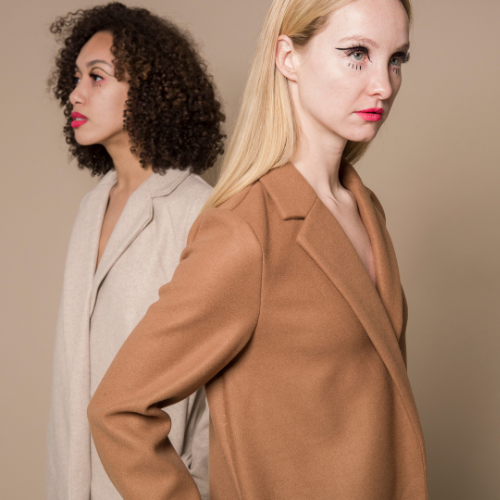
Two women stand back-to-back, showcasing stylish, neutral-toned coats against a plain background.
A simple, black and white illustration of a traditional clothes hanger.

Editorial Scope

Coverage treats the century as an industry as well as a sequence of styles: manufacturing, labor, retail, and textile supply are treated as subjects in their own right. Fashion brands are described historically, not recommended.

A simple, black and white illustration of a traditional clothes hanger.

Corrections

Dating of designers, houses, and garments is corrected as records appear. Corrections are noted on the article, and readers who find an error are welcome to report it through the contact page.

A simple, black and white illustration of a traditional clothes hanger.

Access From Anywhere

Every article is published online and readable without an account or subscription. There is no physical location, no members-only area, and no product to buy.

Frequently Asked Questions

What defines 20th century fashion?

20th century fashion encompasses the styles, trends, and cultural influences that dominated the world of clothing and attire throughout the 1900s. From the iconic flapper dresses of the 1920s to the bold prints and colors of the 1980s, each decade brought its own distinctive aesthetic, reflecting the societal shifts, technological advancements, and artistic movements of the time.

How do I incorporate 20th century fashion into modern wardrobe?

Integrating elements of 20th century fashion into your contemporary wardrobe can add a unique flair and timeless elegance to your style. Consider mixing vintage pieces, such as high-waisted trousers or statement accessories, with modern basics for a chic and eclectic look. Alternatively, opt for modern interpretations of classic silhouettes and trends inspired by iconic fashion moments of the past.


The 20th century witnessed a multitude of fashion trends that continue to influence style today. From the glamorous Hollywood-inspired fashions of the 1930s to the rebellious denim and leather looks of the 1950s and 60s, key trends include flapper dresses, tailored suits, mini skirts, psychedelic prints, and punk-inspired attire. Exploring these trends can provide inspiration for creating unique and memorable outfits with a vintage twist.

 
Where can I find authentic 20th century fashion pieces?

Authentic 20th century fashion pieces can be found through various avenues, including vintage boutiques, online marketplaces, thrift stores, and estate sales. It’s essential to research reputable sellers and authenticate garments to ensure their quality and provenance. Additionally, attending vintage fashion fairs, exhibitions, and auctions can offer opportunities to discover rare and unique pieces from different decades of the 20th century.

 
How can I care for and preserve vintage 20th century fashion items?

Proper care and preservation are essential for maintaining the integrity and longevity of vintage 20th century fashion items. To protect delicate fabrics and prevent damage, store garments in a cool, dry place away from direct sunlight and moisture. Avoid excessive handling and opt for professional cleaning services when necessary. Additionally, consider investing in archival-quality storage materials, such as acid-free tissue paper and garment bags, to safeguard valuable pieces for future generations.


Contact and Corrections

Questions about the 20th century, or a correction to an article, can be sent through the contact page. Messages go to the editors, who answer when they are able. Timeless Fashion Hub publishes reference material only: nothing is for sale, no styling consultation is offered, and no appointments are scheduled.


Requests for a specific topic, reports of broken links, and suggested sources can go to the same address.


A trio of illustrated fashion mannequins, each showcasing different styles and designs, representing the art of dressmaking and fashion design.
Scroll to Top