The 1980s power suits radically transformed workwear, blending bold authority with refined elegance. Coco Chanel‘s early designs laid the foundation, but the sharp tailoring and confident silhouettes from designers such as Hugo Boss and Calvin Klein truly transformed professional wardrobes. Popular television shows such as Dynasty popularized the big-shouldered look, symbolizing strength and ambition in the workplace. These suits challenged traditional gender norms and redefined what it meant to be a professional woman. As the era progressed, the nuances of empowerment and self-expression became part of every suit.
Origins of the 1980s Power Suit
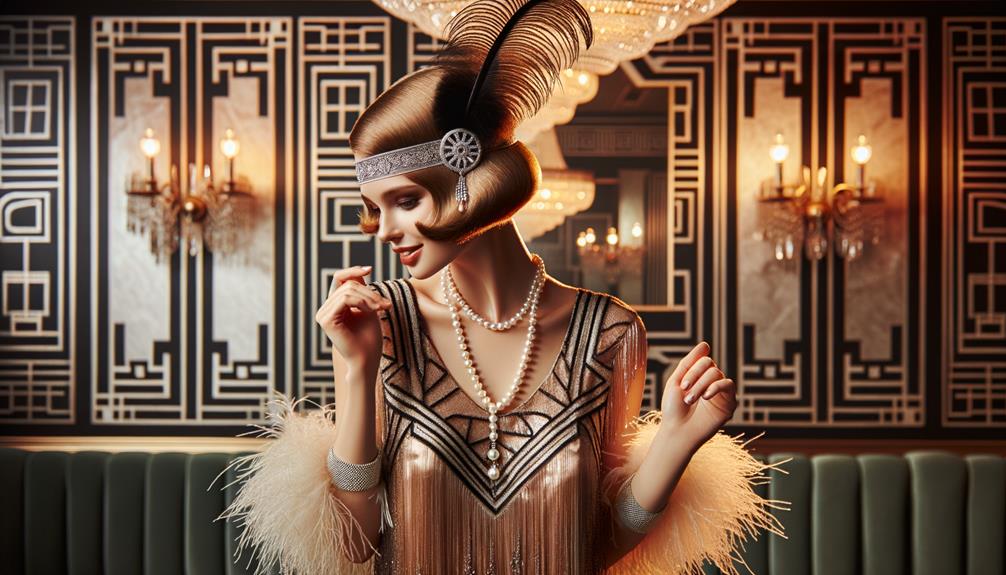
Although the 1980s power suit became iconic in that decade, its origins reach back to Coco Chanel‘s pioneering designs of the 1920s. Chanel envisioned a future where women could enter the workforce with the same authority as men. Her innovative spirit produced an early version of the power suit: a jacket and skirt combination made from comfortable materials, allowing women to move freely. The design carried a message about empowerment, not simply fashion.

The power suit was a statement rather than mere clothing. By the 1970s, the pantsuit had emerged as a symbol of the serious professional woman entering traditionally male-dominated spaces. This evolution was about asserting authority and claiming a rightful place in the professional world.
Tracing the journey from Chanel’s innovations to the exaggerated styles of the 1980s shows a thread of resilience and transformation. The power suit changed shape, but its core message held steady: women can hold power and wear it with confidence.
Key Designers and Brands
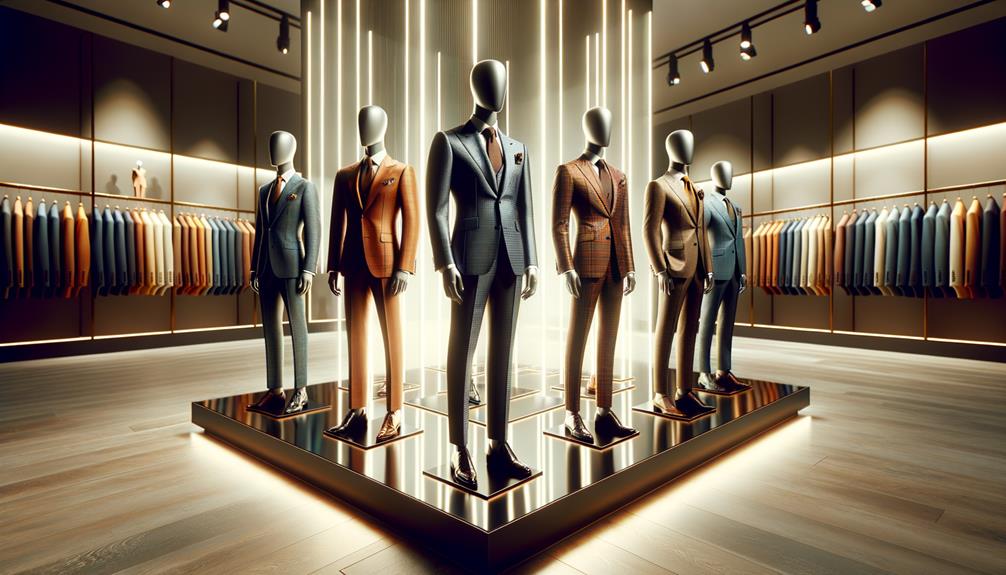
Fashion houses such as Hugo Boss, Kasper, and Calvin Klein shaped the 1980s power suit and the idea of professional attire that followed. Each brought a distinct vision: Hugo Boss with sharp tailoring, Kasper with textured elegance, and Calvin Klein with a minimalist approach. These styles continue to influence modern workwear, combining strength with sophistication.
Hugo Boss suits were known for precise cuts and crisp lines, projecting authority and confidence. Kasper focused on luxurious fabrics and intricate detailing, raising the power suit to an art form. Calvin Klein pioneered a streamlined, pared-back aesthetic that became a synonym for modern professionalism.
These contributions have endured, with their silhouettes and design principles still echoing in office fashion. The 1980s power suit has evolved, but its core elements of structure, sophistication, and self-assurance remain influential.
Influential Fashion Houses
Iconic houses such as Chanel and Saint Laurent have made more than women’s suits: they have created symbols of empowerment and professional identity. Their power suits have marked the industry, changing how women see themselves at work. Chanel’s structured elegance and Saint Laurent’s bold, androgynous approach both gave women a sense of authority and sophistication.
Giorgio Armani’s contributions in the 1980s were groundbreaking. His tailored trouser and skirt suits understated the wearer’s figure, giving an impression of authority without sacrificing style. This shift redefined women’s workwear, making it both powerful and chic.
The influence of these fashion houses reaches beyond appearance. Hillary Clinton’s frequent use of pantsuits as a visual statement in her political career drew attention to both her difference from and her familiarity with her male counterparts. Anna Wintour’s taste for elaborate patterns and prints shows the growing variety within professional attire.
Emerging designers such as Jason Wu and RVNG Couture continue to innovate, combining professionalism with personal style. They offer relaxed, breathable, and sustainable options that echo the spirit of the original power suits.
Iconic Suit Designers
Few designers have influenced the evolution of women’s power suits as much as Coco Chanel and Giorgio Armani. In the 1920s, Chanel pioneered a comfortable yet stylish jacket and skirt combination that conveyed strength and energy. Her vision went beyond appearances, using fashion to empower women.
Armani then took the lead in the 1980s, introducing tailored trouser suits that understated the figure and allowed women to command authority at work. The wide-leg trousers in particular became a symbol of the modern professional woman.
Several key contributions stand out among these designers and brands:
- Coco Chanel: Introduced the modern power suit, blending comfort with an energetic appearance.
- Giorgio Armani: Transformed the tailored suit, emphasizing authority and professionalism.
- Anna Wintour: Broke traditional norms with bold patterns and prints.
- Jason Wu: Combined comfort with professionalism using loose-fitting pantsuits.
- RVNG Couture: Focused on sustainability with breathable, structured suits.
These designers reshaped how women’s power and fashion intersect, echoing the changing landscape of workwear.
Signature Power Suit Styles
The pioneering work of Chanel and Armani continues in today’s power suit styles, which pair tradition with modernity. Labels including BOSS by Hugo Boss, Kasper, Calvin Klein, ASTR the Label, and Karl Lagerfeld Paris are notable examples.
BOSS by Hugo Boss offers a classic power suit, with a tailored blazer featuring a notched collar and slim-leg ankle pants in virgin wool. It balances timeless elegance with contemporary style. Kasper brings texture with its tweed-woven power suit, pairing a cut-out stand collar blazer with a coordinating pencil skirt. Calvin Klein’s scuba crepe power suit stands out with its stand collar jacket and slim-leg elastic back pants, combining comfort with sharp tailoring. ASTR the Label redefines contemporary chic with a v-neck button-up vest top and wide-leg trousers.
Iconic Power Suit Moments
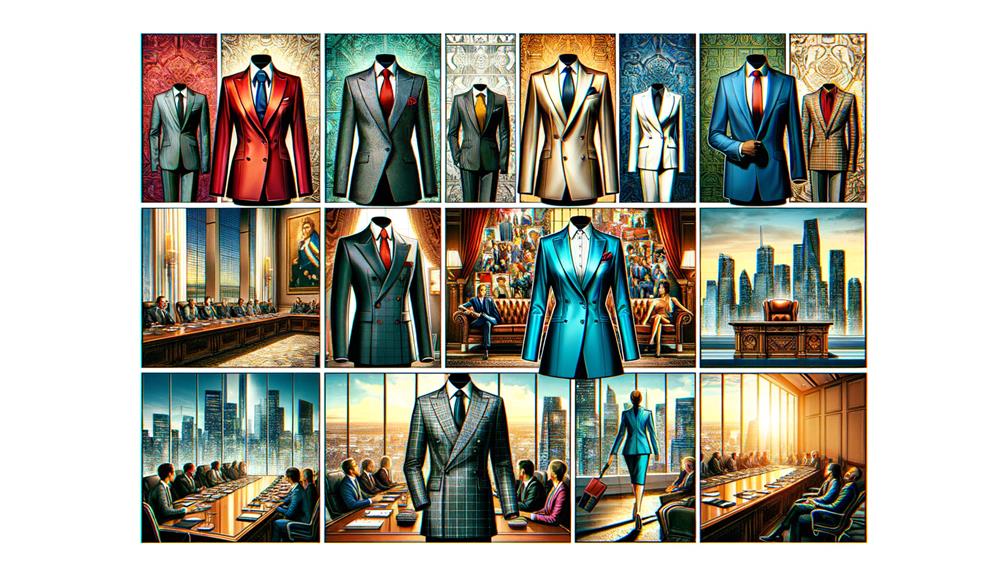
The 1980s power suit stands out as a defining symbol of women’s evolving roles in professional life. It was a statement of empowerment. Exaggerated shoulder pads and tailored silhouettes allowed women to move through male-dominated environments with new confidence.
Iconic moments in power suit history include:
- Chanel’s 1920s suits were energetic and strong, enabling women to enter the job market.
- 1970s pantsuits signaled the serious professional woman.
- 1980s television shows such as Dynasty popularized the big-shouldered jacket, cementing the power suit’s place in pop culture.
- Hillary Clinton’s campaign suits bridged gender gaps in politics.
- Anna Wintour’s bold patterns challenged workplace dress codes, showing fashion’s evolving nature.
These moments show how power suits have adapted to societal changes, moving from garments to symbols of progress. While accessibility has increased through fast fashion, real empowerment comes from feeling powerful in whatever one wears.
Influence on Modern Workwear
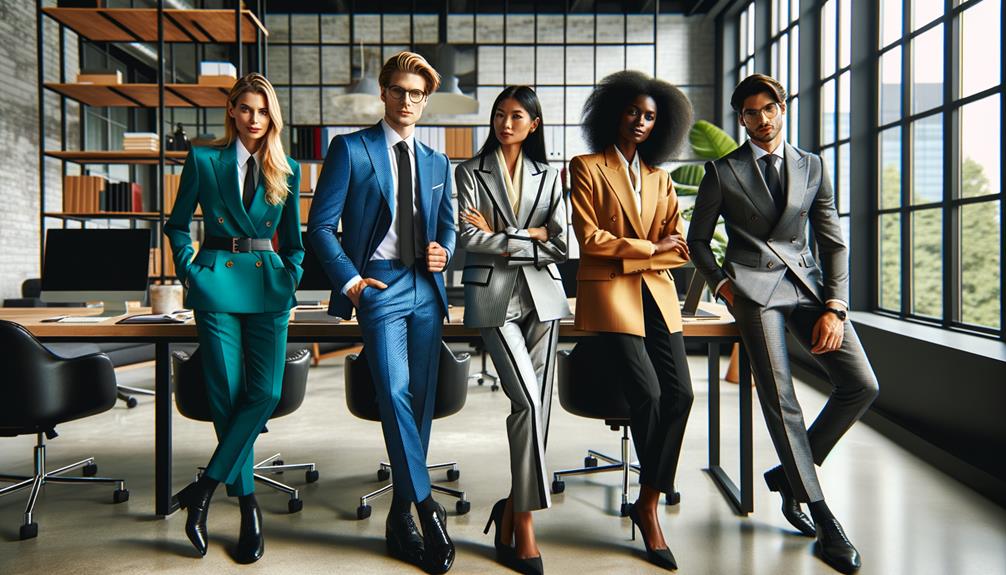
Workwear today reflects how the bold fashion statements of the 80s have evolved. Trends now embrace vibrant colors, diverse silhouettes, and gender-neutral styles that challenge traditional norms. This progression mirrors a broader push for inclusivity and self-expression.
Workwear has moved well beyond the power suits of the past. Fashion in offices and workplaces today celebrates diversity, allowing people to express their individuality through their attire. Rigid, one-size-fits-all dress codes have largely given way to colorful, fluid styles that serve a wide range of preferences and identities.
This shift in workwear mirrors changes in the wider culture. As workplaces become more inclusive, the clothes worn to the office have become a canvas for self-representation, a way to question traditional notions of professionalism and gender.
Modern workwear encourages people to present themselves authentically rather than conforming to narrow expectations, which aligns with a growing emphasis on diversity and individual expression.
Evolving Fashion Trends
The once rigid power suit has become a more varied and inclusive staple of modern workwear. Fashion trends have changed how professional attire is perceived. Power suits are no longer confined to black, grey, and navy; the range now includes burgundy, emerald, and cobalt, reflecting a broader spectrum of self-expression.
A related shift is the growing focus on standout design. Designers are incorporating eco-friendly materials such as organic cotton, Tencel, and recycled polyester, marking a move toward more responsible production practices. This emphasis on sustainability has particular appeal to a generation that values environmental stewardship.
From oversized blazers to fitted jackets, there are options for every body type, and more brands are offering a broader range of sizes and cuts. Traditional and contemporary elements combine easily, and belts, scarves, and bold jewelry add a personal touch. Sustainable fabrics and ethical production are also increasingly visible.
This change in power dressing reflects a more inclusive workplace culture and encourages further change.
Gender-Neutral Styles
In today’s workplaces, gender-neutral power suits are reshaping how identity is expressed through professional attire. This goes beyond a fashion trend toward inclusivity and authenticity. Oversized blazers and relaxed trouser silhouettes are increasingly common, bringing traditionally masculine elements into women’s workwear.
Hillary Clinton is a well-known example, her iconic pantsuits having long symbolized power and professionalism. Her style choices helped open the way for a fluid interpretation of workwear that moves past restrictive gender norms. Combining masculine and feminine design elements lets personal style sit alongside professional identity, so that attire reflects the individual wearing it.
Brands are responding to this demand with a broader range of sizes and inclusive cuts. This serves diverse body types and promotes a sense of belonging and self-acceptance. The rise of gender-neutral power suits reflects a workplace culture in which people can feel empowered, authentic, and respected.
Styling and Accessories
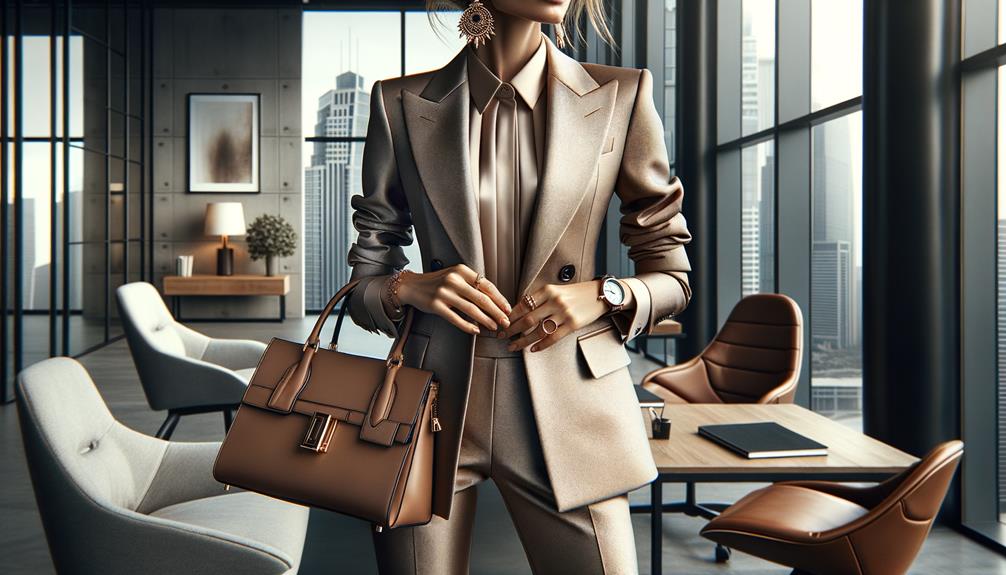
Accessories can turn a simple suit into a personal statement. The right add-ons make a real difference, infusing an outfit with individual style. Small details in accessorizing add depth and interest to otherwise straightforward clothing.
Some accessories worth considering:
- Statement belts with eye-catching designs or buckles
- Vibrant scarves and ties with meaningful patterns
- Bold or minimalist jewelry, such as statement earrings or chunky bracelets
- Accessories that convey creativity and personal flair
- Versatile shoes that transition from the office to after-work events
These accessories allow a wearer to show confidence and originality. A scarf or tie can tell a story, and bold jewelry can make a striking impression. In a field of uniformity, these details are where style shows through.
Cultural and Social Impact
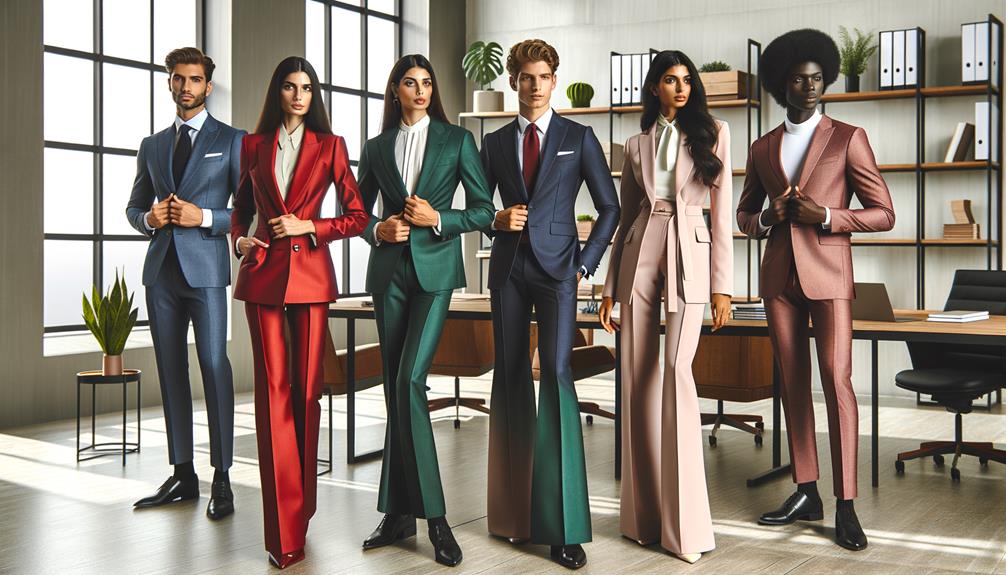
While accessories personalize the power suit, it is the cultural and social impact of this attire that gives it its broader significance. The power suit has moved from a traditionally masculine ensemble to an emblem of female empowerment, challenging long-established gender norms in professional settings. Trailblazers such as Hillary Clinton used power suits to signal competence and authority.
The evolution of power suit designs, with vibrant colors, bold patterns, and inclusive sizing, says a great deal about changing values. The aim is no longer to fit a corporate mold, but to express individuality and embrace diversity. This combination of fashion and professionalism blurs the line between traditional work attire and personal style, making workwear a canvas for self-expression.
Sustainability has also brought eco-friendly power suits into the spotlight. These options meet growing demand for ethical and environmentally conscious clothing, showing that innovation in fashion can align with social responsibility. The power suit is no longer just a uniform; it is a statement.
Frequently Asked Questions
What Is the Difference Between a Power Suit and a Regular Suit?
Power suits and regular suits convey different impressions. Power suits project authority through bold colors and sharp tailoring, reading as a declaration of confidence. Regular suits are more about fitting in and following convention, projecting professionalism and conformity. The visual differences reflect the different messages each sends about the wearer’s persona and aspirations.
Who Created Power Suits?
Power suits as they are known today emerged from the fashion changes Coco Chanel set in motion in the 1920s. Chanel’s vision went beyond clothing trends, empowering women by giving them a sense of strength and elegance. This approach challenged existing norms and paved the way for women to assert their presence in professional life with confidence.
Chanel’s power suits departed from the constrictive and ornate fashions of the past, favoring a streamlined and functional look. By incorporating masculine elements such as structured shoulders and tapered waists, she gave her designs an air of authority and capability. This allowed women to express their ambition through their attire rather than being confined by societal expectations.
The impact of Chanel’s power suits showed how fashion can shape perceptions and social dynamics. These garments became a symbol of the changing role of women, challenging gender stereotypes and offering a way to claim a place in the professional world. Chanel’s vision still resonates, and power suits remain a staple in many modern workplaces.
What Color Suit Is a Power Suit?
Power suits have moved well beyond the traditional black, gray, or navy. Vibrant shades such as deep emerald, rich burgundy, and cobalt blue now command attention in the workplace. These bold colors convey authority and confidence that go beyond the conventional, and the power suit has diversified to let wearers express personal style while projecting leadership.
What Is Power Dressing Today?
Power dressing today has moved beyond traditional formal business attire. It now embraces vibrant colors, bold silhouettes, and a more inclusive approach. The focus is on sustainable, high-quality garments and expressive accessories that bring fashion and professionalism closer together, letting wearers show personal style while keeping a polished, confident presence at work.
Conclusion
The bold power suits of the 1980s were statements of strength and sophistication rather than mere fashion. Designers pushed boundaries, creating iconic images that still influence wardrobes today. The sharp shoulders, sleek silhouettes, and subtle style cues continue to shape how people dress, which is how some trends stand the test of time.