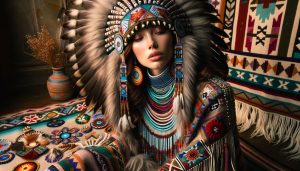
Ancient Civilizations

Ancient Civilizations

Classic Couture: The Art of Creating Timeless Fashion Pieces

Dress in the Ancient World

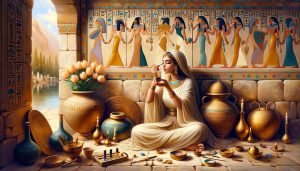
Almost no garments survive from the ancient world. Textiles from Egypt and Peru are preserved only where conditions were dry or frozen, and elsewhere the record is indirect: tomb paintings, carved reliefs, written inventories, and the impressions left on corroded metal. Articles here work from that evidence, describing what each source can show about dress and where it has to be inferred.

What Survives from Each Period

What survives differs sharply by place and period. Egyptian burial goods include linen of a fineness rarely matched elsewhere, and Greek and Roman sculpture records drapery in a detail that sculpture alone cannot. Indian textiles survive mainly as fragments recovered in dry conditions. Articles describe each case on its own terms and state what has been lost.
Timeless Treasures: Unlocking the Style Potential of Old Outfits

What This Section Covers

Timeless Treasures: Unlocking the Style Potential of Old Outfits

Ancient-Inspired Fashion Design

Our visionary designers delve into the rich tapestry of ancient civilizations, drawing inspiration from intricate patterns, motifs, and textiles. By harmonizing modern silhouettes with historical elements, we craft garments that resonate with both the allure of antiquity and contemporary fashion sensibilities.
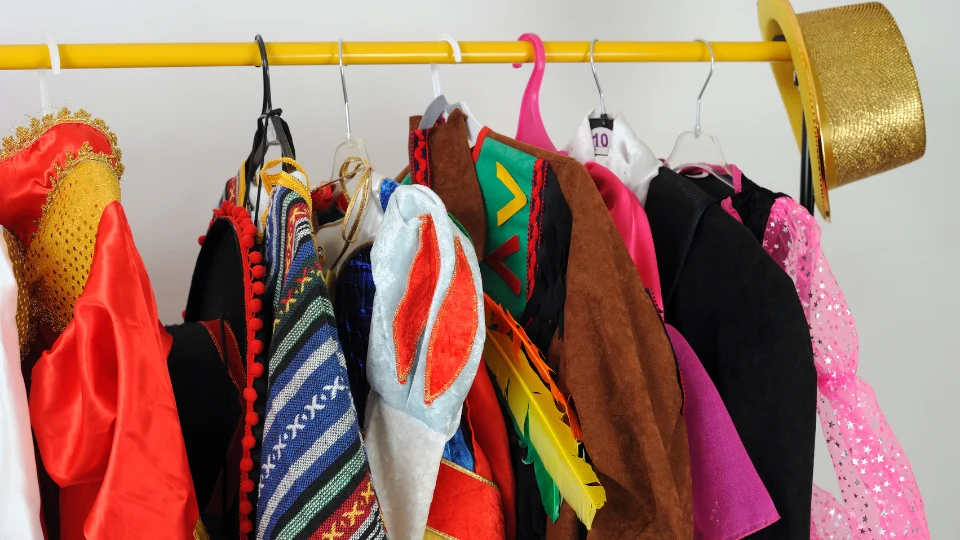
Eternal Elegance: Mastering Timeless Fashion Trends

Customized Cultural Apparel

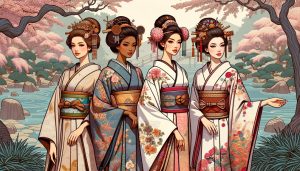
Celebrate your connection to ancient civilizations through our bespoke apparel services. Our designers collaborate closely, crafting custom pieces that reflect your individual style and cultural heritage, whether drawn to Pharaonic Egypt, Imperial China, or ancient Rome.

Guided Tours

Historical Fashion Consultations

Embark on a personalized journey with our experienced stylists, who guide you through the sartorial landscapes of ancient civilizations. From curating garments that pay homage to specific historical periods to accessorizing with authentic artifacts, our consultations ensure every aspect of your wardrobe exudes timeless sophistication and cultural reverence.

Mastering the Craft: Exploring the Artistry of Classic Couture

Artisanal Craftsmanship Workshops

Immerse yourself in the world of ancient craftsmanship through our hands-on workshops led by skilled artisans. Explore the art of loom weaving, master ancient embroidery techniques, and connect with traditions passed down through generations. These immersive experiences allow participants to delve deeper into the world of ancient artistry.
How Reconstruction Is Presented

Reconstructions of ancient dress are interpretive. They are built from painted and carved evidence, from what was found on bodies or preserved by corrosion, and from what the climate and trade of the period would have allowed. Articles present these as arguments with their evidence attached rather than as pictures of what people certainly wore, and note where two reconstructions of the same garment disagree.

How Articles Are Researched

A simple, black and white illustration of a traditional clothes hanger.

Sources and Scope

Articles are drawn from published archaeological reports, museum catalogues, and standard dress-history references. Where a date, fiber, or technique is disputed, the competing accounts are given rather than a single preferred version. Coverage is arranged by civilization and by the type of evidence available for each.

A simple, black and white illustration of a traditional clothes hanger.

Citations and Images

Paintings, reliefs, and archaeological finds are cited by site, tomb, or collection reference wherever one exists, so an image can be checked against the record it came from. Modern photographs of reconstructed garments are labeled as reconstructions rather than presented as ancient originals.

A simple, black and white illustration of a traditional clothes hanger.

Using the Site

Every topic page links to the articles beneath it, and each article links onward to the collection or site holding the objects discussed. Civilization and period indexes provide an alternate route when the starting point is a place or a date rather than a garment.

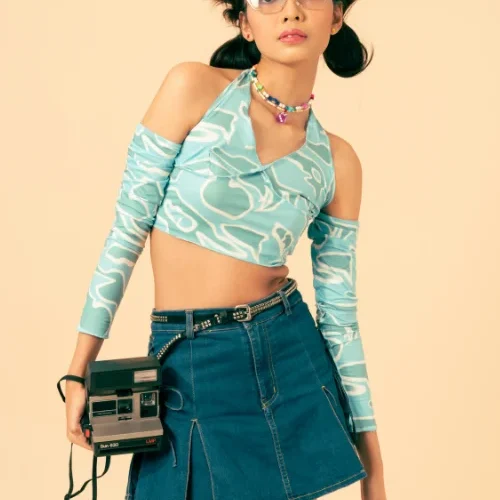
A young woman dressed in a trendy blue patterned top and denim skirt, holding a vintage camera, embodies a playful and nostalgic fashion style.
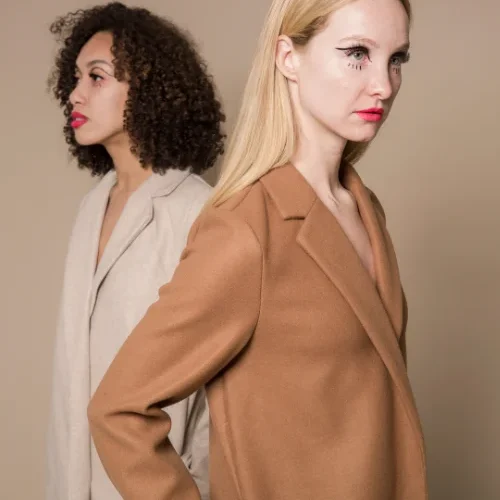
Two women stand back-to-back, showcasing stylish, neutral-toned coats against a plain background.
A simple, black and white illustration of a traditional clothes hanger.

Subject Coverage

Technical terms are explained where they appear: fiber types, weave structures, dye processes, and garment construction are defined on first use. Descriptions follow the conventions used by costume-history departments and textile museums, so that they can be matched against catalogue records.

A simple, black and white illustration of a traditional clothes hanger.

Related Sections of the Site

Each topic page cross-links to adjacent civilizations and to the broader conservation and cultural-attire sections, so a reader following one thread can continue into related material without starting over.

A simple, black and white illustration of a traditional clothes hanger.

Access From Anywhere

The articles are published as plain web pages with no login and no paywall, and they can be read on a phone, a library computer, or a desktop. Nothing on the site is downloadable-only.

Common questions on ancient dress: what actually survives, how reconstructions are argued from indirect evidence, and how reliable a painted or carved source is. These are answered in the linked articles rather than collected on this page.

How do you incorporate ancient civilizations into your fashion designs?

Our process begins with extensive research into the art, architecture, and textiles of ancient civilizations, seeking inspiration from a diverse range of cultures spanning continents and millennia. From the intricate patterns found in Egyptian hieroglyphics to the geometric motifs of Mesoamerican pottery, we draw upon a rich tapestry of historical influences to inform our design process. Through careful study and interpretation, we distill the essence of each civilization into our garments, paying homage to their unique aesthetic traditions while infusing them with a modern sensibility.

What materials do you use to evoke the essence of ancient civilizations in your apparel?
We’re sure that selecting materials that echo those used by ancient artisans is crucial in our quest to evoke the spirit of antiquity. In our experience, natural fibers such as linen, silk, wool, and cotton not only offer tactile richness and visual depth but also carry symbolic significance deeply rooted in ancient cultures. We think that incorporating metallic threads, beads, and other embellishments reminiscent of the opulent adornments favored by ancient royalty is essential, as it further enhances the authenticity and allure of our designs. From our expert perspective, the thoughtful choice of materials plays a vital role in creating garments that truly capture the essence of ancient civilizations, allowing wearers to connect with the past in a tangible and meaningful way.
Do you offer custom designs inspired by specific ancient civilizations?

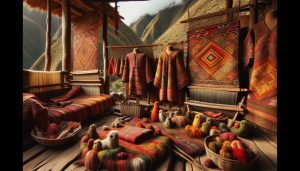
Absolutely. Our bespoke services cater to clients seeking garments infused with the essence of their favorite ancient civilizations. Whether it’s the timeless elegance of Greco-Roman drapery, the intricate embroidery of Indian textiles, or the vibrant colors of Andean weaving, our designers collaborate closely with clients to translate their vision into unique and personalized creations. By honoring the cultural heritage and individual preferences of each client, we ensure that every custom design reflects a harmonious fusion of ancient inspiration and contemporary expression.


While we draw inspiration from the past, our designs are firmly rooted in the present, reflecting the evolving tastes and preferences of modern fashion enthusiasts. We carefully integrate elements of ancient civilizations into contemporary silhouettes, allowing our garments to seamlessly integrate into today’s wardrobe while retaining their timeless appeal. Additionally, we stay attuned to current trends and incorporate them thoughtfully into our designs, ensuring that our collections remain both culturally significant and fashion-forward.

 
What sets your ancient civilization-inspired fashion apart from other brands?

At the heart of our brand lies a deep respect for the cultural heritage and artistic achievements of ancient civilizations. We approach each design with a sense of reverence, striving to capture the essence of these civilizations with authenticity and integrity. Our commitment to sustainability and ethical production further distinguishes us, as we seek to honor the legacy of the past while safeguarding the future of fashion. By offering a unique blend of historical authenticity, modern innovation, and ethical responsibility, we provide discerning customers with a truly exceptional fashion experience unlike any other.


About This Page

This page collects reference material on dress in the ancient world: what survives from each civilization, how garments are reconstructed from indirect evidence, and how far those reconstructions can be trusted. Articles draw on archaeological reports and museum catalogues, and note where reconstructions disagree.

Further reading is linked from the sections above. Questions and corrections can be sent through the contact page.

A trio of illustrated fashion mannequins, each showcasing different styles and designs, representing the art of dressmaking and fashion design.
Scroll to Top