Indigenous North American fashion has deep roots in cultural identity and history. Each piece of clothing, from intricately beaded moccasins to elaborate feathered headdresses, tells a story of connection to the land and the ancestors. The materials used, such as leather, feathers, and plant fibers, speak of a resourcefulness and respect for nature that is both timeless and profoundly relevant today. Modern Indigenous designers blend these traditional elements with contemporary styles, creating a vibrant dialogue between the past and the present. This fusion is what makes this fashion so compelling.
Historical Overview
Indigenous North American fashion, with its intricate designs and deep cultural significance, has evolved over centuries, reflecting the unique identities and beliefs of various tribes. The exceptional craftsmanship involved is striking. Historically, traditional clothing was crafted from natural materials like animal hides, feathers, and plant fibers. Each piece was a statement of identity, a piece of art that told a story, rather than mere clothing.
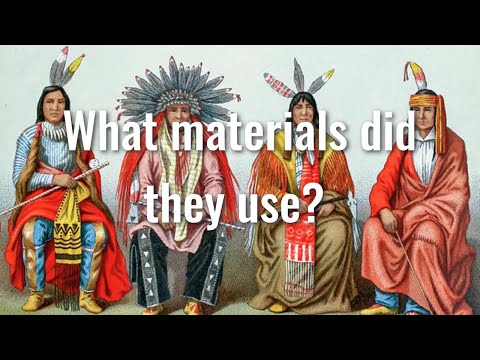
The precision with which Native Americans selected and utilized these materials speaks to their profound connection to the land. Every feather and bead had meaning, every stitch a purpose. These traditional garments embody a deep respect for nature and an understanding of sustainability long before it became a mainstream concern.
This rich heritage has also influenced mainstream fashion globally. Unique motifs, materials, and design techniques from Native American fashion have found their way into contemporary designs, making a significant impact. Collaborations between Native designers and mainstream brands promote cultural exchange and also empower indigenous communities, fostering sustainable practices in the fashion industry.
Traditional Garments
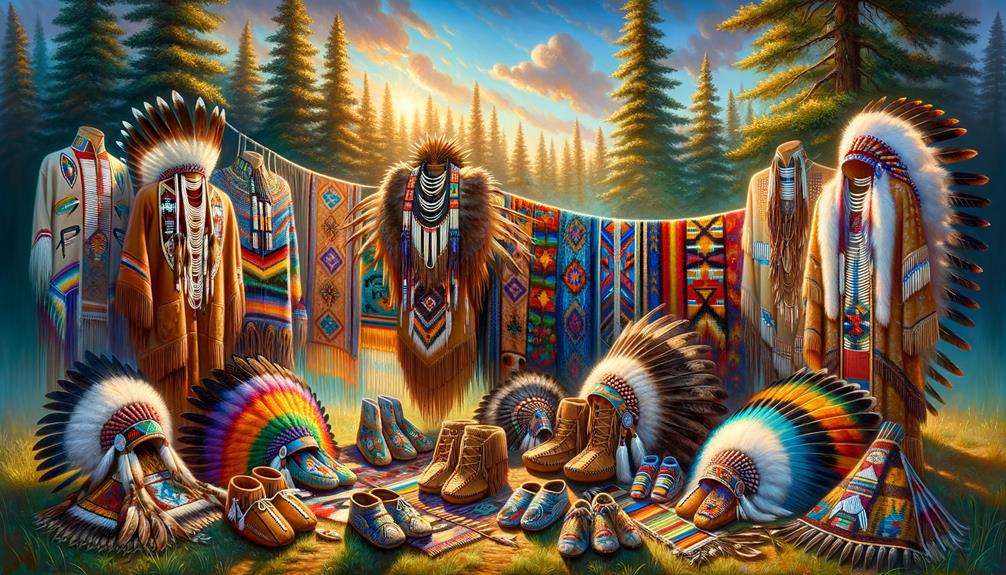
Traditional Native American garments carry intricate beadwork designs that tell stories of heritage and identity. Skilled artisans handcraft leather apparel, often adorned with these beads, showing their dedication and expertise. Ceremonial headdresses, rich in cultural significance, are powerful symbols during sacred events and gatherings.
Intricate Beadwork Designs
The vibrant beadwork adorning traditional Native American garments tells stories that weave together history, culture, and identity with every meticulously placed stitch. The craftsmanship and artistry involved is remarkable. Each tiny bead is hand-sewn, forming patterns that are visually stunning and rich with cultural significance.
In Native American communities, beadwork is a form of storytelling that preserves tribal histories, beliefs, and identities, rather than mere decoration. Every design element carries specific meanings, often reflecting nature, spiritual beliefs, or significant events. The colors, shapes, and arrangements are carefully chosen to convey a particular narrative or symbol.
Beadwork serves as an artistic expression, a way to keep traditions alive in a rapidly changing world. Each garment becomes a canvas, each bead a brushstroke in a larger, meticulously crafted picture. The attention to detail is mesmerizing, revealing a deep connection to heritage and a relentless pursuit of perfection. In a world that increasingly values innovation, these beadwork designs show the timeless innovation embedded in preserving and celebrating cultural identity.
Handcrafted Leather Apparel
The handcrafted leather apparel of traditional Native American clothing, like moccasins and buckskins, offers a tangible connection to the natural world and the enduring traditions of Indigenous North American tribes. These traditional garments, made from animal hides, are functional and also demonstrate the craftsmanship and cultural identity of Native American communities.
Moccasins, with their soft, durable leather, are both comfortable and resilient. Each pair, adorned with unique tribal designs and patterns, tells a story of its own, a narrative woven through quillwork, beadwork, and embroidery. Wearing moccasins provides a tactile experience, grounding one to the earth with each step.
Buckskins, crafted from deer or elk hides, were historically prized for their durability and protection against harsh elements. The meticulous process of creating these garments reflects a deep understanding and respect for natural resources. Wearing buckskins brings a profound connection to the land and the ancestors who crafted these pieces.
In modern fashion, elements of Native American clothing continue to inspire, blending tradition with contemporary aesthetics to create innovative, timeless designs.
Ceremonial Headdresses Significance
The intricate designs of ceremonial headdresses hold deep cultural and spiritual significance for Indigenous North American tribes. These headdresses are sacred items worn by leaders, warriors, and dancers during pivotal ceremonies and events, embodying honor, respect, and tradition, rather than being mere artifacts.
Each element in a Native American ceremonial headdress carries layers of meaning:
Feathers represent achievements, acts of bravery, or spiritual connections.
Beads often symbolize the wearer’s tribal heritage and personal journey.
Specific animals chosen for their symbolic attributes enhance the headdress’s spiritual power.
Design variations reflect each tribe’s distinct history and cultural significance.
Each feather, bead, and design choice is imbued with personal and tribal narratives. They are powerful symbols of heritage and identity, not just decorative accessories. The craftsmanship and spiritual connections embedded in these ceremonial headdresses offer a window into the rich, multifaceted world of Native American culture, urging us to appreciate and innovate while respecting tradition.
Materials and Techniques
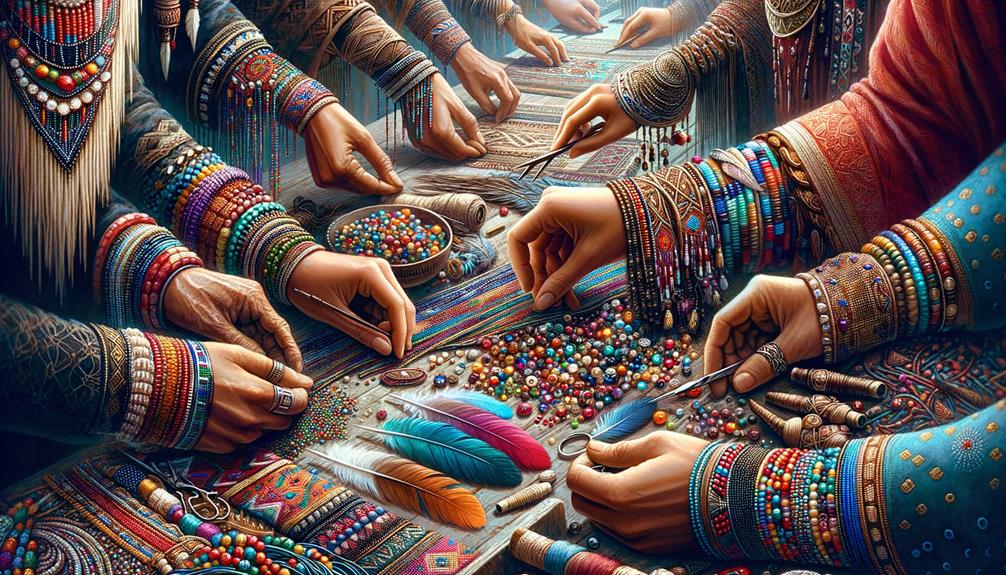
The materials and techniques used in Indigenous North American fashion show a deep connection to nature. The use of buckskin, animal hides, and plant fibers reflects a profound respect for the natural world. The intricate beadwork, quillwork, and weaving showcase an incredible level of handcrafting skill. These traditional methods honor cultural heritage and living in harmony with the environment, going beyond mere aesthetics.
Traditional Natural Fibers
Traditional natural fibers like buckskin, feathers, and plant fibers hold a deeper significance, reflecting centuries-old craftsmanship and a profound respect for nature. Native American traditional clothing, with its intricate designs and sustainable practices, conveys more than just style; it is a validation of cultural heritage and environmental harmony.
Natural fibers such as buckskin, prized for its durability and softness, were commonly used in making moccasins, clothing, and bags. These materials tell a story of a deep connection to the land and its resources. They were harvested and processed with care, showcasing the community’s knowledge and sustainable practices.
Some key aspects of traditional natural fibers include:
Buckskin is soft and durable, making it perfect for garments and accessories.
Feathers hold significant cultural meaning and are often used for decorative purposes.
Plant fibers are utilized in weaving techniques to create strong, versatile textiles.
Quillwork is a meticulous decorative technique that uses porcupine quills, demonstrating incredible skill.
Handcrafting Methods
Indigenous North American fashion reveals a world where every stitch and bead embodies generations of cultural knowledge and significance. Materials like buckskins, animal hides, feathers, and plant fibers are the heart of traditional clothing, more than just resources. Native American fashion designers honor these materials by transforming them into garments that resonate with cultural pride and history.
The meticulous attention to detail in beadwork, quillwork, and weaving techniques is breathtaking. Each bead is placed with precision, each quill is carefully dyed and softened, and each fiber is woven with a rhythm that speaks to ancestral expertise. These methods reflect the artisans’ dedication, often learned from elders and perfected over countless hours.
Natural dyes derived from plants and minerals infuse the garments with vibrant hues, reflecting a deep connection to the land. Handcrafted regalia for ceremonies and dances showcase the full potential of this craft, highlighting both the cultural richness and exceptional craftsmanship of Indigenous North American fashion.
Decorative Techniques
The intricate beadwork, vibrant quillwork, and masterful weaving of Indigenous North American fashion are remarkable. These decorative techniques transform simple materials into profound expressions of culture and identity.
Beadwork is a representation of cultural beliefs and tribal identities, not just a decorative technique. The meticulous placement of each bead reflects stories passed down through generations, conveying the significance of each design and pattern.
Quillwork, which uses dyed porcupine quills, showcases an extraordinary level of craftsmanship. The vibrant designs created on clothing and accessories highlight the artistry embedded in Native American culture. The process of dyeing and placing each quill requires immense skill and patience, making each piece unique.
Weaving techniques vary among tribes, with each tribe’s unique patterns and styles reflecting their distinct cultural heritage. The use of animal hides, feathers, and plant fibers adds a natural beauty to the garments.
Traditional garments are often adorned with decorative elements that add layers of symbolism and meaning. Fringe, shells, intricate embroidery, and feathers enrich the narrative woven into each piece of traditional clothing, making Indigenous North American fashion a fine record of innovation and cultural preservation.
Modern Interpretations
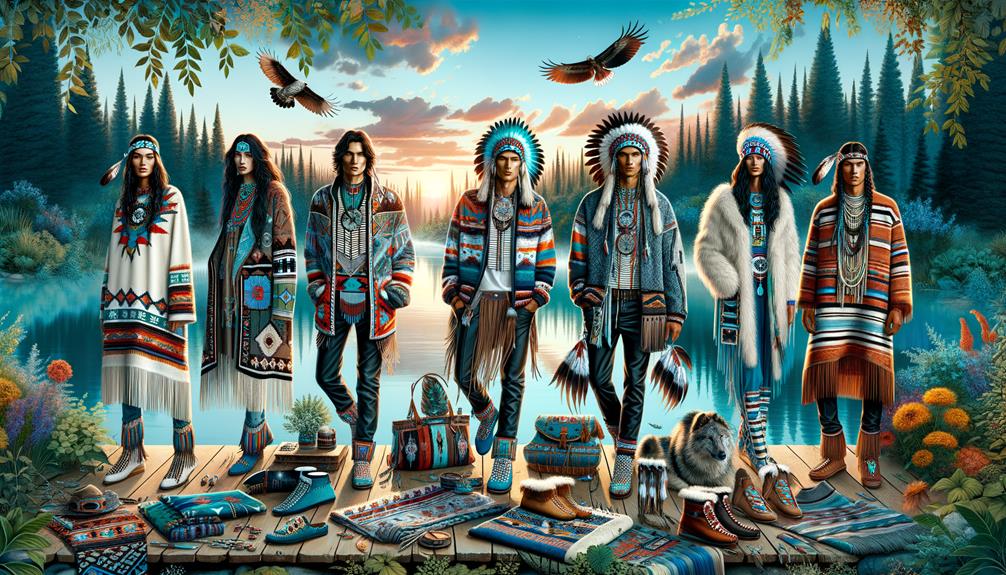
In the modern Indigenous North American fashion scene, a blend of traditional artistry and contemporary design elements brings a sense of cultural pride and innovation. Native American designers are incorporating motifs like beadwork, quillwork, and weaving into contemporary fashion creations, celebrating heritage while paving the way for the future of fashion.
Sustainable practices are a cornerstone of contemporary Native American fashion. The focus extends beyond aesthetics; it is about supporting Indigenous communities and promoting eco-friendly methods. Fashion shows and events dedicated to Indigenous designers have become essential platforms for showcasing innovative designs and fostering cultural exchange.
Collaborations between Native designers and mainstream brands are becoming more common. These partnerships play a vital role in the evolution and recognition of Indigenous fashion within the broader industry.
Some examples of these modern interpretations:
| Traditional Element | Modern Interpretation |
|---|---|
| Beadwork | Intricate patterns on jackets |
| Quillwork | Decorative accents on shoes |
| Weaving | Textured fabrics in dresses |
| Sustainable Practices | Eco-friendly clothing lines |
Through these collaborations and sustainable efforts, Indigenous North American fashion continues to inspire and innovate.
Symbolism and Meaning
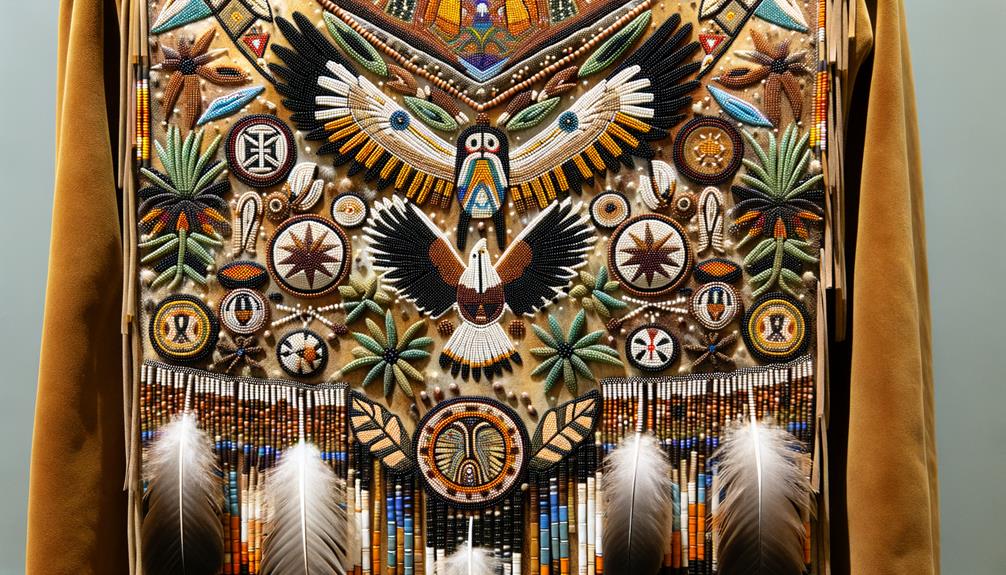
The symbolism in Native American fashion shows a profound connection between each intricate design and the cultural narratives they represent. The meticulous craftsmanship and deep meanings woven into every garment are striking. Each piece tells a story, reflecting the wearer’s heritage, beliefs, and environment.
The following symbolic elements are often seen in Native American fashion:
- Colors: Each hue carries specific meanings. Red symbolizes life and vitality, blue represents spirituality, and yellow embodies the sun and happiness.
- Patterns: Geometric shapes symbolize various elements of nature, from mountains to rivers, signifying the interconnectedness of all life.
- Animals: Representations of animals like eagles and bears embody spiritual guardianship and strength.
- Plants: Floral motifs highlight the natural world and also symbolize growth, renewal, and sustenance.
Traditional regalia, worn during ceremonies and dances, conveys these symbols vividly, telling stories and carrying ancestral knowledge. The beadwork and quillwork are a language, not mere decoration, speaking of the natural world, spirituality, and community values that are central to Native American life. This rich symbolism transforms clothing into a living narrative, showing enduring cultural legacies.
Prominent Designers
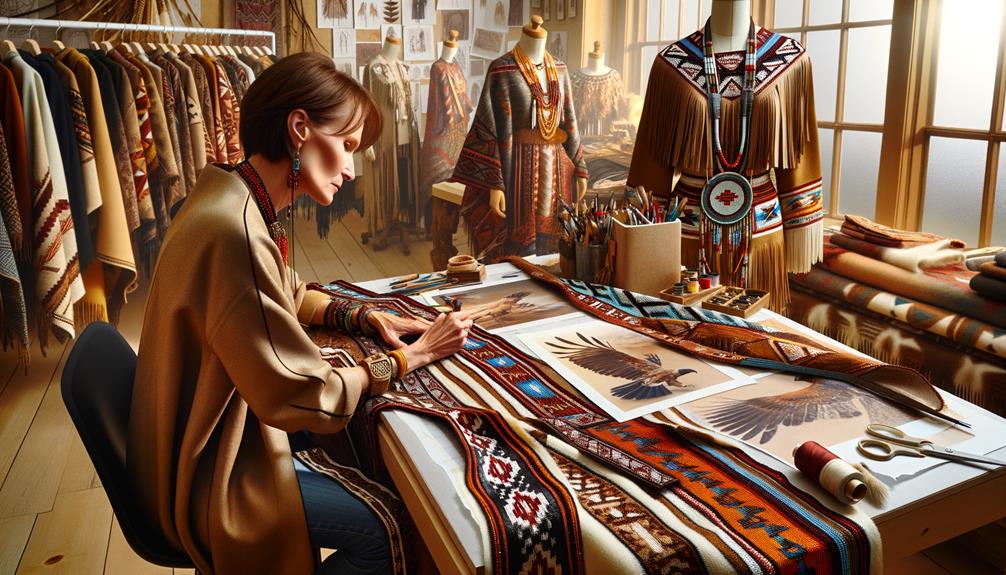
Prominent Indigenous designers merge traditional motifs with modern fashion, creating pieces that deeply resonate with both cultural heritage and contemporary aesthetics. Bethany Yellowtail‘s brand, B.Yellowtail, is a prime example. Her designs incorporate traditional Native American patterns and beadwork into modern silhouettes, making each piece a tribute to her Northern Cheyenne and Crow heritage.
Jamie Okuma, an artist from the Luiseno and Shoshone-Bannock tribes, mesmerizes with her intricate beadwork and contemporary designs. Her creations, often showcased in top museums, are art as well as fashion. Patricia Michaels, a Taos Pueblo designer and Project Runway finalist, brings her heritage to the forefront of high fashion. Her designs flow with organic lines and natural materials, echoing the landscapes of her ancestry.
Virgil Ortiz of the Cochiti Pueblo tribe takes a daring approach, fusing traditional pottery designs with futuristic fashion elements, resulting in avant-garde collections that challenge conventional norms. Jared Yazzie’s OXDX brand stands out with its bold graphics and empowering messages for Indigenous communities, reflecting his Navajo roots. These Native American designers are revolutionizing fashion while preserving their heritage.
Cultural Impact
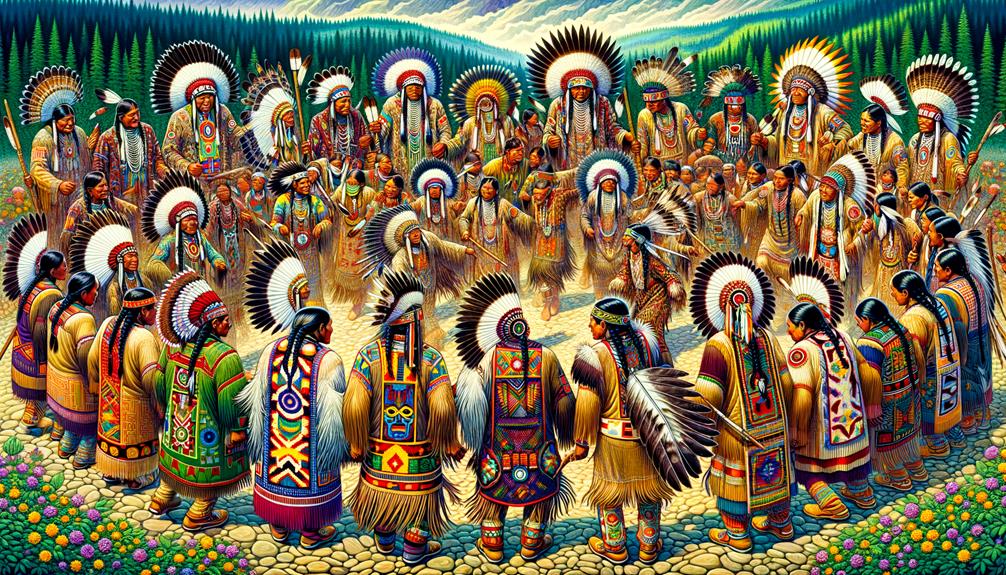
The cultural impact of Indigenous North American fashion is profound, serving as a vibrant affirmation of the enduring heritage and evolving identity of Native communities. This influence manifests in several powerful ways:
- Traditional Roots: Clothing crafted from natural materials like animal hides and feathers reveals deep cultural beliefs and tribal identities.
- Mainstream Inspiration: These designs have permeated mainstream fashion, inspiring global trends while maintaining their unique authenticity.
- Modern Fusion: Contemporary Native American designers skillfully blend traditional elements with modern styles, reclaiming cultural heritage and promoting sustainability.
- Legal Protection: The Indian Arts and Crafts Act of 1990 safeguards Native American designs, ensuring economic empowerment for indigenous artisans.
Indigenous fashion does not just preserve history; it actively shapes the future. Exhibitions and collaborations between Native designers and mainstream brands play a critical role in this dynamic. Recognizing Indigenous fashion in national shows and exhibitions further amplifies its cultural significance, ensuring that Native American traditional clothing and modern interpretations continue to inspire and innovate. This ongoing dialogue between past and present underscores the resilience and creativity of Native American communities, making their cultural contributions both timeless and forward-looking.
Frequently Asked Questions
What Did North American Natives Wear?
Native Americans wore practical clothing that also carried deep cultural significance. Their traditional garments, such as breechcloths, buffalo robes, and moccasins, were often intricately adorned with beadwork and quillwork. These adornments conveyed cultural beliefs, tribal identities, and spiritual symbolism, going beyond aesthetics.
What Is Native American Style Called?
Native American style is often referred to as Indigenous fashion, a vibrant blend of traditional and modern elements where each piece tells a story, honoring heritage while pushing boundaries in contemporary fashion.
What Type of Clothing Did Natives of the Northeast Wear?
In the Northeast, Native Americans wore a variety of clothing items, including breechcloths, tunics, leggings, and moccasins. Their attire is striking for the intricate quillwork and beadwork that adorned it, reflecting their cultural identity and creativity.
What Type of Clothes Did Northwest Native Americans Wear?
Northwest Native Americans wore garments made from natural materials like cedar bark, animal hides, and plant fibers. Their clothing featured intricate designs, including woven hats, capes, and tunics. They adorned their outfits with shell buttons, dentalium, and abalone, showcasing their rich cultural heritage.