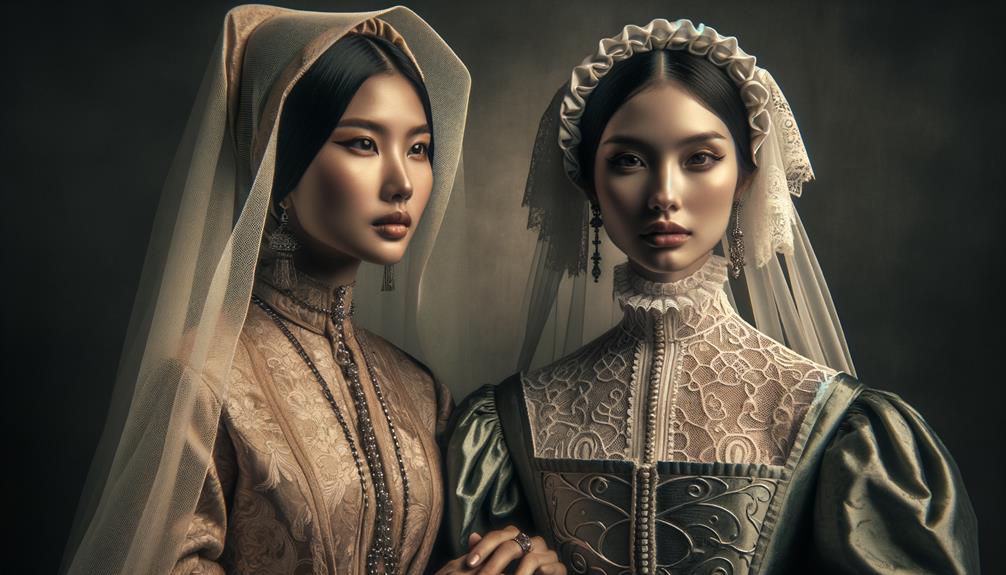
In the rich fabric of history, medieval embroidery stitches together stories of devotion, lineage, and skill. Artisans used techniques like split stitch and underside couching to weave silk into linen, creating tapestries that reflected the beliefs and social status of their creators. The intricate Tudor roses and geometric patterns carried deep symbolism, conveying the faith and values of the time. These ancient practices continue to influence modern embroidery, and they invite us to explore a shared cultural heritage.
Historical Significance
Embroidery in the medieval era was more than a craft. It was a reflection of social and religious values woven into everyday life. The skilled hands that crafted intricate designs with silk embroidery produced each stitch as a mark of devotion and artistry. It was not just for decoration. It was a way to tell stories, express faith, and showcase status.

Silk threads shimmering under candlelight transformed plain cloth into stunning works of art. Noblewomen in their grand estates guided the needle with deft fingers, crafting symbols of their lineage and faith. In the quiet sanctuaries of convents, nuns dedicated their lives to creating sacred vestments, each stitch a prayer woven into the fabric.
Male embroiderers, often depicted behind professional slate frames, dedicated years to mastering their craft in workshops. Their silk embroidery was about precision and skill that commanded respect. These artisans, both men and women, wove more than threads. They forged connections, binding their world together in a tapestry of shared beliefs and values, each piece reflecting the era’s intricate dance between social and religious life.
Common Techniques
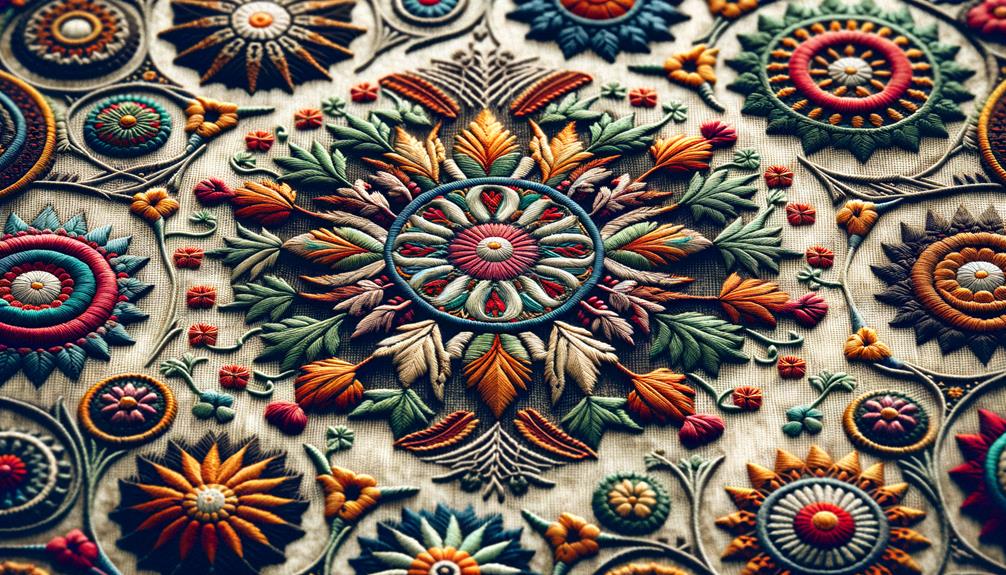
The artistry behind techniques like split stitch and underside couching is striking. Each method is a delicate dance of needle and thread that brings history to life. In medieval embroidery, split stitch stands out as a meticulous craft. The needle moves through the fabric, precision-guided to pierce through the previous stitch, transforming simple threads into lifelike images. This technique’s repetitive nature forms a textured tapestry, echoing the artisans’ devotion to their craft.
Underside couching, another cornerstone of medieval embroidery, reveals a different kind of magic. Here, threads are laid on the fabric’s underside, secured in place by another thread. This method ensures durability and adds a subtle dimensionality to the design, a hidden complexity that speaks to the ingenuity of medieval embroiderers. The choice between split stitch and underside couching was not arbitrary. It depended on the intricacy and intended effect of the design. These ancient techniques continue to inspire a modern audience, reminding us that innovation often arises from understanding and reinterpreting the past. The legacy of medieval embroidery continues to captivate, weaving its spell across the centuries.
Popular Patterns
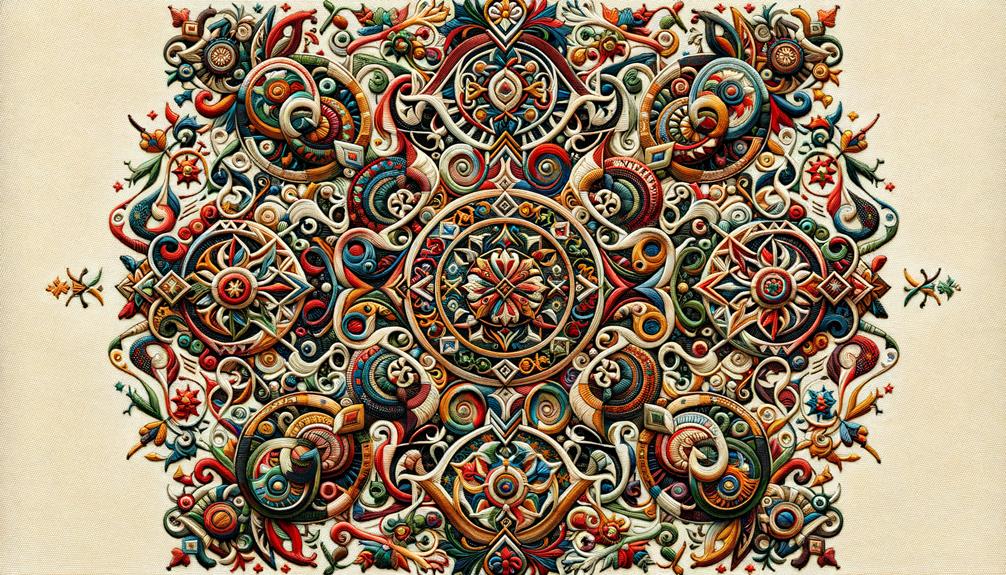
The intricate beauty of medieval embroidery reveals the era’s artistic ingenuity through popular patterns like floral motifs and geometric designs. Each stitch, meticulously crafted, speaks to the dedication and talent that characterized women’s work during this period.
Floral motifs, particularly roses and carnations, embody nature’s elegance. Tudor roses, often embroidered on linen, symbolize the intertwining of history and art. Geometric designs, such as sprig patterns and pea pods, add a rhythmic symmetry, showcasing the era’s appreciation for balance and precision. The diagonal embroidery patterns, with their intricate details, display a level of skill and creativity that continues to inspire modern innovation in textile arts.
Some popular patterns include:
| Pattern | Motif | Significance |
|---|---|---|
| Floral | Roses | Symbol of beauty and history |
| Floral | Carnations | Elegance and natural beauty |
| Geometric | Sprig patterns | Rhythmic symmetry and balance |
| Geometric | Pea pods | Precision and detailed artistry |
Women’s work in medieval embroidery was not just a craft. It was a powerful form of storytelling and cultural preservation, intricately woven into the fabric of history. Each pattern reflects the era’s artistic ingenuity, continuing to resonate through time.
Materials and Tools
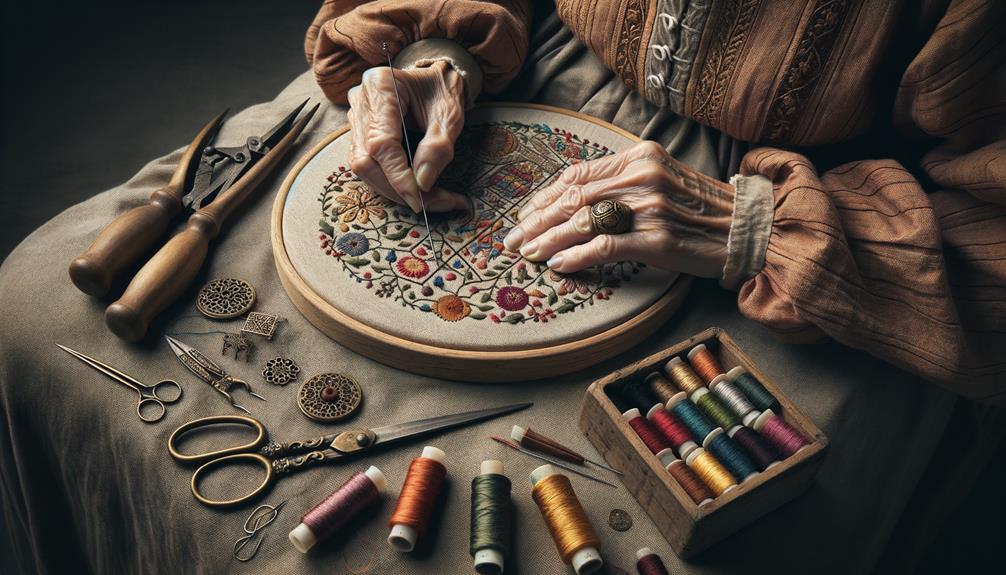
A medieval workshop held an array of materials and tools that transform simple fabric into breathtaking works of art. The foundation of this art form is linen fabric, chosen for its durability and fine weave. Delicate silk threads, their vibrant colors promising to bring intricate designs to life, sit at the heart of the work. Wool yarn, too, finds its place, lending warmth and texture to the creations.
The tools, humble yet essential, tell their own story. Needles, whether crafted from bone or metal, guide each thread with precision. The wooden embroidery frames stand as steadfast companions, stretching the fabric taut to ensure every stitch is perfect. And then, there is the shimmer of gold and silver metal threads, weaving luxury and grandeur into each piece.
- Linen fabric: durable, fine weave foundation
- Silk threads: vibrant, life-giving colors
- Needles: bone or metal, guiding precision
Watching the artisans at work, one is drawn into the intricate dance of split stitch and underside couching, techniques that have withstood the test of time. The Middle Ages may be long past, yet their legacy in embroidery remains a vivid tapestry of innovation and artistry.
Influence on Modern Embroidery
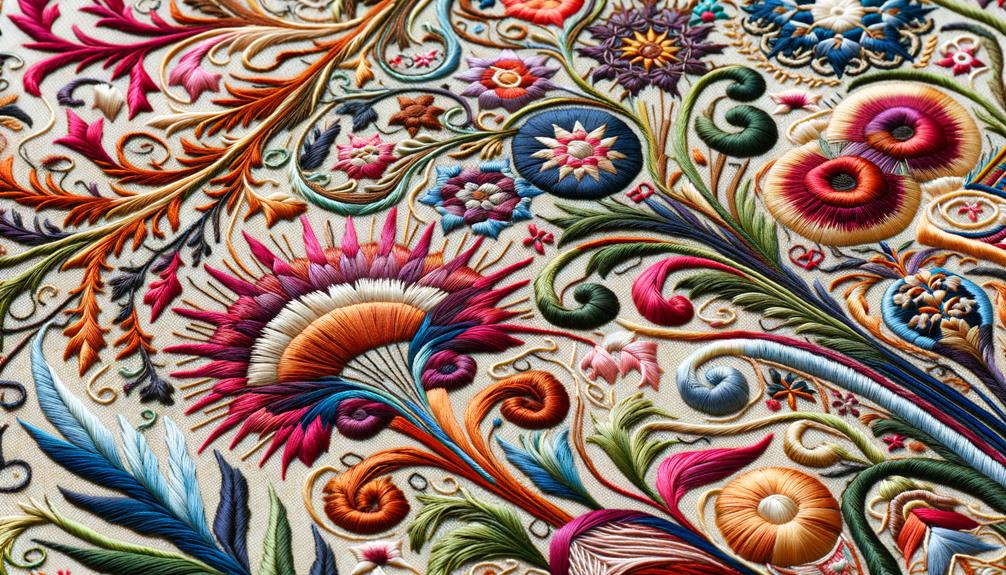
The legacy of medieval embroidery continues to inspire modern stitchers, infusing contemporary designs with a timeless elegance and meticulous craftsmanship. Techniques like split stitch and underside couching have stood the test of time, creating a connection between the past and present. There is a profound poetry in seeing these age-old methods reimagined on a modern canvas, each stitch whispering tales of history.
Modern embroiderers draw endless inspiration from the meticulous artistry of medieval artisans. Their dedication to detail and precision resonates deeply, shaping how historical patterns are studied and adapted. Recreating and refining those intricate patterns and designs allows them to flourish anew.
Linen fabric and delicate floral motifs, staples of medieval embroidery, continue to captivate modern stitchers. There is a certain magic in using these materials and motifs, a connection to the artisans who came before. In our fast-paced world, the patience and care required for such work offer a meditative escape.
Historical pieces serve as both muse and mentor, guiding the needle and inspiring innovation. Through medieval embroidery, the craft becomes a timeless dialogue between artisans across the ages.
Frequently Asked Questions
What Is Medieval Embroidery Called?
Medieval embroidery varies by region and period; one celebrated English form is Opus Anglicanum, a fine goldwork style of the late 12th to mid-14th century. It is a masterful interplay of threads, paying tribute to an era’s innovative craftsmanship and profound beauty.
What Is the Oldest Embroidery Stitch?
The chain stitch, dating back to 3000 BC, remains a timeless and elegant embroidery technique. Its enduring appeal in textile art shows the power of innovative design.
What Are the Traditional Viking Embroidery Stitches?
Traditional Viking embroidery stitches include the chain, running, stem, and satin stitches. The Vikings’ use of earthy-toned wool and linen threads brought a sense of vibrancy to geometric, animal, and knotwork designs, showcasing remarkable craftsmanship.
What Is the Most Famous Embroidery of the Middle Ages?
The Bayeux Tapestry stands out as the most iconic embroidery of the Middle Ages. Its intricate, vivid scenes of Norman conquests and medieval life reveal a world where stories are stitched with unparalleled artistry.