
Fashion Icons and How They Are Identified
Kate Moss 1990s Supermodel
The 1990s saw Kate Moss revolutionize modeling with her iconic...
Read MoreRihanna Cutting Edge Style
Rihanna's style is a masterclass in blending glamour with daring...
Read MoreMadonna Controversial Fashion Provocateur

Madonna, the ultimate fashion provocateur, has always pushed boundaries with...
Read MoreAnna Wintour Influential Editor

Anna Wintour's impact on fashion journalism is undeniable. Growing up...
Read MoreCher Daring Fashion Chameleon
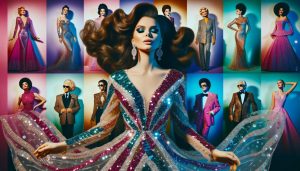
Cher's fearless fashion sense makes her a true style icon....
Read MoreJean Paul Gaultier Unconventional Designer

Jean Paul Gaultier's career is a varied record of rebellion...
Read MoreDiana Ross Motown Style

Diana Ross's Motown style exuded elegance and flair, defining an...
Read MoreVivienne Westwood Punk Pioneer

Vivienne Westwood was a true punk pioneer, defying convention with...
Read MoreWhat This Section Covers

Personalized Styling Guidance
Wardrobe Refresh
Customized Fashion Content
Fashion Inspiration Sessions
How Influence Is Measured
How Articles Are Researched
Sources and Scope
Claims about influence are tied to contemporary evidence, including trade records, press coverage, and dated photographs, rather than to reputation alone. Where a later account conflicts with what was written at the time, both are given. Coverage runs from the nineteenth century to the present, with the most detail on periods where documentation is extensive.
Dating and Attribution
Attribution is the difficult part. Many designs were copied, adapted, or sold under several names, and archive records do not always identify who cut a particular garment. Articles state what the evidence supports and say plainly when the designer of a piece is unknown.
Subject Coverage
Designers are described by period, by the part of the industry they worked in, and by the techniques that distinguish them, so that each figure can be placed in the trade they actually worked in rather than in a general idea of fashion.
Related Sections of the Site
Each topic page cross-links to adjacent periods and to the broader conservation and costume sections, so a reader following one designer can continue into the period around them without starting over.
Access From Anywhere
The articles are published as plain web pages with no login and no paywall, and they can be read on a phone, a library computer, or a desktop. Nothing on the site is downloadable-only.
Common questions on fashion icons: how influence is measured, how designs are attributed to a named designer, and how contemporary criticism compares with later reputation. These are answered in the linked articles rather than collected on this page.
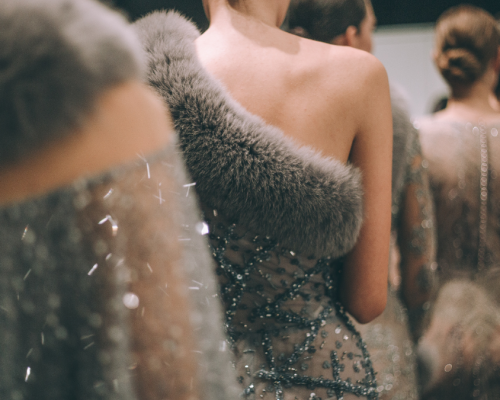
A fashion icon is more than just someone with a keen eye for style; they represent a cultural phenomenon. They possess a magnetic allure that transcends mere trends, shaping the way people perceive and engage with fashion. Fashion icons exude a sense of confidence and individuality in their sartorial choices, setting them apart as trailblazers in the world of style. Their influence extends beyond the runway, permeating into everyday wardrobes and inspiring countless individuals to embrace their unique fashion journeys.
Incorporating elements of fashion icons into your wardrobe is about more than simply copying their outfits—it’s about understanding the essence of their style and infusing it with your own personality. Study their signature looks, paying attention to details such as silhouettes, fabrics, and accessorizing techniques. Then, adapt these elements to suit your individual taste and lifestyle. By experimenting with different combinations and adding your personal flair, you can create a wardrobe that pays homage to fashion icons while remaining uniquely yours.
Timeless fashion icons are those whose influence transcends generations, leaving an indelible mark on the fashion landscape. Audrey Hepburn captivated audiences with her understated elegance, while Coco Chanel revolutionized women’s fashion with her timeless designs. Grace Kelly epitomized glamour and sophistication both on and off-screen, and Marilyn Monroe’s bombshell style continues to captivate audiences worldwide. These icons, among others, have left an enduring legacy that continues to shape the way we perceive and engage with fashion today.
The timelessness of a fashion icon’s style lies in its ability to defy the ephemeral nature of trends and resonate across generations. Their signature looks are characterized by a perfect balance of classic elegance and forward-thinking innovation, ensuring their relevance in any era. Whether it’s Audrey Hepburn’s little black dress, Coco Chanel’s tweed suits, or Grace Kelly’s refined ensembles, these iconic styles remain as relevant today as they were decades ago. By prioritizing quality, versatility, and self-expression, fashion icons create looks that stand the test of time.
Cultivating your own fashion icon status requires a combination of self-awareness, experimentation, and confidence. Start by defining your personal style aesthetic and identifying what sets you apart from the crowd. Experiment with different looks, trends, and accessories to discover what resonates most with your personality and lifestyle. Embrace authenticity in your fashion choices, staying true to yourself while pushing the boundaries of your comfort zone. Remember that true style isn’t about following the crowd—it’s about confidently expressing who you are through your clothing choices.
About This Page
This page collects reference material on fashion icons: how influence is measured, how designs are dated and attributed, and how reputation at the time compares with the judgment made later. Articles draw on trade records, contemporary press, and dated photographs, and note where attribution is uncertain.
Further reading is linked from the sections above. Questions and corrections can be sent through the contact page.