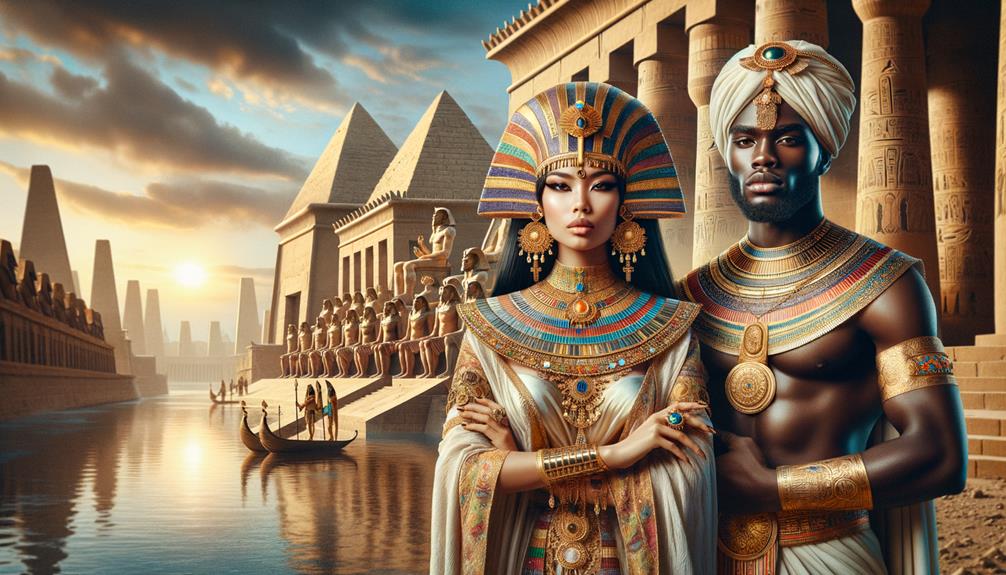
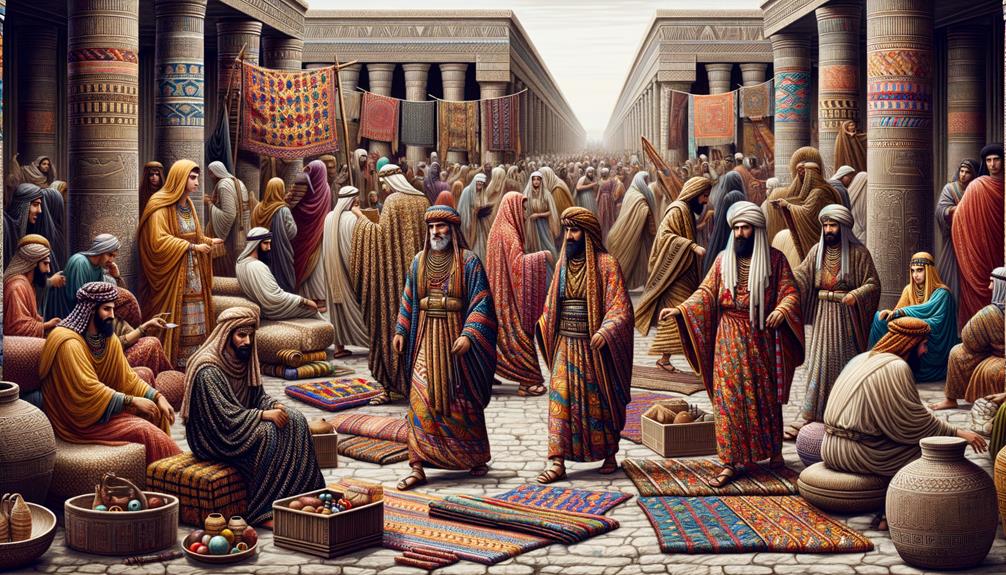
Ancient Egyptian makeup traditions held a certain mystique, going beyond mere vanity to serve as a shield against the unknown. The meticulous application of kohl around the eyes was in effect crafting windows to their souls, protecting and revealing in equal measure. Malachite and red ochre were fragments of the earth, infused with divine essence, rather than mere pigments. These beauty rituals were a dialogue with the gods, a sacred preparation for eternity, and each delicate brushstroke carried its own story.
Symbolism and Spirituality
In ancient Egypt, makeup went beyond looking good; it was a spiritual shield against evil forces. The green eye makeup, known as malachite, was believed to protect the wearer from evil spirits. This daily ritual was deeply symbolic, intertwining beauty with spirituality, rather than simply about vanity.
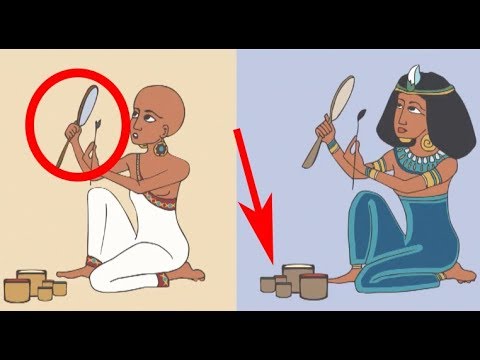
The social status of individuals was reflected in their makeup styles. The more elaborate the application, the higher the status. Each stroke of kohl told a story of power and privilege. Makeup tools and containers, adorned with symbols of transformation and the afterlife, were sacred instruments in a ritualistic practice.
In religious rituals and burial practices, makeup held spiritual significance that has left a lasting legacy. The ancient Egyptians saw beauty as a divine attribute, a way to honor the gods and prepare the soul for the afterlife. This timeless connection between makeup and spirituality continues to influence modern beauty standards, showing that a quest for beauty is also a search for meaning. The blend of symbolism and social dynamics in ancient Egypt remains compelling.
Key Ingredients
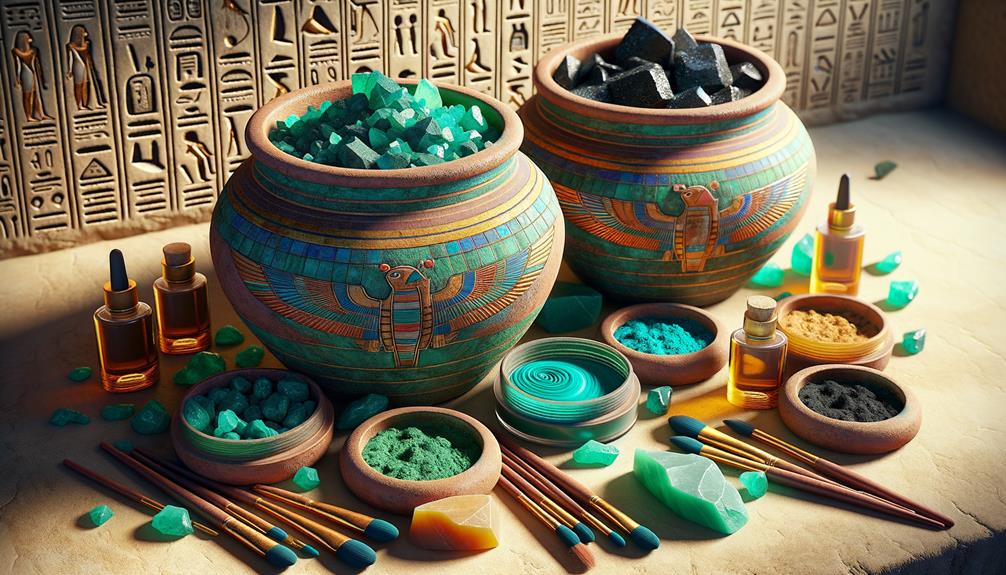
The key ingredients of ancient Egyptian makeup reveal a blend of minerals and natural elements that transformed mere powders into sacred cosmetics. The Ancient Egyptians carefully selected each ingredient for its unique properties. Malachite, with its vibrant green crystals, added a striking hue to eye makeup. Kohl, the ubiquitous black eyeliner, was crafted from crushed minerals like antimony, offering antibacterial protection alongside its cosmetic appeal.
Red ochre, infused with the essence of the earth, brought a deep, rich color to lips and cheeks, subtly indicating social standing. Henna, derived from the plant Lawsonia inermis, stained nails and skin, its deep red marks symbolizing beauty and status.
| Ingredient | Purpose | Properties |
|---|---|---|
| Malachite | Eye Makeup | Green hue, protective qualities |
| Kohl | Eye Lining | Black color, antibacterial |
| Red Ochre | Lip and Cheek Color | Earthy red shades, social indicator |
| Henna | Nail and Skin Stain | Deep red color, temporary tattoos |
In ancient Egypt, these ingredients wove together art, health, and identity, revealing that cosmetics were more than just adornment.
Eye Makeup Techniques
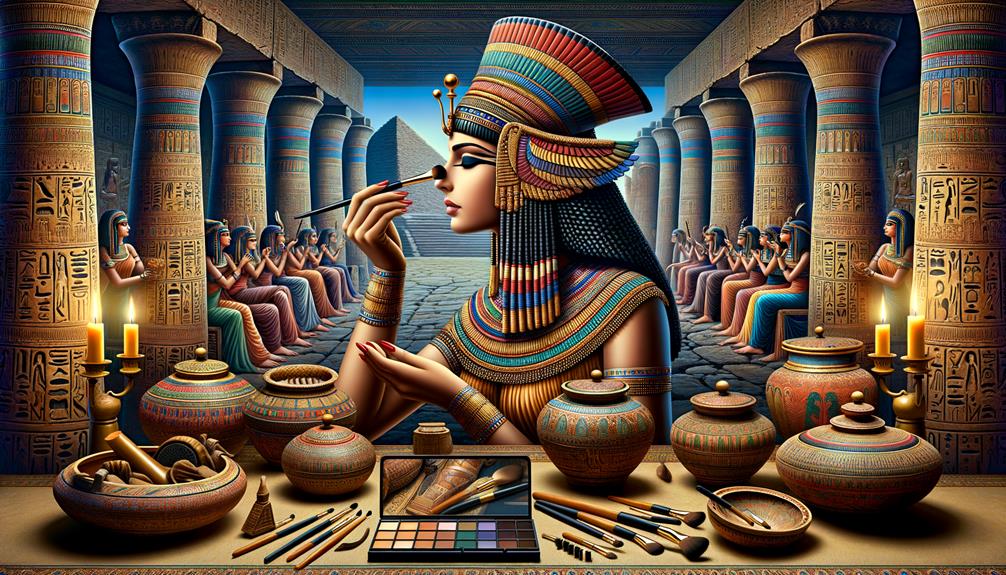
The meticulous techniques of ancient Egyptian cosmetics transformed pigments into iconic, mesmerizing patterns around the eyes. The Ancient Egyptians, masters of both art and symbolism, employed galena and malachite powders to craft their eye makeup. They used these richly pigmented powders in hues of deep black and vibrant green, drawing bold lines that framed their eyes with precision.
Their tools were varied, each designed to apply the pigments with skill. Ivory, wood, and metal sticks served as their brushes, transforming simple powders into striking lines that beautified and also conveyed status and spirituality. Green eye makeup, in particular, held protective significance, believed to ward off evil spirits and even promote eye health.
The act of adorning one’s eyes was a cultural tradition shared by both men and women, acknowledging the significance of cosmetics in their daily lives. Eye makeup, for the Ancient Egyptians, was a form of artistic expression that communicated through the artistry of their tools and the symbolism of their hues, rather than mere decoration.
Lip and Cheek Enhancements
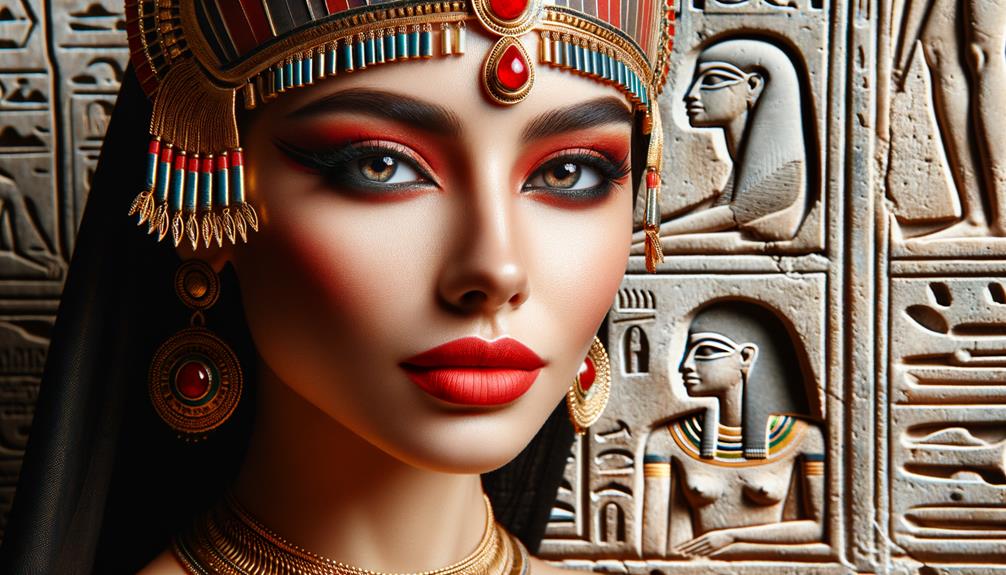
Ancient Egyptian beauty practices made creative use of red ochre on their lips and cheeks. Skilled artisans mixed this natural pigment with water to create a vibrant palette that conveyed beauty, status, and deeper symbolic meanings. With each brush stroke, they performed a ritual that blended aesthetics with profound significance, rather than simply applying cosmetics.
Natural Pigment Sources
Red ochre emerged as a treasured natural pigment in ancient Egyptian beauty rituals, transforming lips and cheeks into canvases of earthy splendor. These pigments, ranging from deep reds to warm oranges and even magenta hues, were meticulously sourced from the earth, reflecting the Egyptians’ profound connection to their environment.
The allure of red ochre lay in its symbolism as much as its vibrant color. Lip color and cheek enhancements were an intimate engagement with nature’s palette, going beyond mere cosmetics. By mixing red ochre with water, ancient Egyptians created a paste that graced their faces, enhancing beauty and also protecting and signifying status and spirituality. This ritualistic application reflected society’s ideals, where vibrant colors held significant meanings.
| Pigment | Shade Range | Symbolism |
|---|---|---|
| Red Ochre | Red to Magenta | Energy, Passion |
| Orange Ochre | Warm Orange | Warmth, Vigor |
| Blue-Black Ochre | Deep Blue-Black | Mystery, Depth |
In crafting their lip and cheek enhancements, they painted their stories, dreams, and beliefs, embedding them in every hue. The natural pigments were the essence of their world, a celebration of life, and an artistic expression of identity, rather than mere colors.
Application Techniques
Applying red ochre paste to the lips and cheeks was a sacred ritual, each stroke a deliberate connection to ancient Egypt’s elegance and spiritual essence. Egyptians mixed red ochre with water to create a palette of colors ranging from deep magentas to mystical blue-blacks.
The process went beyond appearance; it was a tactile journey. The ancient containers and applicators, crafted with care, held precious pigments. Applying red ochre paste to the cheeks was both cosmetic and protective, mirroring ancient traditions. Egyptians’ daily grooming routines were meticulous, with face masks and enhancements reflecting an intimate bond with beauty and status.
Mixing minerals with oils on a makeup palette echoes history. Each brushstroke pays tribute to the sophistication and innovation of a civilization that revered beauty. This simple yet profound act bridges millennia, showing that the quest for elegance and spiritual connection through makeup is timeless.
Symbolic Meanings
Lip and cheek enhancements reveal layers of symbolism that show the ancient Egyptians’ profound connection to beauty and social identity. Red lipstick, crafted from red ochre mixed with oils or animal fats, was a declaration of one’s social standing rather than just a cosmetic touch. The vibrant hues of red ochre on the cheeks, blended with water to evoke a natural flush, mirrored the vibrancy of life itself, captured in the timeless strokes of Egyptian Art.
In these beauty rituals, the Egyptians found both protection and allure. Applying red ochre was a meticulous, ritualistic process that transcended mere aesthetics. Each stroke of red on the lips and cheeks was an expression of the wearer’s spirit, status, and identity rather than simple makeup. In essence, it was a connection to the divine, a nod to the gods who painted the skies and sands.
Through these enhancements, beauty became deeply embedded in cultural significance. The ancient Egyptians’ devotion to such rituals underscores their appreciation for the visual and symbolic power of color, creating a legacy that still resonates today.
Beauty Rituals
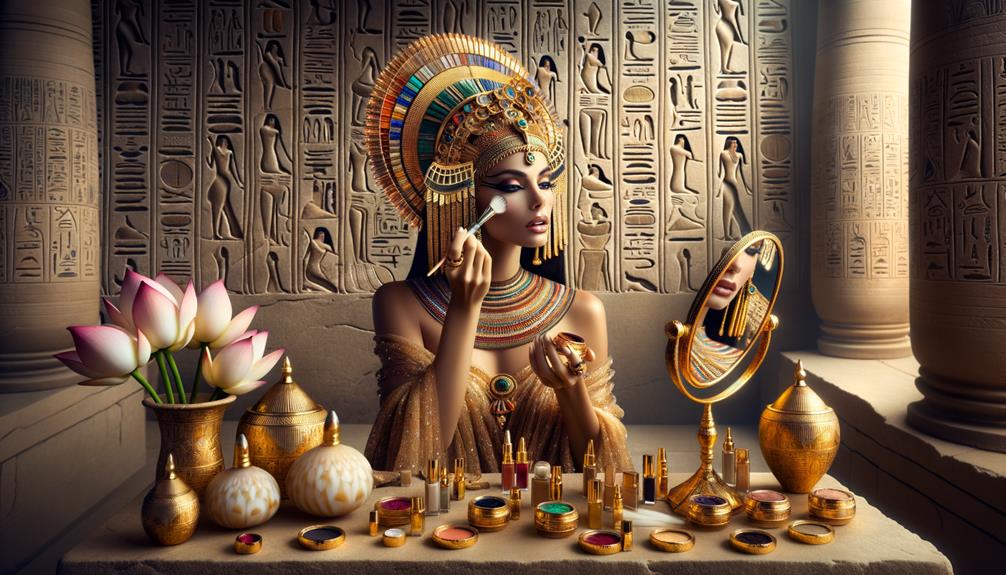
Ancient Egyptian beauty rituals turned daily routines into sacred acts. In the morning, they adorned their faces with symbolic colors, their makeup tools featuring motifs that represented rebirth and fertility. The profound beauty lay in how they blended the practical with the spiritual, creating a sense of reverence that resonated deeply.
Sacred Beauty Ingredients
In ancient rituals, sacred beauty ingredients like myrrh, thyme, lavender, and rosemary transformed daily routines into acts of reverence and rejuvenation. The Egyptians harnessed these precious botanicals, infusing their cosmetics and perfumes with nature’s essence. These ingredients were believed to offer protection and vitality, their scents weaving an invisible shield around the wearer, rather than serving only for adornment.
| Ingredient | Purpose |
|---|---|
| Myrrh | Anti-inflammatory |
| Thyme | Antiseptic |
| Lavender | Calming |
| Rosemary | Invigorating |
The meticulous hands blending these elements created a fusion of scent and substance, a symphony for the senses. Myrrh, with its warm, resinous notes, served as an anti-inflammatory. Thyme, potent and earthy, was antiseptic. Lavender’s soft, floral aroma calmed the soul, while rosemary’s invigorating essence awakened the spirit.
The legacy of these sacred beauty ingredients endures, whispering through time into our modern rituals. Today, as we seek innovation in our beauty routines, we echo the wisdom of the Ancient Egyptians, cherishing the natural elixirs that once adorned their world.
Daily Makeup Practices
Ancient Egyptians enveloped in the sacred aromas of myrrh and lavender moved with equal dedication to their daily makeup practices, where beauty and spirituality intertwined in each brushstroke and application. Elite Egyptian women began their day with meticulous rituals. Exfoliation with natural scrubs, hydrating masks to nourish the skin, and hair removal using honey and sugar were acts of devotion, not mere acts of vanity.
Every morning, the art of makeup unfolded. Eyeshadow, often made from crushed malachite, adorned the eyelids, while red ochre transformed lips into vivid symbols of vitality. Kohl, meticulously applied, accentuated the eyes, serving both aesthetic and protective purposes. Men also embraced these practices, their eyes lined with kohl to shield them from the harsh desert sun and malevolent spirits.
Makeup tools and containers, adorned with symbols of rejuvenation and fertility, were akin to sacred artifacts. They reflected a culture where daily life and divine essence were inseparable. In the hands of the Egyptians, makeup was a beautiful blend of artistry, symbolism, and practical wisdom, going beyond simple appearance.
Symbolic Face Paint
Ancient Egyptians carefully painted their faces with meaningful hues, each stroke a deliberate act to ward off evil and invite divine favor. In Ancient Egypt, makeup rituals blended earthly beauty with spiritual protection. Kohl, with its deep, black intensity, was applied around the eyes as a shield against the evil eye, a malevolent gaze believed to cause misfortune, and not just for beauty.
Malachite, a vibrant green mineral, adorned their lids, symbolizing rebirth and vitality. Red ochre, with its rich, earthy tones, was smeared on cheeks, representing life and blood, connecting the wearer to the essence of their being. These colors were chosen carefully; each held profound significance, transforming the face into a canvas of sacred symbols.
The intricate patterns of Egyptian face paint conveyed a language that reached beyond social status; they were a dialogue with the divine. Each design, from the delicate lines extending from the eyes to the bold, sweeping strokes on the forehead, reflected personal beliefs and spiritual aspirations. Through these rituals, ancient Egyptians manifested their inner light and spiritual purity as well as enhancing their physical appearance, creating a legacy that transcends time.
Legacy and Influence
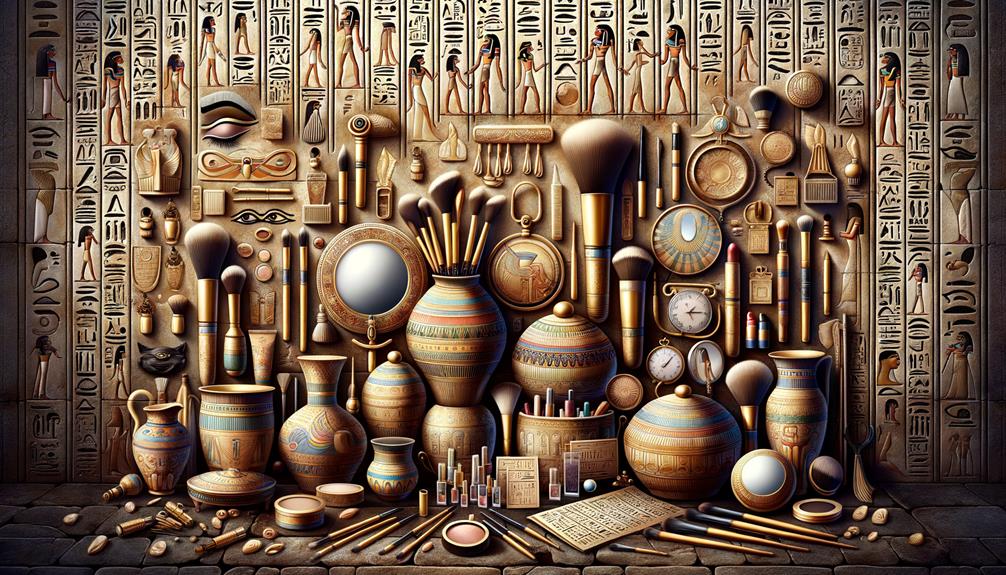
The timeless allure of ancient Egyptian makeup continues to captivate modern beauty enthusiasts, inviting us to explore its elegant simplicity. Ancient techniques have inspired contemporary beauty innovators in lasting ways. Kohl, once used by ancient women to create iconic cat eyes, is now a staple in makeup bags worldwide.
Museums hold artifacts that reveal the intricacies of ancient beauty rituals, telling stories of aesthetics, protection, and divine allure. These relics, preserved for millennia, continue to spark curiosity and inspiration. The cat eye, steeped in symbolism, remains a bold statement in modern makeup, showing the enduring influence of ancient Egyptian traditions.
| Ancient Practice | Modern Influence | Symbolism |
|---|---|---|
| Kohl for eyes | Eyeliner and kohl | Protection and allure |
| Cat eye design | Contemporary cat eye | Power and mystery |
| Beauty artifacts | Museum exhibits | Historical fascination |
The legacy of Egyptian makeup is a bridge connecting us to a rich past, whispering secrets of beauty and resilience into our present and future, rather than being mere tradition.
Frequently Asked Questions
What Was Traditional Ancient Egyptian Makeup?
Traditional Egyptian makeup was a masterpiece of ancient art. Kohl eyeliner framed eyes like a desert landscape, while red ochre brought warmth to lips and cheeks, evoking the vibrant hues of sunset. The tools used were more than simple brushes; they told stories of the society that wielded them.
How Did Ancient Egyptians Prepare Their Faces for Makeup?
Preparing the face for makeup in ancient Egypt was a luxurious ritual. It began with a gentle exfoliant of natron or fine sand, sometimes combined with olive oil, to smooth the skin. Next came a soak in a warm bath infused with milk and honey to soften and moisturize. A honey-sugar wax removed any unwanted hair, leaving the skin silky smooth. Finally, fragrant oils like lavender or chamomile were applied to calm and balance the skin, creating the perfect canvas for the art of makeup application.
What Were the Beauty Standards in Ancient Egypt?
Ancient Egyptian beauty standards were all about perfection. To be considered elegant, one needed smooth, youthful skin, vibrant lips, and expressive eyes. A hairless body and henna-stained nails were signs of status and sophistication.
What Was the Egyptian Beauty Routine?
The Egyptian beauty routine drew on natural wonders. Malachite’s vibrant green and kohl’s deep allure adorned the face, while red ochre added a passionate touch. Ivory tools and henna-stained nails completed the look, reflecting the wearer’s status.