A sarong carries a rich cultural heritage with it. The intricate batik designs recall the traditions of the Malay world. This cloth is more than a piece of fabric. It is a journey through time, worn across the Arabian Peninsula, India, and beyond. The sarong’s versatility, from a humble skirt to a vibrant headscarf, speaks to a storied and vibrant past. The patterns, whether geometric, floral, or featuring the majestic peacock, convey a sense of spiritual and artistic depth. Preserving its delicate hues requires gentle washing, which keeps the cloth connected to its roots.
History of the Sarong
The sarong’s history is woven with cultural significance and evolving traditions across Southeast Asia and beyond. Its origins in Malay culture show a striking versatility. This simple wrap, known as ‘kain sarung‘ or ‘kamben‘ in Indonesia, functions as a symbol, a tradition, and a way of life. In Southeast Asia, the sarong’s intricate designs, often featuring woven checkered motifs, tell stories of heritage and identity.

Different regions have embraced and adapted the sarong, each infusing it with unique cultural meanings. From the Arabian Peninsula to the Indian Subcontinent and the Horn of Africa, the sarong changes but never loses its essence. This traditional garment crosses boundaries, resonating with many cultures while maintaining its core identity.
In Western culture, the sarong’s allure has been romanticized, popularized by Hollywood stars like Dorothy Lamour. This Western fascination, while sometimes superficial, highlights the sarong’s enduring appeal. Its history is a record of cultural exchange and evolution. The sarong, in its timeless elegance, continues to be wrapped and worn in its traditional way.
Types of Sarongs
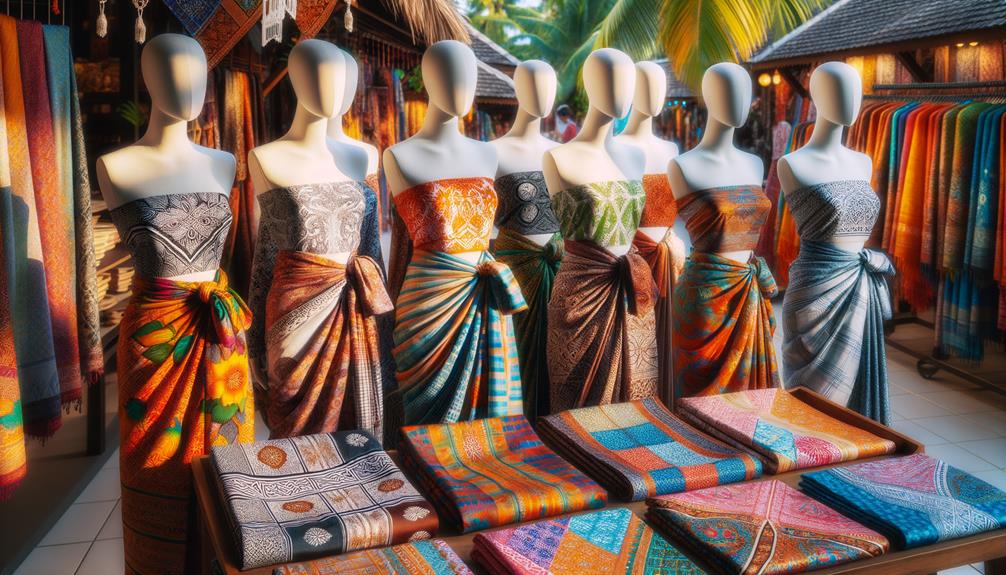
Sarongs come in diverse forms and serve different functions. Each one tells a unique story through its fabric and print. Traditional Thai sarongs, often made of rich cotton, showcase intricate block prints that reflect the region’s deep cultural heritage. Their patterns, whether abstract florals or geometric designs, speak of artisans who have perfected their craft over generations.
Indian sarongs, by contrast, feature vibrant colors and peacock bird patterns woven into cotton or silk fabrics. These sarongs are not just attire but a canvas for artistic expression. Indonesian printed sarongs, adorned with batik designs, offer another layer of cultural significance, with each motif carefully chosen to reflect local traditions.
The sarong’s versatility shows at the beach, where lighter fabrics like rayon come into play. These beach sarongs, with their breezy prints, offer casual elegance for a summer day. Whether used as a beach cover-up or a piece for meditation, the sarong remains a versatile symbol of Southeast Asian heritage, bridging traditional and contemporary use.
How to Wear a Sarong

The elegance of wearing a sarong lies in its simplicity. This quintessential Southeast Asian garment offers a multitude of styling options, making it a versatile piece of wearable art. As a beach cover-up, the lightweight fabric drapes easily, providing both comfort and style.
To create a classic skirt, fold the sarong diagonally and wrap it around the waist, securing it with a knot or pin. The simplicity of this method is part of its appeal. Different folding techniques can transform it into a halter dress, tying it around the neck and back for a polished yet relaxed look.
Experimenting is the key to the sarong’s range. Side knots, twists, and drapes allow for many individual styles, and the cloth can also be worn as a headscarf, showing its multifunctional nature. Each method reveals a different facet of the sarong, making it a true canvas for self-expression. At its core, the sarong blends tradition with innovation, showing that a single piece of fabric can encompass endless possibilities.
Popular Sarong Patterns
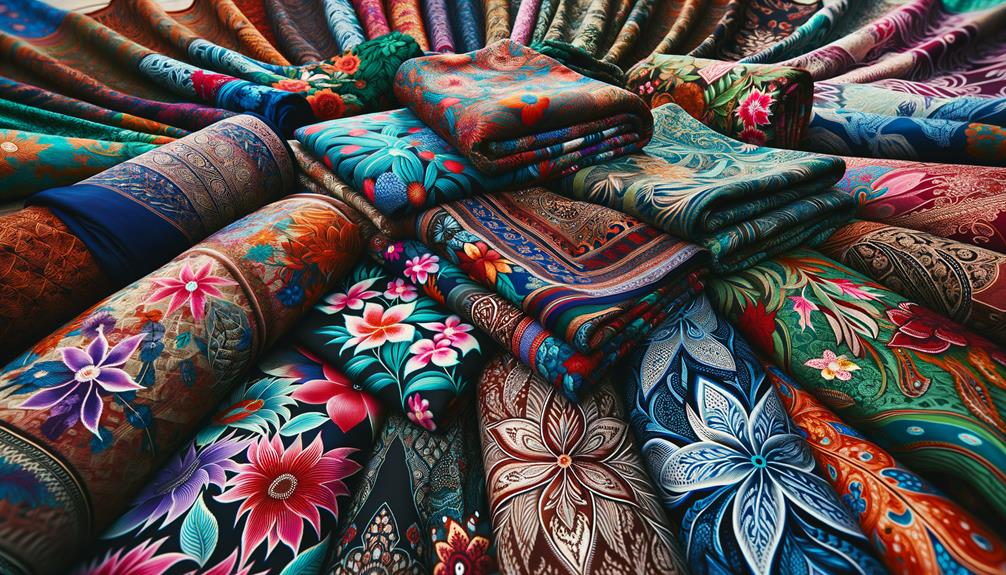
Patterns on sarongs often evoke cultural richness and nuanced storytelling, with each design a tribute to the artistry and heritage of Southeast Asia. Traditional batik is a masterclass in complexity and beauty, with its intricate hand block prints. Each stroke carries cultural significance, mirroring tales of nature and spirituality.
The elegant lotus flower motif, often featured in floral patterns, symbolizes purity and spiritual awakening, raising the sarong from a simple garment to a canvas of deeper significance. Geometric patterns, with their precise lines and shapes, reflect a different kind of beauty, one rooted in symmetry and balance.
The majestic peacock design bursts with vibrant colors like red, blue, green, and gold. It is visually striking and symbolizes grace and beauty. These patterns, whether abstract floral motifs or intricate designs, showcase the artistic traditions and craftsmanship of the region. Each sarong becomes a versatile piece of art, representing Southeast Asia’s enduring legacy of creativity.
Sarong Care Tips
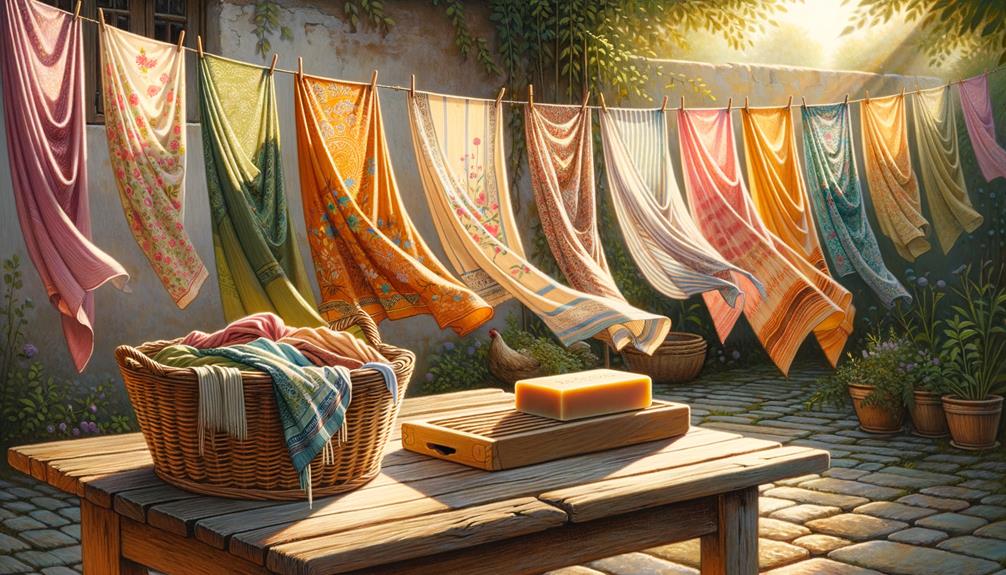
Caring for a sarong means handling it with care to preserve its vibrant colors and intricate patterns.
Washing and Drying Techniques
When washing, use cold water to prevent color fading and shrinkage, keeping the fabric looking fresh and fitting as it should. Harsh chemicals and bleach can strip the dyes and the character of the garment, so gentle detergents are the better choice.
After washing, hang the sarong in the shade to dry, avoiding direct sunlight that can fade the colors and weaken the fibers. This slower drying method protects the fabric and preserves its craftsmanship. If the fabric care instructions allow, iron lightly on a low heat setting, smoothing out wrinkles without causing damage.
Each step, from washing to drying, preserves the material and the traditions woven into every thread. Through these careful practices, the sarong remains a lasting piece of art.
Storage and Maintenance Tips
A Block Printed Cotton Sarong, crafted from hand block printed soft cotton cloth, needs thoughtful care to preserve its vibrancy. Gentle hand washing or a machine’s delicate cycle keeps the colors and fabric quality intact. Harsh detergents or bleach can strip the garment of its character.
For drying, avoid direct sunlight, which can fade the intricate patterns, and hang the sarong in the shade instead. For storage, fold or gently roll it to prevent creases and preserve its fluid lines. A low-heat iron or steamer removes stubborn wrinkles without causing damage.
These care tips are a way of honoring the craftsmanship of each sarong. Whether it is a Sarong Pareo or a versatile Wrap Skirt, these practices ensure longevity. These textiles hold timeless elegance, each piece a canvas of tradition and creativity.
Where to Buy Sarongs
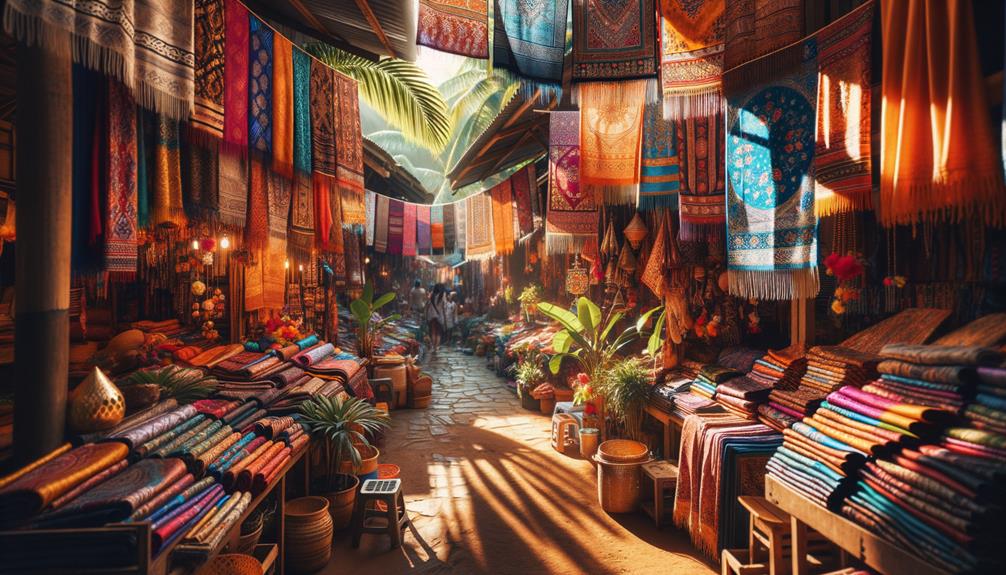
Online marketplaces offer a wide range of options, with sellers offering beautifully crafted Thai fabrics and ready-to-wear traditional pieces. The patterns of Lao sarongs, with their rich history woven into each thread, are striking. The cotton block prints suit summer beach cover-ups, and the mandala prints add a touch of whimsy to any outfit.
Collections of batik sarongs offer a vibrant splash of color, working with both modern and traditional attire. For those seeking a personalized touch, there is an assortment of accessories like custom name necklaces and personalized jewelry that enhance the Southeast Asian wrap.
Detailed listings, complete with descriptions and pricing, make it easier to find the right piece, whether a more modest price or a higher-end one. Each sarong tells its own story, and these digital marketplaces connect buyers directly with the artisans who make these creations.
Frequently Asked Questions
What Is the Wrap Worn in Southeast Asia?
The wrap worn in Southeast Asia is called a sarong. It is a symbol of cultural fusion, blending tradition and innovation in a way that transcends time and geography.
Why Do Some People in Southeast Asia Wear Sarongs?
Wearing sarongs in Southeast Asia is a way of embracing a rich cultural heritage. They represent a blend of vibrant culture, practicality, and respect. They adapt to various occasions, from ceremonies to daily life, and suit the hot climate.
What Is a Thai Sarong Called?
The traditional Thai sarong is known as a ‘phaa sin.’ With its intricate designs and vibrant colors, it is a notable representation of the country’s cultural heritage, turning simple fabric into a versatile and elegant garment.
Why Do Indonesians Wear Sarongs?
Indonesians wear sarongs for their comfort and their style. The intricate designs on these traditional garments reflect the country’s rich cultural heritage and convey modesty and respect. In Indonesia’s tropical climate, sarongs are practical attire, offering versatility and a sense of cultural connection.