A kimono carries the weight of history and the elegance of centuries-old traditions. This garment, which emerged during the Heian period and flourished through the Edo era, tells stories through its intricate patterns and color symbolism. Wearing a kimono goes beyond fashion. It involves adopting a role that reflects personal and cultural identity. Each type, from the vibrant Furisode to the understated Montsuki, serves a distinct function and carries motifs that convey deeper meanings. Caring for a kimono requires reverence, ensuring it remains a treasured family heirloom.
History of the Kimono
The history of the kimono shows how it evolved from a practical, straight-cut garment during the Heian period to a powerful symbol of Japanese culture today. Initially, the kimono was designed to fit all body shapes, and its functionality made it a staple in Japanese wardrobes. This period also saw the emergence of ‘The Tale of Genji,’ which offers valuable insight into the early life of this traditional Japanese garment. In the Edo period, the kosode became a unifying cultural marker, worn by everyone regardless of age, gender, or social status. Its simplicity and versatility made it a cultural phenomenon, transcending social boundaries.

Kimono Design Elements
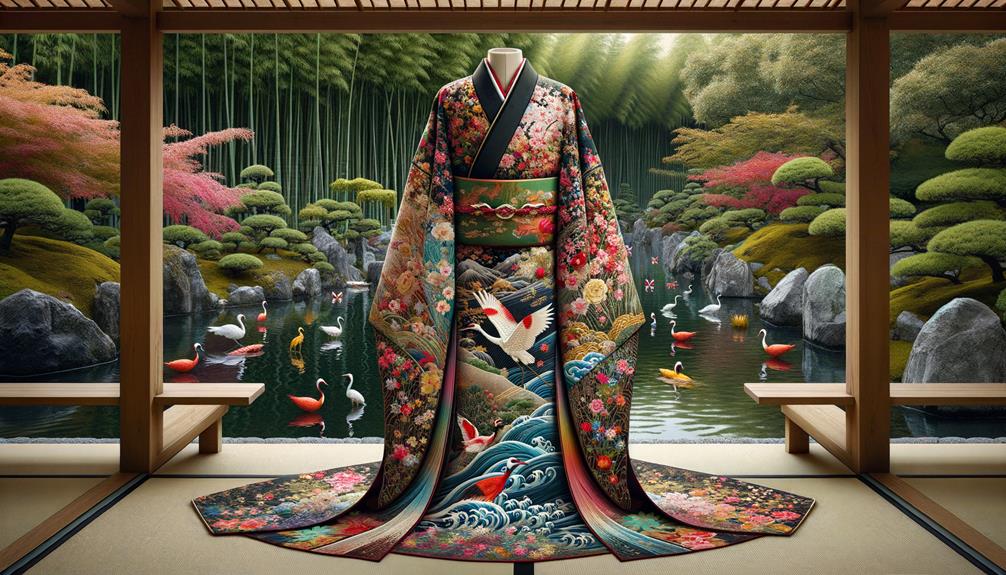
The intricate patterns and motifs on a kimono convey a rich cultural narrative. The selection of fabric and colors goes beyond aesthetics; each element holds a symbolic meaning, from the vibrant reds that signify celebration to the somber whites that evoke reverence. These details combine tradition with artistry, creating a garment steeped in history and significance.
Patterns and Motifs
Kimono design offers a wide range of patterns and motifs that tell stories of nature, symbolism, and tradition. The kimono is a canvas where cherry blossoms bloom in spring and maple leaves blaze in autumn. These seasonal patterns are never merely decorative; they connect the wearer to the cycles of nature and the passage of time.
Motifs like cranes and pine trees are more than just beautiful designs. Cranes, with their elegant lines, symbolize longevity, while the resilient pine tree represents good fortune and steadfastness. Traditional motifs like waves, clouds, and flowers often make their way into the fabric, each carrying its own layer of meaning and cultural significance.
The artistry isn’t limited to nature alone. Geometric patterns such as stripes, checks, and diamonds add a modern twist to the traditional kimono, creating a fusion of old and new. Whether through intricate embroidery, hand-painted designs, or woven patterns, each kimono tells a unique story. It’s a blend of art and tradition, constantly evolving yet deeply rooted in its cultural heritage.
Fabric and Colors
The fabric and colors of a kimono tell a story filled with meaning and emotion. The choice of material, whether silk, cotton, or synthetic fabrics like polyester, is a deliberate act infused with cultural significance, not simply a matter of texture or comfort. Silk, with its luxurious sheen, is often reserved for formal occasions, while cotton, more breathable and versatile, suits casual or summer wear.
Colors, too, are deeply symbolic. Each hue carries meanings that resonate deeply within Japanese culture. Vibrant red signifies joy and celebration, making it a popular choice for festive events. Pure white, on the other hand, symbolizes purity, often seen in bridal kimonos. Somber black denotes formality, frequently worn at solemn ceremonies.
The intricate patterns woven into the fabric, whether stripes, checks, or floral prints, reflect aesthetic choices, the changing seasons, and personal status. Cherry blossoms might adorn a spring kimono, while pine trees suggest endurance and resilience. Each element, chosen with care, transforms the kimono from mere clothing into a narrative of life and nature.
Types of Kimono
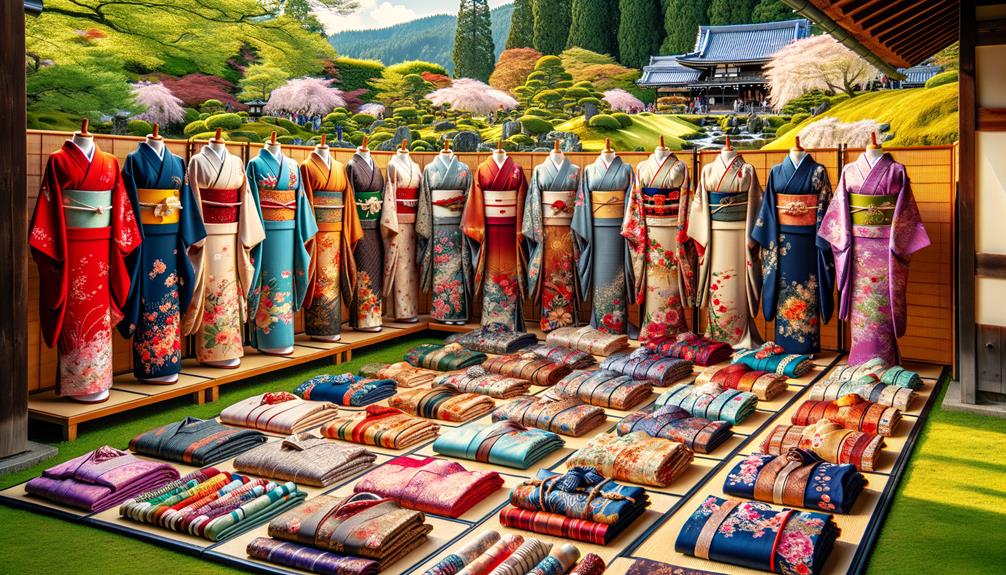
Kimono carries a rich cultural heritage, where every stitch and fold holds meaning. The diversity of styles reflects Japanese culture, with each type designed for particular genders, occasions, and seasons.
For women, there’s a striking variety of kimono styles. The furisode, with its long sleeves, is a popular choice for formal occasions. Brides often wear the uchikake, a heavily embroidered and elaborately decorated kimono. During summer, the yukata is a popular, lightweight option.
Men’s kimono also offer a range of styles, each suited to different settings. The montsuki is a formal kimono, typically worn with a family crest. Like their female counterparts, men also enjoy the casual elegance of the yukata during summer festivals.
Children’s kimono, known as chirimen-bon, are particularly heartwarming. These are often worn for special events such as Shichi-Go-San, a traditional rite of passage.
In summary:
Women’s Kimono: Furisode, Uchikake, Yukata
Men’s Kimono: Montsuki, Yukata
Children’s Kimono: Chirimen-bon
Each type of kimono serves a functional purpose and also enriches the cultural heritage of Japan.
Wearing a Kimono
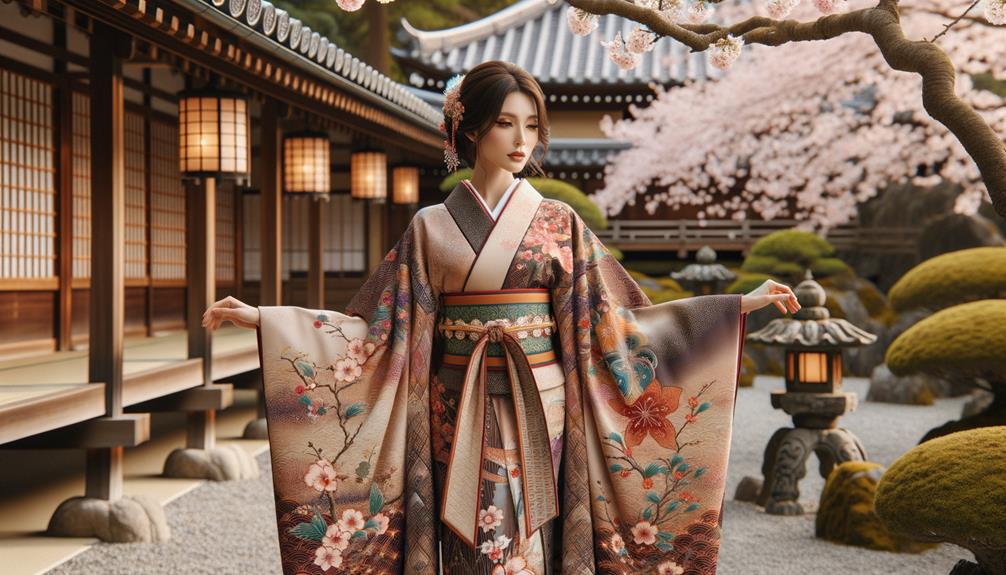
Wearing a kimono is not just putting on a garment. It is an art form rooted in tradition and respect. Each step, from wrapping the left side over the right to securing the obi belt, holds significance. Kimono are worn for special occasions such as weddings and tea ceremonies, where the traditional attire becomes a canvas for cultural expression.
| Aspect | Details |
|---|---|
| Wrapping Method | Left side over right |
| Securing Method | Obi belt |
| Accessories | Zori shoes, Tabi socks |
| Occasions | Weddings, tea ceremonies, coming-of-age |
Men and women wear different styles of kimono, with women’s versions typically showcasing longer sleeves. The symbolism behind the kimono is profound, with colors, patterns, and accessories conveying messages about the wearer. For instance, a vibrant red kimono might symbolize youth and passion, while a more subdued hue could indicate maturity and wisdom.
Wearing a kimono is both a personal and communal experience, reflecting the wearer’s identity and the collective culture. This traditional attire is not just historical but also a living art form, continually evolving while maintaining its essence. The act of wearing a kimono bridges the past with the present, melding tradition with modernity.
Kimono Care Tips
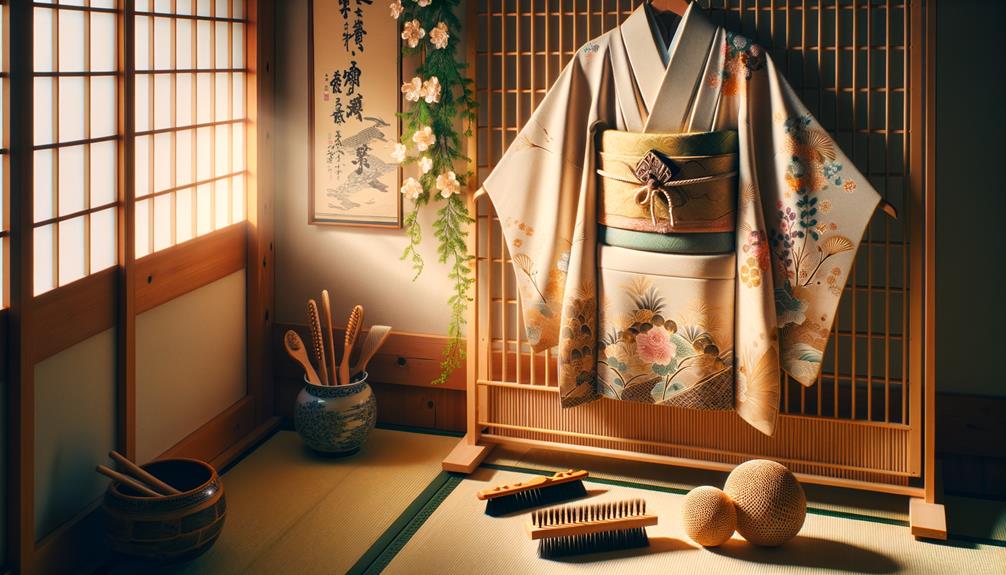
Caring for a kimono makes proper storage and gentle cleaning essential. To prevent creases and damage, store a kimono in a cool, dry place on padded hangers. Regular inspection helps catch any issues early, keeping the garment in good condition for years.
Proper Storage Techniques
Proper Storage Techniques for Your Kimono
To keep a kimono looking its best, proper storage is essential. Preserving its vibrant colors and intricate designs takes a few simple steps that protect both the beauty and the longevity of the garment.
First, when storing your kimono, make sure to fold it along the seams to maintain its shape and prevent sharp creases. This simple step will help prevent wrinkles and keep your kimono looking beautiful.
Next, use cushioning to protect the fabric. Acid-free paper or cloth can be used to prevent discoloration and keep the kimono looking fresh.
Finally, air out your kimono regularly and avoid storing it in plastic bags, which can create musty odors and moisture buildup that can damage the fabric over time.
The artisans who create these garments put considerable effort into the delicate stitching and hand-painted designs. Storing a kimono properly honors their craftsmanship and keeps it in good condition for many seasons.
Cleaning and Maintenance
Caring for a kimono is a delicate art that requires a close understanding of its cultural significance. Unlike Western clothing, kimonos need a careful approach to maintenance that is not widely known outside the tradition.
To keep a kimono in good condition, air it regularly. Unfold it gently and let it breathe in a cool, dry place. This helps prevent odors and mildew, and the process is calm in its own way.
Washing a kimono at home is not an option. The fabrics are too delicate, and the vibrant colors are too precious to risk damaging them with standard laundry methods.
A kimono should be taken to professional cleaners who specialize in traditional dyeing techniques. They have the expertise to remove stains without compromising the garment’s integrity, whether it is a piece worn for tea ceremonies or a family heirloom. Their precision keeps the intricate designs intact.
Taking care of a kimono is a way to honor its cultural heritage through meticulous maintenance.
Kimono in Modern Culture
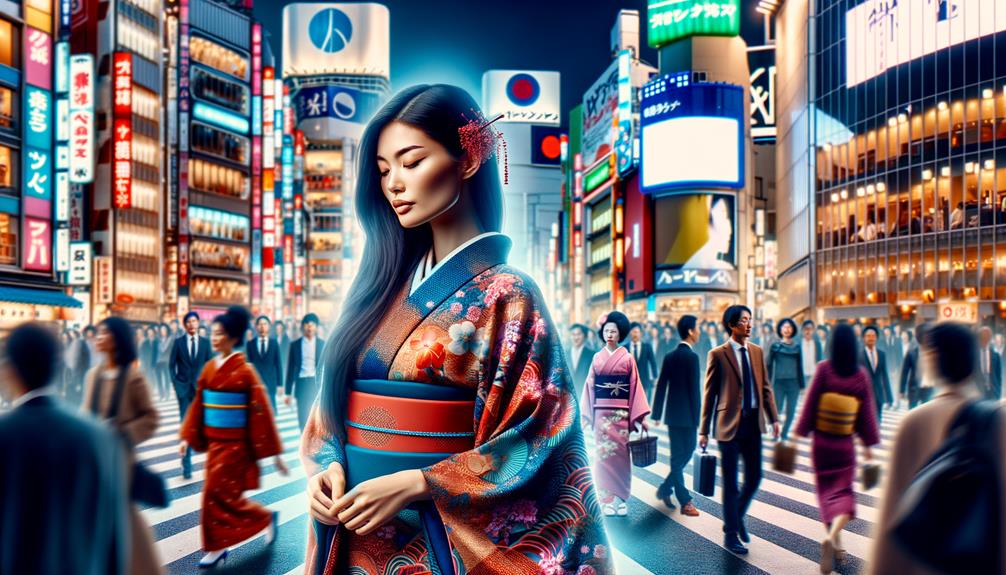
In modern Japan, the kimono remains a powerful symbol of cultural identity, connecting the past and present through its continued use in significant ceremonies and events. From weddings under blooming cherry blossoms to coming-of-age ceremonies marking important life milestones, the kimono embodies traditional Japanese culture in its most vibrant form. Although it has lost its status as everyday attire, it remains a cherished cultural symbol, revered and admired.
The kimono’s role in modern Japan is a significant one. It is not simply a garment but a living artifact that captures the essence of Japan’s aesthetic traditions. Today, the kimono serves multiple purposes:
- Special Occasions: It’s worn during weddings, tea ceremonies, and other formal events, where its beauty and significance are on full display.
- Cultural Professions: Geishas and sumo wrestlers wear kimonos as essential attire, reflecting their unique roles and traditions.
- Symbolic Link: The kimono provides a tangible connection to Japan’s rich heritage and values, serving as a powerful symbol of the country’s cultural identity.
While fashion trends come and go, the kimono’s presence endures, evolving yet staying true to its roots. It’s a delicate balance between innovation and tradition, making it a timeless icon in Japan’s cultural landscape.
Frequently Asked Questions
What Do the Colors of Kimonos Mean?
Colors in kimonos convey meaning. Red symbolizes joy, white represents purity, and black is a symbol of formality. Blue is associated with calmness, while green signifies new beginnings. Gold represents wealth. The patterns and combinations of these colors often reflect the seasons, events, and social status.
What Is a Japanese Kimono Called?
The traditional Japanese garment is the kimono. Its flowing elegance and intricate patterns carry a strong cultural significance, showcasing Japan’s rich heritage and artistry. This traditional attire speaks to the country’s history and craftsmanship.
What Is the Traditional Dress of Japan for Females?
The traditional Japanese dress for women is the kimono, which exudes elegance and cultural significance. It is more than clothing; it is an art form that embodies tradition, beauty, and meticulous craftsmanship.
Is Kimono Chinese or Japanese?
The kimono was influenced by Chinese clothing, but it evolved in distinctive ways within Japan. It is now distinctly Japanese, reflecting the country’s culture and heritage.