A beautifully draped sari is a study in timeless elegance. The art of draping transforms a simple fabric into a garment rich in cultural heritage. Styles like the Nivi drape or the Bengali drape each tell their own story and evoke a sense of history. Luxurious fabrics such as silk and airy chiffon flow with each step, adding to the sari’s innate charm. Statement earrings or a stylish waist belt give it a modern twist, well suited to a grand celebration. Worn properly, the sari carries a piece of history with it.
History of the Sari
The sari, a timeless piece of Indian attire, has a long recorded history, with references to the garment appearing in texts and art from many centuries ago. This strip of cloth, known as a ‘sati‘ in Sanskrit, has become an integral part of Indian culture and tradition, and its enduring popularity speaks to its versatility and elegance. The numerous Indian sari drapes each reflect the essence of a region and its people.

From the regal Nivi drape of Andhra Pradesh to the playful Nauvari of Maharashtra, each style tells a unique story. The Bengali drape, with its pleated front and opulent pallu, exudes sophistication. These draping styles are deeply rooted in history and carry real cultural significance, which makes the sari more than a piece of clothing: it is a symbol of identity.
The sari’s enduring appeal lies in its ability to adapt while remaining a symbol of grace. It is a heritage that continues to develop, reflecting India’s changing landscapes and traditions.
Types of Fabrics

The different fabrics used in saris each bring their own character and elegance to this traditional attire. Georgette, for instance, has a flowy, lightweight feel that makes it a favorite for draped saris. Its ability to create a graceful silhouette, especially when paired with a matching blouse, gives it a modern sophistication that is hard to match. The way georgette moves and falls exudes an effortless polish.
Chiffon, with its delicate texture, adds an airy quality to saris. It enhances the overall look and suits those who want a romantic, whimsical touch. Silk, in its many forms (pure silk, crepe silk, or satin silk), brings a sense of luxury. The richness of silk turns any sari into a statement piece, well suited to special occasions.
Georgette, chiffon, and silk are all common choices for pre-draped saris, each giving a smooth, elegant fall. The range of fabrics allows for wide variation, which makes each sari distinct.
Draping Techniques
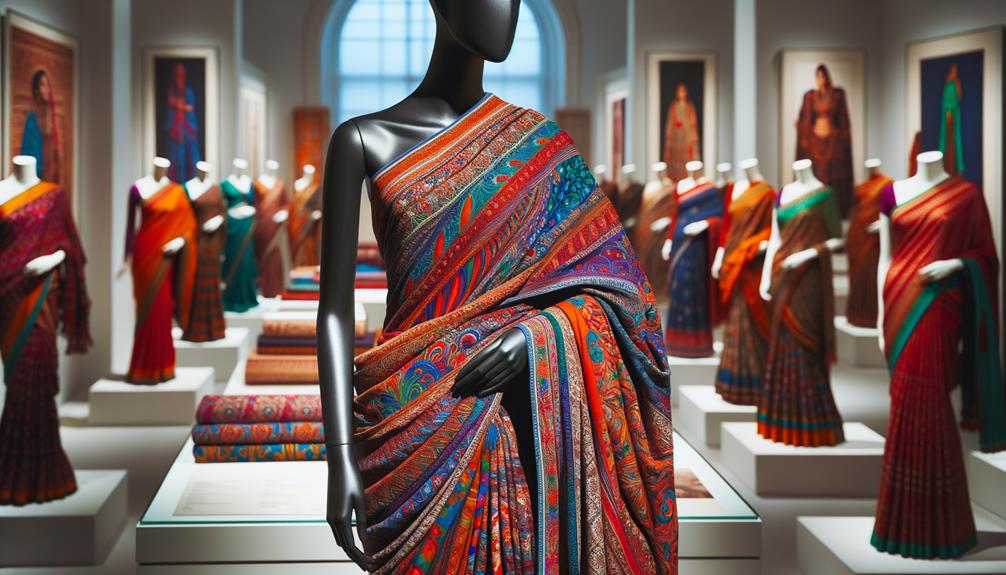
The art of draping an Indian sari is a true craft. Each fold and pleat transforms the fabric. The traditional Nivi style from Andhra Pradesh shows what careful pleating and an elegantly draped pallu achieve.
The Bengali drape takes a different approach, with the pallu thrown over the shoulder and often brought back to the front, creating a layered, textured look that balances regality and ease.
The Gujarati drape shows intricate embroidered designs on the pallu, which often carry their own narrative. The Maharashtrian style, with its dhoti-like tuck, balances practicality with elegance. Each region of India has its own draping style, highlighting the cultural richness and diversity that make saris so distinctive.
Pinning and tucking are the skills that turn a length of fabric into a well-draped garment. These techniques call for precision and patience, and they draw on centuries of tradition as well as recent innovation.
Styling Tips
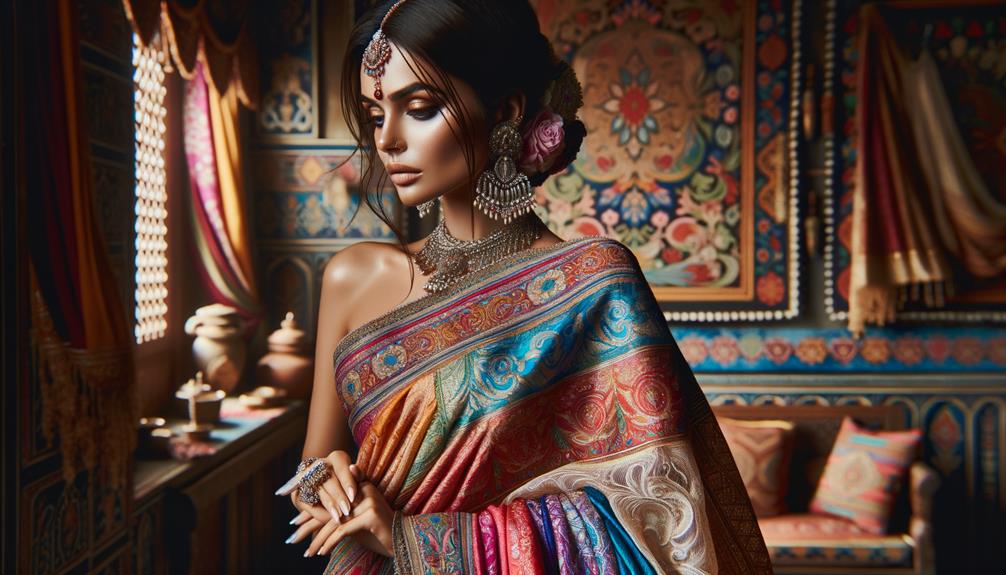
Styling a sari allows tradition and modern flair to meet, producing a look that is both timeless and personal. Many wearers experiment with different pallu and blouse designs. A striking blouse can carry a sari from simple to formal, whether it is heavily embroidered or sleek and minimalist.
For a partywear look, statement earrings are the usual choice. They frame the face and add a note of sophistication that complements the drape. A waist belt also makes a real difference. This single addition modernizes traditional attire and defines the waistline, giving the outfit a contemporary edge.
Layering works well too. A chic cape or jacket turns a sari ensemble into a sophisticated look and can read as either innovative or elegant depending on the cut. A stylish clutch or potli bag is the finishing touch that completes the outfit.
Occasions to Wear
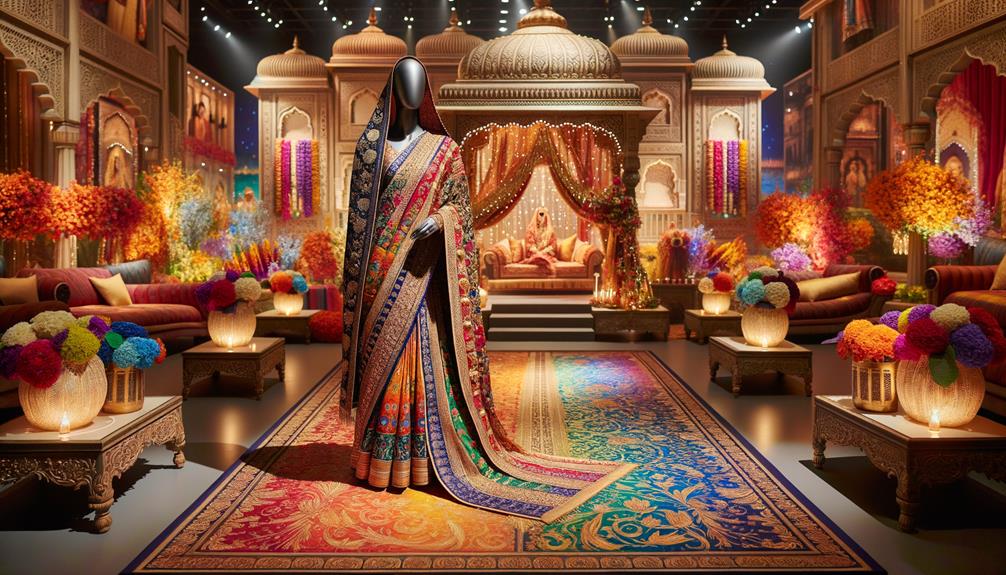
Wearing a sari is about choosing the right occasion to show it at its best. Whether it is a wedding, a cultural event, or an intimate gathering, the sari’s refined character suits it well. At weddings, georgette saris are a common choice because they allow comfort and freedom of movement while showing off intricate designs.
Cultural events and religious ceremonies are natural settings for a sari, since it embodies tradition and reverence. Each fold and pleat can be adjusted, allowing personal style to sit within the bounds of tradition.
For evening gatherings, a more opulent sari works better. The play of light on silk or georgette, combined with ornate designs, makes a strong impression. The sari’s versatility makes it a timeless staple of the wardrobe, equally at home at a daytime celebration or an evening gala.
Frequently Asked Questions
What Is the Drape of a Saree Called?
The drape of a sari is called the ‘pallu.’ It is arranged over the shoulder, and each fold carries the weight of both traditional and modern styling.
How Much Does Saree Draping Cost in India?
Prices in India vary widely. Reported costs range from a few hundred rupees for basic draping to well over a thousand for intricate, designer work, particularly for weddings and festivals.
How to Drape a Fancy Saree?
Draping a fancy sari is a skilled process: each fold and crease has to work together. Begin by tucking the end of the fabric in place, then form pleats that show off the embroidery or sequins.
How Can I Look Elegant and Classy in Saree?
High-quality fabrics and well-chosen jewelry make the biggest difference. Neat pleats and a defined pallu matter a great deal, and trying a few different draping styles helps you find the one that suits you best.