The Black Plague‘s devastating impact on Europe’s population, with nearly a third perishing, had a profound effect on daily life, including the way people dressed. Fear and necessity reshaped fashion. Luxury gave way to survival, and oilcloth hats, beaked masks, and mourning attire became ubiquitous. The most striking result was how these changes reflected deeper societal shifts. How did a crisis so severe redefine the essence of clothing itself?
Practical and Somber Styles
During the Black Death, practicality and somber styles dominated wardrobes as people sought to protect themselves from the disease. Hats and cloaks made of oilcloth became a shield against the foul air that threatened lives. The focus was on protective clothing, not fashion. Simple yet essential gear like caps with glasses and bills lined with antidotes became daily attire.

Luxurious fabrics, bright colors, and intricate designs were abandoned in favor of muted tones and functional garments. It was a time when survival dictated choices, and practicality overruled any desire for aesthetic expression.
The plague doctors, with their beaked head coverings, were a stark reminder of the era’s grim reality. Their attire, designed to protect, encapsulated the essence of the collective fear and the dire need for protective clothing. These beaks, filled with aromatic substances, were believed to filter out the disease.
In hindsight, it’s clear how the plague reshaped the approach to clothing. Society learned to prioritize safety and practicality over style, a shift that, in many ways, echoes into today’s world where necessity often takes precedence.
Influence of Mourning Attire

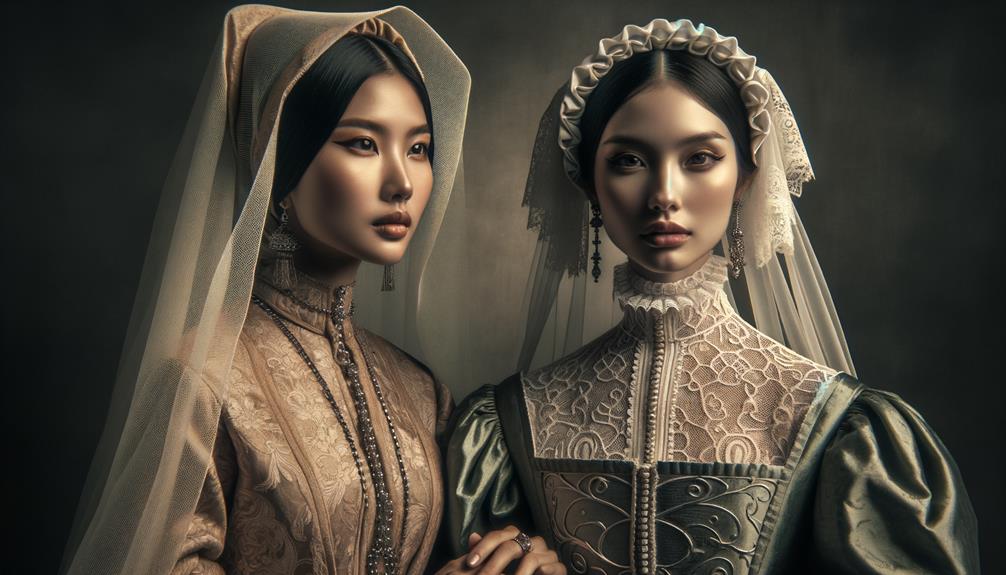
Mourning attire, with its somber hues and heavy fabrics, became a visual representation of collective grief during the Black Plague. The devastating loss of life forced people to confront mortality daily, and clothing reflected this harsh reality. In the Middle Ages, mourning attire was not just a personal choice; it was a social obligation.
Widows and family members wore specific garments, adorned with veils, cuffs, and trimmings, to signify their mourning status. These clothes were often made of dark, heavy fabrics like velvet and wool, which seemed to mirror the weight of sorrow. Wearing mourning attire was more than a fashion statement; it was a way to pay respect to the deceased.
Strict rules governed how long these garments were worn, creating a sense of uniformity in grief that permeated society. Dark colors like black and purple became synonymous with loss. These visual cues helped people face the overwhelming sorrow of the time, creating a sense of shared experience and silent solidarity in the face of widespread despair.
This mourning attire was more than just fabric; it was a symbol of shared humanity, a collective expression of grief that transcended individual sorrow.
Protective Garments

As society navigated the era of mourning attire, a new fashion emerged out of sheer necessity: protective garments designed to shield people from the plague’s grasp. It was no longer about appearances; survival depended on innovation. The plague doctor, with a beaked head covering and waxed leather coat, became an unsettling yet iconic figure. These protective garments, though rudimentary, marked an early form of personal protective equipment.
Oilcloth hats and cloaks resisted contamination from foul air, an invisible enemy. Caps with glasses and bills lined with antidotes were not mere accessories; they were lifelines. The beaked masks, filled with aromatic substances, were designed to filter out the miasma believed to spread the disease. This attire seemed almost surreal, but it was a necessary shield against the unseen threat.
Fashionable clothing, once a symbol of status, became a health hazard. Prioritizing protective garments over elegance was a stark shift. These changes show how necessity can drive innovation. The attire of plague doctors laid the groundwork for the hazmat suits and personal protective equipment we rely on today. It is a poignant reminder of how fashion adapts in the face of adversity.
Decline of Extravagance

As the Black Death ravaged Europe, extravagant fashion became a distant memory. Survival took precedence over opulence, and the desire for luxury was extinguished. The plague doctors, with their haunting masks and long coats, symbolized this shift. They did not dress to impress, but to protect themselves from the deadly outbreak.
Social distancing became a matter of life and death, making grand gatherings and flaunting wealth a thing of the past. Sumptuary laws curbed excess, ensuring everyone, regardless of status, wore simpler, more practical clothing. The focus shifted from extravagance to utility.
Clothing and textiles reflected this new reality. Fine silks and elaborate embellishments gave way to sturdier, more functional materials. Those who survived inherited wealth, but they wore it differently. The ostentatious displays of pre-plague times gave way to a more subdued, cautious approach.
Society’s attitude toward fashion fundamentally shifted. The devastation reshaped priorities. Extravagance was no longer a virtue, but a vulnerability. People learned to value simplicity and practicality, a lesson that left an indelible mark on sartorial choices.
Lasting Fashion Changes

The Black Death reshaped fashion, prioritizing practicality and protection. Living under the shadow of the bubonic plague influenced daily life, including clothing choices. Fashion became a matter of survival, not just style.
Several key shifts followed:
- Materials: Oilcloth became popular due to its protective qualities.
- Headgear: Protective headgear became a necessity, reflecting public health concerns.
- Tailoring: Garments were designed for easy cleaning and disinfection.
- Functionality: Designs focused on practicality over aesthetics.
- Hygiene: Clothing choices were influenced by the need to prevent disease spread.
These changes persisted long after the plague. Even amidst the Hundred Years War, the focus on health and protection in fashion remained. The plague taught society to prioritize function in attire, a lesson that still resonates today. The Black Death had a profound and lasting impact on fashion, shaping clothing choices well beyond those dark years.
Frequently Asked Questions
How Did the Black Death Affect Fashion?
The Black Death had an unexpected impact on fashion. As people began to rebuild their lives, they started to indulge in luxury clothing, and the art of tailoring flourished. Despite laws attempting to regulate extravagant spending, wealthy survivors splurged on opulent textiles.
What Were 3 Effects of the Black Plague on Society?
Three significant effects of the Black Plague on society were widespread fear and isolation, economic upheaval due to labor shortages, and pronounced social divides. The plague triggered peasant revolts and inflation, which profoundly reshaped the societal and financial landscape.
What Impact Did the Black Death Have on Culture?
The Black Death’s devastating impact on Europe led to a profound cultural shift, as people began to focus on individualism, mortality, and artistic expression. As wealth was redistributed, a new era of luxury, craftsmanship, and innovation emerged, laying the groundwork for the cultural revival of the Renaissance.
How Did the Black Plague Lead to Our Modern World?
The Black Death had a profound impact on society, triggering significant economic and cultural shifts. As a result, wealth increased, innovation accelerated, and trade flourished, laying the groundwork for our modern world’s emphasis on progress, luxury, and new commercial opportunities.