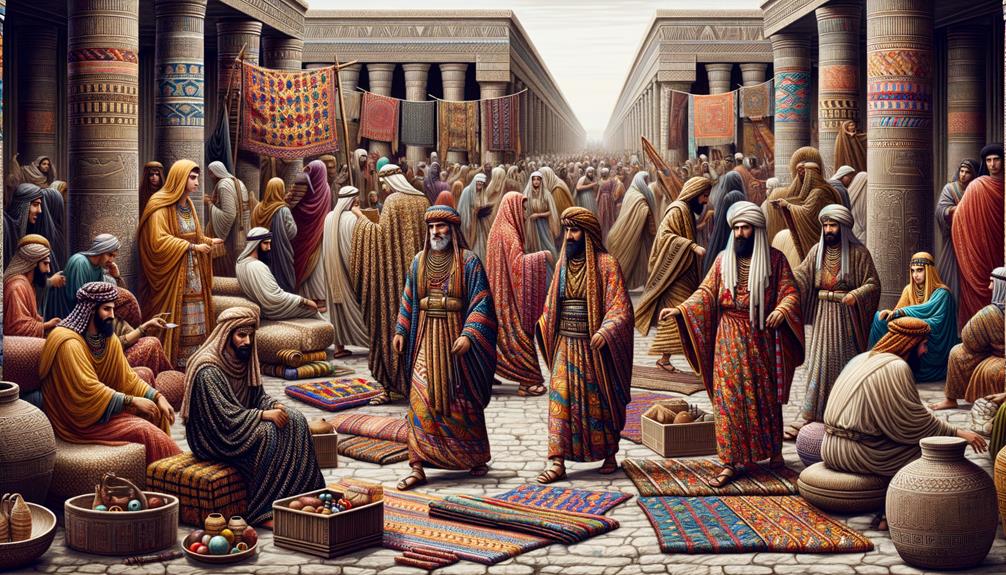
The ancient Greek hairstyles whisper elegance and sophistication, transporting us to a bygone era. The intricate braids and soft curls that adorned the heads of women and men each style silently conveying social status and beliefs. Laurel wreaths and diadems were worn as symbols of achievement and respect, not just as fashion. Today, modern interpretations continue to borrow from these ancient traditions, blending the old with the new.
Ancient Greek Hairstyles
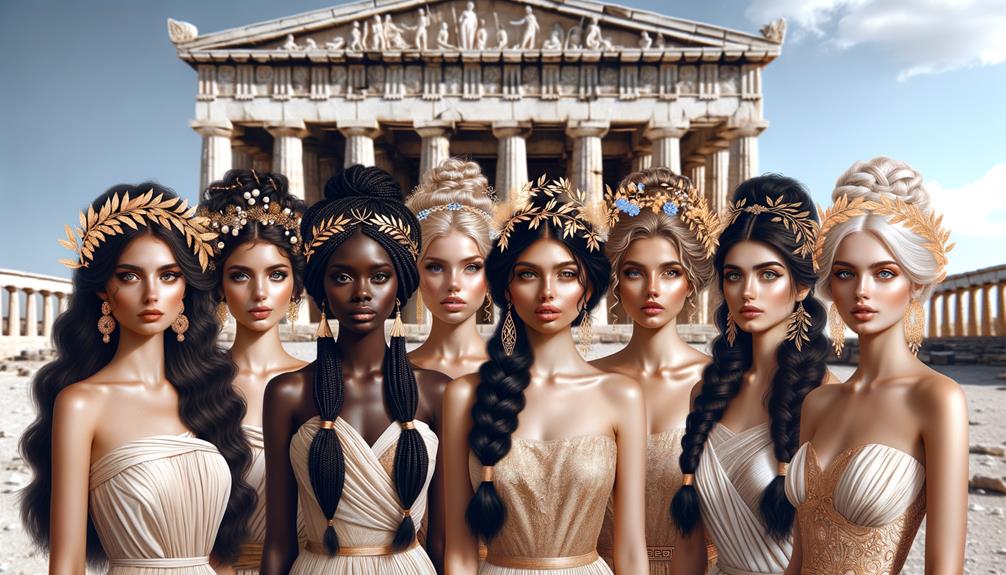
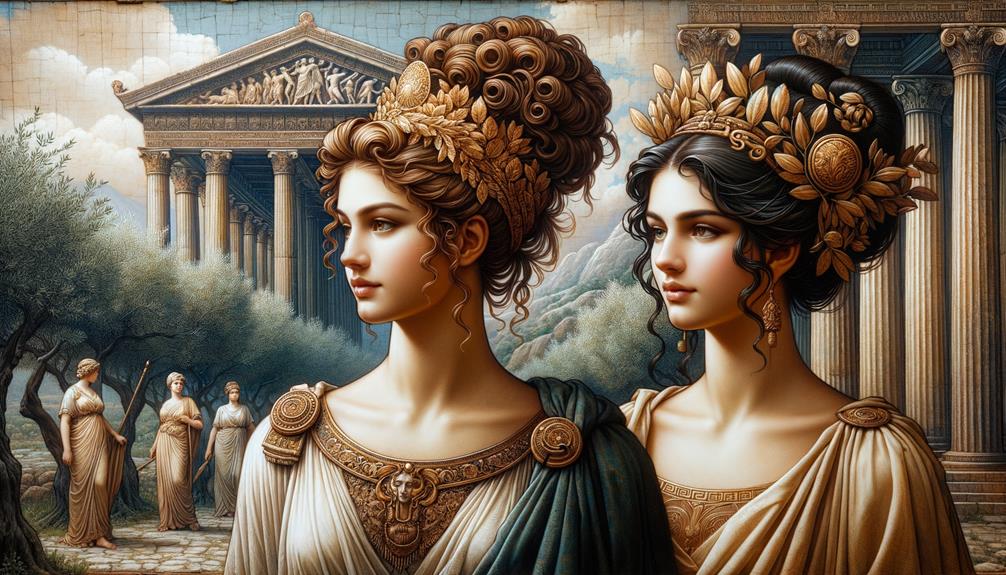
Ancient Greek hairstyles, often adorned with ribbons and jewelry, clearly reflected a wearer’s social status. Their duality, part art and part social signal, is a useful lens for study. Greek hairstyles for women and men diverged greatly, each telling a story of its own. Women in Athens favored elaborate updos, which required patience and signalled status. These intricate styles, influenced by goddesses, signaled beauty and divine favor.
Men’s styles, on the other hand, were more straightforward, with short hair dictated by the trends of the time. Spartan men kept it simple, prioritizing practicality over flair. Their hairstyles spoke of discipline and function, stark yet compelling in their own right.
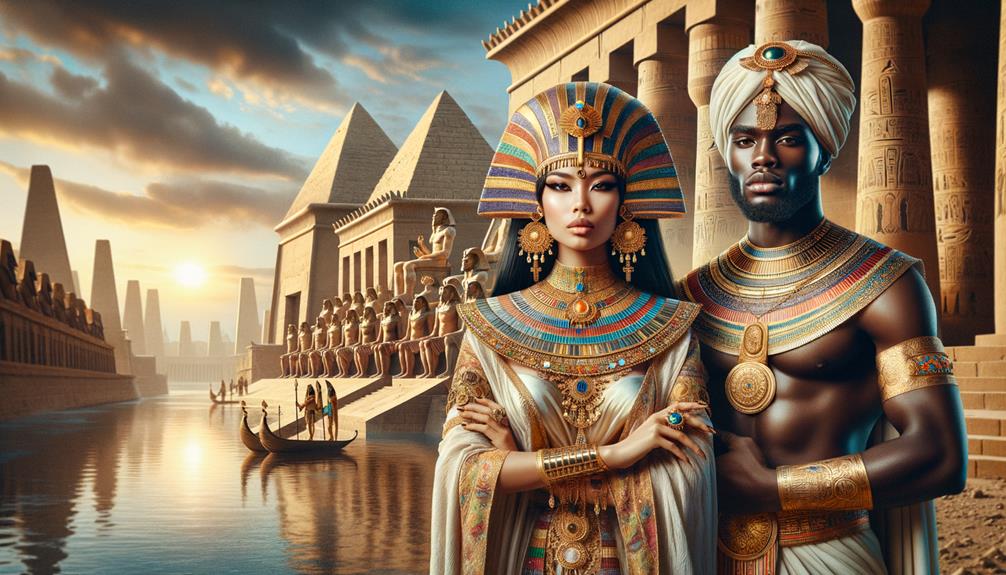
The Hellenistic period introduced a blend of cultures. Extravagant hairstyles emerged, merging Greek, Persian, and Egyptian elements. This fusion created opulent looks, an evolution from the simplicity of earlier times. It shows the ancient Greeks’ willingness to innovate, to incorporate and adapt the new.
Every braid and every curl carried more than fashion. Greek hairstyles were a canvas, a reflection of identity and a window into the values of their society.
Popular Greek Headpieces
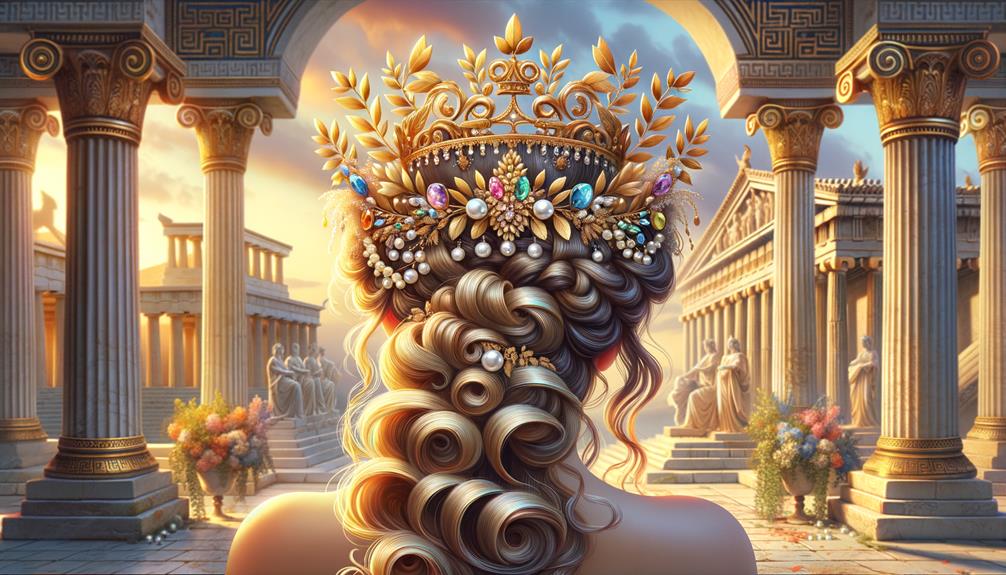
Among Greek headpieces, each design tells a unique story of elegance, victory, and timeless beauty. The Gold Goddess Headpiece, similar to the Greek Goddess Tiara Crown, adds a regal touch, transforming any hairstyle into a statement of royalty.
For those seeking symbolism, the Laurel Leaf Headpieces, such as the Double Side Branch Headpiece, are a good fit. They embody the essence of victory and honor, deeply rooted in Greek culture. A simple arrangement of leaves can evoke powerful imagery.
Greek-inspired designs go beyond this. The Roman-inspired Halo Crown merges the aesthetics of ancient Greece and Rome, creating a look that’s both classic and innovative. Wearing it feels like stepping into a fusion of two grand histories.
For the bold, the Winged Helmet Headpiece stands out. It’s not just an accessory; it’s a statement. It speaks of bravery and individuality, perfect for those who want their style to be noticed.
Braids and Curls
Braids and curls are the true essence of Greek elegance and beauty. Ancient Greek hairstyles often featured intricate braids and soft curls, symbolizing both sophistication and mythical grace.
Whether reflecting the opulence of the Hellenistic period or the practicality of Spartan life, these hairstyles were statements rather than simple adornments.
| Period |
Men’s Hairstyles |
Women’s Hairstyles |
| Spartan |
Short hair |
Long hair or braids |
| Athenian |
Short hair |
Elaborate updos with braids |
| Hellenistic |
Longer hair with curls |
Voluminous curls and intricate braids |
Spartan women balanced practicality with beauty, their long hair often braided to prevent interference in daily life. Meanwhile, Athenian women wore their intricate styles as symbols of social status, each curl and braid meticulously crafted.
The Hellenistic period took this further, with voluminous curls and lavish braids mirroring the era’s indulgence. The hairstyles weren’t just for show; they embodied the cultural and social fabric of the times.
These styles show a timeless innovation. The way Greeks used braids and curls was an art form that spoke volumes.
Updos and Chignons
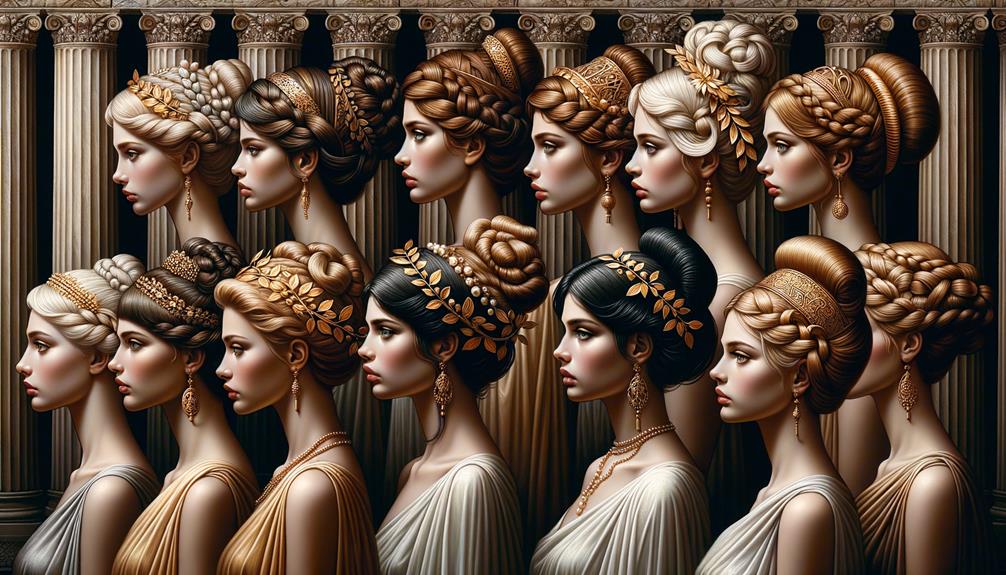
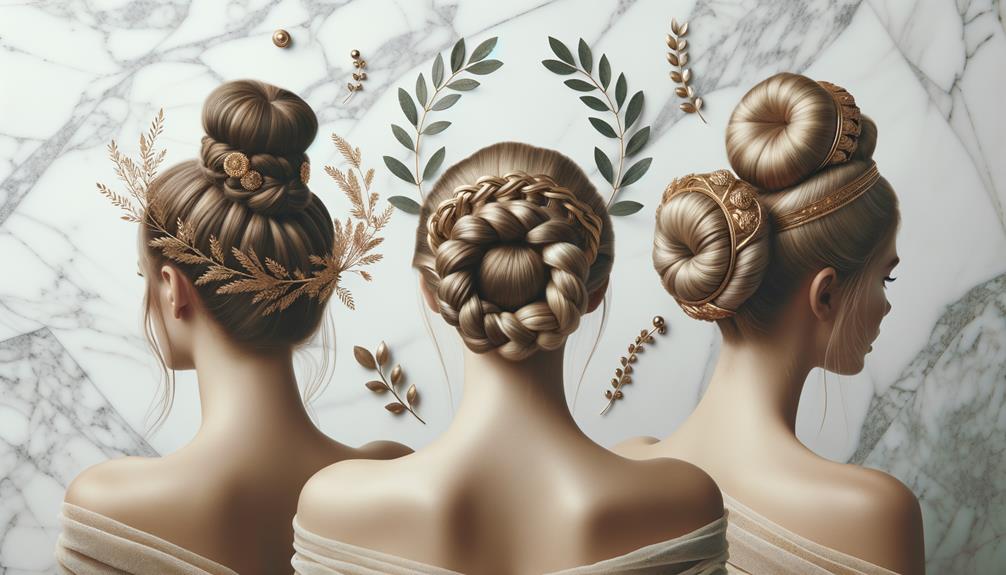
Greek women adorned their updos and chignons with ribbons and jewelry, exuding elegance and social stature. These hairstyles, intricate and purposeful, conveyed a wealth of information without saying a word. Each twist and pin meant more than aesthetics; it marked one’s standing in society.
Women reserved these elaborate styles for life’s grand occasions: weddings, ceremonies, and festivals. The sophistication of a high chignon or an elaborate updo echoed the grace of Greek goddesses, channeling timeless elegance through human form. It was about embodying an enduring allure, not just beauty.
Modern interpretations of these ancient styles remain compelling. Today’s fashion and bridal looks often echo those classic Greek updos and chignons, demonstrating their lasting influence. Drawing from antiquity and reshaping the old into something fresh and contemporary is a notable creative act.
These styles balance tradition with innovation, creating a bridge between past and present. They show the power of reinvention, a reminder that sometimes the most forward-thinking creations are deeply rooted in history.
Laurel Wreaths
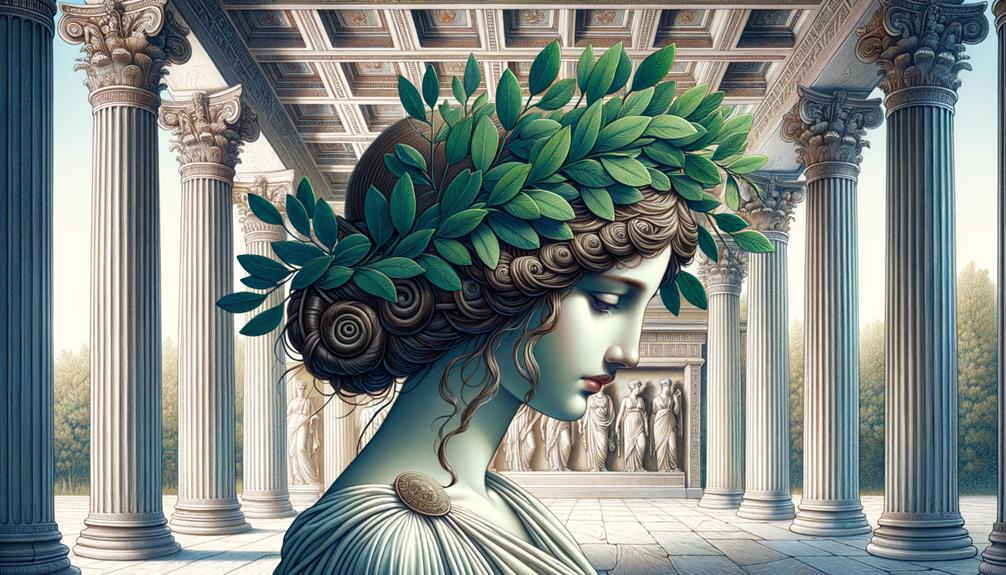
Laurel wreaths, symbols of victory and honor, retain a strong allure. Woven from the branches of the bay laurel, these headpieces transcend mere adornments, embodying the essence of triumph and excellence.
In ancient Greece, a wreath of wild olive, the kotinos, was awarded to Olympic victors; laurel was the prize at the Pythian games at Delphi. The image evokes disciplined competitors striving for greatness under the watchful eyes of the gods. This simple yet powerful gesture of recognition resonates deeply.
Apollo, the Greek god of music, poetry, and archery, is often depicted wearing a laurel wreath. This association carries weight, as wearing a laurel wreath symbolized a connection with Apollo himself, embodying his attributes of creativity and precision.
Beyond athletics and mythology, the laurel wreath represents a broader cultural value: the pursuit of excellence. In various fields, from the arts to public service, the laurel wreath stood as a universal symbol of achievement.
Today, the laurel wreath remains an inspiration, reminding us that true innovation and greatness are timeless pursuits.
Diadems and Fillets
In ancient Greece, diadems and fillets were more than accessories; they conveyed social status and occasion. Diadems, often made of gold and adorned with gemstones, were a mark of royalty and nobility. Wearing one signified that you were someone of importance, deserving of attention.
Fillets, on the other hand, were more accessible. Made of fabric or leather, they held hair in place while maintaining an air of elegance. They allowed everyday people to add a touch of sophistication to their look. Even though they were simpler than diadems, the right fillet could make one feel regal.
Both diadems and fillets played a significant role in Greek hairstyles, turning everyday dress into something ceremonial. They were an integral part of special occasions and ceremonies, transforming the wearer into a <strong>figure of grace and refinement</strong>.
Something as simple as a headband could convey considerable meaning. In a world that values simplicity, this ancient practice offers a useful example: embracing elegance in simplicity, while recognizing the power of symbolism in daily life.
Wedding and Festival Crowns
While ancient Greeks adorned themselves with diadems and fillets, wedding and festival crowns hold a special place in their cultural heritage. These crowns go beyond mere decoration, carrying deep symbolic meaning and tradition.
In Greek weddings, the stefana, or wedding crowns, symbolize unity and love. Linked by a ribbon, they represent the bond and commitment between the couple. This simple yet powerful gesture echoes their emotional connection. Stefana are often crafted from delicate materials, sometimes adorned with small flowers or intricate designs.
In contrast, festival headpieces burst with color and vibrancy. Worn during celebrations like Carnivals and religious ceremonies, these crowns feature a riot of ribbons, flowers, and symbolic elements. They embody the essence of joy and festivity, transforming the wearer into a living symbol of celebration.
Greek festival crowns often feature elements like:
Olive branches, symbolizing peace and victory.
Laurel leaves, representing honor and achievement.
Intricate patterns, showcasing craftsmanship and cultural heritage.
In both weddings and festivals, these crowns go beyond simple headpieces; they are statements of tradition and personal connection.
Modern Interpretations
Modern interpretations of Greek hairstyles blend the elegance of the past with the innovation of today. These styles appear everywhere, from fashion editorials to runways and bridal collections. They show the lasting influence of Greek culture.
Classic elements like braids and curls are being reimagined with modern twists. Contemporary styles combine with tradition to create fresh and enchanting looks. Accessories like headbands and tiaras add a romantic, elegant touch that lifts the overall style.
Creating intricate Grecian hairstyles can be a journey of self-expression. With do-it-yourself styling, you have a canvas for creativity. Professional hairstylists can take these designs further, turning them into true works of art. The aim is a balance between personal expression and professional expertise.
To keep these styles looking their best, maintenance is crucial. Proper care is necessary to ensure they remain intact and beautiful throughout the day. With regular touch-ups, a flawless look is guaranteed for any occasion. It may require some effort, but the results are well worth it.
In this blend of old and new there is a celebration of heritage and innovation. Modern Greek hairstyles go beyond looks; they are a conversation between history and the present, crafted with precision and creativity. They encourage a merging of tradition with modernity.
Frequently Asked Questions
What Hairstyles Did the Greeks Wear?
Ancient Greeks often wore intricate updos that reflected their values and social status. Spartan hairstyles were known for their practicality, whereas Athenian hairstyles exuded elegance. Each choice said much about their culture, identity, and the city-state they belonged to.
How to Do a Greek Hairstyle?
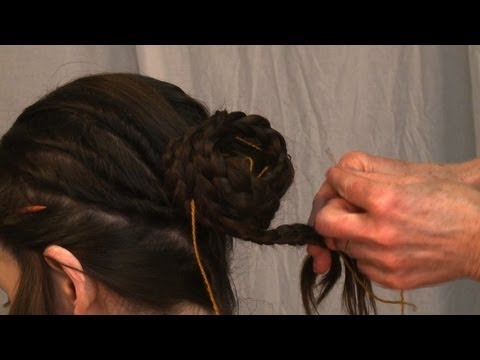
To create a Greek hairstyle, start with soft curls, then weave in braids. Adding faux extensions gives the hair extra volume. Finally, top it off with a gold leaf crown or diadem to give the look an authentic, elegant finish.
What Did Ancient Greeks Use on Their Hair?
Ancient Greeks used olive oil, perfumes, and powders to style their hair. The scents would have been striking, blending tradition with a touch of innovation. This reflects their deep connection to nature and beauty in everyday life.
How Do You Style Your Hair Like a Greek Goddess?
To style your hair like a Greek goddess, start with soft curls and add intricate braids for a divine look. Add some gold or silver accessories to give your hair a touch of elegance. Finish the look with a headband or fresh flowers, and secure it with hairspray and bobby pins for a flawless finish.