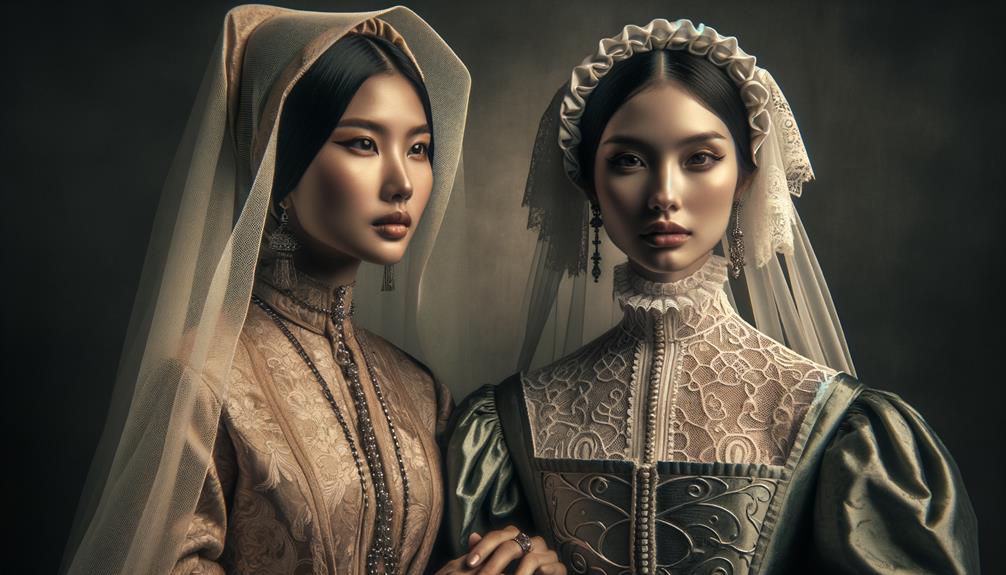
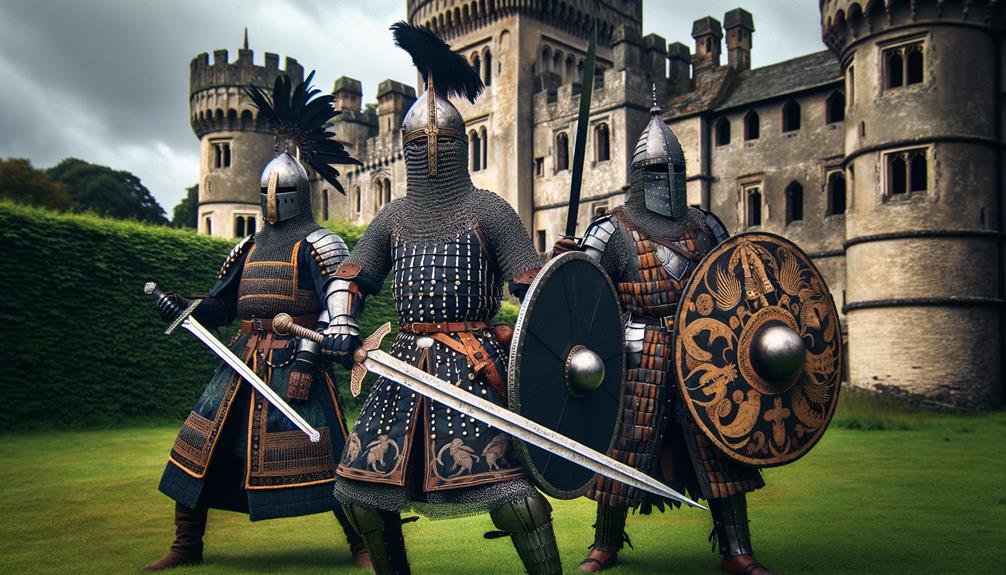
A medieval fair is a vividly illustrated world, where characters come alive in meticulously crafted historical attire. The defining quality of these costumes is the balance between historical accuracy and creative flair. A simple tunic or an opulent gown can place the viewer in an era where social hierarchy was woven into the fabric itself. The craftsmanship ranges from the intricate patterns on a noble’s cloak to the humble, hand-stitched seams of a peasant’s garb. The layers of history stitched into these garments are what make them compelling.
Historical Significance
Renaissance festivals hold appeal partly through their historical significance. The allure lies in stepping back into a bygone era, where the simplicity of Renaissance clothing for peasants contrasts sharply with the opulence of noble attire. These festivals aim for authenticity, blending history with a touch of fantasy to create an immersive experience.

Walking through the lanes of a Renaissance fair, the meticulous attention to detail in the costumes is easy to see. Peasants’ simple tunics and rough-spun fabrics reflect a time when practicality ruled, each garment speaking of daily toil and resilience. In stark contrast, nobles’ elaborate silks and brocades speak of wealth and societal stature.
These festivals cultivate an appreciation for Renaissance fashion in all its facets. The point goes beyond the clothes to the social context they were part of. Wearing such historical garments is a form of living history, a tactile connection to the past that is both instructive and memorable.
Core Garments
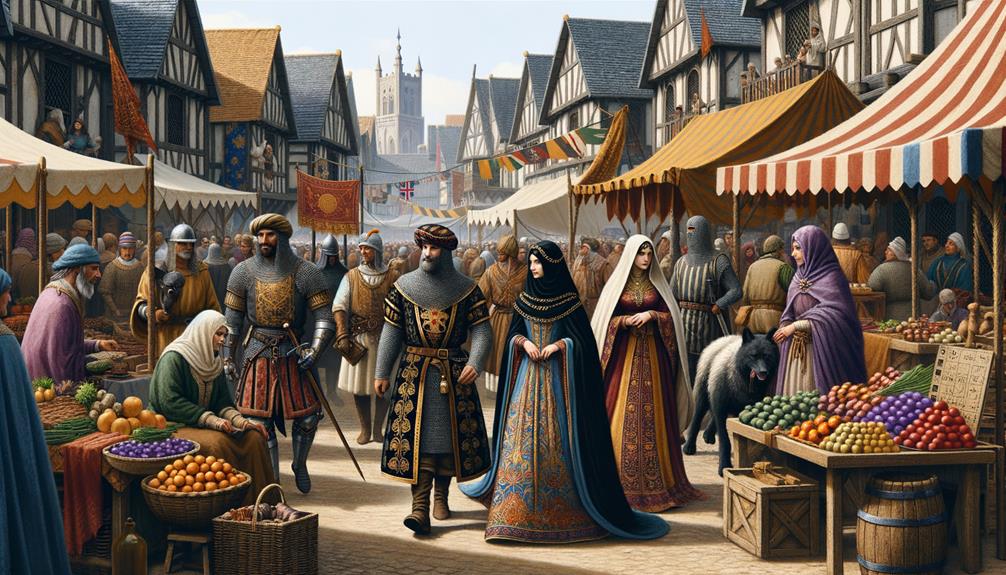
The core garments of medieval attire are cowls, cloaks, and tunics. These pieces were layered with purpose, balancing elegance with necessity. Authenticity in medieval dress means embracing these essential elements, so that both the look and the feel of the era are faithfully represented.
Essential Medieval Garb
The interplay of practicality and elegance is clearest in the core garments such as tunics, kirtles, and cloaks. Each piece shows both utility and artistry, reflecting the societal norms and the ingenuity of the times. The tunic is a versatile staple that bridged the gap between the classes: a simple but important garment, and the canvas on which daily life was painted.
Kirtles and Renaissance dresses embody femininity and grace. These garments pair function with beauty, allowing wearers to move freely while retaining an air of sophistication. The layering and fabric choices in kirtles were important, often indicating a wearer’s status and wealth.
The cloak stands as a symbol of protection and elegance. It enveloped the wearer, offering warmth and a touch of mystery. A cloak’s design could range from the humblest wool to the most luxurious velvet, reflecting the wearer’s position in society.
A closer look:
Tunics: Universal, practical, and class-defying.
Kirtles and Dresses: Feminine, functional, and status-indicating.
Cloaks: Protective, elegant, and versatile.
This medieval attire shows the era’s ingenuity and aesthetic sense.
Layering for Authenticity
Layering core garments such as tunics, cowls, and cloaks adds depth and authenticity to a medieval ensemble. The feel of a tunic’s fabric against the skin places the wearer in an era where every garment tells a story. Tunics, the staple of medieval attire, serve as the foundation. Their versatility and functionality made them a wardrobe essential for all classes, from peasants to nobility.
Adding a cowl or a cloak brings an element of elegance along with a protective layer against unpredictable weather. The way a cloak drapes and flows with movement can transform a simple outfit into something regal. The essence of medieval fashion lies in these layers, where practicality meets sophistication.
Choosing quality fabrics and authentic colors is crucial. Rich, earthy tones or vibrant hues can significantly affect the overall look. Careful layering is what makes the wearer feel immersed in the medieval era.
Accessories and Footwear
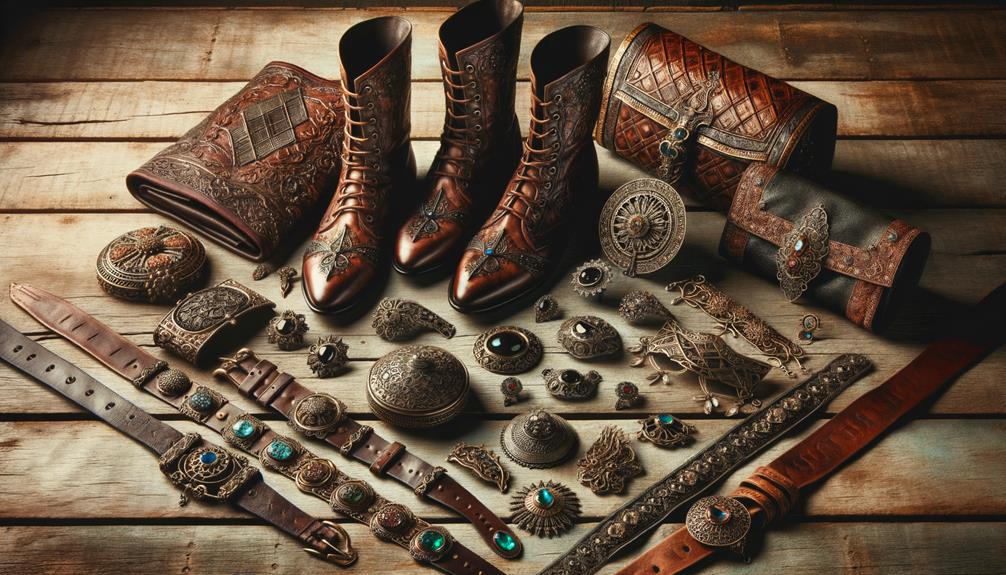
It is easy to get caught up in the grandeur of Renaissance costumes and overlook the small details that make or break an authentic medieval ensemble. The little things, such as a well-chosen leather pouch or a pair of period-appropriate boots, can sharpen the entire look. Accessories and footwear bridge the gap between costume and character, grounding the wearer in a time long past.
Footwear can define the social standing of the character portrayed. From humble leather sandals worn by peasants to opulent velvet slippers worn by nobility, footwear says a great deal.
Three essential components complete a medieval outfit:
- Leather Accessories: Pouches, belts, and gloves add authenticity and serve a practical purpose.
- Headwear: Berets, hoods, and feathered caps were popular among all classes, adding personality and flair.
- Footwear: The right pair of shoes or boots, from sturdy leather boots to simple shoes, completes the outfit.
At fairs and festivals, attention to detail is key. Embracing these elements turns a costume from mere clothing into a living piece of history.
Craftsmanship and Materials
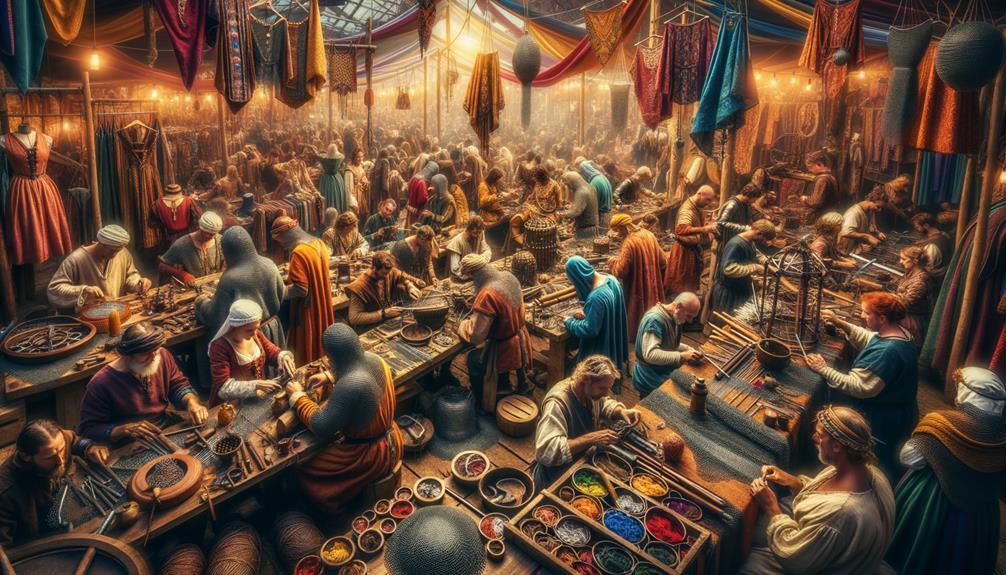
The meticulous craftsmanship and choice of materials in medieval attire show a serious commitment to authenticity and historical accuracy. The textures and fabrics of the medieval period reflect the artisans’ dedication to their craft. They used wool, linen, silk, and leather, each chosen for its unique properties and performance in different climates. Wool, often spun and woven by hand, provided warmth, while linen offered a breathable option for undergarments.
As the Renaissance era took shape, materials shifted in ways that reflected changing social values. Luxurious fabrics such as velvet, brocade, and satin became status symbols, their intricate patterns and rich textures reflecting the wearer’s wealth and taste. In contrast, the clothing of peasants and common folk stayed practical and functional, with durable fabrics like wool and linen suiting daily labor and a simpler lifestyle.
The exceptional metalwork of the period appears in chainmail and plate armor, crafted to balance protection with mobility. Hats and headwear, blending function with fashion, completed these ensembles and offered a glimpse into the wearer’s rank and role. These details show a lasting appreciation for both beauty and utility.
Dressing Tips
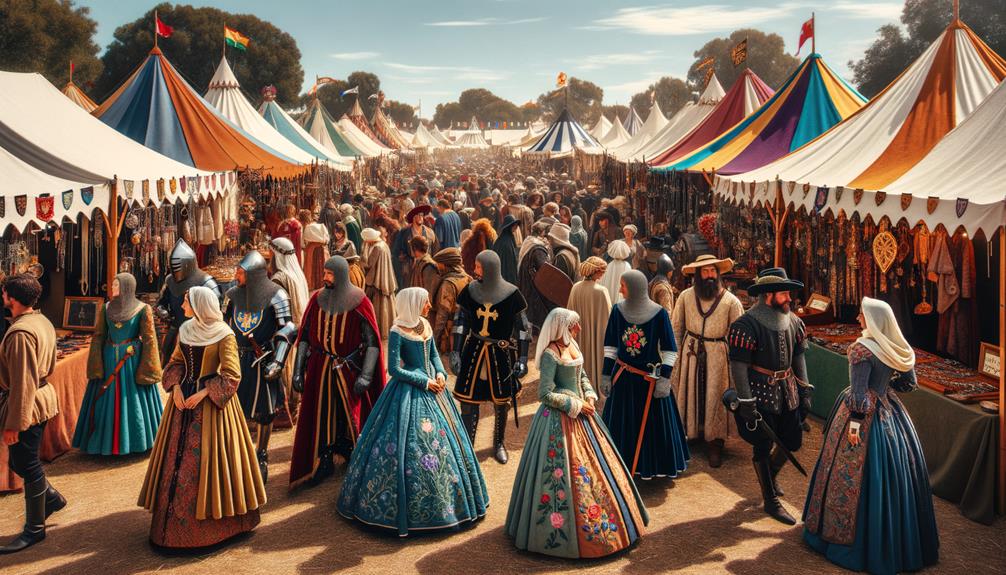
For dressing at a Renaissance fair, finding a balance between historical accuracy and comfort is key. Rich fabrics and detailed accessories add an air of authenticity, while practical footwear and strategic layering ensure the day can be enjoyed without restriction.
Essential Clothing Items
Core medieval clothing such as tunics, cowls, and cloaks enhances the experience and adds to the historical atmosphere. The authenticity of these garments places the wearer in an era where attire reflected social status and regional heritage.
Authenticity and comfort are the main criteria when selecting essential clothing for a Renaissance festival. Three vital pieces capture the character of the period:
- Tunics: A staple for both men and women, tunics were versatile and varied in length and style. They can be simple for a peasant look or elaborate with embroidery for a noble appearance.
- Cowls: These hooded garments provided warmth and a touch of mystery. Well suited to crisp mornings at the festival, they also add an element of authenticity to any outfit.
- Cloaks: Essential for both practical and aesthetic reasons, cloaks were worn by all classes. They offer protection from the elements and complete the medieval silhouette.
Accessorizing for Authenticity
Thoughtfully chosen accessories place the wearer in the medieval spirit and tell a story of the era. A well-crafted belt or a finely detailed buckle can complete the look.
Consider the elegance of a cowl or the dramatic sweep of a cloak. These pieces add authenticity along with a level of sophistication and mystery. For those seeking a knightly appearance, incorporating chainmail or armor creates a striking visual impact. Detailed headwear, from simple caps to elaborate headdresses, completes a character with historical accuracy.
When choosing accessories, focus on color, quality, and historical accuracy. Each piece should evoke the past and be carefully selected to sharpen the overall medieval attire. These details turn a costume into part of the Renaissance fair experience, where every accessory tells a story of a bygone era.
Where to Buy
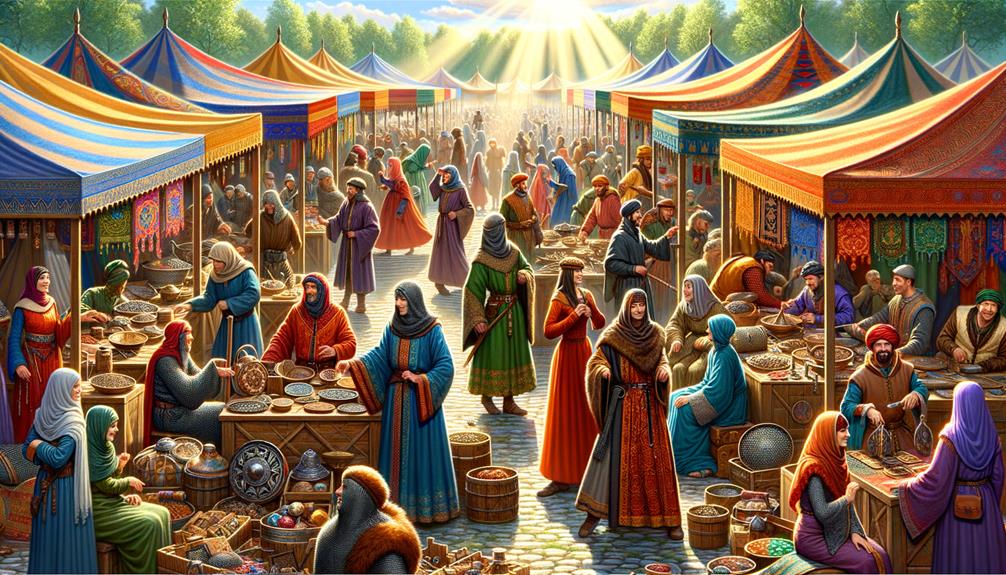
Finding medieval attire for fairs and festivals involves both online marketplaces and local costume shops with historical charm. Online marketplaces such as Etsy and Amazon offer a wide range of styles from peasant to nobility, each piece evoking the past. Exploring sources that cater to historical authenticity and personalized flair is worth the time.
Online marketplaces host numerous vendors specializing in Renaissance clothing, offering a range of styles. The convenience of browsing from home and reading reviews is undeniable.
Local costume shops carry medieval attire suited to fairs and festivals. They provide a tactile experience where the fabric and craftsmanship can be examined up close, ensuring a good fit.
Historical clothing designers and reenactment groups craft authentic medieval garments. A customized outfit can make the attire unique, reflecting personal taste and historical accuracy.
Frequently Asked Questions
What Should I Wear to a Medieval Festival?
The main options are a historically accurate velvet Renaissance dress, a whimsical fantasy costume, or a simple and comfortable peasant outfit. A balance between historical accuracy and creative flair makes for a look that is both unique and respectful.
What Did People Wear to Medieval Feasts?
Medieval feast attire shows the grandeur of the period. Noble guests displayed their wealth with lavish fabrics such as silk and velvet, while commoners wore more humble garments made of wool or linen. The intricate embroidery and ornate accessories that adorned each outfit made them striking.
What Should I Wear to Medieval Times?
A handcrafted tunic with chainmail suits a knightly theme, blending traditional medieval style with a degree of personal creativity and capturing the spirit of chivalry and bravery.
What Did Medieval People Do at Festivals?
At medieval festivals, people showcased their skills in crafts, music, and storytelling. Social classes mingled freely, enjoying feasts, traditional dances, and games like jousting. These celebrations also featured religious ceremonies, which added a communal sense to the festivities.