The 90s were a time when fashion was pulled in two directions: the raw, gritty look of grunge and the sleek, pared-down aesthetic of minimalism. Grunge emerged from Seattle’s underground scene, with its flannel shirts, ripped jeans, and combat boots, celebrating a sense of defiance and unpretentiousness. Minimalism, on the other hand, favored clean lines, neutral colors, and understated elegance, rejecting the excess of the 80s.
Both styles shared a disdain for consumerism and a desire for authenticity. The clash and blending of these contrasting aesthetics marked a significant shift in how people expressed their individuality. The legacy and cultural impact of these 90s fashion trends have a great deal more to say.
Origins of Grunge Fashion
In the late 1980s, the grunge fashion movement emerged from Seattle’s underground music scene, drawing influence from punk rock, metal, and garage rock. The look was raw and unfiltered, a rejection of the idea of impressing anyone. Flannel shirts became the uniform, a nod to the city’s working-class roots. The fabric was worn and often oversized, draped over band tees, embodying a sense of rugged authenticity.

Rock music fueled this fashion revolution. The musicians didn’t care for the polished looks that dominated the mainstream. They wore ripped jeans, combat boots, and layered their clothes in a way that suggested indifference. Grunge fashion was a middle finger to the consumerist culture that dictated what people should wear and how they should look.
There was a beauty in its rebellion, a raw individuality that broke from traditional beauty standards. It was a statement, a stance against materiality, and not just about clothes. This style challenged who people thought they had to be, not just what they wore. It was innovation through defiance, redefining fashion with a flannel-clad, rock-infused spirit.
Grunge Aesthetic and Trends
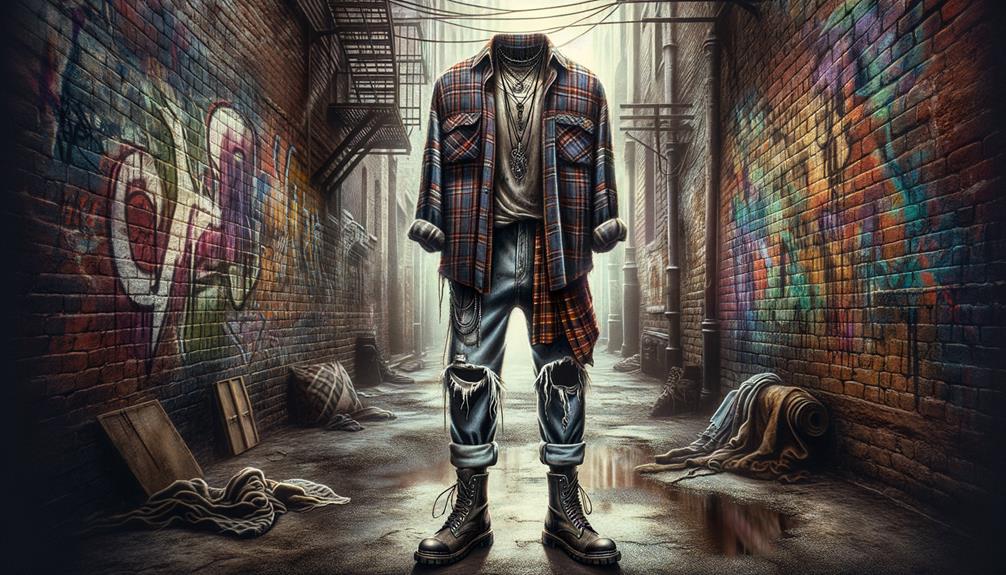
As grunge style emerged, flannel shirts, worn-out jeans, and combat boots became symbols of a raw, rebellious spirit. Originating from the Seattle music scene, grunge embodied an ethos rather than being just a fashion trend. Bands like Nirvana, Pearl Jam, and Soundgarden represented a stance against mainstream consumerism, not just playing music.
The grunge look was about minimalism, but not in a polished way. It was stripped-down, unpretentious, and authentic. Ripped jeans told a story of defiance and realness rather than being just a style choice. Flannel shirts, often layered over band tees, completed the aesthetic, adding a rugged, lived-in feel.
As youth subcultures adopted this nonchalant approach, grunge proved to be a lifestyle rather than a fad. It refused to conform, embracing rawness over refinement. As grunge infiltrated mainstream fashion, designers began to reinterpret it, fusing its raw spirit with luxury materials and creating a paradoxical blend of rebellion and sophistication.
In essence, grunge was minimalism with an edge. It was about rejecting excess and embracing individuality, making a profound impact on 1990s fashion and beyond.
Minimalist Fashion Elements
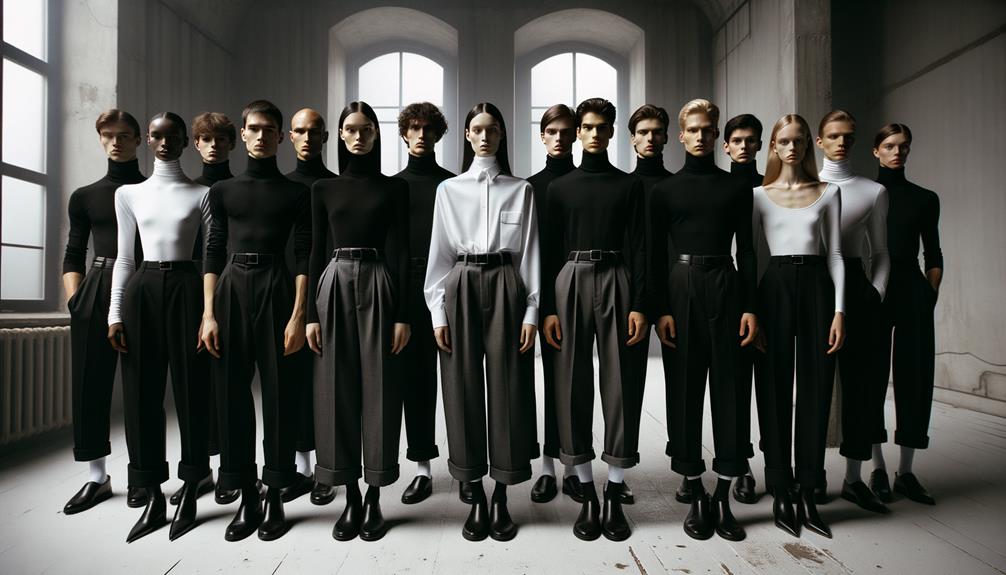
The 1990s marked a significant shift in minimalist fashion. Neutral tones, simple silhouettes, and functional accessories replaced the excess of the previous decade. This change reflected a more understated and thoughtful approach to style. The focus was on stripping away unnecessary elements and highlighting the inherent design. This minimalist aesthetic offered a refreshing alternative to the more ornate trends of the 80s. The clean lines and muted colors created a sense of sophistication and timelessness that appealed to a wide audience. It was a notable departure from the previous era’s bold statements, allowing the clothing and accessories to speak for themselves.
Neutral Color Palette
Neutral colors became a staple of wardrobes, reflecting the minimalist fashion trends of the 90s. The era’s emphasis on quality over quantity aligned with the clean, timeless elegance of neutral palettes. Black, white, gray, and beige became go-to choices, stripping away the excess of the 80s and embracing simplicity.
Designers like Calvin Klein and Jil Sander championed this pared-down aesthetic. Their work showcased how neutral colors could be both sophisticated and versatile. A few key qualities stand out:
- Versatility: Neutral tones allowed pieces to be mixed and matched effortlessly.
- Sophistication: The understated colors brought a sense of refined elegance.
- Focus on Quality: With fewer distractions, the quality of materials stood out.
- Timelessness: Neutral colors never felt tied to a specific trend or season.
The influence of minimalism and grunge was evident. While grunge leaned into a more rugged, laid-back vibe, minimalism focused on clean lines and high-quality materials. Neutral colors bridged both worlds, letting the construction of each garment shine. They became the foundation for a wardrobe that was both functional and endlessly adaptable.
Simple Silhouettes
In the 90s, uncomplicated silhouettes became the hallmark of minimalist fashion, stripping away unnecessary details to focus on pure form. Fashion moved towards simplicity, emphasizing clean lines and quality materials. Calvin Klein and Jil Sander were pioneers, reacting against the extravagance of the 80s. Their designs were like a refreshing respite, uncluttered and elegant.
Minimalist fashion was about feeling good, not just looking good. The move towards simplicity meant prioritizing comfort and functionality. Neutral color palettes and all-white looks from designers such as Calvin Klein and Jil Sander underscored this trend, creating an aesthetic that was both sophisticated and timeless.
Consider this comparison:
| Designer | Key Element | Impact |
|---|---|---|
| Calvin Klein | Clean lines | Timeless elegance |
| Jil Sander | Quality materials | Luxurious simplicity |
| Stella McCartney | All-white looks | Modern purity |
Minimalism in the 90s was a shift in mindset, more than just a fashion trend. It showed that elegance could be found in the simplest of forms, and sometimes, less truly is more.
Functional Accessories
When minimalist fashion took hold in the 90s, the accessories that emerged were as practical as they were understated. Leather tote bags, with their clean lines and functionality, fit perfectly into the minimalist ethos. Calvin Klein led the way, with designs featuring minimal hardware and discreet logos, embodying the simplicity that defined the decade.
Minimalist accessories were about usefulness, not just looks. This period saw a rise in:
- Zippered pouches: Great for organizing essentials without added bulk.
- Sleek laptop bags: Essential as the digital age grew.
- Streamlined briefcases: Combining professional polish with minimalist design.
- Simple wristwatches: Emphasizing function over ornate details.
Muted color palettes were the norm, fitting easily into any wardrobe. The rise of athleisure also contributed to this minimalist trend, with sporty, practical accessories becoming staples. Drawstring backpacks and nylon fanny packs, though simple, were incredibly useful. Jewelry followed suit, with thin-banded rings and understated pendant necklaces becoming mainstays.
The 90s’ minimalist accessories were innovative in their simplicity, their focus on functionality creating a timeless appeal.
Cultural Impact of Minimalism
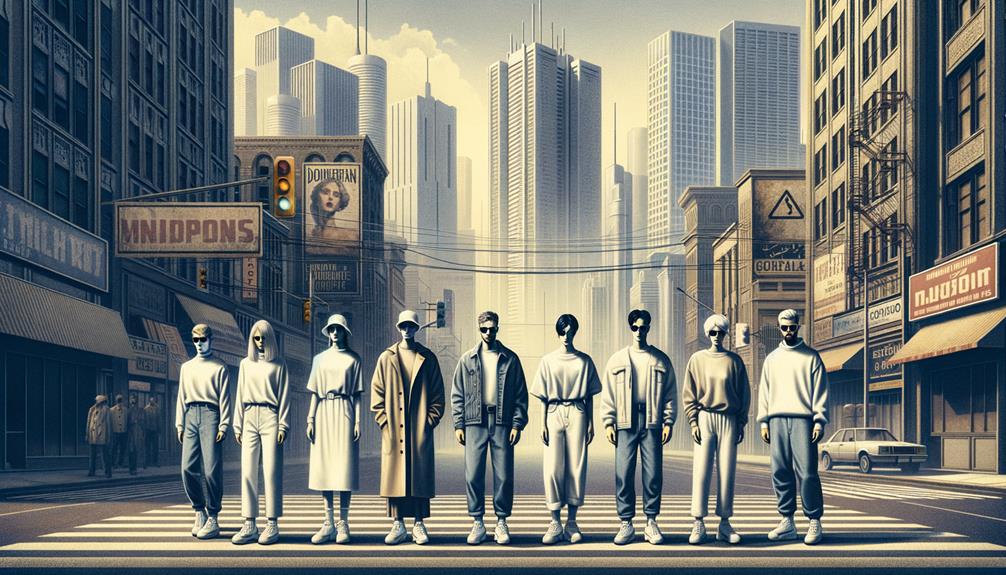
The minimalist fashion of the 90s was a marked shift from the flashy styles of the 80s. Simple, practical designs were embraced, prizing function and subtle elegance over excess. This cultural transformation moved wardrobes away from the bold, attention-grabbing looks of the previous decade. The focus on minimalism reflected a broader societal change, where the emphasis was placed on utility and refined aesthetics rather than ostentatious displays.
Simplistic Design Aesthetic
In the 1990s, fashion underwent a dramatic shift. Minimalism took center stage, stripping away the excesses of the previous decade. High fashion suddenly moved away from loud logos and flashy designs. The focus turned to clean lines and simplicity. Jeans, especially faded ones, became a symbol of this new aesthetic. They were versatile, understated, and effortlessly cool. This minimalist approach was a cultural reset, more than just a passing trend.
Designers like Calvin Klein and Jil Sander led the charge, rejecting the gaudy opulence of the ’80s in favor of something more refined. Their work emphasized restraint, prioritizing quality materials and timeless silhouettes. This design philosophy resonated deeply, influencing spheres beyond just fashion.
The impact of minimalism on culture can be understood through a few key points:
- Functional Simplicity: Clothing became more about utility and less about ornamentation.
- Timeless Appeal: Pieces were designed to outlast trends, offering enduring elegance.
- Environmental Consciousness: A shift towards sustainability and mindful consumption.
- Sophisticated Expression: The aesthetic emphasized subtlety over ostentation, reflecting a mature sense of style.
The minimalist aesthetic offered a fresh, innovative way to engage with fashion, an approach that still feels relevant today.
Rejection of Excess
The move towards minimalism was a rejection of the rampant excess that defined the 80s, not just a fashion statement. This approach seeped into every aspect of life, not just clothing styles. Fashion became a reflection of society’s growing desire to strip away the superfluous and embrace simplicity.
Designers like Calvin Klein and Jil Sander led this charge, their collections showcasing quality materials and timeless silhouettes. This was a stark departure from the flashy, embellished styles of the previous decade. The clean lines and neutral color palettes offered a sense of calm and clarity amidst the chaos of consumerism.
The minimalist approach permeated attitudes as well as clothing, and was clearly visible on the city streets. The shift towards anti-consumerism was palpable. People seemed to value thoughtful choices over mindless accumulation. Fashion had become a symbol of a broader cultural awakening, a collective yearning for authenticity and substance.
This pared-down, understated style shaped a new way of living, not just wardrobes. Minimalism was a cultural reset, a deliberate move towards mindfulness and intentionality, and more than a trend.
Functional Wardrobe Choices
As fashion trends shifted in the 1990s, wardrobes became more practical and intentional. The minimalist aesthetic, with its neutral palettes and clean lines, made it easier to mix and match pieces. This change felt like a response to the excess of the previous decade, a move towards simplicity and timelessness, and not just about style.
Leading designers like Calvin Klein and Jil Sander spearheaded this movement. Their collections prioritized versatile items that could adapt to various settings, and the idea of a capsule wardrobe gained ground. Four key elements defined functional wardrobe choices:
- Neutral Tones: Blacks, whites, and greys dominated, allowing for a wide range of outfits with fewer pieces.
- Quality over Quantity: Investing in high-quality, long-lasting items meant less clutter and better value.
- Versatility: Pieces like a sleek black dress or tailored trousers could transition easily from day to night.
- Timeless Design: Avoiding trends ensured wardrobe choices remained relevant year after year.
This shift towards minimalism reflected a cultural embrace of intentionality and simplicity, more than just a fashion statement.
Grunge Vs. Minimalism
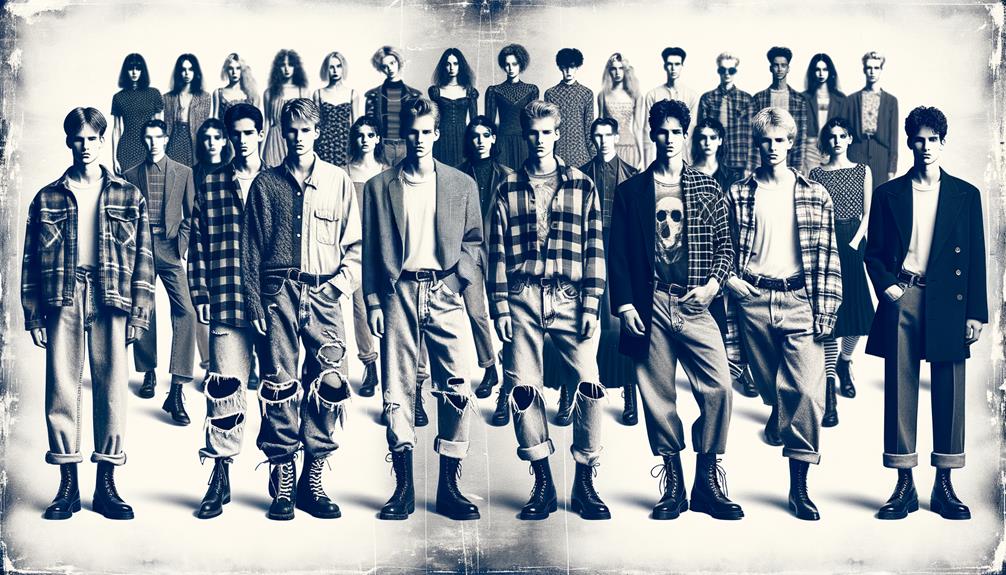
Grunge fashion and minimalist style were two distinct yet overlapping trends that defined the fashion landscape of the 1990s. Grunge emerged from the Seattle music scene, rejecting mainstream consumerism with its flannel shirts, distressed denim, and combat boots. Minimalist fashion, on the other hand, favored clean lines, neutral color palettes, and high-quality natural fabrics.
| Aspect | Grunge Fashion | Minimalist Fashion |
|---|---|---|
| Origin | Seattle music scene | High fashion runways |
| Key Elements | Flannel, distressed denim, combat boots | Clean lines, neutral colors, quality fabrics |
| Philosophy | Rejection of consumerism, raw aesthetic | Functionality, simplicity, timelessness |
| Influence | Monochrome schemes, layered looks | Geometric silhouettes, quality over quantity |
| Personal Expression | Rebellion and authenticity | Elegance and simplicity |
These two styles converged, leading designers to blend minimal and grunge-inspired elements, creating new and unique looks. Personal expression became central as grunge’s raw rebellion met minimalism’s refined simplicity, resulting in a balanced aesthetic.
The intersection of grunge and minimalist fashion in the 90s was striking. Grunge’s monochrome color schemes and minimalist geometric silhouettes demonstrated how these seemingly opposing forces could coexist. This timeless appeal continues to influence contemporary fashion, reflecting cultural shifts toward individuality and authenticity.
Legacy of 1990s Fashion
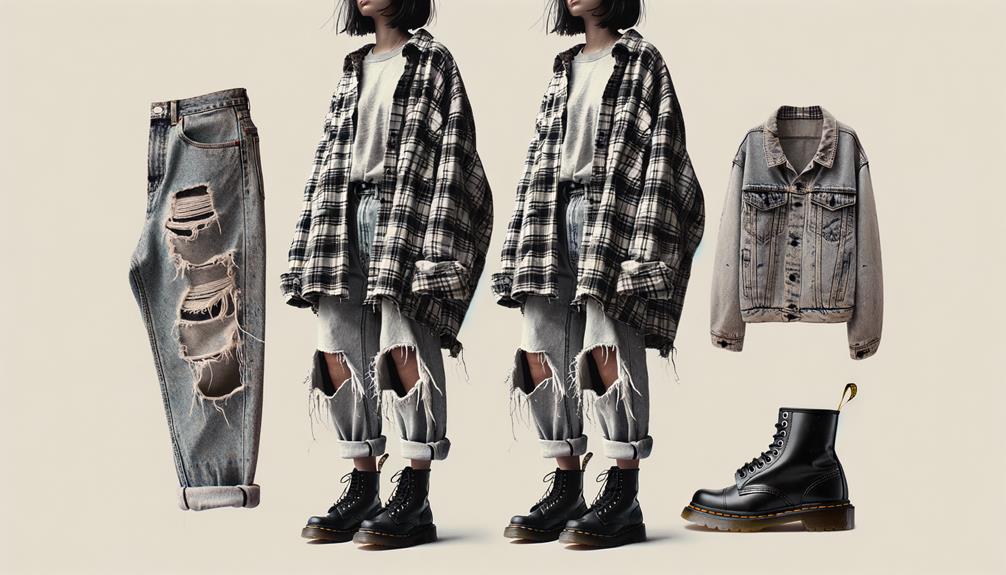
1990s fashion is an enduring influence on today’s style, not just a faint memory. The stark contrast between the polished minimalism and the rugged Grunge Movement of that era continues to shape contemporary fashion. Echoes of the ’90s appear in current trends, where simplicity and authenticity take center stage.
A resurgence of iconic pieces like slip dresses, mom jeans, and combat boots has been seen. These items reflect a timeless appeal woven into modern wardrobes, and do more than evoke nostalgia. The cultural impact of 1990s TV, music, and even early tech has rekindled fascination with both the aesthetic and ethos of the decade.
The 1990s’ shift to a more casual, laid-back approach paved the way for today’s focus on individualism and personal style. Here is how the legacy lives on:
- Minimalist designs: Clean lines and understated elegance continue to influence current fashion.
- Grunge elements: Distressed denim and flannel shirts remain wardrobe staples.
- Bold statements: Personal expression through fashion is still vital.
- Cultural nostalgia: Media from the ’90s fuels ongoing trends.
The enduring appeal of 1990s fashion is clear. It transcends time, continuing to inspire how people dress and express themselves today.
Frequently Asked Questions
What Was Minimalist Fashion in the 1990s?
In the 90s, minimalism in fashion was all about clean, simple lines and muted colors. It was a stark contrast to the excess of previous decades. The focus was on quality materials and timeless elegance rather than flashiness. It almost felt like a quiet rebellion against the over-the-top styles that had come before. The minimalist approach was all about function and sophistication, letting the clothes speak for themselves without unnecessary frills or embellishments.
What Was Grunge Style in the 1990s?
Grunge style in the 1990s was a raw, DIY (do-it-yourself) aesthetic that juxtaposed the polished, ostentatious fashion of the previous decade. This look emphasized comfort and individuality, often featuring flannel shirts, distressed denim, and sturdy combat boots. It challenged traditional gender norms, with both men and women adopting the same casual, androgynous attire. This style was a reaction against the materialism and excess that had defined 1980s fashion, prioritizing authenticity and a rejection of mainstream trends.
What Type of Clothing Was Popular During the 1990s?
In the 90s, oversized coats, high-waisted jeans, and crop tops were all the rage. Slip dresses paired with sturdy combat boots became a ubiquitous look. The fashion of the era embraced simplicity and a raw, effortless vibe, merging sophistication with an edgy sensibility.
What Was the Style of the Grunge Era?
Stepping into the grunge era was like entering a fashion rebellion. Oversized flannel shirts and ripped jeans were the uniform, but it was more than just clothes. Grunge style embodied an ethos of authenticity and androgyny, a deliberate dishevelment that signalled a rejection of mainstream norms. It was a sartorial statement of nonconformity, a reflection of the gritty, alternative music that defined the time. Grunge was raw, unapologetic, and strikingly individual, rather than polished or preened. The look captured the angst and disillusionment of a generation, creating a visual language that was as much a cultural marker as the songs that soundtracked it.
Conclusion
Looking back at the 1990s, the distinct contrasts and surprising similarities between grunge and minimalism are striking. Grunge, with its gritty, grimy aesthetic, coexisted with the clean, crisp appeal of minimalism. Both styles spoke to a yearning for authenticity and simplicity in a chaotic world. Their legacies continue to influence modern fashion in subtle yet significant ways. Fashion, like life, is a blend of rebellion and restraint.
The grunge movement, with its flannel shirts, ripped jeans, and distressed looks, seemed to clash with the sleek, pared-down style of minimalism. Yet, both styles resonated with a generation seeking a sense of raw, unvarnished expression. Grunge reveled in its imperfections, while minimalism embraced a refined, understated elegance.
These seemingly disparate fashion trends shared a common thread: a rejection of excess and a desire for simplicity. Grunge rebelled against the materialism and flashiness of the 80s, while minimalism offered a serene, pared-back alternative. Both styles conveyed a yearning for authenticity in a world that felt increasingly complex and commercialized.
Today, the influence of grunge and minimalism can be seen in the enduring popularity of effortless, understated fashion. Designers continue to draw inspiration from these 90s aesthetics, blending elements of grit and grace to create looks that feel both timeless and of-the-moment. In a world that often values excess, the appeal of simplicity and sincerity endures.