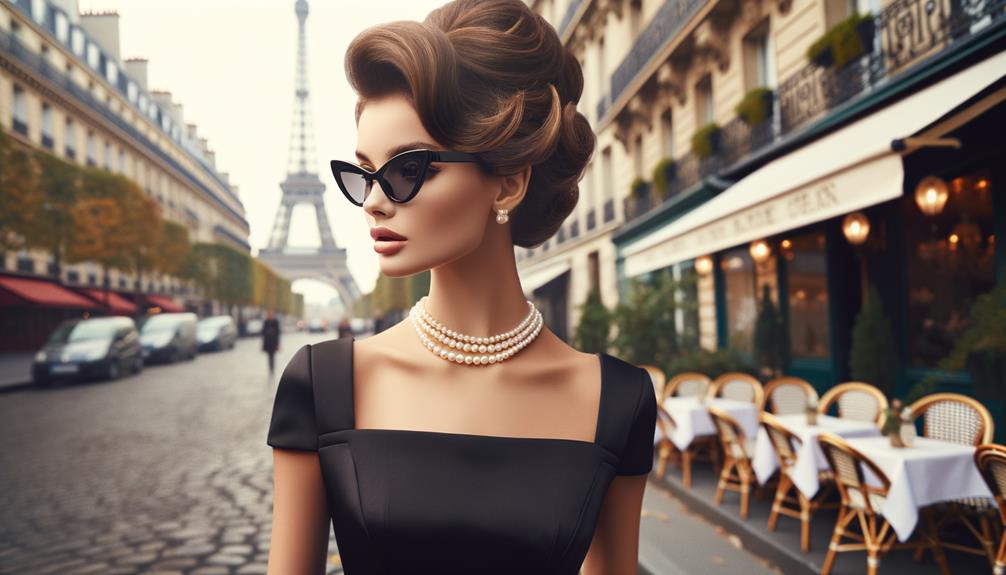
Coco Chanel’s influence on fashion is truly remarkable. Born in 1883, she began her career as a milliner in Paris and went on to revolutionize women’s fashion with her iconic designs. Her simplicity-meets-audacity approach blended French tradition with innovation, creating a style that’s still revered today. Chanel’s legacy can be seen in modern fashion’s clean lines, elegant fabrics, and timeless appeal. Her collaborations with renowned artists like Salvador Dalí and her impressive list of fashionable clients further solidify her legendary status. To understand why Chanel remains an icon, one need only explore the vast world of her influence.
Early Life and Career
Chanel was born Gabrielle Bonheur Chanel on August 19, 1883, in the quiet town of Saumur, France. After her mother’s death, she was sent to live with the Sisters of the Sacred Heart, where she learned to sew. That skill would shape her future in French fashion.

Chanel did not follow a traditional path. She started out as a milliner in Paris and opened her first boutique in Deauville in 1913, during the Belle Époque, a time of elegance and optimism. Her designs broke with tradition, introducing sporty, simple lines that distanced themselves from the fussy styles of the time. During World War I she secured exclusive rights to jersey fabric from Rodier in 1916, which allowed her to craft comfortable yet chic clothing, a revolution in itself.
Chanel adapted as the world around her changed. From the quiet town of Saumur to the bustling streets of Paris, her career was only beginning. Coco Chanel became a name synonymous with innovation, forever altering the landscape of fashion design.
Iconic Designs
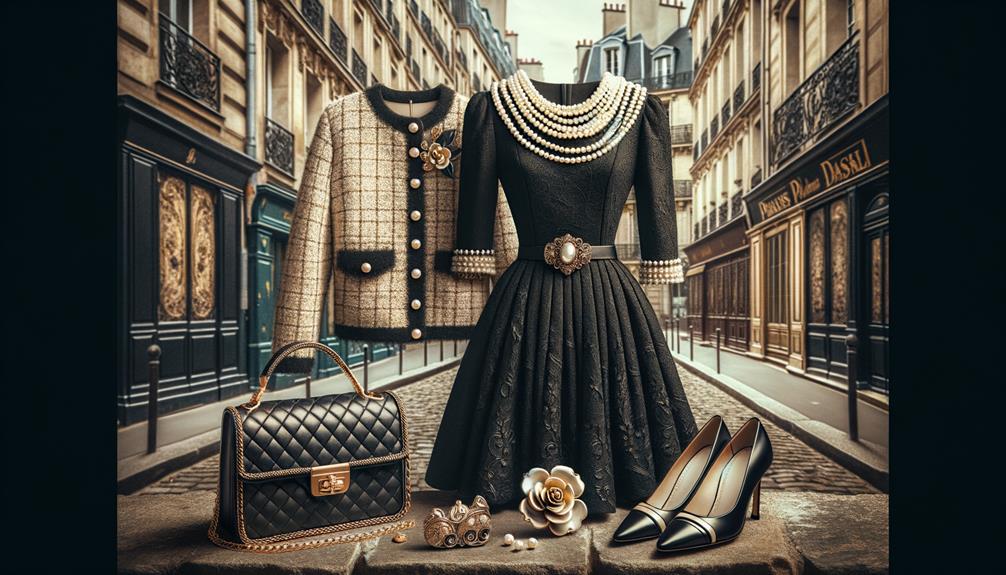
Iconic designs sit at the heart of Chanel’s story. The name Coco Chanel became synonymous with timeless elegance. She revolutionized women’s fashion in the 1920s with the introduction of the little black dress. Its chic simplicity broke away from the ornate styles of the time, and it quickly became a staple, embodying sophistication and versatility.
In the world of women’s fashion, the Chanel suit stands as a record of Chanel’s vision. Comprising a fitted jacket and skirt, it freed women from the constraints of corsets, offering comfort and style. The suit’s clean lines and elegant form made it a symbol of empowerment, quietly rebelling against restrictive norms.
Chanel’s designs always emphasized simplicity and audacity. For her, elegance was understated beauty. The French influence in her work is clear, blending tradition and innovation. Each piece she created was a step towards redefining what fashion could be.
Through her iconic designs, Chanel established a legacy that transcends time. Her work remains a benchmark in the fashion industry, and a lasting record of timeless elegance and enduring influence. Chanel is not just a brand; it is a statement of enduring style.
Influence on Modern Fashion
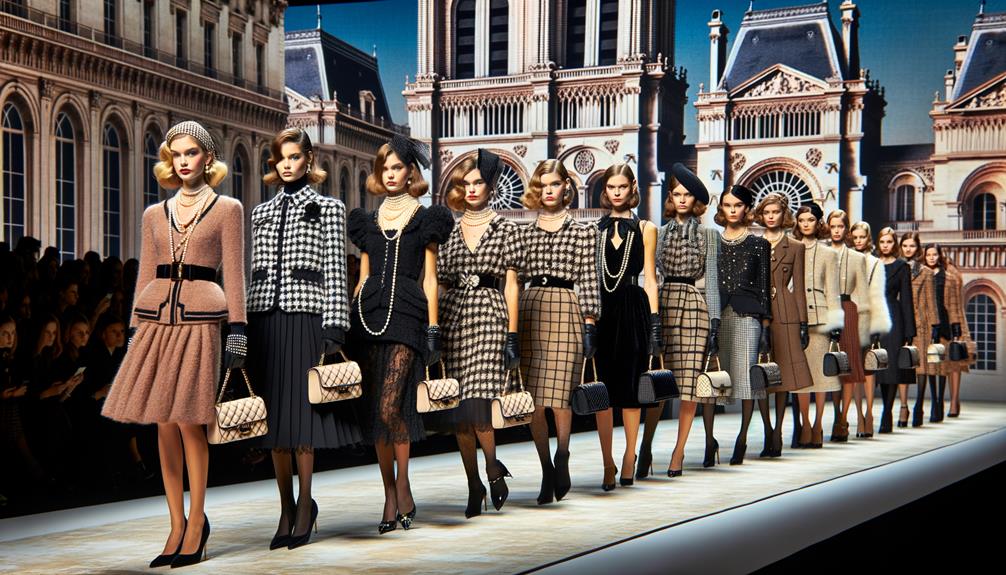
The echoes of Chanel’s iconic designs are easy to find in today’s fashion landscape. Her vision emphasized simplicity, clean lines, and minimal embellishment, principles that modern fashion continues to value. From the little black dress to tweed pieces, these timeless classics remain staples in women’s wardrobes worldwide.
When Chanel introduced menswear-inspired elements and costume jewelry, she was challenging conventions. These elements are now integral to contemporary fashion trends. Her personal style, grounded in elegance and sophistication, has become synonymous with the Chanel brand. Even today, designers and influencers draw inspiration from her experimentation with styles and materials.
Karl Lagerfeld, her successor as the house’s artistic director, carried that vision forward. His reinterpretation of the Chanel suit solidified its place as an enduring symbol of women’s empowerment and chic. Modern fashion reflects Chanel’s impact in several ways:
Timeless elegance remains a hallmark of fashion, with classic pieces like the little black dress remaining relevant.
Menswear-inspired elements are now a standard part of fashion, blending masculine and feminine aesthetics.
Costume jewelry continues to be a fashion staple, allowing individuals to express their personal style.
Her fondness for tweed fabrics endures, influencing contemporary designs.
In these ways, Chanel’s influence persists, shaping the very fabric of modern fashion.
Legacy and Impact
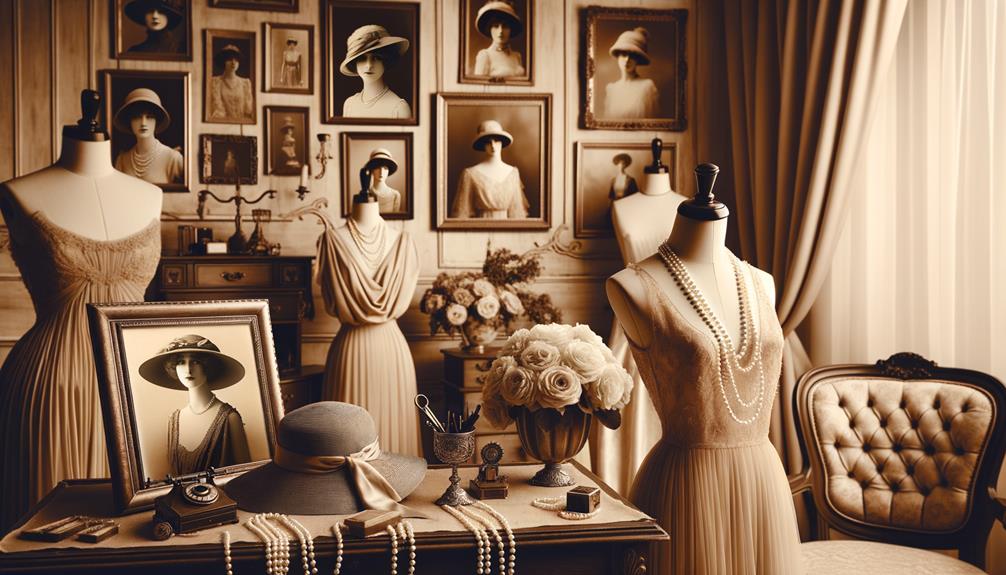
Chanel’s legacy persists through the timeless elegance and simplicity that define modern fashion. The iconic Chanel suit, designed to liberate women from restrictive clothing, stands as a lasting record of that vision. It goes beyond being a suit; it is a symbol of freedom and enduring style.
Chanel transformed the industry by introducing elements that were both practical and luxurious. The little black dress, one of Chanel’s great gifts to the world, revolutionized the way women dress for evening occasions. It is minimalist yet sophisticated, embodying the essence of timeless elegance.
The fashion house she established remains a hub of innovation. Her personal style, characterized by comfort and elegance, has left an indelible mark. She held that fashion passes but style remains. This philosophy is woven into the identity of the brand, ensuring its lasting impact.
Chanel No. 5, the house’s signature fragrance, captures the character of her work: bold, timeless, and memorable. Each creation from the house of Chanel reflects a commitment to quality and a belief in the power of simplicity.
Through these contributions, Chanel’s vision continues to shape and inspire the modern fashion landscape. Her legacy reaches beyond the clothes; it reaches into the very notion of what fashion can be.
Notable Clients and Collaborations
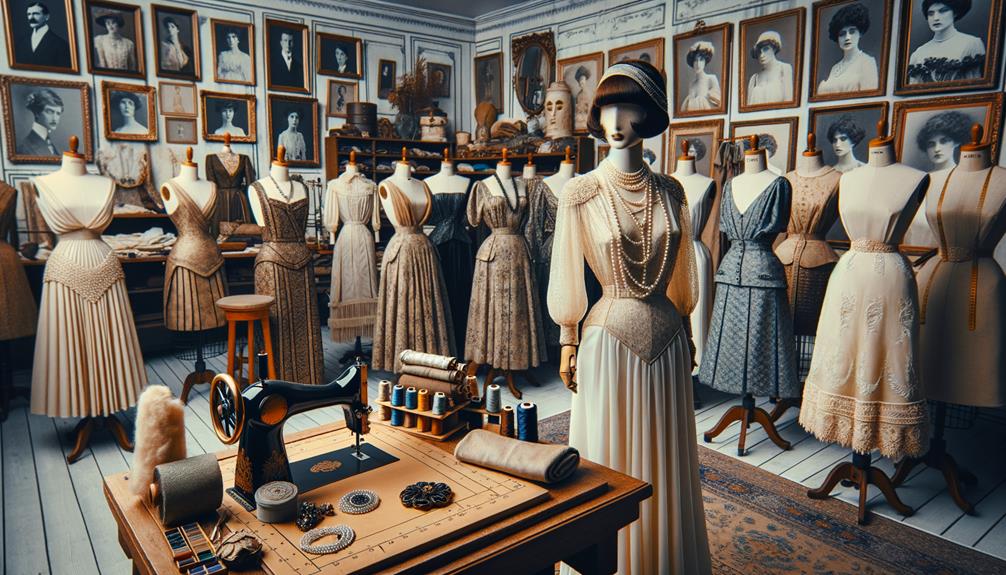
Throughout her career, Chanel dressed some of the world’s most influential women and collaborated with visionary artists. Her designs, rooted in clean lines and simplicity, pushed boundaries and allowed the wearer to project confidence and elegance.
Notable clients and collaborations include:
- Actresses: Marlene Dietrich, Grace Kelly, and Audrey Hepburn were among the luminaries who wore her creations. Each woman brought her own charisma to these designs, embodying the character of the house.
- Artists and Poets: Working with Salvador Dalí and Jean Cocteau expanded her creative vision beyond fashion. These collaborations gave her designs a depth traditionally associated with fine art.
- Jewelry: Partnering with jeweler Fulco di Verdura led to pieces that remain highly sought after. These creations show her ability to merge functionality with beauty, a quality the house still pursues.
- Ballet: Her relationship with Serge Lifar inspired costumes for the Ballets Russes, demonstrating her versatility. Designing for dance required garments that allowed freedom of movement while maintaining elegance.
Chanel’s approach to collaborations and client relationships cemented her place as a timeless fashion legend.
Frequently Asked Questions
Why Is Chanel so Timeless?
Chanel’s timeless appeal stems from its ability to blend simplicity, innovation, and elegance. The brand’s design philosophy resonates with those seeking lasting style over fleeting fashion trends. By combining classic and modern elements, Chanel creates pieces that transcend seasons and remain relevant for years to come.
What Type of Fashion Is Coco Chanel Known For?
Coco Chanel’s fashion is revered for its understated elegance, characterized by clean lines, minimal ornamentation, and a focus on comfort. She pioneered the concept of the little black dress, popularized tweed suits, and incorporated menswear elements into her designs. Chanel’s legacy continues to inspire, remaining a beacon of innovation in the fashion world.
Why Was Coco Chanel a Fashion Icon?
Coco Chanel became an icon because she rebuilt the rules of women’s clothing rather than merely following them. She removed the corset and the heavy trimming that had constrained women’s dress, replaced them with jersey and practical fabrics, and made comfort a central value. She shortened skirts, introduced trousers and sportswear into a woman’s wardrobe, and borrowed masculine elements such as tweed, jersey, and flat shoes. She turned costume jewelry into an accepted part of high fashion, made the little black dress a standard rather than an occasion garment, and turned perfume into a mass luxury. Her business was as notable as her designs, and her long association with the house she built kept her name visible for decades after her death.
Why Was Coco Chanel Important in the 1920s?
In the 1920s, Coco Chanel’s pioneering designs freed women from restrictive clothing. By paring away excess, she introduced simplicity and modernity to fashion. Her influence still drives fashion innovation and individuality today.