Naomi Campbell’s groundbreaking career has shattered racial barriers and redefined the term “supermodel.” As the first Black model to appear on the covers of French Vogue and Time, her impact on the fashion industry is undeniable. Her presence on runways, including Victoria’s Secret and New York Fashion Week, challenged traditional beauty standards. Campbell’s advocacy for diversity and inclusivity continues to inspire people both within and outside the fashion world. Her journey, marked by resilience and a relentless push for equality, shows the full extent of her transformative influence.
Early Career and Breakthroughs
Naomi Campbell’s journey began at 15 when she was discovered by scout Beth Boldt, setting the stage for a career that would have a lasting impact on the fashion industry. Her early steps made an immediate impact. Campbell’s presence was not merely noticeable; it was transformative. She became the first Black model on the cover of French Vogue and Time, breaking down barriers that had long confined the industry. These achievements were bold statements challenging established norms.

Her ability to adapt to different styles set her apart, proving she wasn’t limited by stereotypes. Each photoshoot and each runway, Campbell brought a unique blend of professionalism and talent that resonated globally. Over three decades, she inspired countless women of color to pursue modeling, shifting perceptions about Black talent in the fashion world. Her British roots intertwined with her international success, making her a global icon.
Guided by mentors like Bethann Hardison, Campbell met challenges head-on rather than simply navigating them. Her proactive and determined nature became a driving force, propelling her from an ambitious teenager to a fashion legend. Through her early career breakthroughs, Campbell redefined what was possible, setting a new standard in the industry.
Iconic Runway Moments
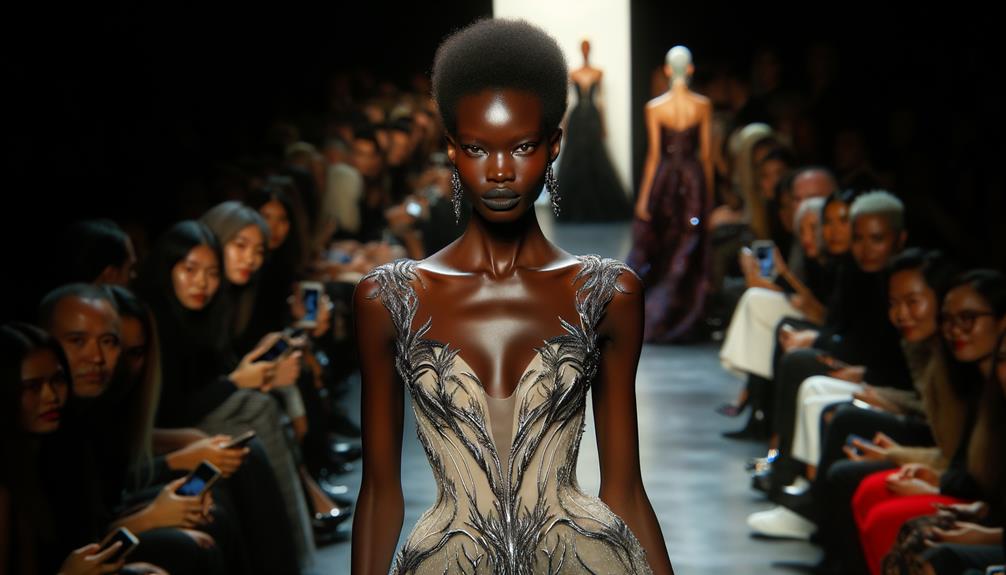
Among the most iconic runway moments in fashion history, Naomi Campbell’s electrifying presence on the catwalk stands apart. As a supermodel, her impact is unparalleled, and her runway appearances have continuously shattered beauty standards and set new benchmarks in the fashion world.
Four of her most unforgettable runway moments stand out:
- Roberto Cavalli 2007: This show solidified Naomi’s status as a supermodel. Her walk was the epitome of confidence and grace, leaving an indelible mark on the fashion industry.
- Victoria’s Secret 1996: Campbell’s debut on the Victoria’s Secret runway marked a significant shift, diversifying the models featured in the show and paving the way for a more inclusive fashion industry.
- New York Fashion Week with Marc Jacobs: Her debut at this event showcased her ability to redefine traditional beauty standards and resonate with a diverse audience.
- Presence and Walk: Naomi’s commanding presence on any runway is a masterclass in poise and elegance. Her walk goes beyond modeling clothes; it embodies the essence of high fashion.
These moments highlight Naomi Campbell’s enduring influence and innovation, forever altering the landscape of fashion.
Advocacy and Activism
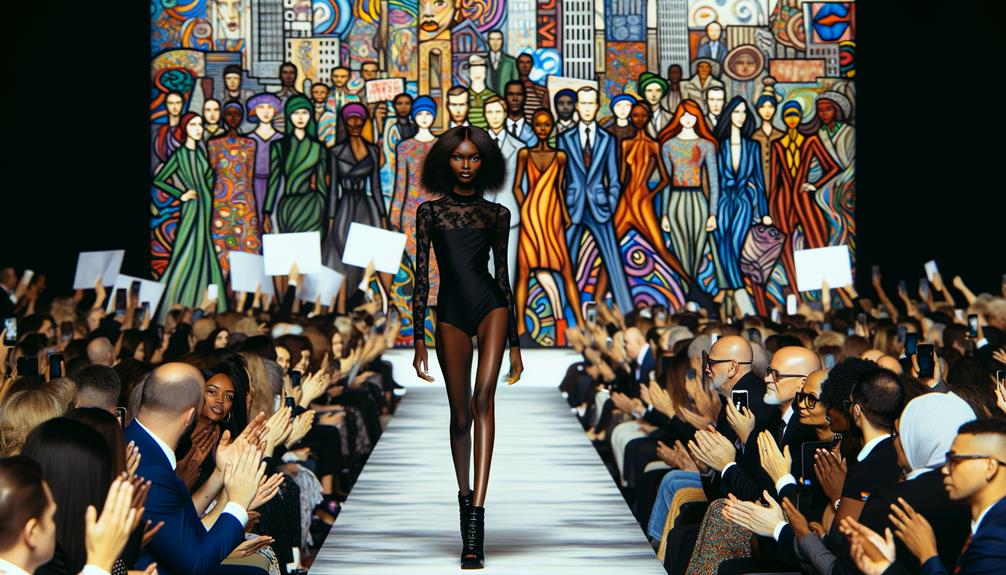
Beyond her iconic runway moments, Naomi Campbell’s unwavering commitment to advocacy and activism has reshaped the fashion industry’s approach to diversity and inclusion. When she became the first Black model to land the cover of American Vogue in 1989, it was a groundbreaking moment for representation of Black models. Her activism goes beyond being a face in the industry; she actively pushes for systemic changes.
Campbell has tirelessly advocated for more inclusivity and has been vocal about the racial discrimination that Black models face. She highlights the limited resources available for dark-skinned models backstage and calls out the industry’s lack of preparedness. By supporting rising stars like Adut Akech, she ensures that the next generation of Black models has a stronger foothold.
Her candid discussions about the industry’s shortcomings, including stylists being unequipped to work with Black models, have sparked essential conversations. Through her advocacy and activism, Campbell shines a light on racism and prejudice in fashion, inspiring others to challenge the status quo. Her efforts continue to pave the way for a more inclusive and equitable industry.
Overcoming Industry Challenges

Campbell’s journey through the fashion world reveals the grit and resilience needed to confront and transcend deeply rooted industry biases. As the first Black woman on the cover of French Vogue, she often found herself at the forefront of a battle against an industry that wasn’t ready to embrace diversity. She was not signed to a cosmetics house until 1999, a gap that reflected the prejudice models of color faced, and her 2019 NARS deal was reported as her first beauty contract.
Navigating these challenges required immense strength and a staunch determination to break barriers. Her experience offers several lessons:
- Persistence Pays Off: She kept pushing forward, believing in her worth and potential, even when faced with setbacks.
Speaking out for diversity mattered for future generations of models of color, not just for her. Having a network of supportive peers and industry insiders can help amplify those voices.
- Advocacy is Vital: Using her platform to raise awareness about the lack of diversity in the industry proved crucial.
- Allies Matter: Building relationships with people who share the same values was instrumental in dealing with the industry’s biases.
- Self-Belief is Key: Trusting in her abilities was essential in overcoming the obstacles she faced.
Progress has been made, but her experience highlights the ongoing need for inclusivity and representation. Her journey shows the resilience required to effect change in the fashion industry.
Legacy and Influence
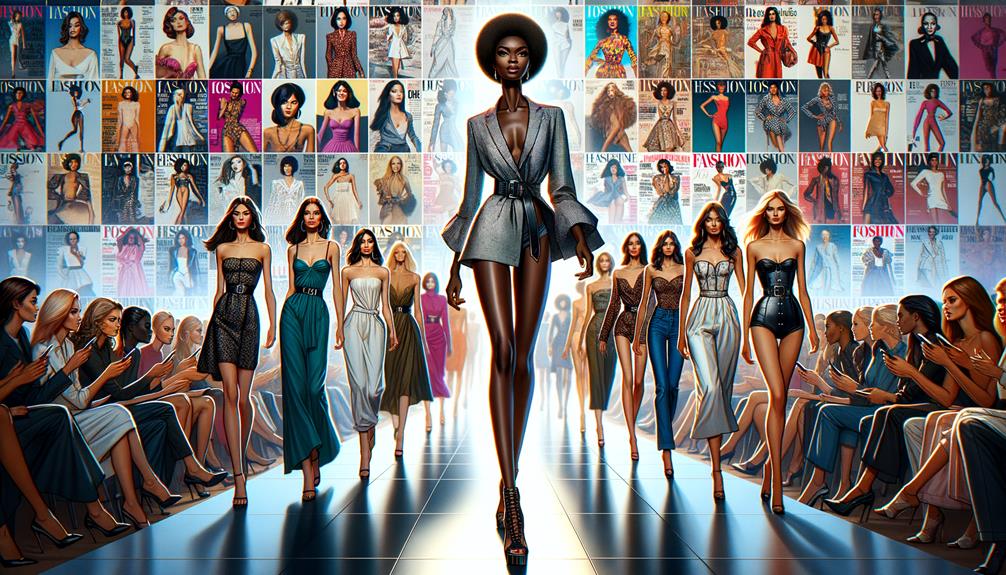
Campbell’s legacy and influence have reshaped the fashion industry, paving the way for future generations of models. Being the first Black woman to appear on the cover of French Vogue and Time was a significant milestone. It marked a shift in the industry’s mindset, setting a precedent for inclusivity.
When she walked the runway for Prada as the first Black model, and helped define the beauty ideal of the 90s alongside the original supermodels, it became clear that boundaries were meant to be broken. Her presence at Fashion Week, in campaigns for Ralph Lauren and Fendi, and as a muse for iconic designers like Azzedine Alaïa and Gianni Versace, cemented her role as a transformative figure.
Initiatives like Fashion for Relief, which raise funds and give back to the community, are a source of pride. Winning the CFDA Fashion Icon Award was a recognition of this journey. Younger models such as Bella Hadid draw inspiration from her career, which underscores the reach of her influence, especially for every Black girl dreaming big.
Frequently Asked Questions
What Happened Between Elsa Majimbo and Naomi Campbell?
Elsa Majimbo’s comedic genius caught the attention of supermodel Naomi Campbell, leading to a powerful creative partnership. Despite being from different generations, they connected online during the pandemic, highlighting the impact of mentorship and the importance of nurturing emerging talent.
How Has Naomi Campbell Affected Society?
Naomi Campbell’s influence on society has been profound, thanks to her tireless efforts to promote diversity and inclusion. She has broken down barriers in the fashion and entertainment industries, paving the way for others and making significant strides towards a more equitable industry for future generations.
Why Is Naomi Campbell a Role Model?
Naomi Campbell is a role model because she broke down racial barriers in the fashion industry, founded Fashion for Relief to support philanthropic causes, and consistently pushed the boundaries of what’s possible. Her journey encourages people to think outside the box and challenge norms in their own field.