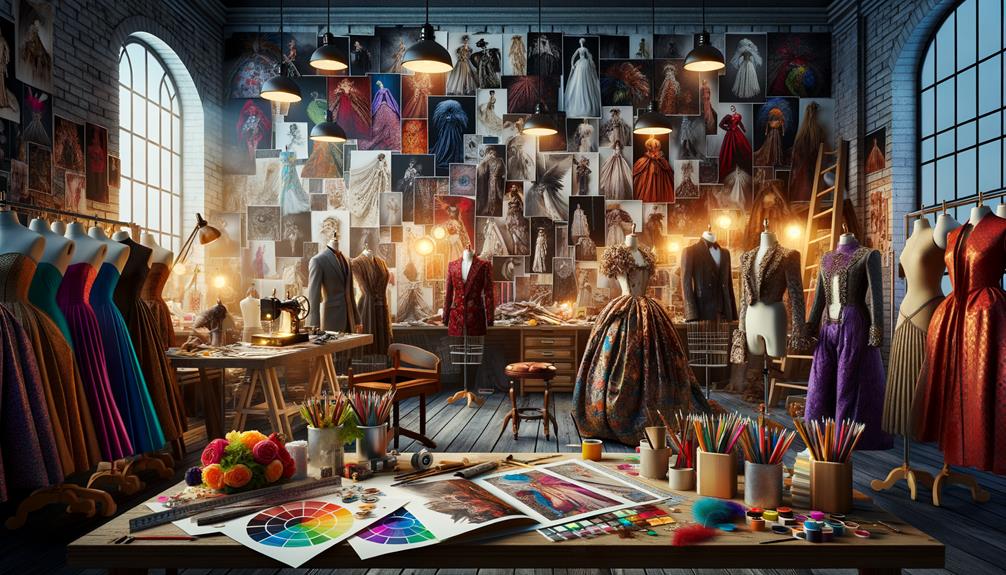
Costumes are more than clothes. They bring characters to life. A hero’s cape or a villain’s dark robes instantly convey their story. Historical accuracy can transport an audience to another era, while the color and fabric of a costume reveal a character’s personality and emotions. Silk often symbolizes wealth, while tattered cloth hints at downfall. Subtle changes in a character’s wardrobe can signal growth or decline. The meticulous collaboration behind the scenes ensures that every detail strengthens the story.
The Role of Costumes
Costumes play a vital role in shaping a character’s identity and intentions on stage or screen. The way a costume can transform someone depends on more than fabric or color. Costume design is essential to storytelling, subtly conveying a character’s inner world, status, and sometimes even their secrets.

A well-crafted costume can instantly convey a character’s era, profession, and personality without a single word. A simple change in attire can shift the audience’s perception, making them see a hero, a villain, or an enigma. In innovative productions, costume design becomes an art form that pushes boundaries and challenges traditional aesthetics. Using futuristic materials and unconventional silhouettes, for instance, can redefine what a character should look like and open new dimensions in narrative expression.
The power of a costume lies in its ability to merge functionality with creativity. It goes beyond aesthetics to enrich the character’s journey and the audience’s experience. The role of costumes in visual storytelling is a central element in bringing characters to life.
Historical Accuracy
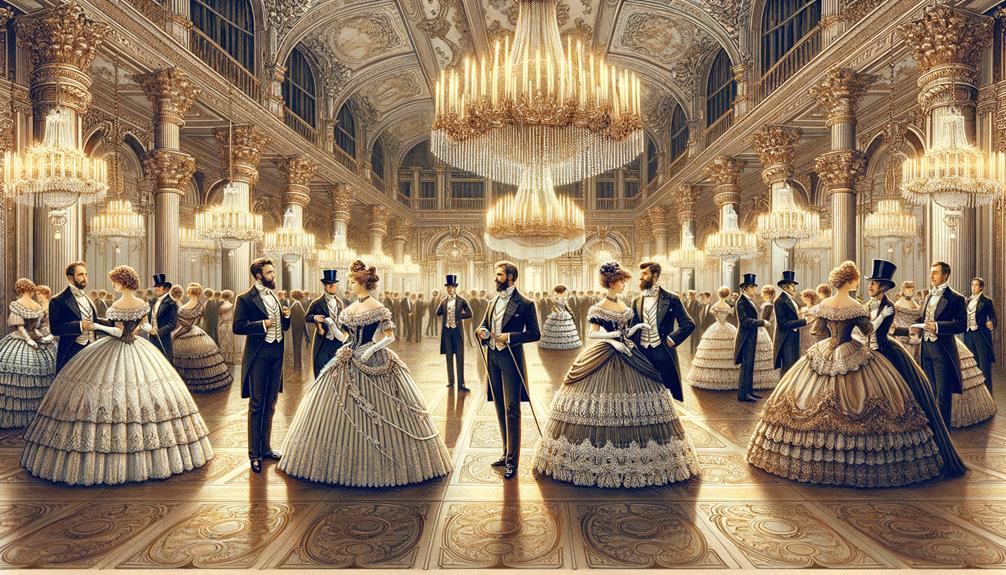
One of the biggest challenges in costume design is finding the balance between historical accuracy and captivating the audience’s imagination. Achieving it requires meticulous research into historical clothing, scouring archives, old paintings, and even vintage garments to gain a deep understanding of the fabric, cut, and style of a specific era.
However, the goal is not simply to replicate what people wore centuries ago. It is to give these garments new life. Historical clothing must resonate with modern viewers, making them feel as though they have stepped into another time while still being visually compelling. Colors or fabrics are sometimes adjusted to read better under stage lights or to highlight a character’s role within the narrative.
Historical accuracy grounds a story in a tangible reality, though the audience’s perception still matters. Too much rigidity can make costumes look like museum pieces rather than living elements of the story. This balance between authenticity and innovation is what makes costume design a dynamic storytelling tool.
Personality and Background
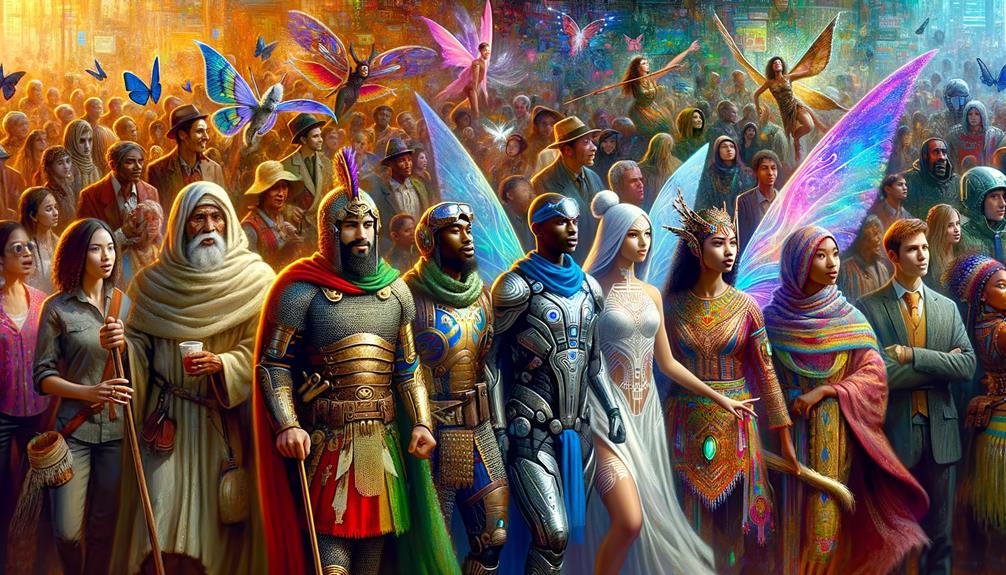
The colors and fabric choices in a character’s costume can be very revealing. Bright, bold hues may suggest a confident or vibrant individual, while muted tones could indicate a more reserved nature or a somber past. Historical and cultural accuracy in these choices can say a great deal about who a character is and where they come from.
Colors and Fabric Choices
Careful selection of colors and fabrics can reveal a character’s personality and background with real precision. The texture, weight, and movement a fabric brings to a portrayal both matter. Colors can signify anything from social status to emotional state, and they can transform a character’s presence on stage or screen.
Consider the following table as a guide:
| Character Trait | Color Choice | Fabric Choice |
|---|---|---|
| Wealthy | Deep jewel tones | Silk, Velvet |
| Innocent | Pastels | Cotton, Linen |
| Rebellious | Dark shades | Leather, Denim |
| Mystical | Iridescent colors | Chiffon, Organza |
| Practical | Earth tones | Wool, Canvas |
Colors and fabric choices serve as silent narrators, communicating details that dialogue might not cover. Leather on a rebellious character conveys toughness and defiance. Pastel cotton on an innocent character suggests purity and simplicity. These choices are deliberate and carefully considered.
Innovative costume design demands creativity. Experimenting with unconventional materials or unexpected color palettes produces a richer, multi-dimensional portrayal. The right combination of colors and fabrics does more than dress a character. It brings them to life and grounds their story in visual authenticity.
Historical and Cultural Accuracy
Understanding the historical and cultural context of a character is crucial in costume design, as it roots them in a believable reality. Designers study the era and culture the character inhabits in depth. Historical and cultural accuracy gives a costume its life. Without it, even the most visually striking design can feel hollow.
The work typically begins with research into the period’s social norms, fashion trends, and everyday artifacts. This research informs both the fabric choices and the garment construction techniques. The draping of a Roman toga or the intricate embroidery in a Qing Dynasty robe each tell a story. Every stitch and seam must resonate with historical fidelity to make the character authentic.
Cultural nuances matter just as much. They highlight a character’s background and personality. Cultural symbolism, such as the significance of color in different societies, can add depth to a costume. Embracing historical and cultural accuracy ensures that every costume feels like an organic extension of the character, making the story visible and felt.
Symbolism in Design
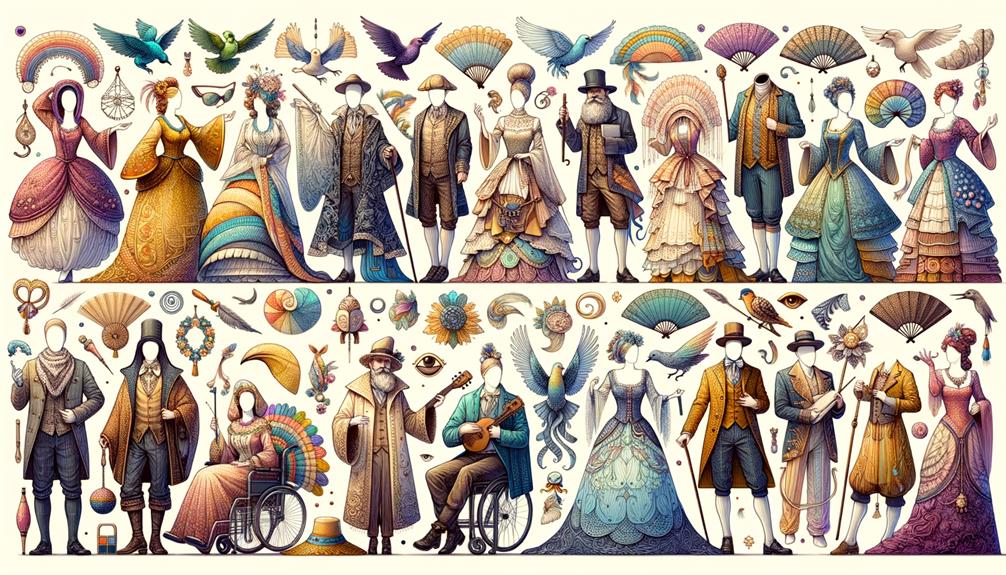
The colors chosen in costume design can reveal a character’s emotions and intentions. Accurate historical costumes ground a character in time and add depth and authenticity to the story. The texture of the fabric also plays a significant role, shaping perceptions of a character’s social status and personality.
Color Choices Matter
Color choices in costume design go beyond aesthetics. They are powerful tools that evoke emotions, convey social status, and reveal character traits. A carefully selected color palette can differentiate characters, settings, and time periods, adding depth to a narrative. A protagonist in vibrant red might symbolize passion and intensity, while a character draped in muted greys may exude melancholy or mystery.
The cultural symbolism of colors must be considered, since a color’s meaning varies widely across cultures and misreading it can mislead an audience. White, for instance, often symbolizes purity in Western cultures but can represent mourning in some Eastern traditions.
The 60-30-10 rule balances colors effectively. Applying a dominant color to 60% of the costume, a secondary color to 30%, and an accent color to 10% creates visual harmony and draws attention to key elements.
The right color choices strengthen storytelling, making characters more relatable and memorable. They transform mere fabric into a narrative tableau that tells a story before a single word is spoken.
Historical Accuracy Importance
In costume design, getting the colors right is crucial, and ensuring historical accuracy adds another layer of authenticity and symbolism to a character’s portrayal. Every stitch, button, and seam must resonate with the era being depicted. This attention to detail is about transporting the audience to a specific time and place.
Historical accuracy goes beyond visual appeal. It embeds a character with a deeper sense of place and time. A character from the Victorian era, adorned in the correct silhouette and fabrics, immediately conveys societal norms and personal status. These details say a great deal without needing a single line of dialogue.
Working within historical constraints can spark creativity. Faithfully recreating historical attire requires innovation while staying true to the era. It is a balance between respecting the past and bringing fresh insights into the character’s world. Historical accuracy in costume design cannot be overstated. It is about looking the part and embodying it, and inviting the audience to do the same.
Fabric Texture Impact
Fabric texture is more than a tactile experience. It is a powerful symbol that conveys a character’s status, personality, and emotional state, which is why fabrics are chosen for what they communicate.
Silk and velvet are luxurious fabrics that often symbolize wealth and high status. Silk immediately conveys sophistication and elegance.
Linen and cotton are practical and breathable, often used to represent characters with humble or hardworking backgrounds.
Leather and suede are tough and rugged, suited to characters who are warriors or adventurers, and reflect resilience and strength.
Tattered and frayed fabrics, on the other hand, convey distress or a fall from grace, showing a character’s emotional turmoil or decline.
Evolution of Characters
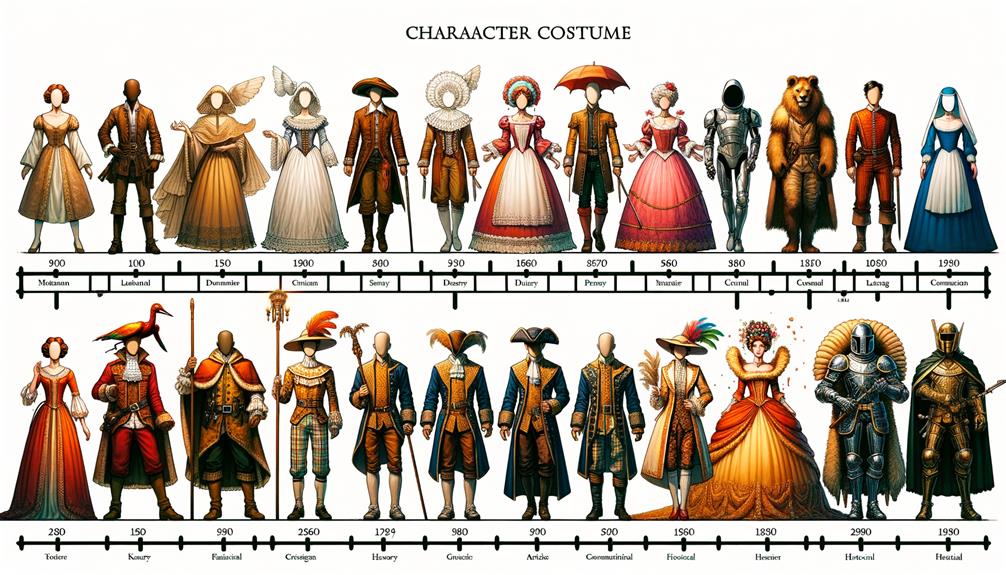
Costumes have played a crucial role in shaping characters on stage and screen. A character’s attire mirrors their growth, inner conflicts, and eventual transformation. The initial costume often represents who they are at the start, whether a blank slate or a deeply defined persona. As the narrative progresses, subtle changes in wardrobe can signal shifts in emotional or psychological state, guiding the audience through the journey without a word spoken.
A character in a play who starts in tattered clothes, symbolizing struggle and hardship, may end the story in garments that have become rich and elaborate, reflecting newfound strength and status. This visual transformation is not merely aesthetic. It is an integral part of storytelling, revealing layers of the character’s development that dialogue alone could not achieve.
In film, costume designers meticulously craft each piece to resonate with the character’s arc. Their approach brings depth and allows the evolution of characters to be witnessed in a profoundly visual way. Without these deliberate costume shifts, a crucial element of storytelling would be lost.
Team Collaboration
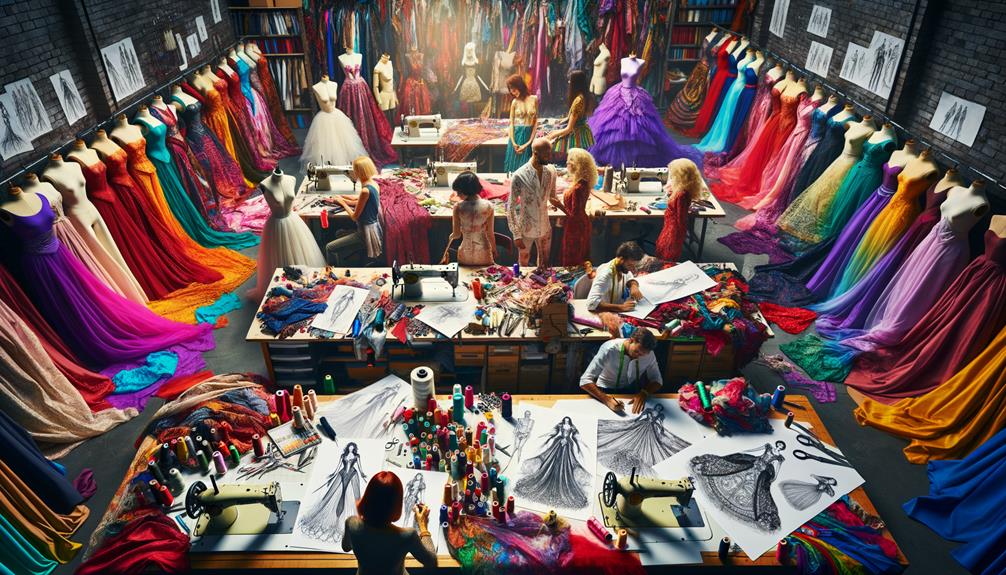
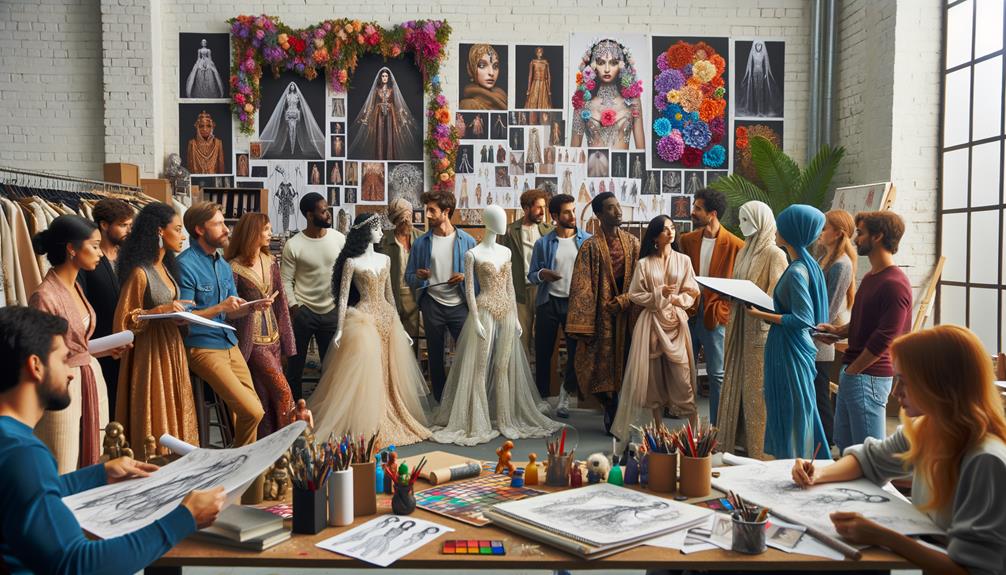
Creating memorable characters on stage and screen depends on the power of teamwork. Every costume that brings a character to life is the result of countless hours of dedicated collaboration. Innovation rarely happens in isolation, but through the collective effort of many different minds.
From the initial concept to the final fitting, each step requires close collaboration:
- Brainstorming Sessions: Writers, directors, and designers work together to align on the character’s vision.
- Sketch Refinements: Illustrators develop ideas on paper, refining details based on team feedback.
- Material Selection: Fabric experts and designers search for the perfect materials, balancing aesthetics and functionality.
- Fitting Sessions: Tailors and actors work together to verify the costume is both visually stunning and comfortable.
These collaborative stages are crucial. When everyone contributes their expertise, the result is a costume that fits the character and strengthens the storytelling. Each member of the team contributes a distinct element, and it is through their combined effort that characters truly come to life.
In costume design, the whole is greater than the sum of its parts. The final product reflects the power of collaboration.
Frequently Asked Questions
What Can Costumes Tell Us About a Character?
Costumes offer a window into a character’s personality, background, and growth. Subtle details, such as the choice of fabric or color palette, reveal their journey and internal struggles. These elements add depth to storytelling, making characters more relatable and dynamic.
What Is the Purpose of Costumes?
The purpose of costumes is considerable. They have the power to transform, acting as a bridge that connects imagination with reality, adding depth, context, and identity to characters, and making stories more immersive and emotionally resonant for the audience.
What Do Costumes Symbolize?
Costumes symbolize transformative power, allowing people to step into new identities and perspectives, sparking creativity and self-reflection. A simple costume change can be empowering, inspiring new ideas and challenging assumptions.
How Costumes Affect Your Character?
Costumes have a profound impact on performance, allowing an actor to inhabit a character’s world fully. Wearing a costume helps tap into a character’s personality, mannerisms, and traits, which sparks creativity and brings the character to life in a more authentic way.