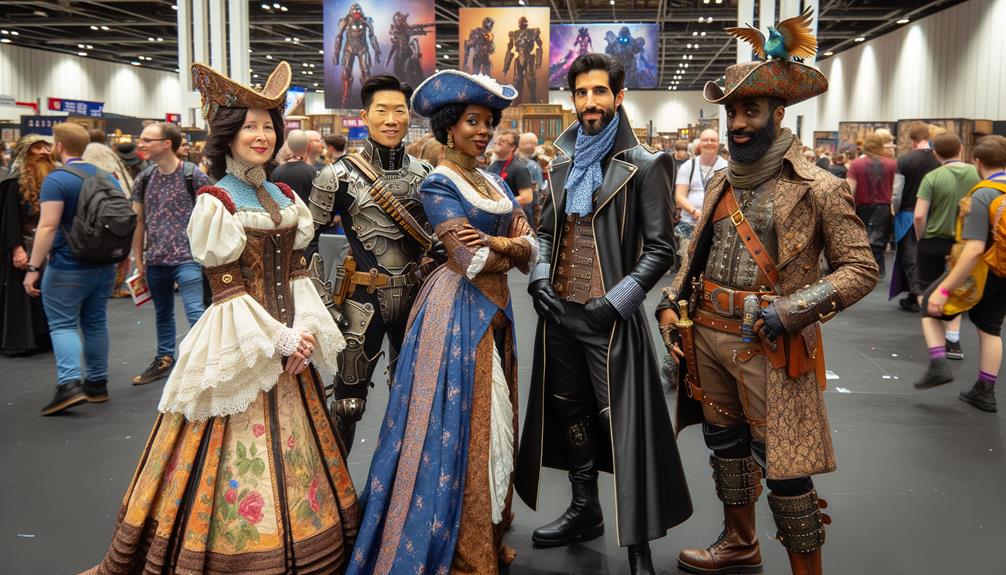
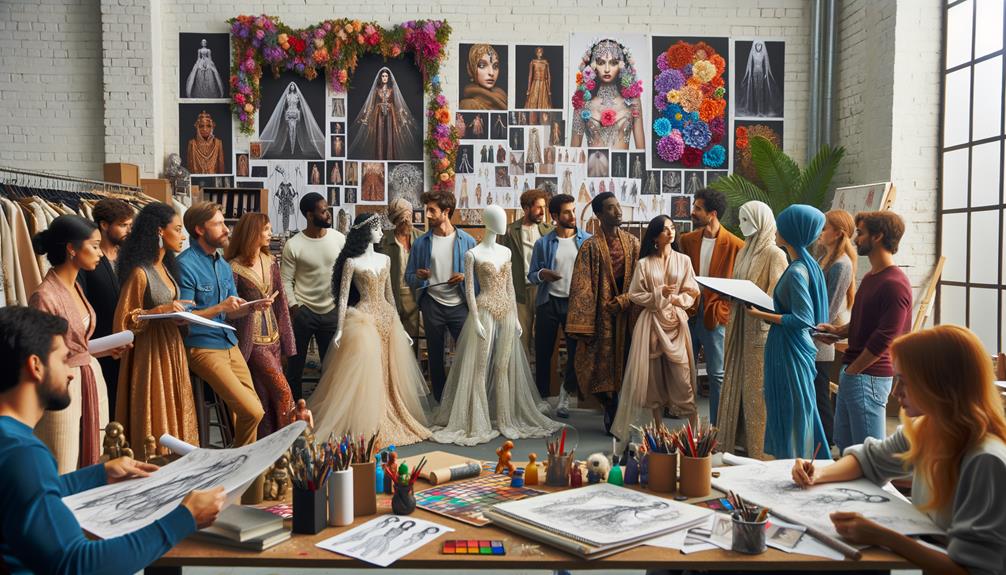
Designing outfits for stage and screen is about more than dressing characters. It is about bringing their personalities to life through fabric. Cuts, colors, and textures are selected to reflect the journeys, struggles, and triumphs of the people wearing them. Historical accuracy demands close attention to ancient texts and museum archives in order to capture the authentic feel of an era. Close collaboration with directors keeps the design aligned with the narrative’s core, joining art and storytelling into one coherent whole. Fabrics must balance comfort against durability, and every fitting refines the design.
Understanding Character Development
Understanding a character’s development is central to creating attire that resonates with their journey. Every stitch and fabric choice should mirror the character’s transformation, reflecting their inner turmoil and triumphs. Clothing serves as more than a visual tool. It acts as a narrative device that says a great deal about the individual wearing it.

The question of how a person’s attire evolves as they grow sits at the center of this work. What does their clothing say about their past, their aspirations, and their internal conflicts? A character beginning their journey in muted, torn fabrics might move into richly textured, vibrant outfits as they gain confidence and purpose. Each element, from the cut to the color palette, must be chosen with that growth in mind.
Costume design aims to do more than adorn a character. It makes the clothing an extension of who they are, pushing the boundaries of the craft to give the character’s story visible form.
Researching Historical Accuracy
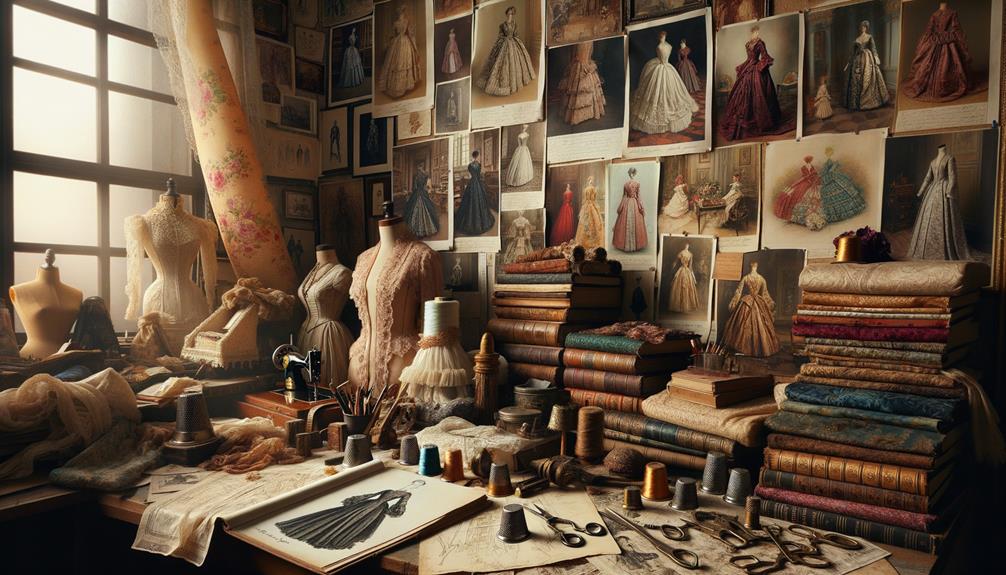
The intricate details that define an era’s unique style reward close study. The pursuit of authenticity depends on recovering the secrets of ancient textiles, forgotten techniques, and period-specific embellishments. Recreating garments is only part of the job. The social and cultural context behind each stitch and seam matters just as much.
Designers draw on a wide range of resources. Manuscripts, paintings, and surviving garments establish the aesthetic of a period. Each of these sources reveals something different about how people dressed, and reading them carefully is the work itself.
Manuscripts and texts provide valuable insights into the materials and techniques used during a particular time. Paintings and artworks reveal how garments were worn and styled. Existing garments offer a tangible connection to the craftsmanship of the time. Museum archives hold a great deal of detailed information and authentic examples.
This meticulous process of researching historical accuracy grounds costume work in the elegance and authenticity of bygone eras, while leaving room for innovation from a modern perspective.
Collaborating With Directors
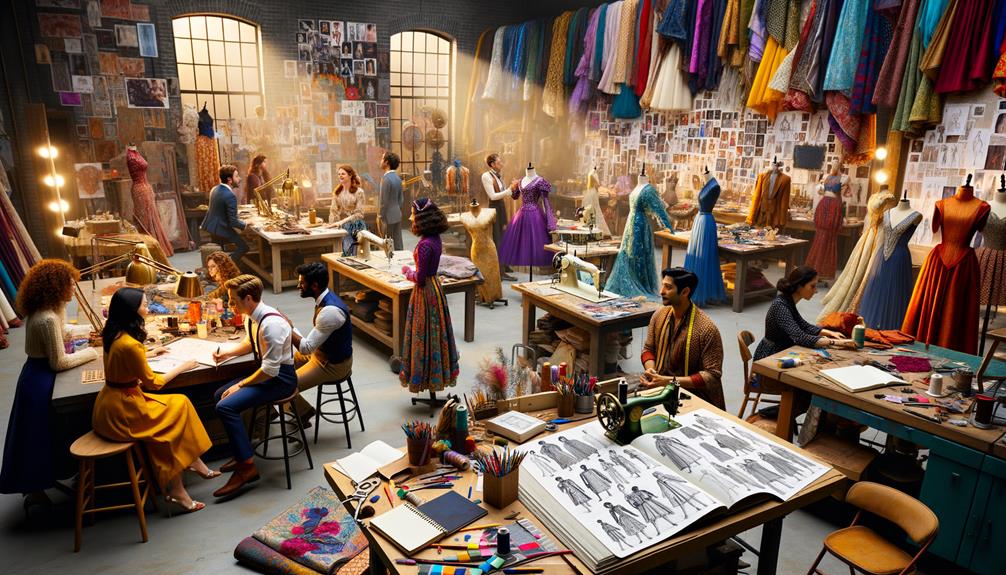
Collaborating with directors is a delicate dance, where every step aligns creative vision with narrative intent to produce a unified aesthetic. The balance is a matter of merging instinct with the director’s conceptual vision in order to craft characters that resonate on stage and screen.
Early meetings involve reading scripts closely, sharing visual references, and exchanging perspectives. These conversations are a crucible where ideas are refined and tested. The director’s insights shape the approach, guiding costumes that support storytelling while staying true to the characters’ essence.
On set, designs adapt constantly in response to a evolving vision. Sometimes the change is a subtle adjustment, such as altering a color palette or rethinking a silhouette. At other times it is more profound, with an entire look reimagined to better fit a scene’s emotional tone.
This intricate dance with directors pushes the work to improve, ensuring each costume complements the narrative and adds depth to it. The result is a visually striking narrative that resonates with audiences.
Choosing Fabrics and Materials
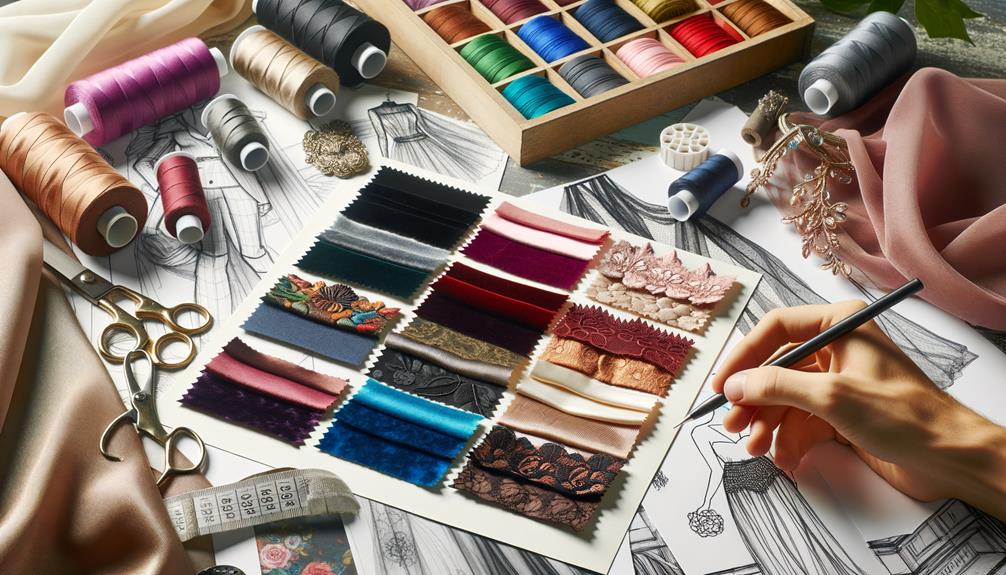
When selecting fabrics, durability and comfort are weighed alongside their visual appeal. It is a delicate balance, ensuring the material withstands wear while creating the desired aesthetic. These choices ultimately define the essence of the outfit and the story it tells.
Durability and Comfort
Selecting the right fabrics and materials for costumes requires a delicate balance between durability and comfort, ensuring that each piece not only looks stunning but also feels good to wear. For actors performing under bright stage lights or in physically demanding scenes, breathability and moisture-wicking properties are crucial. The weight and drape of the fabric also contribute significantly to the aesthetics and functionality of the costume.
Natural fibers like cotton, linen, and silk offer exceptional comfort and breathability, making them ideal for lengthy performances. They allow the skin to breathe and can wick away moisture. Synthetic fibers like polyester and nylon provide superior durability, but may compromise comfort. Designers must weigh the benefits and drawbacks carefully.
Some key factors to consider include:
- Breathability: Natural fibers help prevent overheating.
- Durability: Synthetic fibers stand up to repeated wear and tear.
- Care Requirements: Some fabrics require special maintenance, which can impact costs.
- Weight and Drape: Heavier fabrics suit structured designs, while lighter ones suit ethereal looks.
The choice of fabric significantly affects the entire experience, both visually and physically, for the performers.
Visual Impact
Fabric choice has a profound impact on the overall visual effect of a costume. The weight, texture, and drape of a textile can transform a character’s silhouette. Heavy fabrics provide structure, while lighter ones create a fluid, ethereal quality. These decisions are the foundation of the design.
Matte fabrics exude subtlety, whispering rather than shouting, while metallics demand attention and make a bold statement. Color and texture are equally important. A fabric’s hue must resonate with the character’s essence, and its texture must catch the audience’s eye, whether they are seated in a theater or watching a screen.
Authenticity often guides these choices. For a luxurious, high-society look, silk or velvet is unmatched. Rustic characters are more convincingly dressed in cotton or linen, which suggest a simpler, more grounded existence. This combination of aesthetic judgment and historical accuracy is what brings each costume to life.
Every fabric and material serves a purpose, enriching the narrative and strengthening the visual storytelling.
Creating Visual Impact
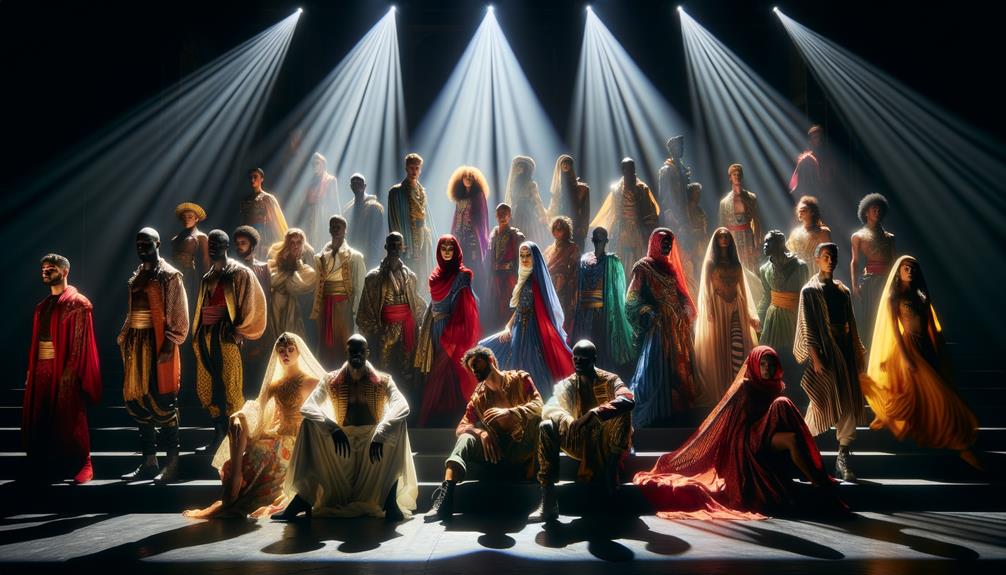
Color and contrast are the primary tools for creating visual impact. The textures and layers of an outfit evoke emotion and tell a story, much as any work of art does. Each choice and combination adds another element to a canvas of self-expression.
Color and Contrast
Creating a striking visual impact with outfits requires a thoughtful balance of color and contrast. In costume design for stage and screen, the interplay of colors can transform a character’s presence. A clear example is the iconic black and white costumes in ‘West Side Story’ (1961), where contrasting hues amplified the narrative tension.
To achieve harmony in an outfit, follow the 60-30-10 rule: 60% dominant color, 30% secondary color, and 10% accent color. This formula ensures that no single color overwhelms the costume, maintaining a visual balance. The 7-10% rule further refines this by limiting accent colors to small areas, enhancing without overwhelming.
Color temperature also plays a crucial role. Warm colors like orange and red evoke passion and energy, setting an emotional tone. Cool colors suggest calm or detachment, depending on the character’s needs. The use of analogous colors, as seen in ‘The Great Gatsby’ (2013), creates cohesion and harmony, enveloping the audience in a unified visual experience.
- Iconic contrasts: Black and white in ‘West Side Story’
- 60-30-10 rule: Balancing dominant, secondary, and accent colors
- Color temperature: Warmth and coolness to evoke emotions
- Analogous colors: Harmonious palettes like in ‘The Great Gatsby’
Texture and Layers
The intricate dance of texture and layers in outfit design reveals depth and dimension, turning plain fabric into storytelling elements. Texture can evoke emotion and layers can signify complexity. The way light interacts with different fabrics, or the way a character’s vulnerability can be highlighted by a carefully placed sheer overlay, communicates a great deal without a word being spoken.
Each layer added to a costume is a chapter in a visual narrative. Coarse, rugged textures might suggest resilience or hardship, while smooth, flowing materials could indicate grace or fragility. The audience, whether in a theater or watching a film, subconsciously interprets these cues, deepening their connection to the character.
In stage and screen work, texture and layers are vital tools for creating visual impact rather than mere embellishment. They provide a silent dialogue between the character and the audience, enriching the storytelling experience. Crafting these elements carefully raises the quality of the work and makes each costume a crucial part of the narrative fabric.
Fitting and Adjustments
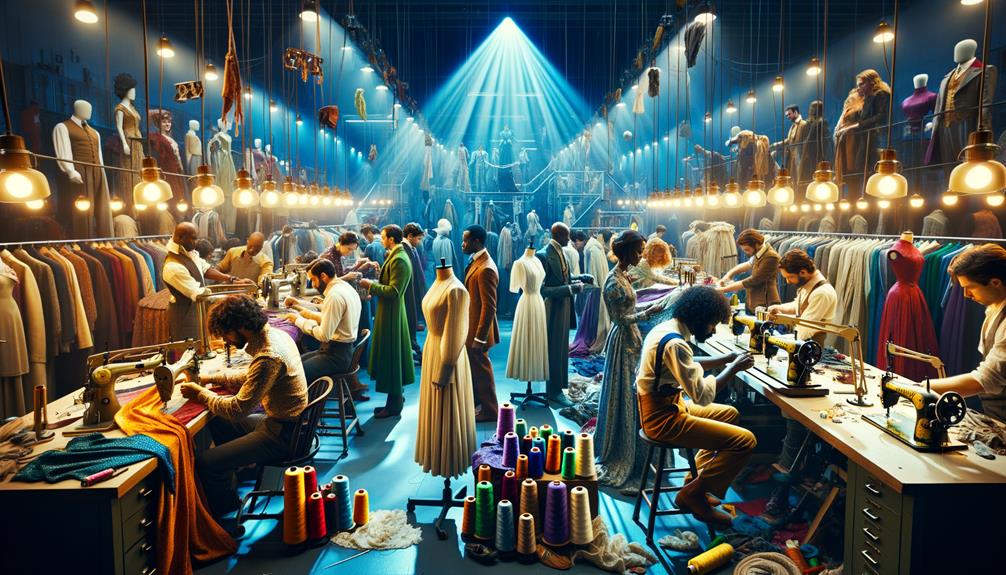
In the intricate process of designing costumes, fittings are a crucial step where the vision takes shape. Each session is a collaboration between the designer and performer, where precise measurements are taken and necessary adjustments are made. This process allows the costume to be tailored to the performer’s unique body, ensuring both comfort and functionality.
Modifications during fittings are vital refinements that bring the costume to life. Seams may need to be taken in or let out, hems may require shortening or lengthening, and sleeves or collars often need alteration. Each alteration brings the costume closer to perfection, enhancing the performer’s confidence and stage presence.
Multiple fittings are necessary to accommodate changes in the performer’s physique or design adjustments. The human body is dynamic, and repeated sessions ensure a flawless final product.
The benefits of this process include:
- Customized measurements for a precise fit
- Multiple fittings to accommodate changes
- Adjusting seams, hems, and collars
- Boosting confidence and stage presence
Through these fittings, the costume transforms from a concept to a second skin, embodying the character and captivating the audience.
Frequently Asked Questions
What Are the 4 Elements a Costume Designer Works With?
Costume design rests on four core elements. The first is the line of a garment, which defines its shape and silhouette. The second is texture, which adds tactile and visual depth. The third is color, selected to evoke the desired mood and atmosphere. The fourth is mass, which gives the garment volume and a three-dimensional presence.
What Colors to Avoid on Stage?
White and black are often avoided on stage because they clash with the spotlight and create harsh contrasts. Neon hues are overwhelming and drown out subtlety. Gentle colors blend harmoniously instead, drawing the audience into the narrative.
What Is the Best Color to Wear on Stage?
Deep, rich hues work especially well on stage. They add an air of mystery and hold attention, and they take creative lighting well, which enhances the performance.
What Key Aspects of Designing for the Stage Must a Costume Designer Know?
Costume design for the stage requires a deep understanding of character, movement, lighting, and fabric. Balancing creativity against practicality ensures each costume strengthens the narrative while allowing the actors to perform with ease.