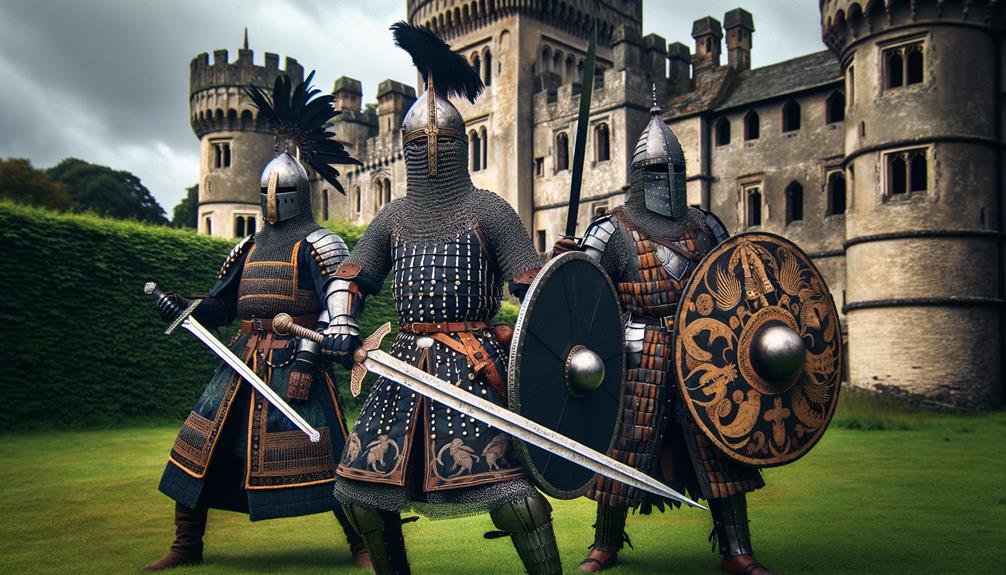
Medieval dressers carried their possessions in small suspended bags, women carried coins and small valuables in purses, and gloves served as both warmth and status. These were working objects, made from leather, wool and linen, and surviving examples and manuscript illuminations show how carefully they were constructed and who was permitted to wear them.
Types of Pouches
Pouches came in a range of forms, from the small drawstring bag suspended from a belt to the larger almoner bag carried by the poor and by travellers. Their size and material signalled the wearer’s means, and the manner in which a pouch was worn was governed by decorum as much as by convenience.

The glove pouch is a good example. Gloves were fragile and easily lost, and a suspended pouch kept a pair together and dry. Carrying gloves in a pouch rather than worn on the hand signalled good manners in a culture where a bare hand in the presence of a superior was discourteous. The pouch itself was often a small leather or silk case closed with a drawstring or a button, and surviving examples from the fourteenth and fifteenth centuries are held in museum collections of medieval dress and textiles.
Not every pouch was worn on the body. Small bags were also hung from the girdle, carried in the hand, or slung across the shoulder, and the placement was described in the courtesy literature and depicted in manuscript scenes of daily life.
Popular Purses
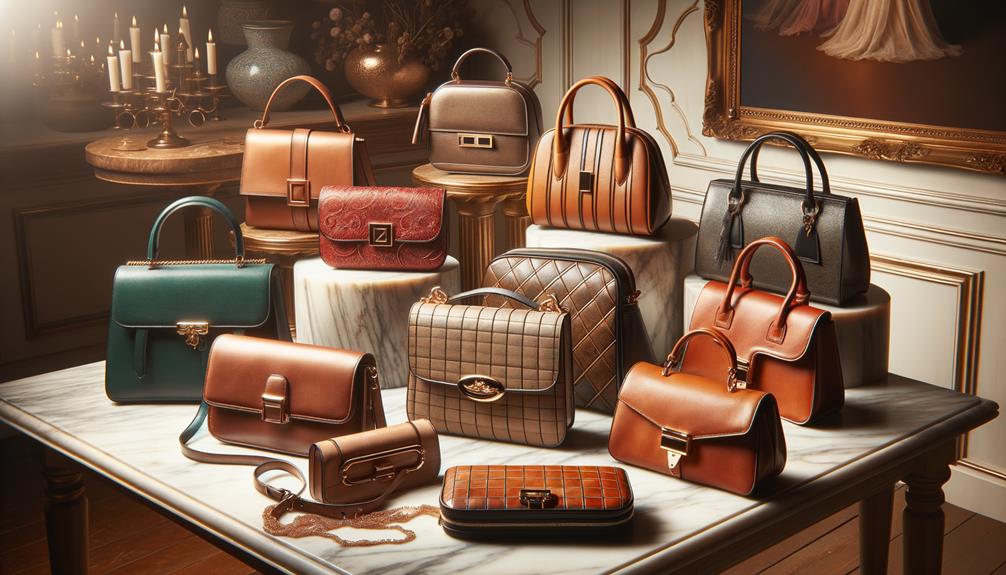
The purse proper, known in the later Middle Ages as a aumônce or demi-aumônce, was a small bag for coins and small valuables. Women carried them at the girdle, and the purse was frequently decorated with embroidery, metalwork or braiding, making it one of the most visible marks of a woman’s dress.
Sumptuary legislation in towns such as Venice, Florence and Paris placed limits on what materials and ornament a purse might carry, which tells us how closely its appearance was tied to social rank. Silk and velvet pouches with gold thread appear in the inventories of the well-off, while plain leather examples served everyone else.
Purse-making in the later medieval period became a recognised craft, and surviving pattern books from the fifteenth and sixteenth centuries include instructions for knitted and crocheted purse nets, worked in silk or linen thread, which were carried over an inner leather bag to protect the contents.
Essential Gloves
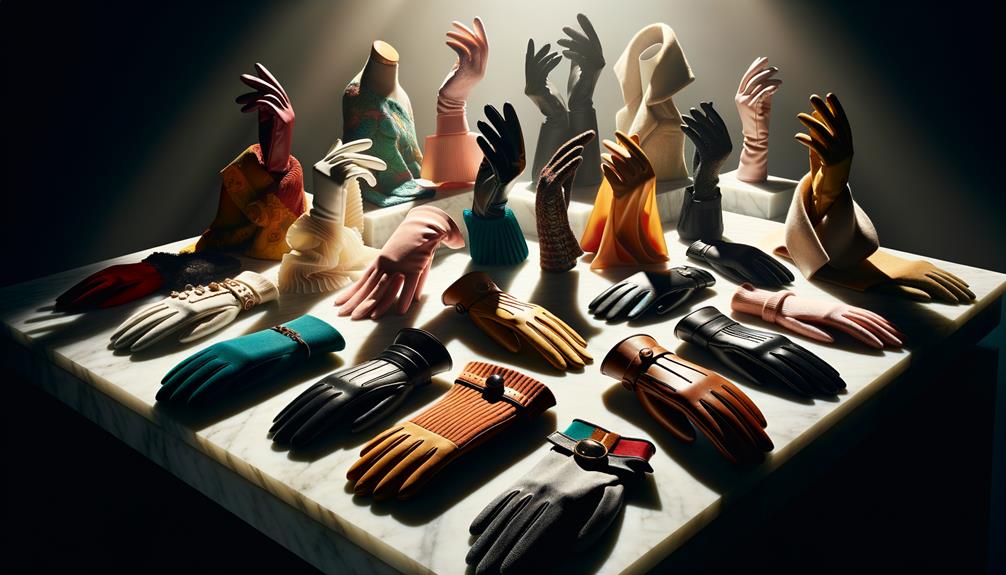
Gloves were among the most socially marked accessories in the medieval wardrobe. They were not simply practical. Gloves made of fine leather, fur-lined and decorated, signalled rank, and wearing them improperly was a recognised breach of etiquette.
Seasonal Style Choices
Gloves served different purposes across the year. In winter they were cut from soft deerskin or sheepskin, lined with fur or wool, and fitted closely at the wrist. For riding and hawking, a longer glove reaching partway up the forearm protected the arm from a stray rein or a fall.
Fur was the clearest marker of wealth. Marten and squirrel were the most prized, and the fur trade that supplied them ran through the Hanseatic ports and across the Alps. Gloves with fur cuffs appear repeatedly in fourteenth- and fifteenth-century portraits, where they are used to identify the sitter’s rank almost as reliably as a crown.
Ceremonial gloves were made to be removed. A glove presented to another person, or removed before approaching a ruler, was a recognised gesture of deference, and the language of medieval courtesy manuals makes frequent mention of when to wear and when to doff them.
Material Matters Most
Material determined the quality of a glove as much as its decoration. Deer leather was soft and fine enough for the hands of a lady, while the coarse hides used by labourers were tougher and cheaper. Wool and knitted fabrics appear mainly for warmth rather than status.
Surviving gloves from the period are rare, largely because they were made of skin and were used until it failed. The best-preserved examples come from archaeological contexts, including finds recovered from the Thames, where leather gloves and fragments of gloves with their cuffs intact have been dated to the fourteenth and fifteenth centuries.
Function Meets Fashion
Gloves were working garments before they were fashion accessories, and the two roles were never entirely separate.
- Functionality: Gloves protected the hands in cold weather, in hawking, in handling armour and in manual work.
- Fashion-forward: Fur cuffs and decorative stitching made fine gloves a visible statement of wealth.
- Versatility: A suitable pair existed for almost every station, from labourer’s leather to a courtier’s silk.
- Durability: Good gloves were made to last, and were repaired rather than replaced.
Manuscript illumination records how widely gloves were worn. Servants are shown presenting gloves before a meal, and the repeated depiction of gloved hands is a useful reminder that they were ordinary wear rather than the exception their present-day rarity might suggest.
Personalized Options
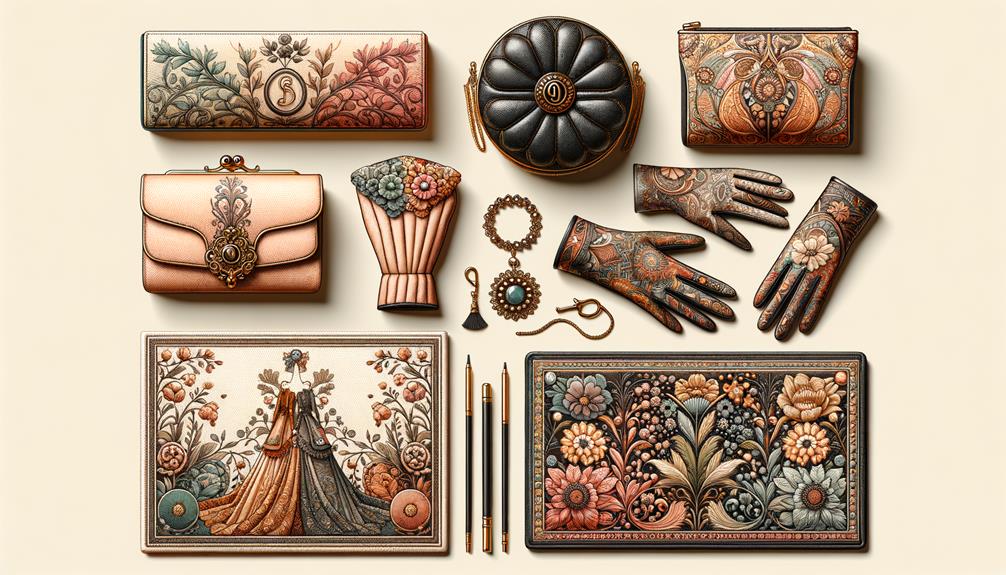
Personal marking was common in the late medieval period, and it is one of the clearest ways in which accessory and identity were linked.
Custom Design Choices
Owners recorded in their accounts embroidery, braiding, and applied decoration on their gloves, and the cuffs were the usual site, since they were the part a viewer saw. Motifs were frequently personal rather than purely decorative, incorporating initials, devices, or emblems associated with a family or a household.
Colour and contrast were equally important. A lady’s gloves might be worked in silk thread in several colours against a linen or leather ground, producing a pattern legible at a distance in courtly settings.
Such marking served practical as well as decorative ends, allowing a pair to be recognised among many in a household wardrobe or a communal changing room.
Monogramming and Embroidery
Embroidery gave gloves a personal and elegant finish, making each pair distinct from every other. Working a name or initial into the cuff made the glove a personal object, and the practice of initialing or marking personal property is well documented across the period.
The designs range from the restrained to the elaborate, and the tactile quality of the embroidery contributed as much to the glove’s effect as the pattern itself.
These details are why surviving gloves are so highly valued. They combine the practical record of a working garment with the evidence of individual taste, and they preserve a small and intimate trace of their original owners, which no garment survives as directly.
Vintage Finds
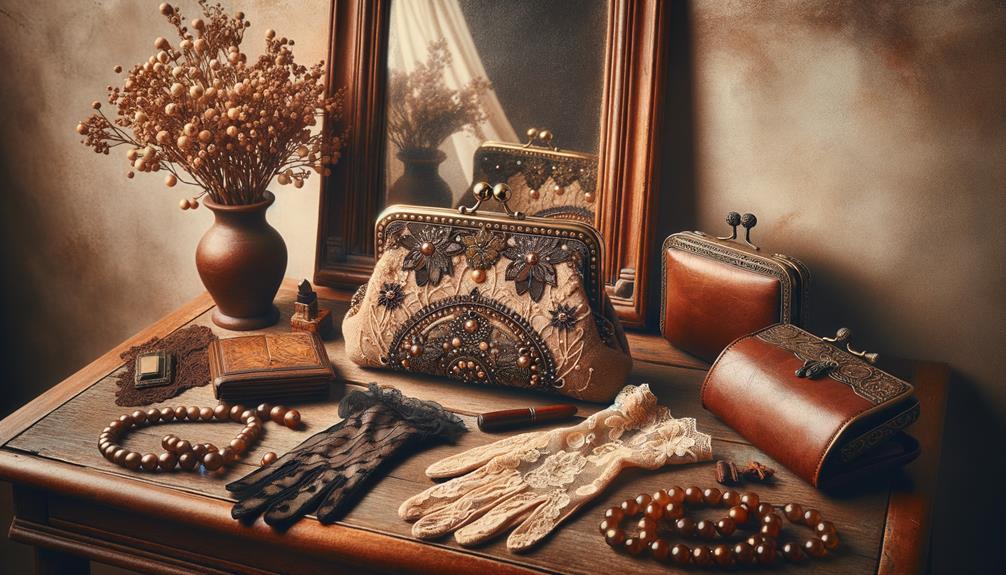
Finding a surviving medieval glove is rare, and the circumstances of recovery are often unusual. Waterlogged deposits preserve organic material that would otherwise decay, and a number of the finest surviving examples come from the Thames, from a frozen context near Oslo, and from a well at Tournai in Belgium, where a deposit from around 1300 was discovered.
Where conditions allowed, the colour survives as well as the form, and gloves have emerged showing the vivid shades that the manuscript illuminations depict.
Because so few survive, the visual record is dominated by painting and sculpture rather than the objects themselves, and manuscript illumination is essential to any study of how medieval gloves were worn.
Practical Uses
Pouches and purses were a working part of daily life, whether at market, on pilgrimage, or at court. Their use was governed by practical considerations of weight and security, and by the social conventions of who might carry what, and where.
Pouches appear across the occupational range, each tailored to the work it served.
| Occupation | Carried item | Contents |
|---|---|---|
| Merchant | Leather pouch at the girdle | Coins, seals, account book |
| Household | Suspended almoner bag | Bread, alms, small tools |
| Lady at court | Embroidered purse at the girdle | Coins, keys, pomander |
| Hawker or pilgrim | Shoulder bag | Food, small belongings |
Purses with divided compartments, and patterned knitted purse nets worked in silk over a leather bag, made it easier to find a coin without emptying the whole purse, which mattered where loss meant more than inconvenience.
Together these objects show an ordinary side of medieval life that the elaborate dress of the court can obscure: a working wardrobe, made by craftspeople, for people who needed to carry their own things.
Frequently Asked Questions
How Do I Clean and Maintain Leather Accessories?
Cleaning leather requires a simple routine. A damp cloth and mild soap will remove dirt and grime, and regular conditioning keeps the leather supple and in good condition over time.
What Materials Were Medieval Pouches and Purses Made From?
Leather was the commonest material, with linen and silk for finer examples, and decorated pouches were often embroidered in silk or metal thread. Knitted and crocheted purse nets, worked in silk or linen, appear in sixteenth-century pattern books.
What Were Medieval Gloves Made From?
Most gloves were cut from deerskin or sheepskin, with sheepskin commoner and deerskin finer. Fur was used chiefly for lining and cuffs, and the most prized furs were marten and squirrel, which made gloves a clear marker of wealth.
How Should Medieval Accessories Be Stored?
Leather and textile accessories survive best in cool, stable, low-light conditions with stable relative humidity. Surviving medieval gloves are rare precisely because leather decays, and the best-preserved come from waterlogged or frozen deposits. Display should avoid direct light and rapid changes in humidity.