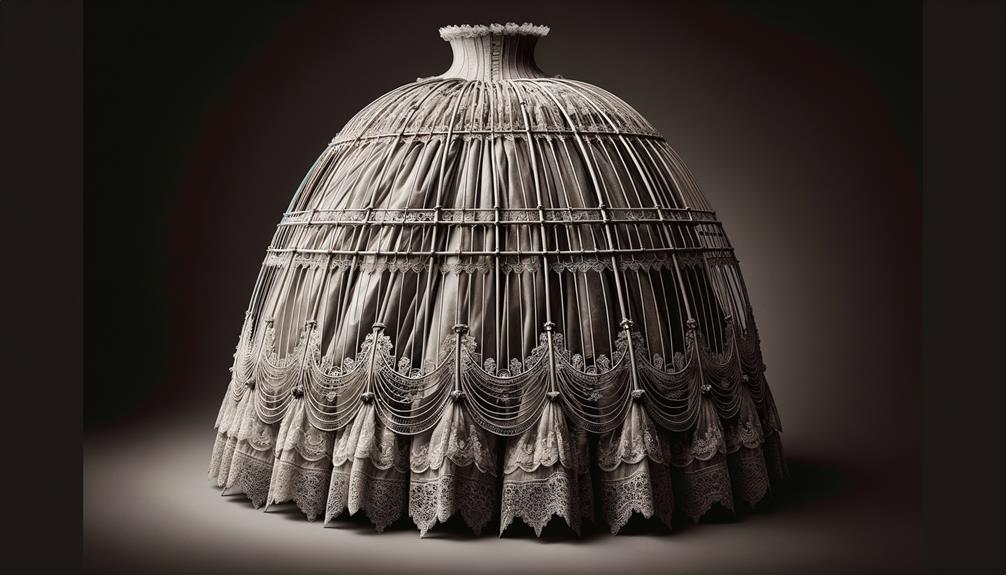
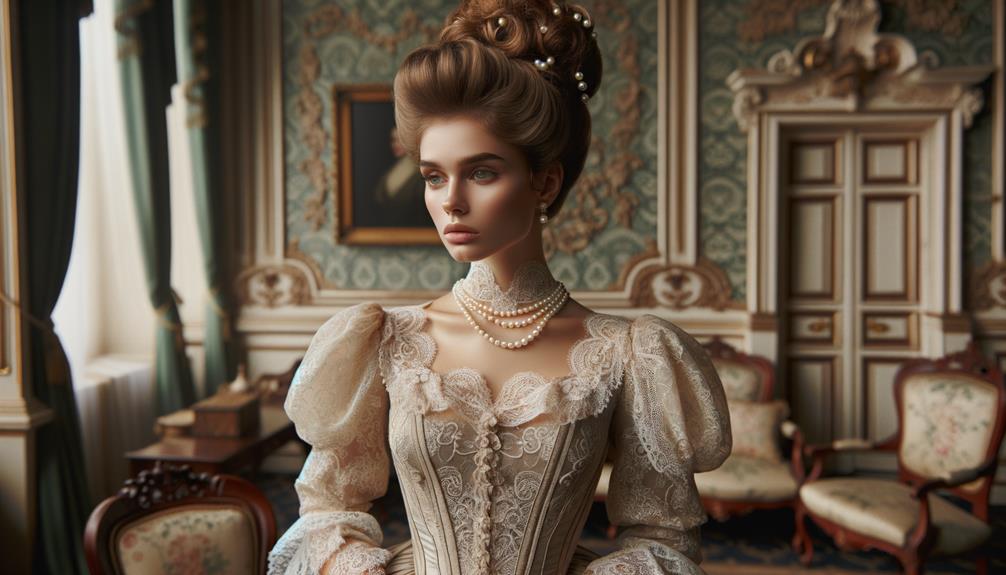
The Victorian era was a time when velvet was the height of luxury, enveloping everything in an aura of opulence and sophistication. Velvet was a status symbol that displayed wealth and refinement. Rich emerald greens and royal blues were characteristic, turning dresses and draperies into markers of status. Crafted from silk or cotton, each velvet type offered its own texture and pattern, from embossed to damask. Accessories such as velvet chokers and capes completed the look, balancing elegance with extravagance.
History of Victorian Velvet
Victorian velvet, a symbol of luxury and elegance, embodies the era’s fascination with opulence and refinement. The fabric encapsulates the Victorian pursuit of aesthetic richness alongside technical advancement. Velvet was a badge of sophistication.

During the Victorian era, velvet became central to both fashion and home decor. The rich, deep colors, burgundy, emerald green, and royal blue, adorned dresses, jackets, and accessories, each item made to reflect the period’s taste for intricate detailing. Velvet’s presence in Victorian fashion was unmistakable, its soft yet substantial texture raising everyday wear to the level of high art.
Velvet’s influence extended beyond clothing. It appeared in Victorian homes, draped over furniture and framing windows, turning ordinary rooms into spaces of opulence. The fabric’s sheen and plush feel made it a favored choice for upholstery, marking a household’s social standing and taste.
In essence, Victorian velvet was an embodiment of an era that valued luxury, innovation, and elegance.
Characteristics of Velvet Fabric
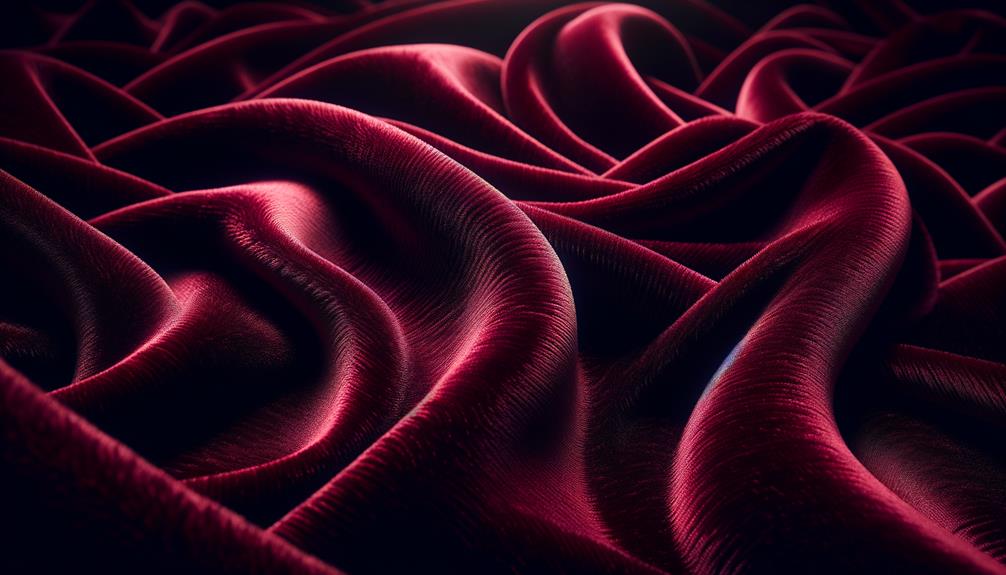
Velvet’s plush feel, often crafted from silk, rayon, or polyester blends, is the basis of its presence in both fashion and home decor. Silk velvet is notably soft. By contrast, the durability of a cotton velvet robe, which has good abrasion resistance, points to a more practical elegance.
Stretch velvet fabric, with its flexible nature, offers a modern twist and allows for designs that move with the body. Damask patterns in velvet bring intricate, timeless motifs to life and transform any setting. Embossed velvet upholstery drapery shows raised designs that add depth and texture to interiors, while Indian-printed velvet offers vibrant, exotic patterns that bring cultural heritage into a space.
Vintage velvet and ribbon velvet recall eras when artisans made each piece by hand. The versatility and resilience of velvet, in a formal room or as a statement garment, explain its lasting appeal. This fabric, with its many forms, continues to adapt, pairing tradition with innovation.
Popular Uses in Victorian Era
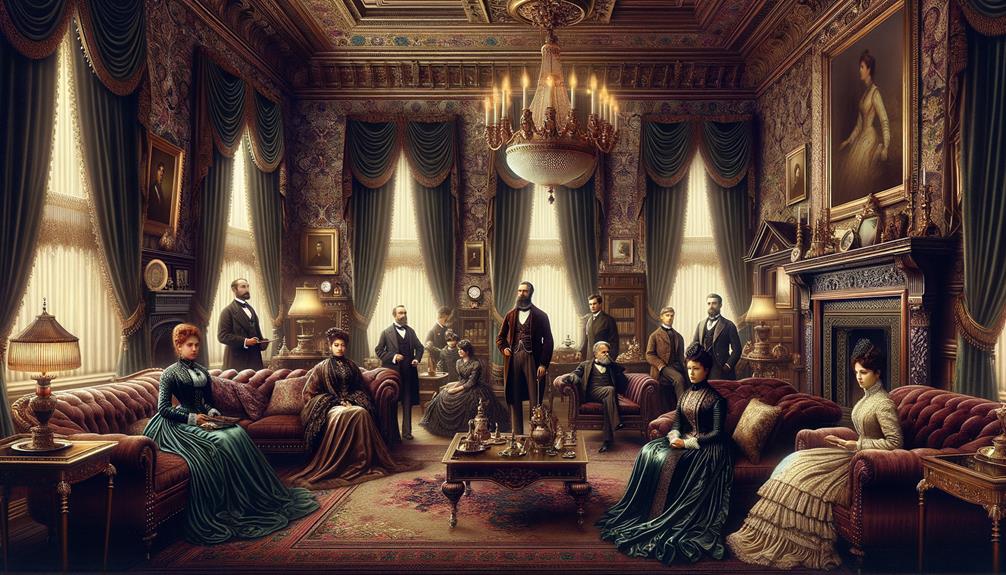
In the Victorian era, velvet was the height of luxury and sophistication. The fabric’s rich, warm hues and intricate designs adorned everything from opulent dresses to elegant draperies, lending the era an air of refinement.
Victorian fashion embraced velvet with real enthusiasm. Luxurious clothing such as dresses, jackets, and capes became symbols of elegance and status. Velvet’s softness and durability made it well suited to the intricate designs of the period.
Beyond clothing, velvet’s appeal extended to home decor and upholstery. A Victorian drawing room with velvet draperies framing tall windows, and opulent furniture in velvet upholstery, invited visitors into its plush comfort. The fabric created an atmosphere of comfort and grandeur.
Accessories were no exception. Velvet chokers, capes, and corsets added a further note of luxury, embodying an era that valued both beauty and innovation. Velvet was the fabric that defined Victorian elegance.
Types of Velvet
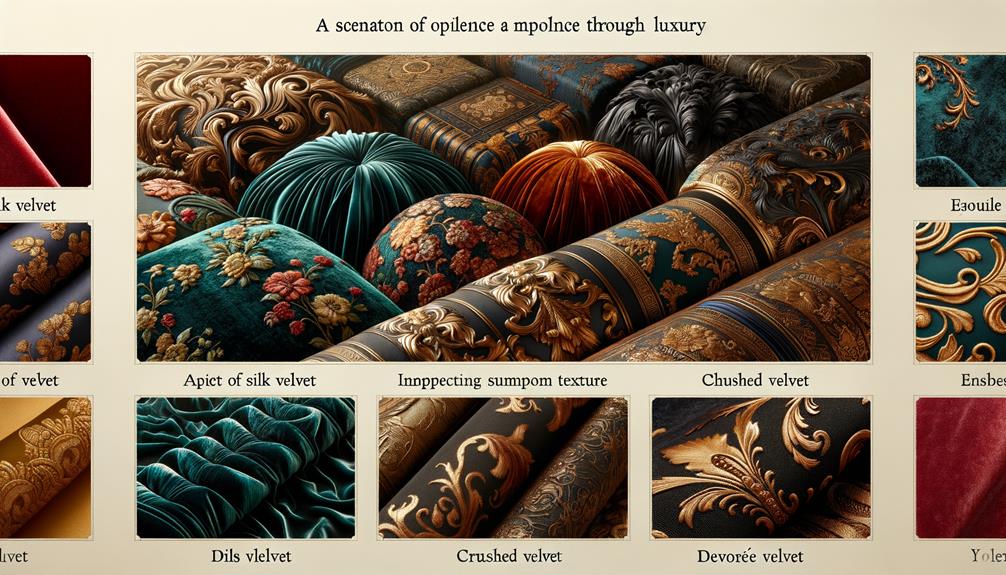
Velvet’s appeal in the Victorian era came from its luxurious appearance and from the variety of types available, each adding something distinct. Among these, silk and rayon blend velvet stands out for its warm, rich tone reminiscent of the era’s opulence. This blend combines the softness of silk with the durability of rayon, which makes it a favorite for elegant garments and home decor.
Vintage velvet fabric is available in a wide range of colors, giving designers and makers a broad palette to work from. Whether drawn to classic tones or more contemporary shades, there is a velvet to suit most creative ambitions. Designers often favored luxury and soft velvets for their distinct textures, while floral varieties added a romantic touch to a project.
Online marketplaces such as Etsy list a wide selection of these velvets, which are useful for bringing a touch of Victorian charm into modern projects. The versatility and durability of the fabric make it a practical choice for anyone working with a nod to the past.
Crafting With Velvet Today
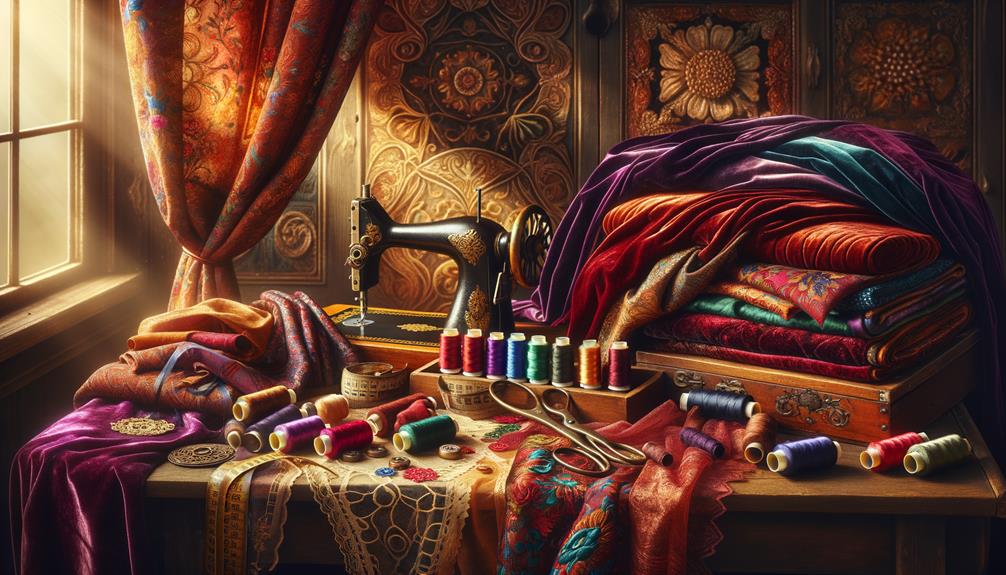
Crafting with velvet brings a touch of vintage glamour to modern projects. Careful techniques, from precise cutting to measured stitching, let this luxurious fabric look its best. A statement choker or an elegant cushion both benefit from the added level of finish velvet gives.
Modern Velvet Projects
Crafting with velvet today pairs timeless elegance with modern sensibility. The fabric’s luxurious feel and vintage character suit upholstery, clothing, and one-of-a-kind accessories, which makes it a dependable choice for a wide range of projects.
Modern velvet projects appeal to people looking for a mix of Victorian aesthetics and contemporary taste. The rich, deep colors and intricate patterns of velvet recall an era of opulence while fitting well with present trends. From jackets to chokers, the range of uses is broad.
Some modern velvet projects include:
| Project Type | Description |
|---|---|
| Velvet Upholstery | Adds sophistication to furniture pieces. |
| Velvet Jackets | Combines vintage charm with modern style. |
| Velvet Chokers | Nods to Victorian fashion with a modern twist. |
| Velvet Home Decor | Creates elegant and refined interiors. |
Each creation, from a velvet cushion to a statement garment, carries a sense of refinement and history. Crafting with velvet today respects the past while keeping the inventive spirit of the present.
Velvet Crafting Techniques
Velvet crafting takes skill and care to bring out the fabric’s luxurious character. Working with velvet, particularly for Victorian-inspired crafts, calls for a meticulous approach that preserves its texture and sheen.
One crucial technique is using sharp sewing needles to move through the fabric’s delicate pile without damaging it. Using low heat settings on irons avoids crushing the fibers and maintains the plush surface. When buying fabric by the yard, handle each piece gently to prevent fraying.
Common Victorian-inspired crafts include embroidered cushions and table runners. The texture of velvet suits detailed appliqué and decorative trims, which can turn a simple design into something lasting. Every stitch and fold benefits from careful handling that respects the fabric’s inherent grandeur.
Care Tips for Velvet Fabric
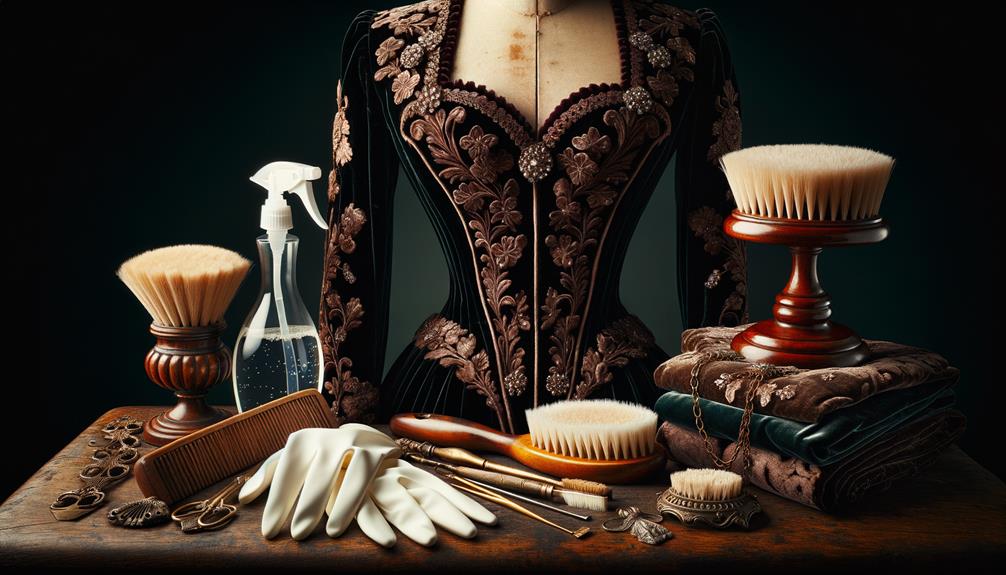
Caring for velvet fabric takes thought to maintain its texture and color. For spot cleaning, a mild detergent and a soft cloth are enough to lift stains without harming the fabric’s feel. Velvet should generally be dry cleaned to protect its fibers and softness.
Velvet’s durability makes it a popular choice for home decor projects, though it does require gentle care. To preserve color and texture, store velvet pieces in a cool, dry place away from direct sunlight. Gently brushing the fabric with a soft brush in the direction of the nap keeps it looking fresh.
Machine washing should be avoided. The agitation can damage the pile, turning a smooth fabric into a rough, unrecognizable material. Following these tips keeps velvet looking its best and adds a note of luxury to a space.
Frequently Asked Questions
Was Velvet Popular in the 1800s?
Velvet was a symbol of luxury and elegance in the 1800s, its plush texture and deep colors defining Victorian fashion and home decor.
When Was Velvet Fabric Popular?
Velvet fabric reached new heights of popularity during the Victorian era, and its luxurious appeal has endured since. Its rich texture and opulent appearance continue to influence design.
What Is Vintage Velvet?
Vintage velvet blends silk and rayon for a softness and durability that hold up well. With its rich, warm hues and timeless elegance, it suits both sophisticated garments and luxurious home decor.
What Is the Name of Fake Velvet Fabric?
Fake velvet fabric is usually called ‘faux velvet’ or ‘velvetine’. It captures some of the look of true velvet while being more affordable and easier to care for.