The timeless elegance of the Victorian chignon rewards study. This hairstyle is more than a fashion statement; it is a subtle expression of refinement. In the Victorian era, women adorned their chignons with ribbons, flowers, or combs, transforming them into symbols of social status. The intricate braiding and twisting, often paired with delicate accessories, showcased an artful sophistication. From the Apollo chignon to the Coiffure a la Chinoise, each variation had its own unique charm. Even today, modern interpretations of this style continue to inspire designers and bridal magazines alike. The Victorian chignon’s enduring allure and craftsmanship are undeniable.
History of the Chignon
The chignon, a hairstyle that twists or rolls hair into a knot at the nape, emerged in the Victorian era as a symbol of elegance and social status. A simple yet sophisticated hairstyle could encapsulate the values of an entire era. During this time, women wore chignons to formal occasions, adorning them with ribbons, flowers, or combs, transforming their hair into a canvas of sophistication.

Maintaining these chignons required time and effort, but it was about more than appearance; it was a statement. A well-crafted chignon spoke volumes about a woman’s social standing and her attention to the subtleties of fashion. Hair became a silent language of refinement and sophistication.
The chignon was more than a hairstyle; it was an emblem of the conservative fashion ethos that ruled the Victorian era. The way women styled their hair for formal occasions revealed their dedication to societal norms and personal elegance.
In those days, every twist and roll of the hair was a deliberate act, a meticulous process that Victorian women embraced as part of their daily lives. The chignon’s legacy of sophistication still resonates today.
Popular Variations
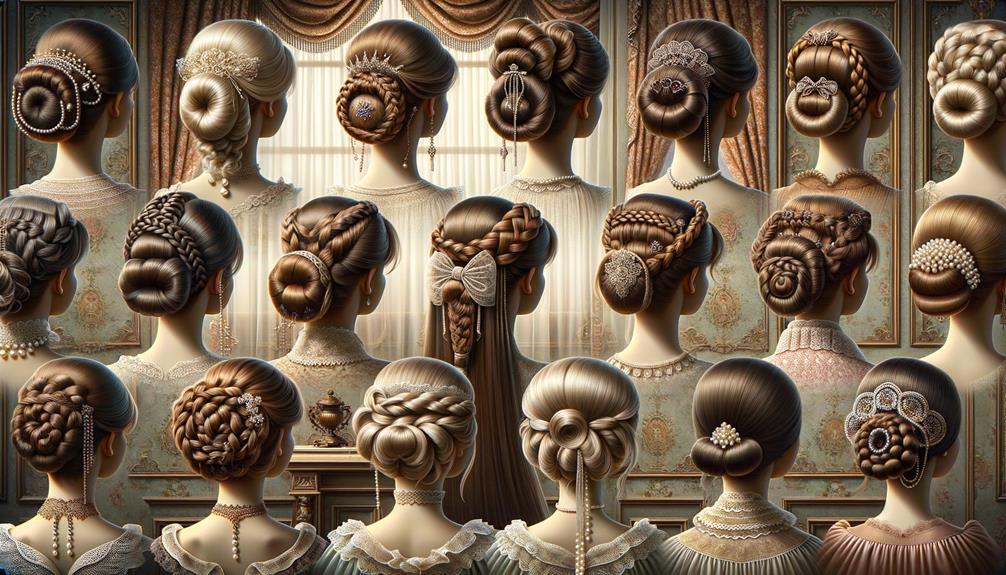
Chignons evolved into countless variations, each with its unique charm, and these styles continue to inspire. The Apollo chignon, with its distinctive twists, embodied early 19th-century elegance. It was not just about natural hair; false hair pieces were often added for volume and drama.
The Coiffure a la Chinoise, with its large loops atop the head, could start conversations at any gathering. In contrast, the Victorian Gothic era saw chignons evolve into downward-turning hairstyles, featuring spaniel loops and long twists under the ears. Each style, whether in a bun or braid, offered a distinct personality.
The transition from the 1840s to the 1860s shows loosely curled hair giving way to tightly twisted chignons. This shift reflected broader trends of restraint and refinement. Cupid’s arrow hair pieces often adorned these styles, adding a playful touch. Regardless of the era, the center part remained a staple, grounding the elaborate designs. Each variation of the chignon continues to hold appeal, linking the past with the present.
Styling Techniques
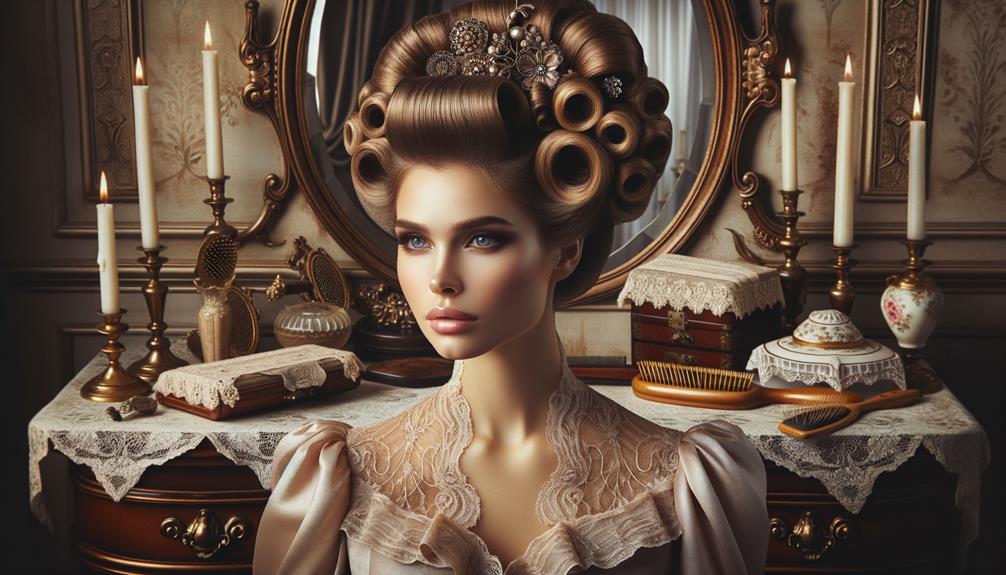
The meticulous artistry involved in crafting a Victorian chignon is considerable. The process requires patience, precision, and attention to detail. Twisting and pinning hair into a neat knot at the nape of the neck is almost ceremonial, each step deliberate and meaningful.
Incorporating braiding techniques adds another layer of complexity, introducing texture and volume to the chignon. The interplay of twists and braids turns the hairstyle into a statement of sophistication. Hair products like hairspray and styling gel become crucial, ensuring that each strand remains in place and contributing to the overall structure and longevity of the chignon.
Regular upkeep is vital. A Victorian chignon is not just about the initial styling; it is about maintaining its polished look throughout the day. This means occasional touch-ups to smooth out any stray hairs and preserve its refined appearance.
Styling tools play a vital role. Combs and brushes lay the foundation, while curling tongs add subtle waves, enhancing the chignon’s visual appeal. Hairpins anchor the twists and braids, securing the intricate design in place. Each tool serves a purpose, contributing to the timeless elegance of the Victorian chignon.
Tools and Accessories
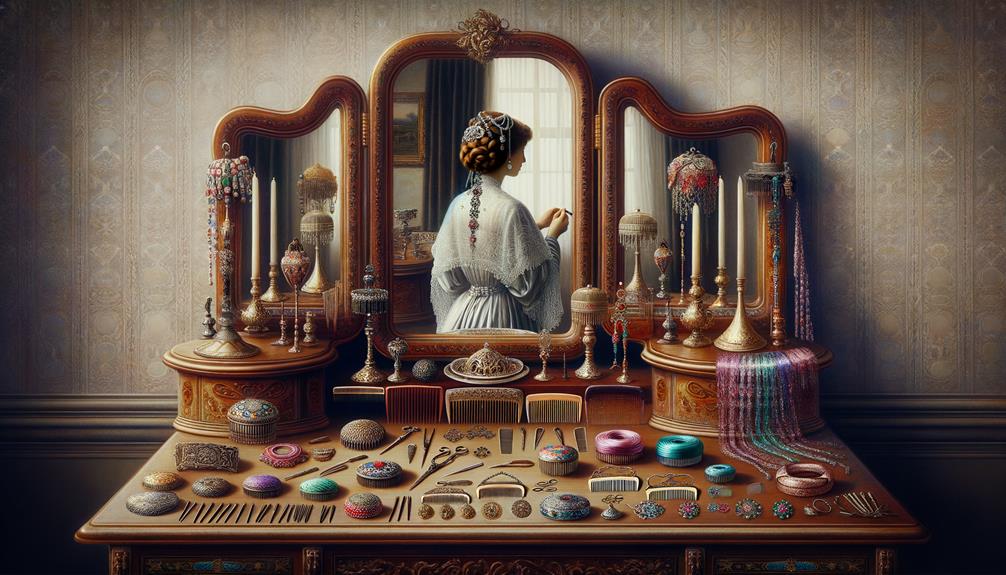
The tools and accessories of the Victorian era reveal the ingenuity behind the elegant chignon. Simple items became essential in crafting these intricate hairstyles. Hairpins, combs, and hairnets were the foundation, holding everything in place with quiet efficiency. Even the humble hairpin was a work of art, meticulously placed to secure the elaborate chignons.
Accessories played a starring role, adding a personalized touch to the hairstyles. Ribbons, flowers, and jeweled combs transformed a simple chignon into a statement piece. The use of padding, bun bumps, and hairpieces was common, creating the illusion of volume and fullness. Hair rats, cushion-like structures, provided height and stability.
Curling irons and rollers shaped the hair, adding waves and curls that softened the overall look. Brushes, essential for smoothing and shaping, were wielded with precision. Each tool and accessory was a piece of the puzzle, contributing to the final, harmonious whole.
Ultimately, these Victorian tools and accessories were transformative as well as functional. They allowed women to express elegance and individuality, crafting chignons that were both timeless and inventive.
Modern Interpretations
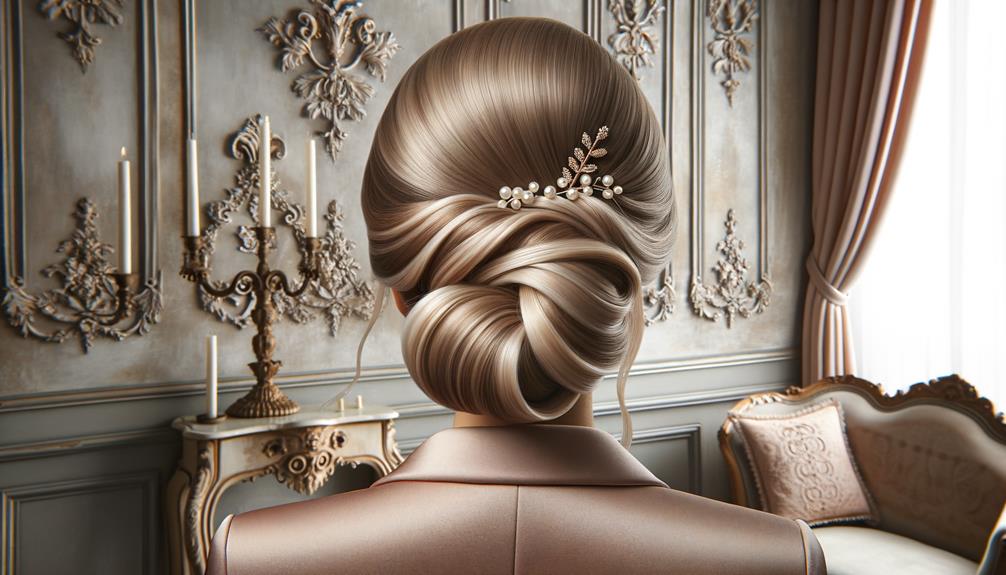
While Victorian tools and accessories once shaped the chignon, today’s stylists blend tradition with modern flair to create a fresh look. The Victorian chignon regularly appears on fashion runways and at red carpet events, where contemporary hairstylists put their own spin on this classic updo design. The way the past and present come together in these elegant transformations is striking.
Bridal magazines feature modern variations of the Victorian chignon, customized for today’s sophisticated wedding hairstyles. These contemporary interpretations maintain the timeless elegance of the original while offering fresh, creative twists. The chignon’s adaptability is its greatest strength, allowing it to evolve while staying true to its roots.
Beauty influencers play a significant role in keeping this vintage-inspired hairstyle relevant. Their tutorials make the process accessible, allowing beauty enthusiasts to recreate the Victorian chignon with a modern twist. The chignon’s enduring appeal inspires both hairstylists and individuals alike.
The chignon’s journey from Victorian salons to modern salons and social media feeds highlights its lasting charm. This blend of tradition and innovation offers many possibilities for those who appreciate both history and modernity.
Frequently Asked Questions
What Hairstyles Did Victorians Wear?
Victorians flaunted diverse hairstyles, from elegant ringlets and intricate braids to sophisticated buns and elaborate updos. They often adorned their hair with accessories like ribbons and jeweled pins, which reflected their social standing and the influence of Queen Victoria, art, and global events on their fashion trends.
What Is the History of the Chignon Hairstyle?
The chignon hairstyle is ancient, traced back to classical Greece. It appeared in Western dress in the late 18th and early 19th centuries, and returned as a fashion in the 1860s in England and the 1890s in France. This elegant style reflects the sophistication and femininity of the time, with intricate designs that show refinement.
What’s the Difference Between a Bun and a Chignon?
Buns are simple, everyday hairstyles, while chignons are intricate, elegant styles better suited to special occasions. Buns suit daily life, while chignons shine at weddings, formal galas, and other high-end events. The complexity and sophistication of a chignon set it apart from a simple bun.
How to Do a Classic Chignon?
Creating a classic chignon is an exercise in refinement. Gather the hair, twist it into a coiled bun, and secure it with bobby pins. Each step transforms simplicity into sophistication, finishing with a light hold of hairspray for a polished, effortless look.