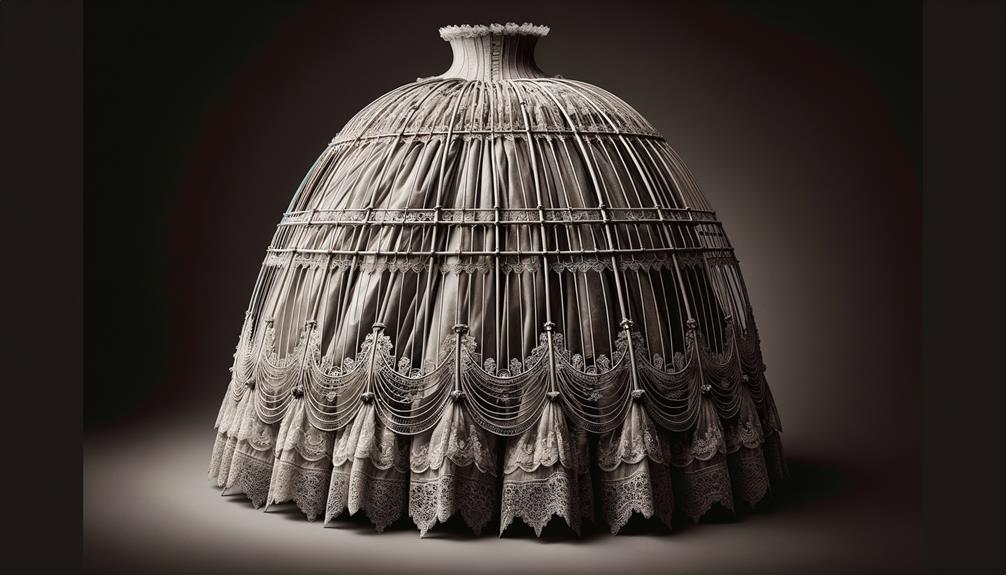
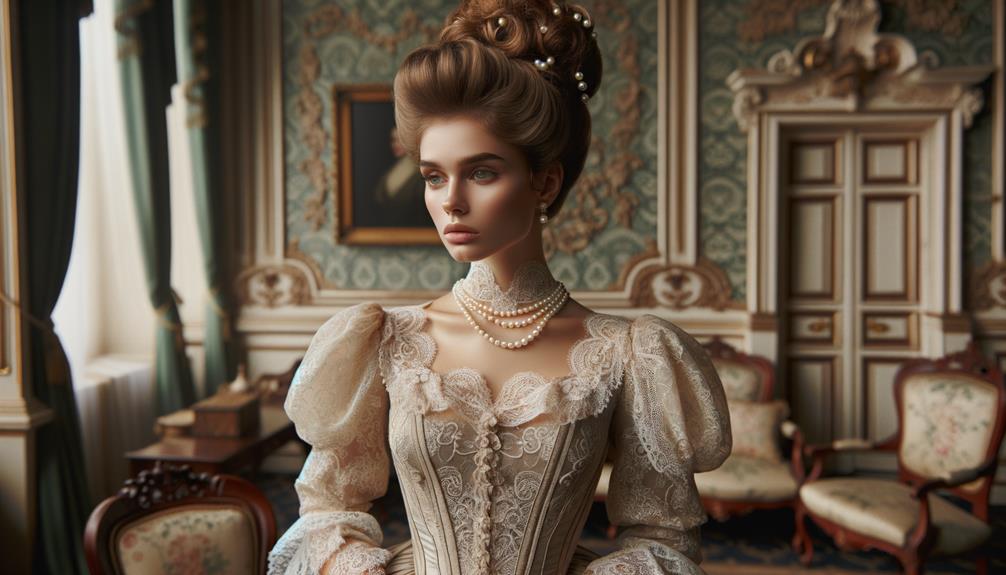
The Victorians had a fascinating way of using fans to communicate. These elegant accessories, often made of ivory and lace, carried much more than a gentle breeze. A simple flick of the wrist or a casual twirl could convey romantic interest or dismissal without uttering a word. Holding a fan in the right hand hinted at attraction, while closing it and drawing it through clasped hands meant a firm refusal. It is remarkable how such a simple object facilitated complex social interactions through these silent conversations. This world of beautiful fans holds many hidden layers of meaning waiting to be uncovered.
Origins of Fan Communication
Hand fans have been around since at least the 4th century BC in Greece. Over time, they evolved into intricate symbols of status and subtle communication, especially by the time they reached Victorian Europe. Their journey shows how these simple objects transcended their practical origins to become sophisticated tools of expression.

The arrival of folding fans from China and Japan in the 1500s, thanks to Portuguese traders, marked a significant turning point. These fans were not just functional; they were works of art. Fans from the Middle East and Byzantium had also made their way into European culture by the 13th and 14th centuries, each carrying unique designs and materials.
In the 18th century, France emerged as the epicenter of fan craftsmanship. Elaborate and expensive fan designs turned them into coveted symbols of wealth and good taste. Women carried them at social gatherings, and their elegance and artistry spoke volumes about their owners.
The evolution of fan language, the way these objects became mediums of silent dialogue, bears witness to human ingenuity. It reflects a desire to innovate and find new ways to communicate beyond words, using fans as the perfect accessory.
Symbolic Gestures and Meanings
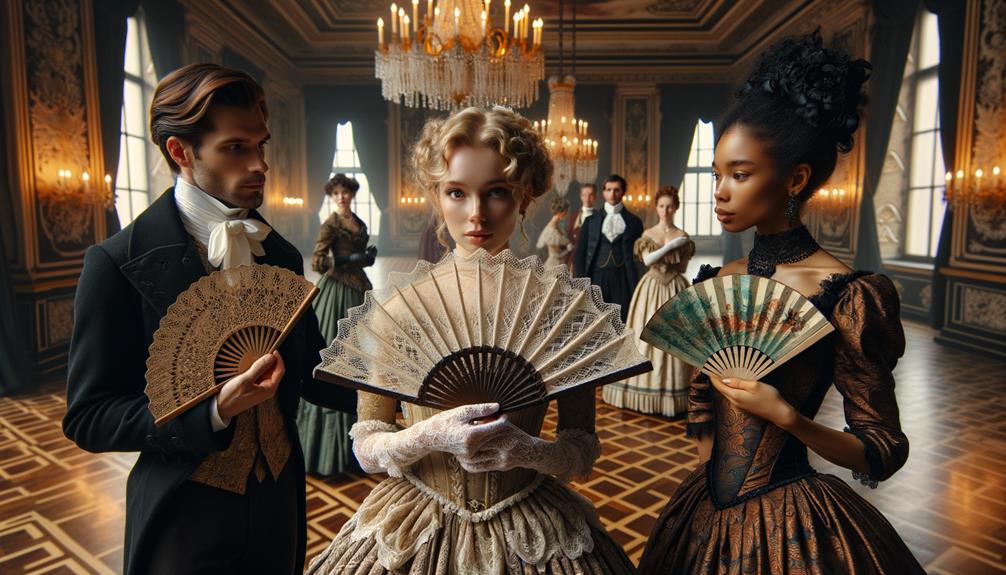
In the Victorian era, fans became more than accessories; they were a language all their own. Each subtle movement conveyed layers of meaning, allowing people to communicate without uttering a word.
Holding an open fan in the left hand was an invitation to chat, while slowly drawing a closed fan through clasped hands firmly rejected romantic advances. The fan-wielding dance was an art form, with each graceful flourish speaking volumes.
Some of these symbolic gestures included:
| Gesture | Meaning | Hand Used |
|---|---|---|
| Open fan in left hand | Desire to converse | Left hand |
| Drawing closed fan through closed hands | Rejection of advances | Both hands |
| Twirling fan in right hand | Interest in someone else | Right hand |
| Fan towards right ear | Loss of interest | Right hand |
| Snapping fan open and shut | ‘You are cruel’ | Both hands |
These intricate choreographed movements reveal the delicate social dynamics of Victorian society, where fans served as subtle yet expressive tools of communication.
Fans in Social Settings
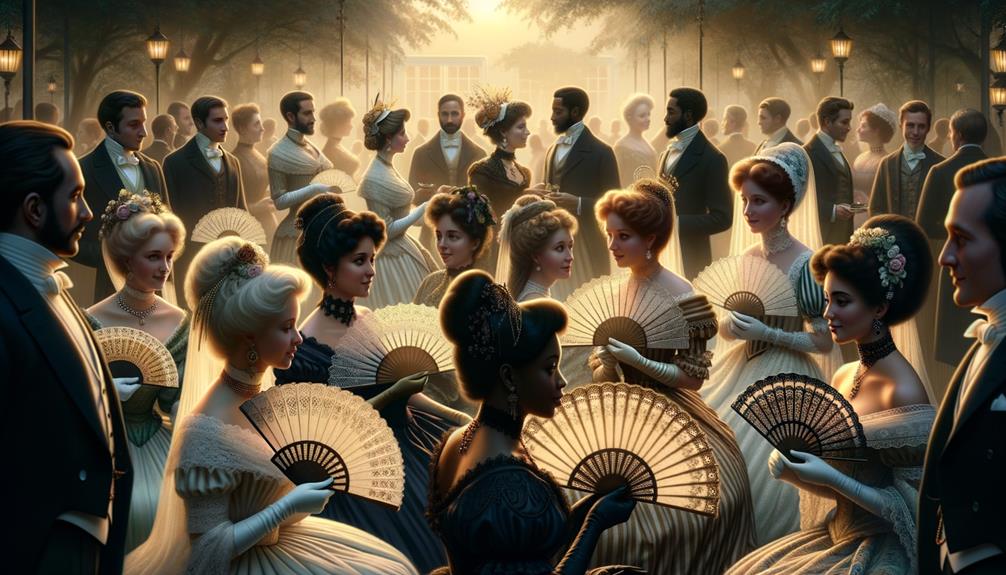
During the lively social gatherings of the Victorian era, women used their fans as a subtle means of communication. The fan became an essential tool, allowing them to express their thoughts and emotions without uttering a word.
Holding the fan in the right hand signaled interest in a gentleman, while holding it in the left hand conveyed a polite desire to get to know him better. The speed at which the fan was used also carried meaning: a slow, languid motion often indicated marital status or engagement, while a rapid flutter suggested annoyance or impatience.
Notably, dropping a fan was not merely an accident, but rather an invitation for a gentleman to engage, breaking the ice in an otherwise rigid social framework. Fans were also used in conjunction with the language of flowers, creating a sophisticated, multi-layered form of expression that enriched the courtship rituals of the time.
These subtle yet deliberate gestures conveyed complex emotions and intentions, making the fan an indispensable part of Victorian social life.
Craftsmanship and Design
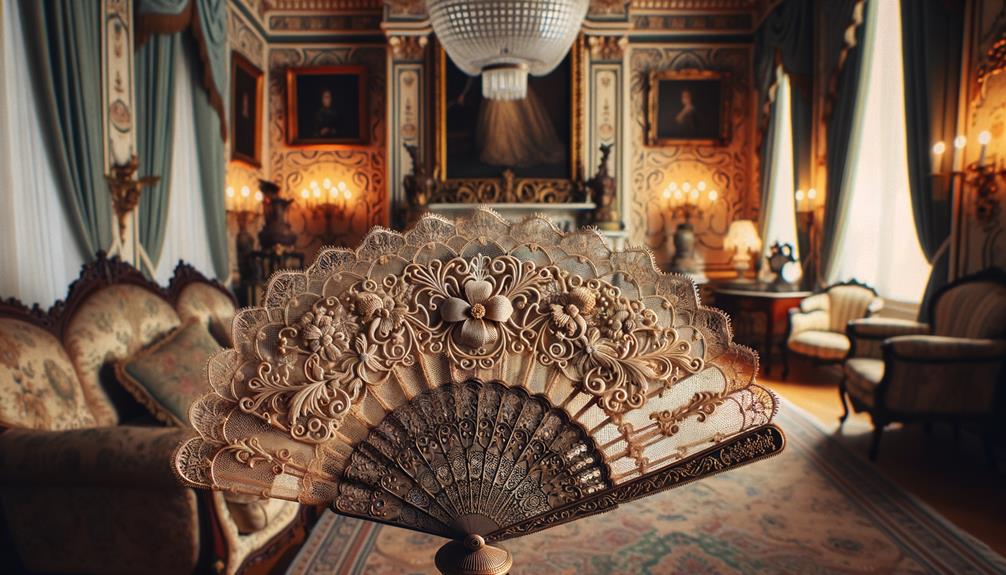
The Victorian fan was more than an accessory; it exemplified exquisite craftsmanship and artistic innovation, transforming everyday items into works of art. The intricate fan designs of the era show the skill and dedication of the fan makers. They employed materials like ivory, tortoiseshell, lace, and feathers to create opulent, fashionable pieces that were both functional and beautiful.
The evolution of the folding fan allowed for more elaborate decoration, with painted scenes, floral motifs, and calligraphy adorning the leaves. These fans became canvases for artistic expression, raising them from simple tools of comfort to significant cultural artifacts. Specialized fan makers, particularly in France, such as the renowned Duvelleroy company, played a pivotal role in this transformation, reviving the popularity of hand fans and introducing innovative styles.
Fan etiquette was equally refined, with the size and design of fans reflecting their owner’s social status and aesthetic taste. From the delicate ‘brise’ fans of the early 1800s to the larger, dramatic styles of the late 19th century, each piece conveyed a story. In this way, the Victorian fan was not just an accessory; it was a reflection of the era’s artistry and elegance.
Influence on Modern Culture
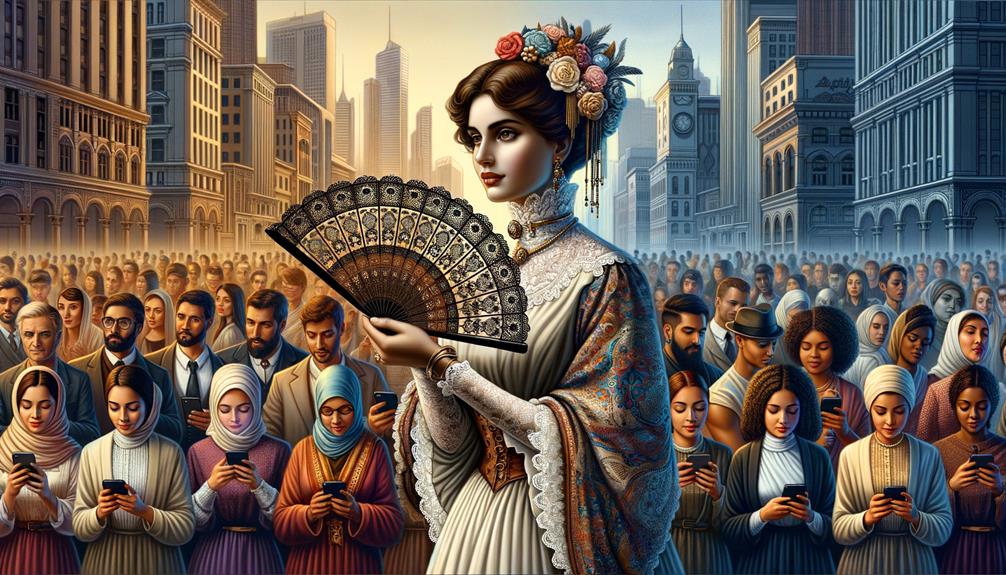
The echoes of Victorian fan culture still linger in modern lives in surprising and subtle ways. The romanticism of the Victorian Era continues to shape expressions of love and emotion, even in the 21st century. Fans used in wedding ceremonies and Valentine’s Day traditions serve as a timeless nod to this bygone era, blending the old with the new.
Vintage-inspired fan designs continue to captivate fashion enthusiasts, their delicate craftsmanship and intricate details resonating with those who appreciate history’s aesthetic. These fans, once essential accessories, now inspire modern designs, making their presence felt in contemporary wardrobes.
Literary works from the Victorian Era, particularly those by Oscar Wilde, immortalize the language of fans and inspire today’s writers to explore the art of nonverbal communication. This influence extends beyond literature, finding a place in period dramas, anime, and other modern media, keeping the enigmatic charm of the fan alive.
The subtlety of using fans and flowers to convey emotions has evolved into the modern love languages we use today, such as emojis and symbolic gifts. A practice from centuries past continues to shape how people express themselves in the present.
Frequently Asked Questions
What Was the Use of Fans in Victorian Times?
In the Victorian era, fans were intricate tools for subtle communication, not just fashionable accessories. Women used coded gestures with their fans to converse discreetly, blending elegance with innovation in their romantic exchanges.
Women would use the position and movement of their fans to send messages to their romantic interests. A fan held high indicated interest, while a closed fan signaled the desire for a private conversation. Even the speed of fan-fluttering could convey emotion, from coy flirtation to outright rejection.
This secret language of the fan allowed Victorian women to express themselves in a socially acceptable way, bypassing the constraints of their era. It was a clever and creative means of connecting, adding an extra layer of intrigue to courtship rituals.
How Were Fans Used to Communicate?
Fans were a secret language rather than mere accessories. A flick could signal interest, while a slow pass through closed hands meant rejection. The nuanced gestures combined elegance with intention, creating a silent yet powerful way to communicate.
In the past, fans were more than decorative items. They served as a discreet communication tool, allowing people to convey messages through subtle movements. A quick flick of the fan could indicate interest, while slowly passing it through closed hands conveyed rejection. These delicate gestures blended sophistication with purposeful meaning, establishing a silent yet impactful way for individuals to interact.
What Do the Fan Gestures Mean?
Holding the fan in the right hand signaled interest, while waving it across the cheek meant agreement. Quickly fanning the air expressed annoyance, and dropping the fan invited assistance. An open fan was a way to indicate a desire to chat.
These gestures provided a discreet way for fans to communicate emotions and needs in the past. The subtle movements conveyed a range of messages, from agreement to a request for help. People used the fan as a tool for nonverbal expression long before modern forms of communication became widespread.
What Is the Symbolic Meaning of a Fan?
Fans have long held a symbolic significance that goes beyond mere accessories. They have been used to convey status, mystery, and elegance throughout fashion’s evolution. Their role in nonverbal communication is notable: fans have allowed people to express sentiments that words alone could not capture.
The fan’s versatility as a fashion accessory and communicative tool is remarkable. Rather than merely reflecting a wearer’s social standing, fans have enabled nuanced expressions of emotion and personality. Their graceful movements and subtle gestures have imbued them with a sense of allure and intrigue.
Exploring the symbolic power of fans provides insight into how fashion and etiquette have intersected over time. Far from being superficial objects, fans have served as windows into the complex social dynamics and cultural sensibilities of various eras. Their continued relevance in modern times speaks to an enduring human fascination with nonverbal forms of expression.
Conclusion
The intricate dance of gestures and hidden messages in Victorian fans worked like the secret codes of an Austen novel, full of subtlety and intrigue. Some of that silent eloquence is lost in the modern world, but the artistry and intention behind each flick and flutter still resonate. The same search for connection continues today, just through different means, and history whispers its secrets through the simplest of objects.