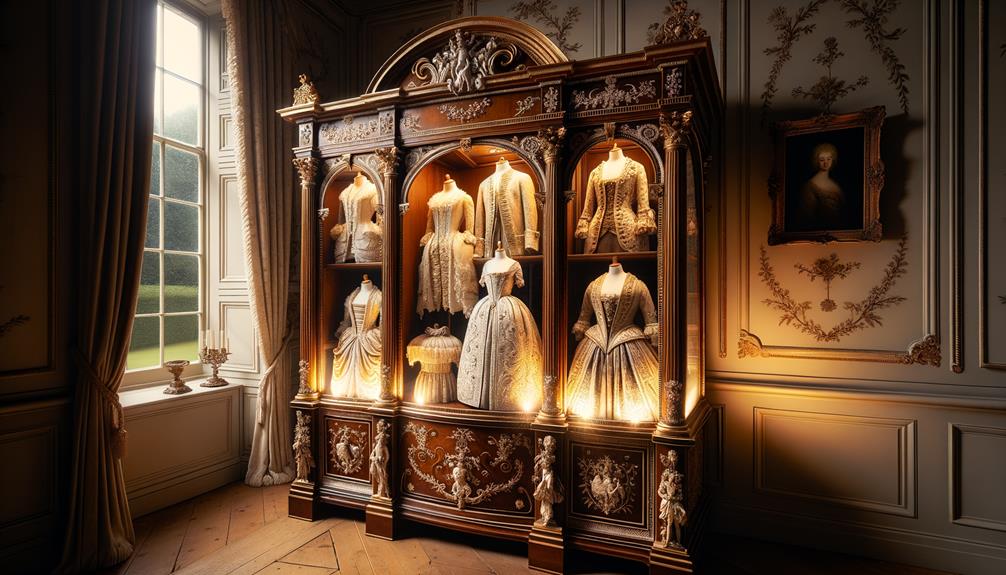
Restoring vintage clothing is an art that rewards patience. The process begins with a meticulous examination of each garment to grasp its condition. Gentle hand washing with a mild detergent protects the fragile fibers. For stubborn stains, a mixture of water and white vinegar or baking soda does the trick. Repairs demand care, with patches cut from similar vintage fabrics and hand-sewing used to maintain authenticity. To preserve the garments, proper storage is crucial. Breathable materials and acid-free tissue paper prevent deterioration. Regular checks and careful handling keep these vintage pieces in pristine condition.
Assessing the Condition
The first step with a vintage garment is to meticulously examine every seam, fabric, and detail to understand its current state. This initial evaluation is crucial for preserving the integrity of a collection. Start by inspecting an inconspicuous area first, making certain no delicate fabrics or minor damages that might compromise the garment’s longevity are missed.

Each vintage piece has a story to tell, and reading it is the restorer’s responsibility. Look for flaws that need attention, such as fraying seams or discoloration, that could worsen over time. Minor damages may be addressed with professional restoration, or they may signify deeper issues that make the piece less valuable. This careful scrutiny helps decide whether a garment is worth adding to a collection or if it requires more extensive care.
Understanding the condition of these valuable vintage items allows a precise approach to restoration. By thoroughly scrutinizing each piece, every stitch and fabric swatch gets the attention it deserves, preserving its history while preparing it for a new chapter.
Cleaning Techniques
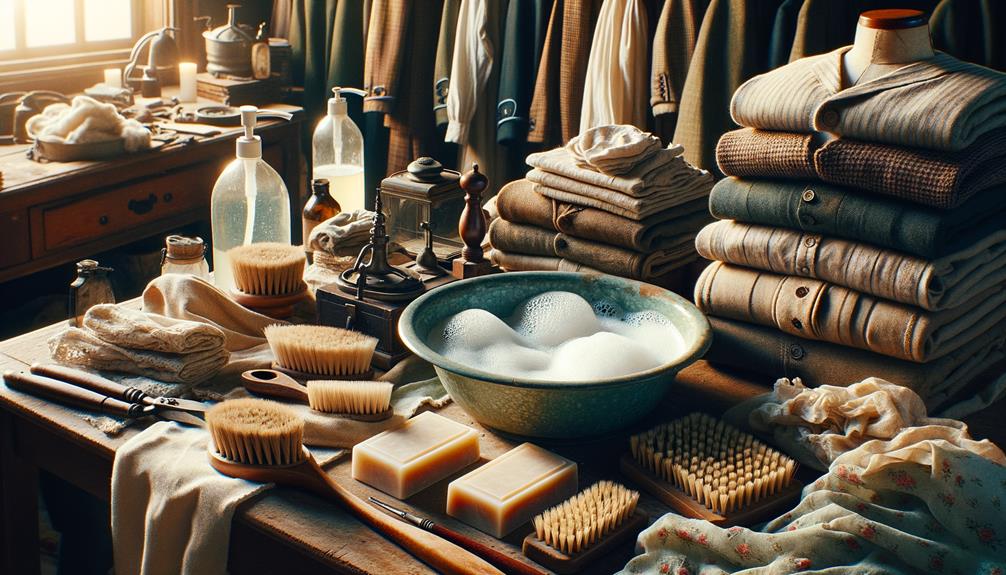
Gentle hand washing preserves the delicate fibers of vintage garments. Each stain has a story to tell, and finding the right removal technique is like solving a puzzle. It takes a balance of patience and precision to keep the fabric’s history intact while restoring its beauty.
Gentle Hand Washing
Gently hand washing a piece of vintage clothing carries a certain reverence, as each careful movement preserves a fragment of history. Handling fabrics that have endured through generations requires a connection to the past. The process is meticulous and requires a few essential steps to safeguard the integrity of these vintage fabrics.
- Prepare the Cleaning Solution: Fill a basin with cold water and add a mild detergent, ensuring it’s gentle enough for delicate items. This step is crucial to avoid damaging the fabric.
- Soak and Relax: Immerse the garment in the solution, allowing it to soak for a few minutes. The cold water helps preserve the fibers, while the mild detergent begins to lift any dirt.
- Gently Agitate: With extra caution, agitate the fabric gently. This ensures that the cleaning solution penetrates without causing wear or tear.
- Rinse and Dry: After washing, rinse thoroughly to remove all detergent residue. Finally, lay the item flat on a drying rack, avoiding direct sunlight to prevent fading.
Gentle hand washing does more than clean; it honors the craftsmanship of these timeless pieces.
Stain Removal Tips
Tackling stains on vintage clothing requires a gentle touch and the right techniques to preserve the garment’s integrity. For oil-based stains, a solution of equal parts water and white vinegar is highly effective. Blot the stain with a clean cloth, working from the outside in to avoid spreading it.
For ink stains, a stain remover or a mix of water and hydrogen peroxide works well. Let it sit for 10 to 15 minutes before rinsing with cold water. Tough stains like red wine or grass call for a mixture of water and baking soda. Apply it and let it sit for 30 minutes to an hour before rinsing with cold water.
Grease or oil-based stains need a cleaning solution of water and dish soap. Scrub the stain gently with a soft-bristled brush before rinsing. Protein-based stains like blood or sweat respond well to cold water and mild detergent. Blot these with a clean cloth, again working from the outside in.
It’s crucial to check the care label and ensure the garment is dry after stain removal. This approach helps maintain the delicate allure of vintage clothing.
Repairing Damage
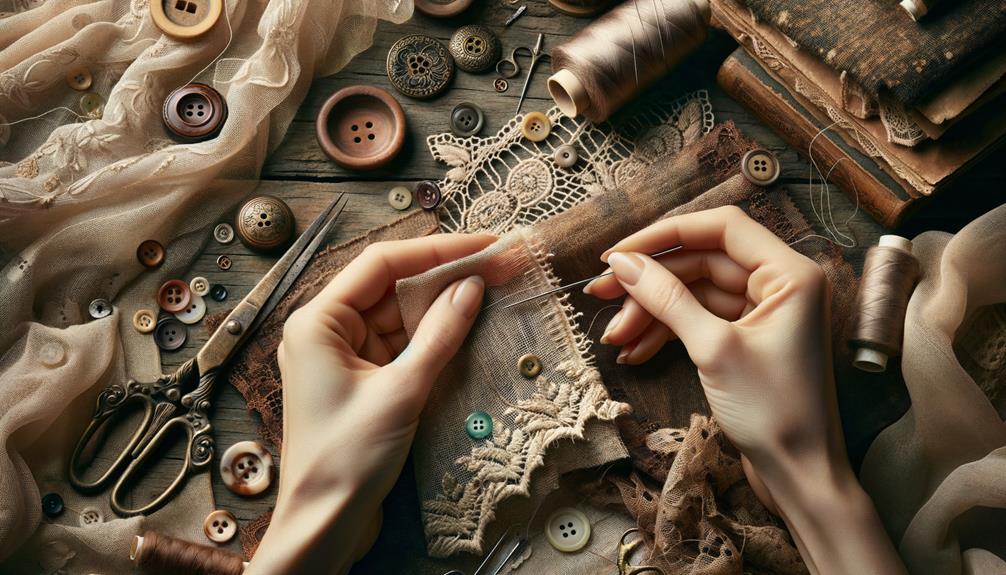
When repairing vintage clothing, fabric tears are meticulously patched, ensuring each stitch blends invisibly into the original weave. Replacing missing buttons can be a small yet transformative task, giving new life to the garment. Fixing seam rips requires precision and patience, and the reward of restoring a treasured piece is considerable.
Patching Fabric Tears
Repairing fabric tears in vintage clothing requires both patience and a delicate touch to preserve the garment’s integrity and character. The garment’s history and the stories it carries guide the work at every stage.
- Examine the Damage: Carefully inspect the tear, considering the fabric type. Vintage pieces often involve natural fibers, which require specific restoration techniques to maintain their original feel.
- Select Materials: Choose a patch from a similar vintage fabric. This maintains consistency in texture and appearance. Restoration services often have rare fabric samples that blend well.
- Hand Sew the Patch: Machine stitching can be too harsh for delicate garments. Hand-sewn repairs offer precision and maintain the garment’s authenticity. Using a fine needle and matching thread, stitch with care to secure the fabric.
- Post-Repair Care: Once the tear is fixed, store the garment in breathable garment bags to protect it from dust and pests. Regularly checking for missing buttons and other signs of wear ensures the piece remains in top condition.
Replacing Missing Buttons
Restoring vintage clothing often begins with replacing missing buttons, an opportunity to reconnect with the garment’s original charm and functionality. Each button holds a piece of the garment’s history, and finding a suitable replacement requires a delicate balance of respect for the past and creativity. Searching through collections of buttons for pieces that match aesthetically while reducing the visual damage the fabric may have sustained is common practice.
Proper care is vital to preserve these vintage pieces and keep them vibrant and wearable. When choosing buttons, consider the material and era of the clothing items to maintain their unique charm. For cherished garments, it’s worth seeking out authentic vintage buttons, though modern reproductions can sometimes be a suitable alternative.
Attaching the new buttons is more than a technical task; it’s about reviving these vintage treasures. With each stitch, the garment’s original design and structure stay in mind, maintaining the piece’s integrity. This approach ensures that these clothing items continue to be cherished for years to come, preserving the stories and memories they hold within their threads.
Fixing Seam Rips
Fixing Seam Rips
After securing the right buttons, attention turns to fixing seam rips, a process that demands patience and a gentle hand. Vintage clothes require meticulous care, especially when dealing with fragile seams. Examine the damaged area to determine the extent of the tear and the type of fabric and stitching used. This inspection sets the stage for a precise repair.
Fixing seam rips requires:
- Matching thread color
- Sharp, thin needle
- Small, even stitches
- Gentle handling of fabric
Using a matching thread color is crucial to maintain the garment’s original look. Thread a sharp, thin needle, ensuring the stitches are small and even. Working from the inside of the garment outwards minimizes visibility and keeps the repair discreet. For larger tears, a patch of matching fabric may be needed, carefully sewn in with the same small stitches before re-sewing the original seam.
When repairing these beloved garments, preserving the original piece’s integrity is key. Replicating the original stitching method and thread type as closely as possible ensures the vintage fashion piece retains its authenticity and charm.
Stain Removal
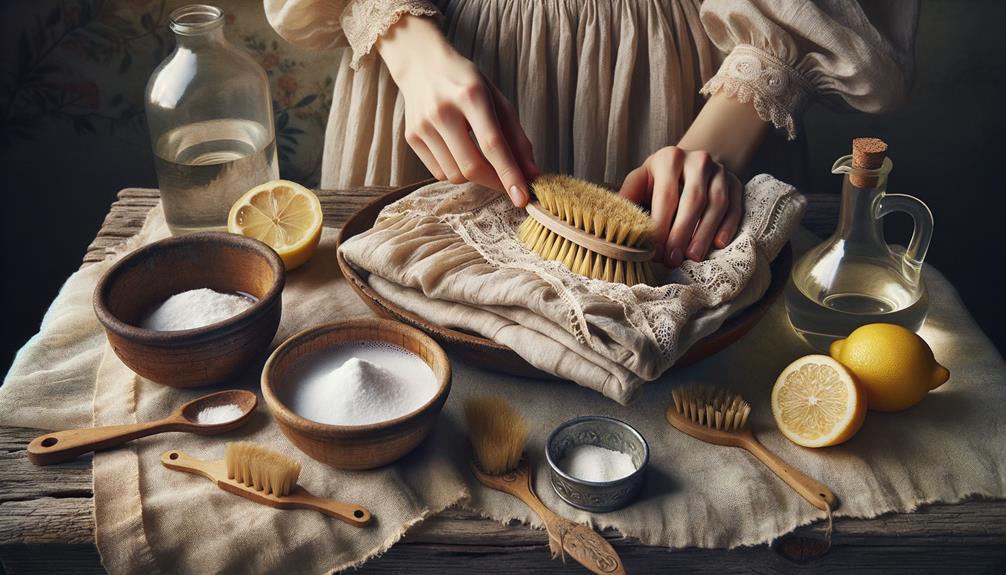
Tackling stubborn stains on vintage clothing is a delicate art that requires a gentle touch. Each piece tells a story, and every mark is a chapter waiting to be rewritten. A discolored fabric from a bygone era brings a mix of excitement and apprehension.
To remove stains, begin by mixing equal parts water and vinegar, creating a solution that’s both effective and gentle. Hand washing is preferable, as it allows close monitoring of the fabric and control over the amount of pressure applied. For mold growth, the same water and vinegar mix works, with the garment dried thoroughly in a dry place, away from direct sunlight. This prevents further damage while prolonging the life of the fabric.
The delicate balance required is always worth keeping in mind. Too much force or the wrong solution can ruin the piece. Each successful stain removal does more than restore the garment; it preserves a piece of history. It is a meticulous process, and seeing an old fabric come back to life makes the effort worthwhile.
Proper Storage
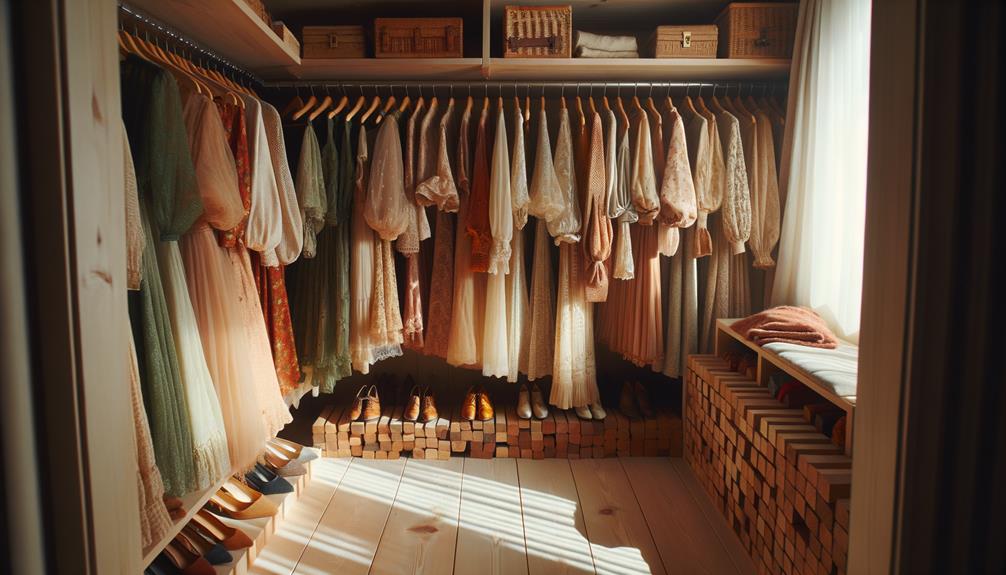
Preserving the integrity of cherished vintage garments doesn’t stop at stain removal; proper storage is just as crucial to ensure they remain in excellent condition for generations to come. Effective storage requires attention to detail and the right materials.
First, opt for breathable storage materials that allow airflow to prevent mold and mildew from forming. Avoid using plastic bags, which can trap moisture and cause deterioration.
Next, wrap each piece in acid-free tissue paper to prevent yellowing and damage, especially for delicate fabrics.
Invest in high-quality storage boxes and bags designed specifically for preserving garments. These are made to protect your clothes from environmental factors and pests, ensuring long-term preservation.
Store the collection in a cool, dry place, away from direct sunlight and moisture. Sunlight can cause fading, while moisture can lead to mold and mildew.
Regularly rotating and checking stored garments ensures even exposure and helps identify potential issues early. Taking these steps safeguards vintage treasures, preserving their beauty and history for future generations.
Preservation Tips
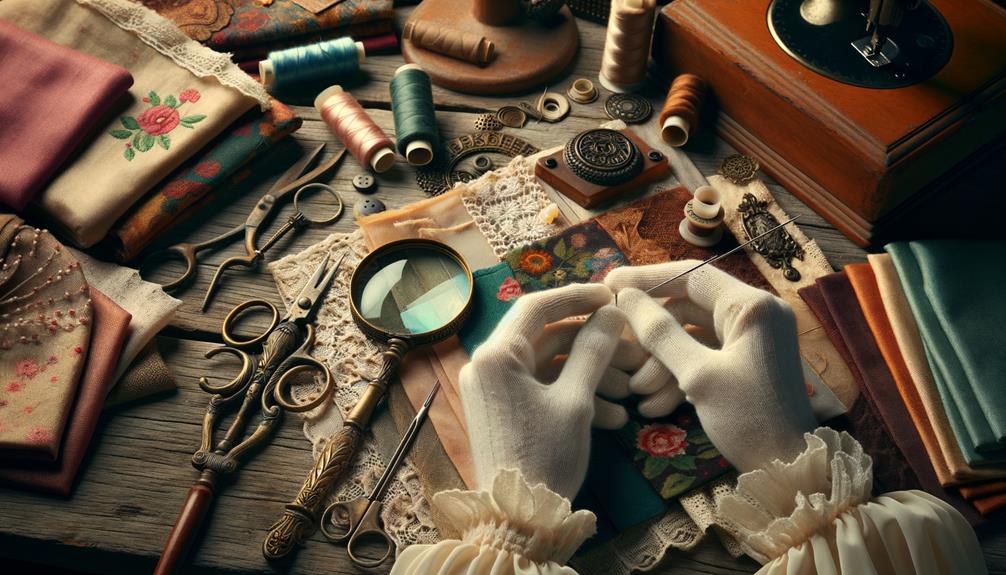
Preserving vintage clothing requires a thoughtful approach. Keeping pieces in excellent condition means paying attention to the environment, which plays a crucial role. Store them in a cool, dry place, away from direct sunlight and moisture, to prevent damage and deterioration. Acid-free tissue paper and breathable storage materials preserve the fabric and prevent yellowing, maintaining the garments in excellent shape.
When washing vintage items, follow specific care instructions to prevent any harm. Gentle hand washing is often best, and for drying, air-dry in a shaded area to avoid sunlight exposure. Regularly checking stored garments allows issues like pest infestations or mold growth to be identified and addressed before they escalate.
Rotating the collection is another vital practice. Doing so distributes wear and exposure, preventing excessive stress on seams and fibers. Archival-quality storage boxes and bags offer additional protection, shielding garments from environmental factors while maintaining their original charm. Through these measures, treasured vintage pieces endure and retain their timeless allure.
Frequently Asked Questions
How Do You Refresh Vintage Clothes?
Inspect the vintage clothes for stains or tears, then research the best cleaning methods. For musty smells, soak them in water and vinegar. To restore colors, use gentle dyes. Delicate fabrics get hand-washed with care.
How to Rejuvenate Old Clothes?
Old fabric carries stories waiting to be told. To give new life to old clothes, wash and mend them gently, adding a modern touch where needed. It amounts to bringing a piece of history into the present.
How to Clean 100 Year Old Clothes?
When cleaning 100-year-old clothes, start by examining their condition and fabric type. Next, test a small area with a gentle solution to ensure it won’t damage the garment, and then proceed carefully to preserve its integrity.
How to Get Vintage Clothes White Again?
To get vintage clothes white again, start by identifying the fabric type. For cotton or linen, soak them in a solution of water and oxygen-based bleach. If there are stubborn stains, applying hydrogen peroxide carefully may help. Always test a small area first to ensure the solution doesn’t damage the fabric.