Conserving antique leather accessories goes beyond simple preservation: it honors their historical charm and enduring beauty. Light, humidity, and temperature all threaten these delicate items, so they should be cleaned with soft cloths and specialized solutions, avoiding harsh detergents. Conditioning the leather with lanolin-based products helps revive its suppleness. For safe storage, use cotton bags and acid-free tissue paper to protect their shape. Each piece requires careful handling and respect. Maintaining these treasures is work worth doing well.
Understanding Leather Deterioration
There is a certain melancholy to watching antique leather slowly succumb to the passage of time. Each crack and crease tells a story of days long past. This poignant decay also brings a sense of urgency. Preserving leather is about safeguarding history, not merely saving material.

Aged leather has a unique character, a patina that only years of use can bestow. Yet this same aging process poses the greatest challenge. Leather, being organic, is susceptible to a range of deteriorative forces: light, humidity, and temperature fluctuations. Each element writes its own narrative into the material, often hastening its decline. Understanding this deterioration is the starting point of any conservation effort.
The work requires a delicate balance between preserving these objects and respecting their natural aging. It is a mix of science and art, demanding technical knowledge as well as an empathetic touch. By understanding the nuances of leather’s slow fading, its legacy can be honored while methods to extend its life are developed.
Cleaning Antique Leather
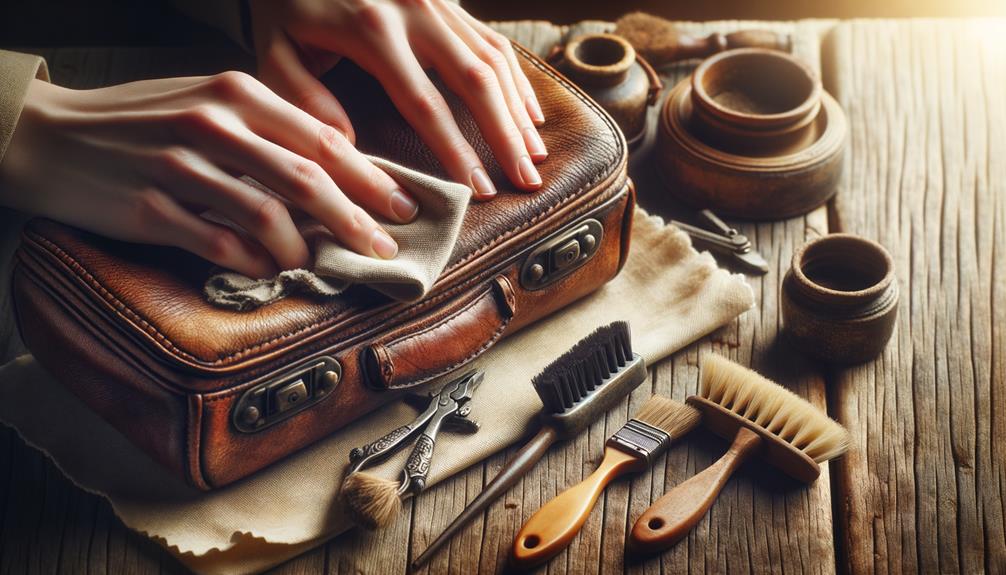
Cleaning antique leather means preserving its character while ensuring its longevity. Each piece has its own story etched into the grain and patina. Cleaning is not simply a task but a careful process that honors the leather’s past while protecting its future.
Harsh detergents and soap should be avoided, as they strip the leather of its natural oils and lead to discoloration and deterioration. A gentler method works better:
- Use a soft, damp cloth to wipe the surface and lift surface dirt and dust, taking care with the leather’s delicate nature.
- For stubborn marks, apply a small amount of specialized leather cleaner with a soft-bristle brush, working in circular motions to lift grime without harming the material.
- Before using any cleaner, test it on an inconspicuous area to make sure it will not damage the leather.
- After cleaning, let the leather air dry fully in a cool, well-ventilated area.
This careful process keeps each piece as timeless as its history.
Conditioning and Moisturizing
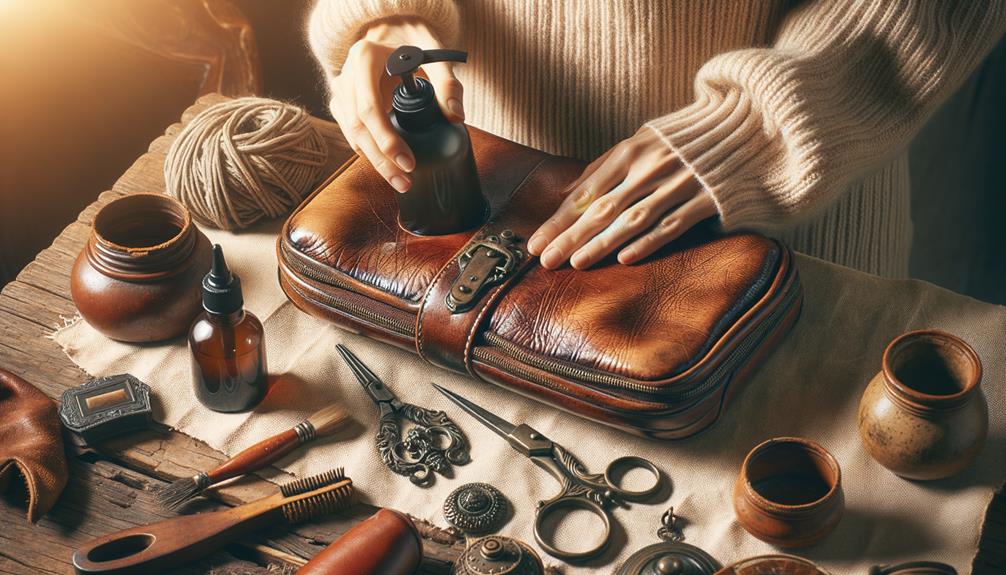
An old leather accessory carries its history in its surface. Conservation practice advises against oil-based dressings such as neatsfoot oil, which can darken leather and cause further stiffening. A conservation-grade leather conditioner, applied sparingly, is the safer choice.
Choosing Appropriate Products
Balancing the preservation of the past with its future is a real consideration when caring for antique leather accessories. Good products respect the integrity of these objects rather than altering them.
Museum-grade leather dressings have a reputation for carefully preserving artifacts that have stood the test of time. These dressings are formulated to guard heritage rather than simply to shine surfaces.
Saddle soap, infused with lanolin, restores the suppleness and sheen of antique leather without compromising it. It nourishes while preserving.
Beeswax, a natural waterproofing agent, revives and protects. Conservator’s Wax is effective for a variety of antique materials, leather included. Saddle Soap with lanolin supports suppleness and longevity.
With the right products, maintenance becomes a way of carrying the past forward, one careful application at a time.
Applying Leather Conditioners
With the right leather care products chosen, the next step is to revive the leather through careful conditioning and moisturizing. Each vintage leather piece has a story to tell, and The surface should be gently cleaned with a leather-specific, pH-neutral cleanser, not saddle soap, which is alkaline and can damage antique leather. This prepares the surface to absorb a conditioner that conservators consider safe.
Choose a conservation-grade conditioner rather than a household oil or silicone treatment, and test it on an inconspicuous area to ensure compatibility and avoid unwanted discoloration. The leather will drink in the moisture and regain some of its lost suppleness.
Apply the conditioner in moderation and massage it into the leather, reaching every crease and edge. This softens and rehydrates the material while reducing the risk of cracking and brittleness. The balance matters, as too little or too much can lead to excessive oiliness and residue buildup, which would undermine the preservation work.
Done carefully, this process revitalizes damaged leather, so its grace and elegance endure for future generations.
Safe Storage Practices
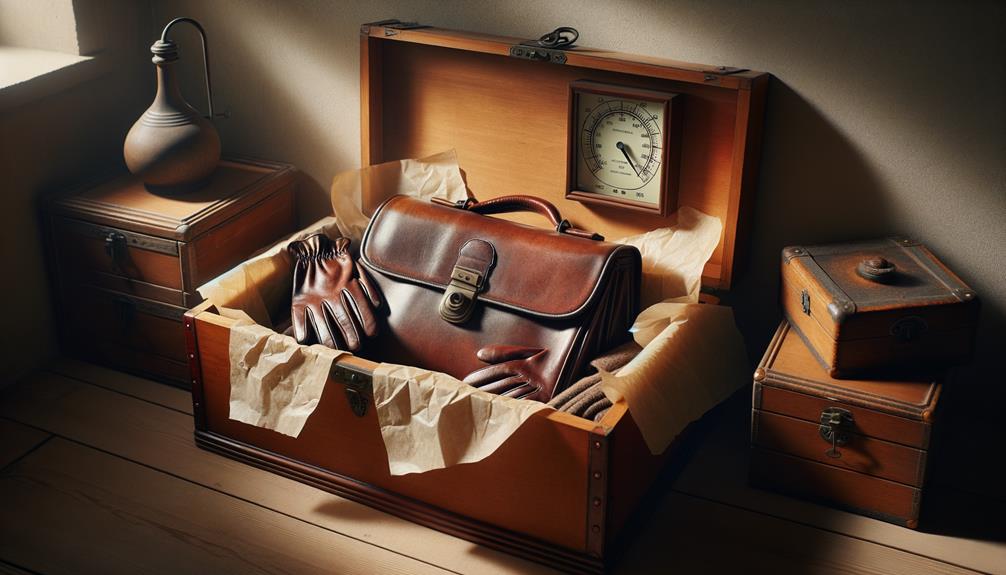
Properly storing antique leather accessories is crucial for preserving their beauty and longevity. Keeping these items in cotton bags or pillowcases allows the leather to breathe and avoids the damaging effects of airtight conditions. The natural aging process of leather goods is part of their charm, but maintaining the right environment is key.
Controlling humidity is a vital step. A cool, dry place free from moisture, light, and temperature fluctuations will protect the leather from decay caused by humidity and heat.
These simple practices keep such treasures in good condition:
- Stuffing bags and shoes with acid-free tissue paper or inserts maintains their shape and prevents sagging or distortion over time.
- Giving each piece its own space prevents the scuffs, scratches, and bending that come from overcrowding or stacking.
- Regular inspections catch mold, mildew, or signs of insects before they cause damage.
These steps preserve the beauty and character of antique leather accessories, letting them age gracefully.
Repair and Restoration Techniques
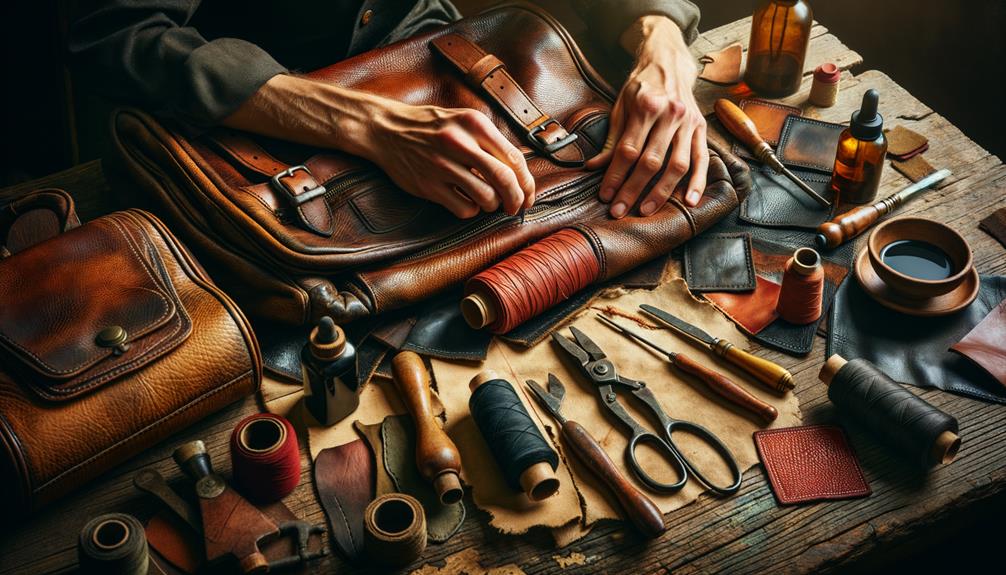
Restoring antique leather accessories is a delicate process that requires patience and skill. Each step aims to revive the timeless elegance of these items without erasing their storied past. At the heart of this craft is a set of techniques, each chosen with care to respect the integrity of the materials. Always begin with a patch test on an inconspicuous area, confirming that any restoration product blends through without causing harm.
The Canadian Conservation Institute advises avoiding petroleum-based products such as neatsfoot oil, which can make leather brittle over time. pH-neutral leather cleaners are the better choice, applied gently with a soft brush to cleanse without stripping away the character of the age.
When wear demands more than a gentle touch, consult professional conservators. Their expertise identifies the safest course of action, ensuring that each technique is both safe and reversible. Proper storage then acts as a silent guardian: a cool, dry sanctuary with stable humidity levels, preserving the renewed beauty.
Done this way, the past speaks through the present, and the leather’s tale continues with grace.
Consulting Experts
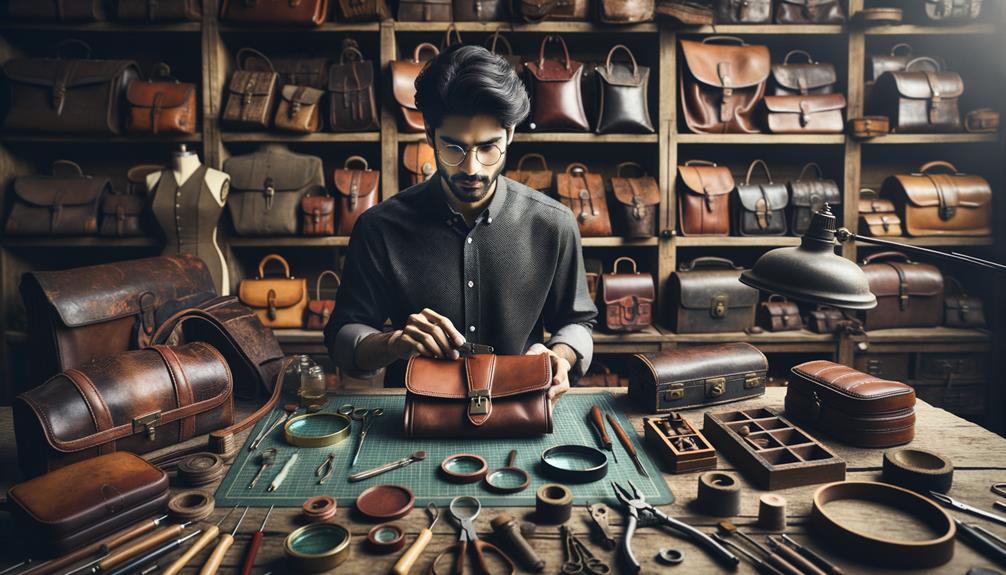
Consulting experts is highly valuable when caring for antique leather. Guidance from professional conservators and experienced collectors has helped many collectors turn delicate relics into preserved masterpieces.
These experts offer several kinds of insight:
- Expert Guidance: Conservators can advise on the best cleaning, conditioning, and storage methods to ensure the longevity of antique leather.
- Safe Techniques: Museum curators and historical society staff can share safe, reversible restoration techniques to avoid further damage.
- Specialized Products: Leather experts recommend specialized care products and proper application to protect the material.
- Traditional Practices: Experienced collectors or reenactors share time-tested preservation practices that have stood the test of time.
Contacting the original makers, if possible, can also uncover the intended materials and maintenance methods for the piece. Each consultation links past and present, building a body of care that honors the essence of these antique treasures.
Frequently Asked Questions
How to Stabilize Old Leather?
To stabilize old leather, using pH-neutral conditioners is a gentle approach. Maintaining a relative humidity level around 45 to 55 percent is the usual target for storage. Harsh oils should be avoided, and the leather should be handled with a light touch. For fragile pieces, seek guidance from a professional conservator.
How to Care for Antique Leather?
Caring for antique leather is skilled work. It requires stable humidity, gentle handling with cotton gloves, and specialized cleaning tools used with restraint. Every step is careful work that preserves history and keeps the timeless beauty of these treasures in cool, dark spaces.
How to Restore 100 Year Old Leather?
Restoring century-old leather requires a delicate touch. Clean it gently with a soft brush, nourish it with beeswax, and store it in a stable environment. The goal is to return life to a neglected artifact while preserving its history and character.
How Do You Nourish Old Leather?
Nourishing old leather means returning life to it. Massage beeswax or lanolin into the fibers and avoid harsh chemicals. Each application preserves the leather’s story for the future.
The process is close to meditative. Careful attention to each movement works the conditioning product into the worn material, bringing back some of the vitality that time has stripped away.
Worth considering are the origins of a piece and the hands that have handled it over the years. Was it part of a cherished family heirloom? Did it serve a practical purpose, like a well-worn satchel or a pair of sturdy boots? The leather holds those narratives, and caring for it means safeguarding them.
It is a delicate balance: respecting the leather’s history while ensuring its longevity. With each application of a nourishing treatment, a piece of the past is preserved so it can still be enjoyed for years to come.
Conclusion
Conserving antique leather is about more than preserving objects. It is about reviving the stories they hold, each crack and crease a trace of a bygone era. By cleaning, conditioning, and properly storing these treasures, their legacy is honored. Repairing worn parts is a form of mending time itself. And sometimes, experts are needed to guide the process. Caring for these relics conserves the leather and preserves the memories they carry.