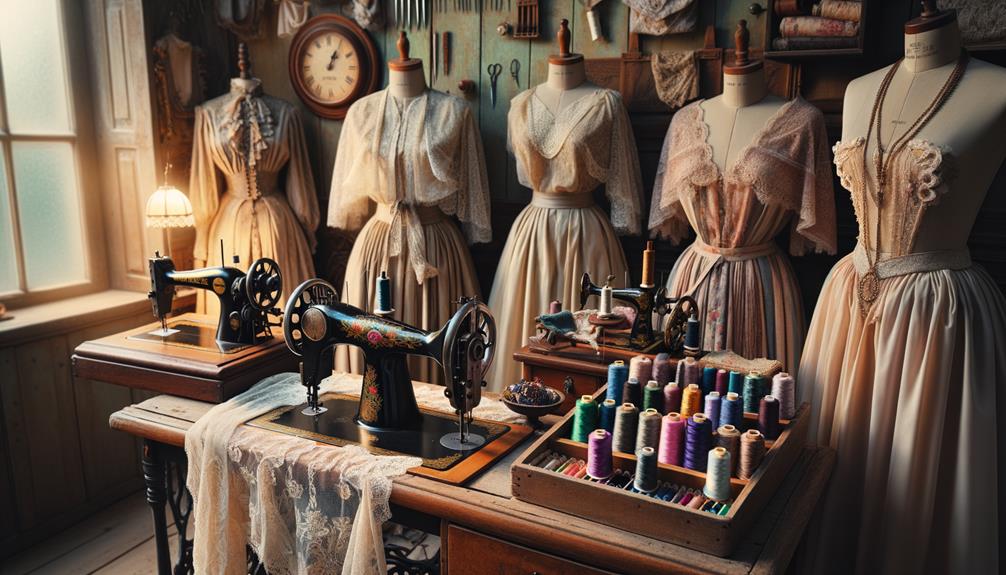
Delicate lace carries centuries of craftsmanship in every weave and thread, and each one demands gentle care. Care begins with a soft bath of mild detergent, which lets the lace soak and breathe. Air drying flat, away from sunlight, keeps the patterns pristine. Storage wrapped in acid-free tissue, in a cool, dry place, with occasional inspection for wear or tear, protects the piece for the long term. These rituals honor the lace’s timeless beauty and intricate history. There are nuances to preserving these heirlooms that go beyond the basics.
Understanding Lace Fibers
Understanding the different fibers used in intricate lace patterns, whether cotton, silk, or synthetic, is crucial for preserving the delicate structure. Each fiber type gives lace unique properties, making it both captivating and challenging to maintain. The fragile threads, woven into delicate designs, are susceptible to snagging and distortion, demanding meticulous care.

Silk lace, with its ethereal lightness, is particularly prone to tangling and strain at the seams. Its composition requires a gentle touch, as even slight mishandling can lead to shredding. Cotton lace, though sturdier, still demands attentiveness to avoid undue stress on its intricate weave. Synthetic fibers, while offering some resilience, cannot withstand harsh chemicals or vigorous agitation without compromising their integrity.
The delicate nature of lace calls for a nuanced approach to maintenance and preservation. Avoiding strain and tangling is critical, as is understanding the fragility of its fibers. Proper handling, from minimizing physical stress to using mild, fiber-friendly solutions, ensures the longevity of these treasured textiles. By respecting the intricate composition of lace, its craftsmanship is honored and its beauty preserved for generations to come.
Cleaning Techniques
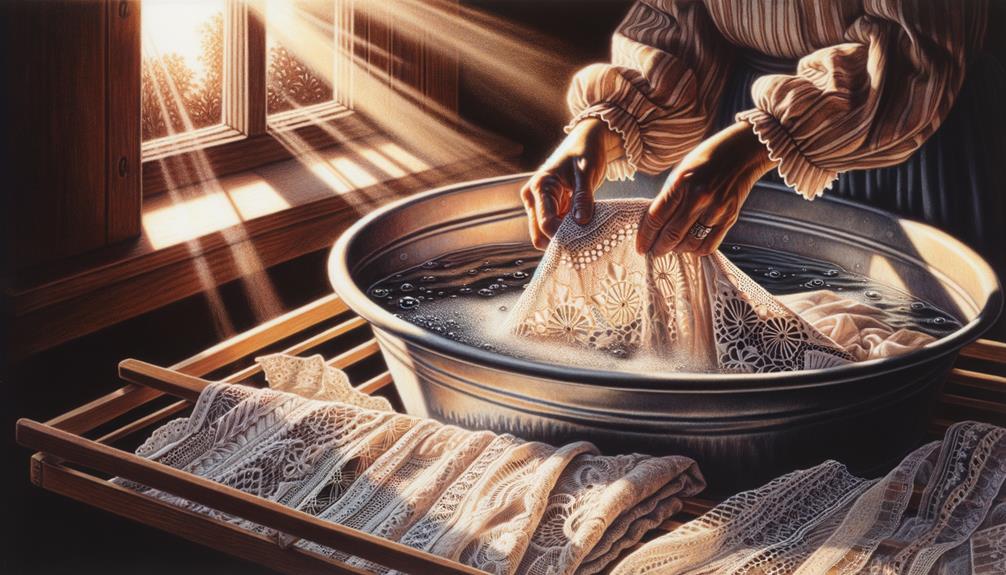
Caring for lace requires a gentle approach to preserve its delicate beauty. The process starts with a soft bath, blending a mild detergent like Orvus WA Paste into warm water. Immersing the lace lets its fibers relax as it soaks for about 45 minutes to an hour.
Washing lace demands patience, a careful balance in which the water and detergent cleanse without harshness. When rinsing, continue until the water runs clear, signaling that the impurities are gone. The lace is then lifted into a soft towel and gently pressed to absorb excess moisture. Never wring. Always cradle.
Spread the lace flat and shape it with care, ensuring its intricate patterns stay true. Sunlight is a risk here, and indoor air is safer. Tissue and absorbents are used to wrap it, avoiding harsh elements. Each step, each touch, is a pledge to care for and preserve. In this quiet ritual, the lace seems to whisper its gratitude, ready to grace another day with its ethereal charm.
Drying Methods
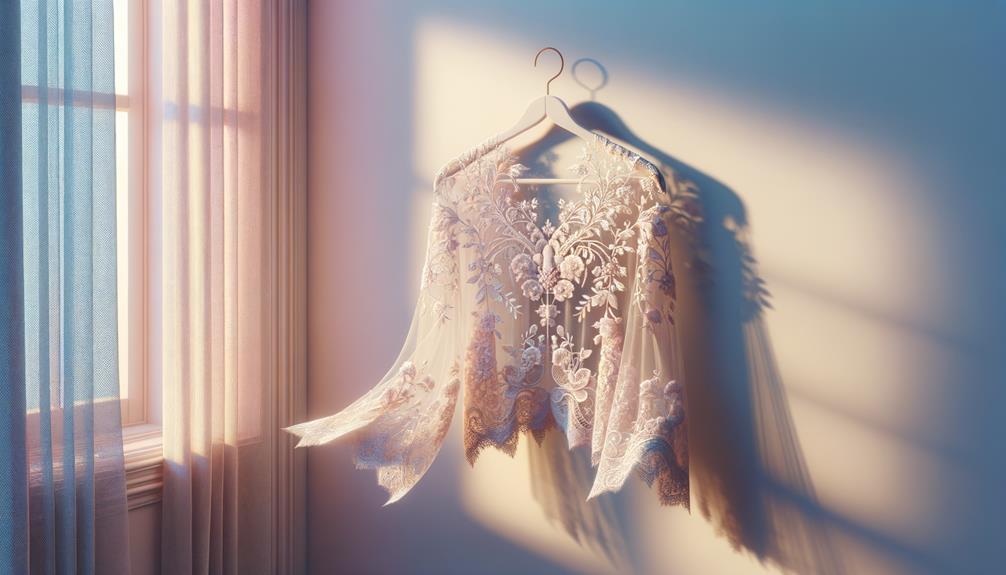
Of the available methods, air drying is the gentlest for delicate lace garments, and it helps preserve their intricate beauty. Begin by wrapping them in absorbent towels and blotting away excess moisture. Then, lay them flat to dry. This careful process ensures the lace maintains its form, avoiding the harshness of machine drying.
Air Drying Benefits
There is a quiet beauty in letting delicate lace garments air dry. This gentle method preserves the intricate motifs, with lace fabrics laid to rest on absorbent towels. It is as if the fabric is thanking the caretaker for the care taken during the drying process.
Using a flat surface is essential for air drying, ensuring the lace remains undistorted and true to its original form. The gradual air drying at room temperature nurtures the fabric, allowing it to breathe and return to its natural state. Avoiding direct sunlight protects the lace from harmful UV radiation, which can lead to discoloration and weaken the intricate fibers.
In this meticulous process, the lace motifs are reshaped as needed, supporting the fabric so it dries evenly and retains its delicate structure. The patience required is the key, since every minute spent secures the longevity and beauty of these exquisite garments. Air drying transforms a simple act into a ritual of preservation, honoring the craftsmanship woven into each piece.
Towel Blotting Techniques
Once the lace has completed its gentle air drying, the next step is to use a clean, absorbent towel to absorb any remaining moisture. Lay the lace flat and gently press the towel against it to remove excess water. Twisting or wringing the delicate fabric should be avoided, since the process is a gentle one. A non-detergent cleaner leaves the lace pristine, ready for the next phase.
Reveley, who runs a business dedicated to preserving lace, has invaluable techniques. She advises refolding the lace along different lines and using acid-free tissue paper for storage. This prevents creases from becoming permanent, maintaining the garment’s ethereal beauty.
After pressing, position the towel-wrapped lace near, but not directly in, sunlight, avoiding infrared heat to protect its fragile structure. The lace dries without damage, lying flat on the towel, its delicate motifs reshaped and creases smoothed.
This method is about preserving history as much as it is about drying. Each step honors the craftsmanship woven into every thread, ensuring the lace remains as captivating as when it was first created.
Day-to-Day Care
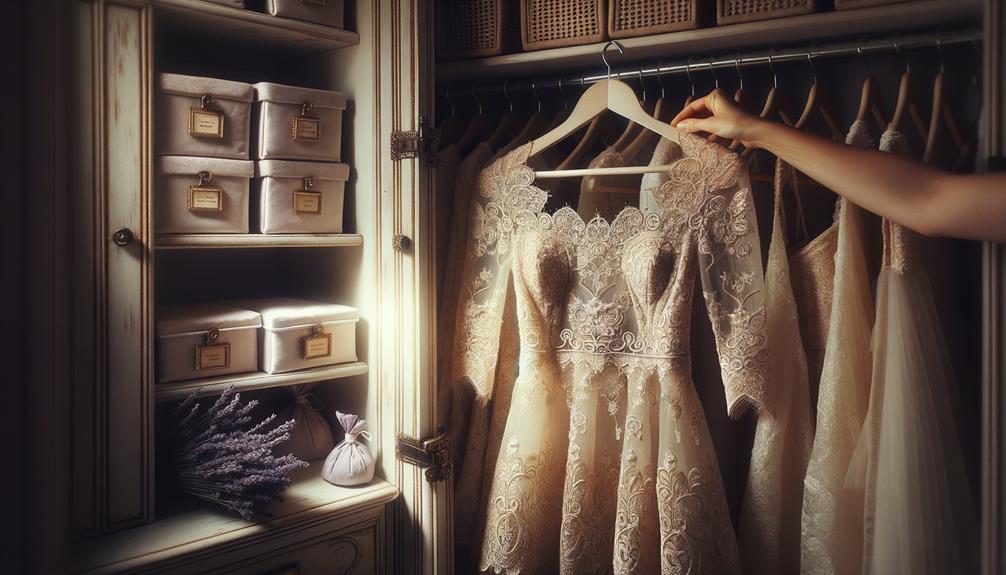
Caring for delicate lace garments is a serious responsibility. They are washed gently, never twisted or wringing, and stored away from rougher fabrics. This careful approach ensures their timeless beauty remains intact. Lace pieces require attentive handling, but the effort is worthwhile to preserve their elegant appearance.
Gentle Washing Techniques
Caring for delicate lace garments requires a thoughtful approach to preserve their intricate beauty and delicate structure. When hand washing these treasured pieces, lukewarm water combined with a mild detergent designed for delicate fabrics works well. Avoid machine washing, as the agitation and spin cycles can damage the fabric.
Gently swishing the lace in the water, without wringing or twisting, helps clean without compromising the fabric’s integrity. Thorough rinsing ensures all detergent residues are removed, preventing future degradation. Removing excess water demands a gentle touch. Press the lace between clean towels instead of wringing.
Air drying is crucial. Laying the lace flat or hanging it in a well-ventilated space, away from direct sunlight and heat sources, ensures the fabric retains its luster and form. By treating these garments with care, the craftsmanship and history woven into every delicate thread are honored. This meticulous process transforms routine care into a ritual, preserving the elegance and charm of lace for generations.
Proper Storage Methods
Storing delicate lace properly is crucial for its longevity and beauty. Careful storage is an art form in itself.
- Breathable Storage: Lace items are kept separate from other fabrics, using breathable fabric storage bags or wrapping them in acid-free tissue paper. This protects them from dust, light, and environmental factors that could cause damage.
- Ideal Environment: Avoid attics, cedar chests, or plastic containers, as these can lead to discoloration and deterioration. Instead, store lace in a cool, dry place with a consistent temperature and humidity level to prevent mold, mildew, or fiber degradation.
- Regular Inspection: Inspecting lace for snags or tears on a regular basis is essential. Gently refolding the lace helps prevent permanent creases or thread disintegration.
- Support and Cushioning: Wrapping lace in unbleached muslin or cotton sheets provides vital cushioning, supporting the delicate structure during storage.
Correct Storage Practices
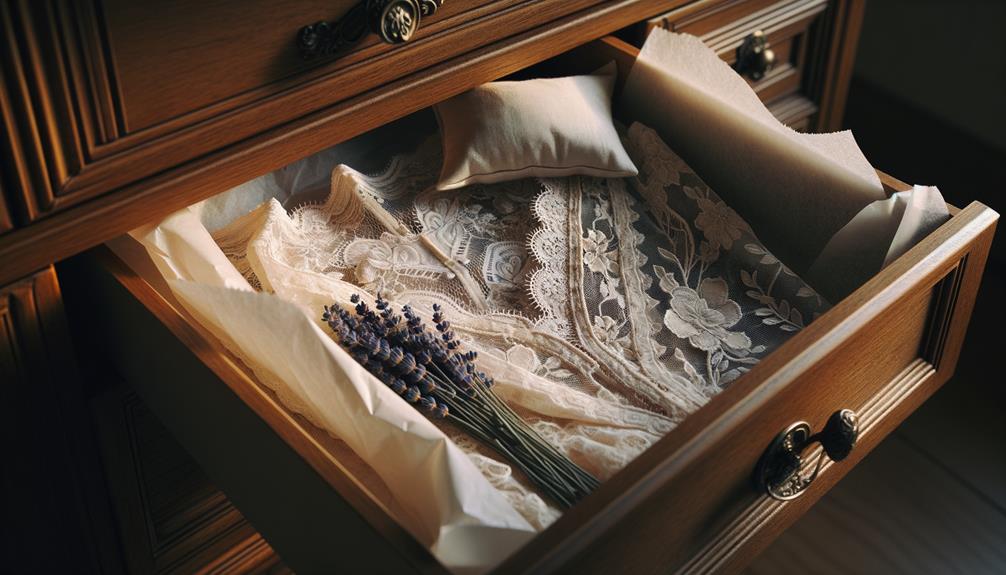
Storing delicate lace garments requires careful attention. Wrapping them in acid-free tissue paper or cotton muslin protects the intricate threads from environmental factors like high humidity, direct sunlight, and temperature fluctuations. These breathable fabrics gently embrace the lace, preventing yellowing and deterioration over time.
But the right wrapping is just the start. Regularly refolding the garments is crucial to avoid creasing and cracking. Each fold must be done with care, respecting the delicate nature of the lace. For maximum protection, use breathable garment bags or archival-quality boxes to shield the pieces from dust and pests.
Routine inspections are essential to ensure the lace remains unscathed. Rearrange the pieces as needed to maintain their shape and support. With these practices, the lace garments can continue to tell their stories of elegance and history, their delicate beauty preserved over time.
Professional Restoration
Delicate lace garments show the skill and artistry of their creators. Entrusting these precious items to professional restorers is an act of reverence, honoring their intricate beauty and historical significance. To effectively preserve these delicate fabrics, specialized knowledge and techniques are indispensable.
Lace restoration requires an understanding of construction methods as well as the judicious use of materials that maintain the original color variations and fabric integrity. Gentle Arts, a renowned restoration service, offers an extensive suite of services tailored to the unique needs of lace preservation.
Their process begins with gentle cleaning, ensuring the lace is free from dirt and contaminants without the use of harsh chemicals. Expert appraisals provide valuable insights into the lace’s worth and historical context, guiding the restoration approach.
Preventive maintenance advice on proper storage methods helps minimize exposure to light and other harmful environmental factors, safeguarding the delicate fabric. When damage is present, the Gentle Arts team intervenes with meticulous care, addressing issues to prevent further deterioration.
Improper home cleaning, such as using bleach or exposing lace to direct sunlight, can spell disaster for these fragile pieces. As a result, collaboration with expert restorers is vital. The goal goes beyond mending to combining care and expertise, ensuring each lace piece transcends time, untouched by the ravages of neglect.
Frequently Asked Questions
How to Preserve Antique Lace?
To preserve antique lace, gently clean it with a mild soap and water solution. Shape the damp lace and store it in acid-free tissue. Regularly refolding and allowing the lace to air out will help maintain its delicate beauty, avoiding harsh light and humidity.
How to Clean Delicate Lace?
Cleaning delicate lace is a delicate process. Use a gentle, non-irritating detergent like Orvus WA Paste, hand wash carefully in warm water, cradle in towels, and let it dry flat. This approach helps preserve the intricate details and fragile nature of the lace.
How Do You Restore Vintage Lace?
Restoring vintage lace requires a delicate touch. The process usually begins with a professional conservator, who guides the owner through the intricate process. Conservators share specialized techniques for gentle cleaning, stain removal, and intricate repairs, ensuring each thread’s history is carefully preserved.
A conservator’s expertise is invaluable in navigating this delicate task. They walk the owner through the steps, explaining how to handle the lace with utmost care. This helps in understanding the significance of preserving the integrity of the fabric and its unique characteristics.
The cleaning and repair work is meticulous, as the conservator employs innovative methods to address any issues without compromising the lace’s fragile structure. Each section is examined closely to identify the best approach to restore the lace to its former glory.
Throughout the process, the conservator’s guidance is essential. Their wealth of knowledge and hands-on experience ensure the lace’s history is honored and its beauty is revitalized for future generations to appreciate.
How to Care for Lace?
To care for lace, gently immerse it in an Orvus solution, then rinse it thoroughly. Dry the lace flat to preserve its intricate pattern. Store it in unbleached muslin to keep it safe for future generations to enjoy its beauty.
Conclusion
Preserving delicate lace garments is a labor of love. Each thread is cherished memory, fragile yet resilient. Cleaning, drying, and storing these pieces with care becomes a ritual, a tender embrace of history. The day-to-day maintenance is a whispered promise to the past, while professional restoration feels like breathing new life into an old soul. The work requires precision and devotion, ensuring these heirlooms can share their stories with future generations.