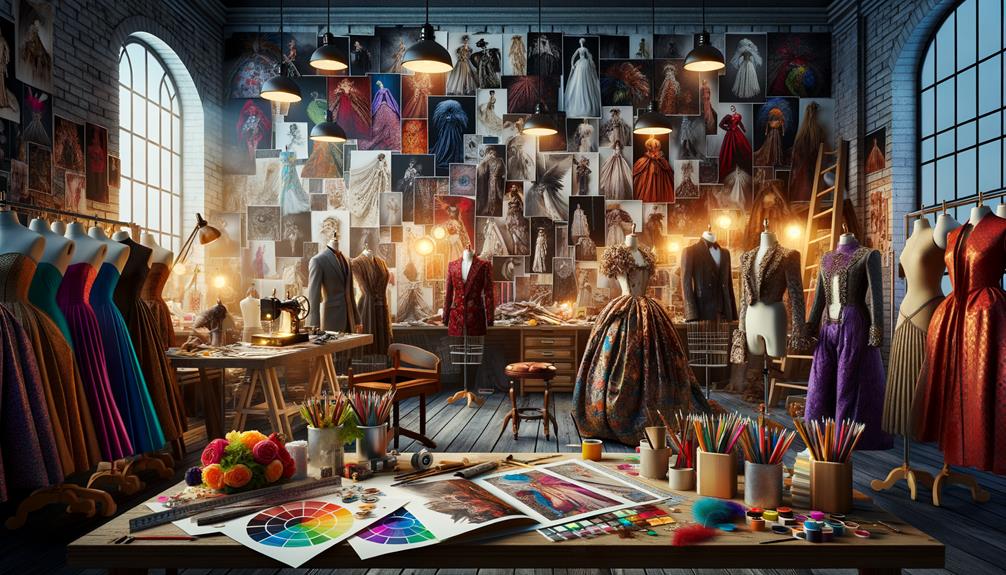
Sustainable practices in costume design start with the fabric itself. Selecting biodegradable fabrics and natural dyes from plant waste such as onion skins produces pieces that look good while respecting the environment. Zero-waste pattern cutting and repurposing recycled materials, curtain linings among them, reduce waste and give old fabrics new life. Costume rental and modular construction further improve reuse, reflecting a more considered approach to making clothes. Standards such as the Global Organic Textile Standard and Cradle to Cradle Certified support ethical practice throughout. These methods point towards a more eco-conscious wardrobe.
Embedding Sustainability in Design
When designing sustainable costumes, materials should be selected to minimize environmental impact across the whole lifecycle. Embracing sustainable practice concerns every step in the production process, not simply the finished garment. Materials such as biodegradable fabrics and those derived from textile recycling change how costume making is approached.

Using sustainable materials does not mean sacrificing creativity. In practice it opens up new textures and colors, particularly when paired with natural dyeing methods. These materials, together with zero-waste pattern cutting, produce designs that are attractive and responsible.
Costume rental is also a central part of sustainable practice. Reusing and repurposing existing garments reduces waste and gives each piece a further life. Modular construction methods extend this, allowing costume components to be disassembled and reused.
Working with other designers and sustainability specialists brings useful experience to a project and keeps each one accountable. These practices make a more sustainable future for the industry achievable.
Sustainable Sourcing and Materials
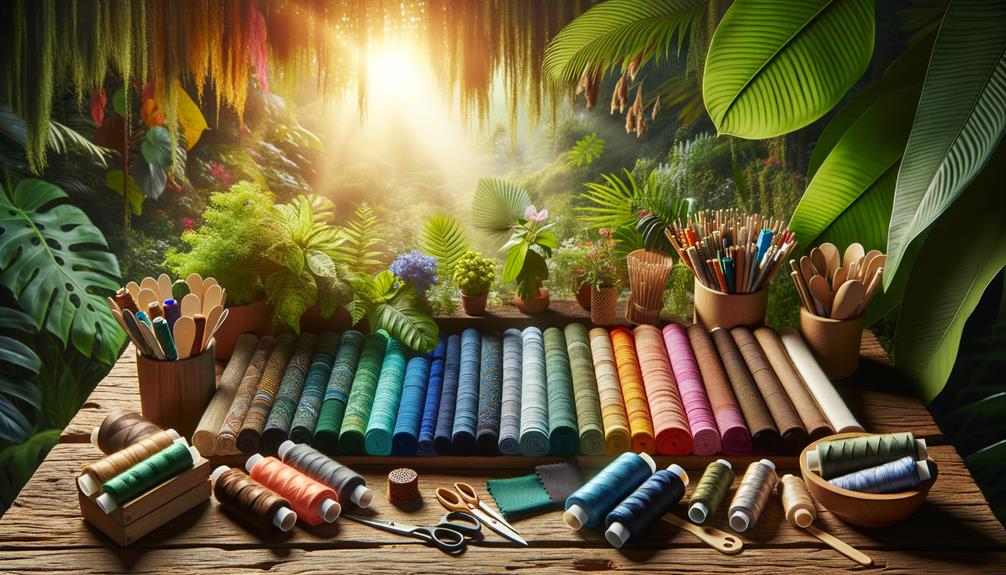
The origins of fabrics and dyes affect both the environment and the story a design tells. Sustainable costume creation starts with the textiles themselves. Using recycled curtain linings donated by organizations such as The Prince’s Foundation provides an eco-friendly base for garments. Once washed and cleaned to remove impurities, these recycled textiles offer a surface ready for natural dyes derived from food and plant waste such as onion skins, marigolds, and rose petals.
Adopting these practices enriches the fashion narrative while reducing the environmental footprint. Zero-waste pattern cutting minimizes fabric waste and makes the most of every piece. Material exchanges, rental schemes, and second-hand sources build a more responsible supply chain, and the textiles they yield are often both environmentally sound and distinctly beautiful.
Each of these practices aligns with sustainable values and moves traditional costume design forward, toward a future where fashion reflects respect for the planet.
Eco-Friendly Production Techniques
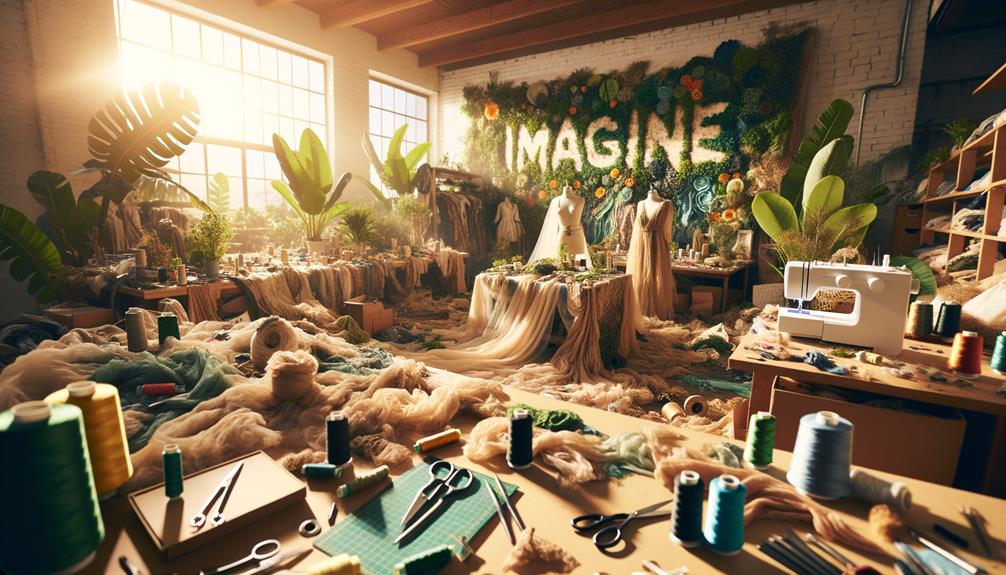
Eco-friendly production techniques build on the foundation of sustainable sourcing and strengthen the commitment to environmentally conscious costumes. These methods reduce greenhouse gas emissions and establish new standards within the fashion industry. Working with a natural dye specialist and a sustainability consultant is invaluable, guiding the use of plant-based dyes from food and plant waste such as onion skins, marigold, and rose petals. These natural dyes give vibrant, sustainable colors that improve the finished costume.
In costume departments, cutting patterns to minimize waste is a fundamental practice that ensures every piece of fabric is used. Leftover scraps are repurposed into quilts rather than discarded, which supports the goal of reducing waste. Second-hand materials such as recycled curtain linings from The Prince’s Foundation are also put to use, going through repeated over-dye sessions to reach the intended look.
Eco-friendly production techniques include:
- Natural dyeing with food and plant waste
- Collaboration with sustainability experts
- Pattern cutting to minimize waste
- Repurposing fabric scraps into quilts
- Sourcing and over-dyeing second-hand materials
These practices produce sustainable costumes that respect both artistry and the environment.
Managing Costume Lifecycles
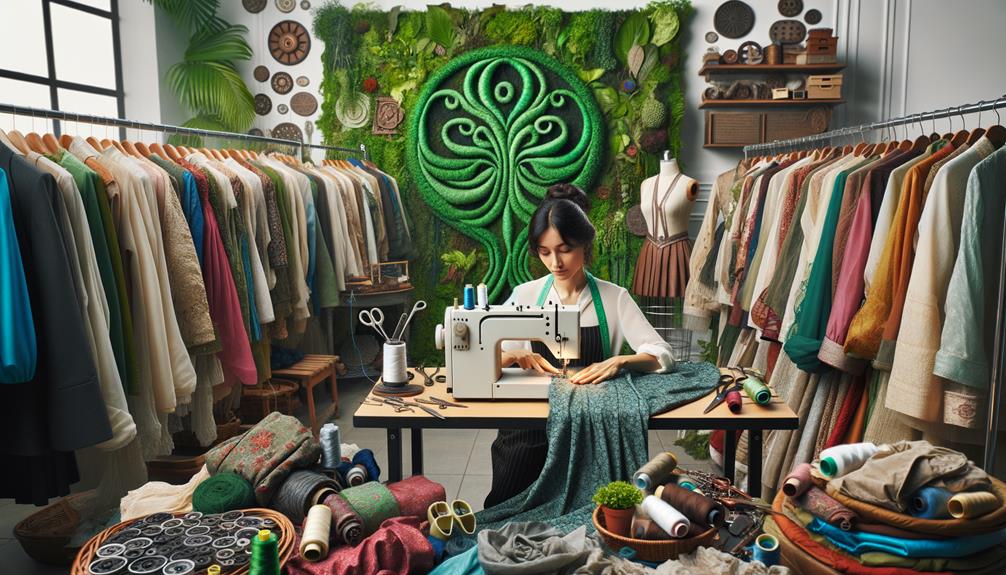
Reducing the environmental impact of costumes requires careful management of their entire lifecycle, from creation to disposal. Every decision in costume design has environmental consequences, and a costume’s future has to be considered from the moment it is made. Large production companies may have the advantage of costume warehouses full of reusable pieces, while smaller productions often struggle to access sustainable options. That disparity challenges the industry to innovate greener practices.
One solution is expanding costume warehouses to hold more recent styles, making these resources available to all productions. Promoting sustainable cleaning methods also reduces the harmful solvents released into the environment. Organizations such as Earth Angel demonstrate the value of donating reusable clothing and recycling textile scraps, giving garments new life and reducing their impact. Textile recycling programs and fair working conditions further reduce the negative environmental footprint.
Managing costume lifecycles responsibly means producing well-made pieces for the screen while contributing to a more sustainable future for the industry.
Industry Standards and Certifications
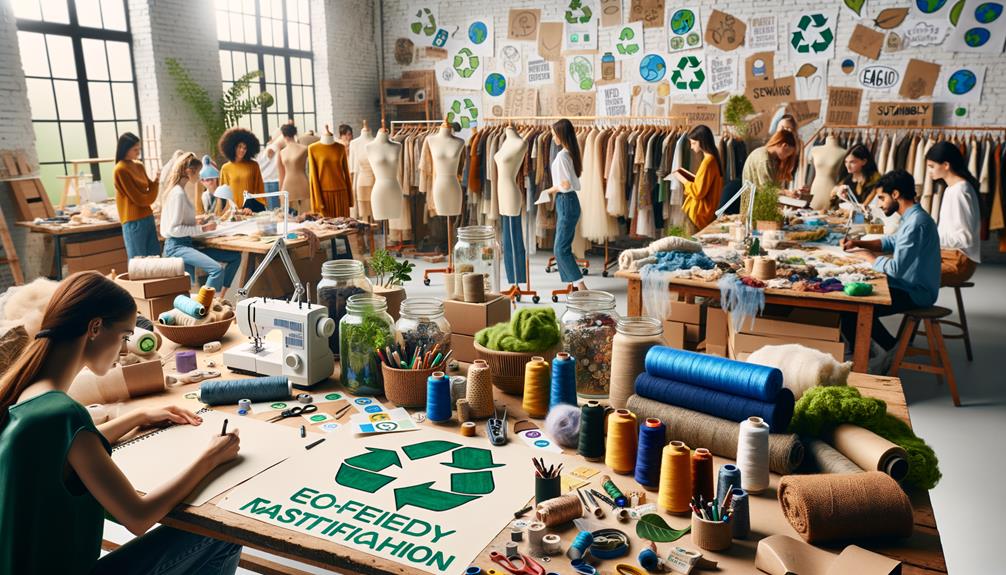
Navigating industry standards and certifications can feel complicated, but they are vital for keeping costume design ethical and sustainable. These standards lower environmental impact and protect the wellbeing of workers and the planet. Sharing knowledge between designers matters, since understanding these certifications changes how sustainability is approached.
The Global Organic Textile Standard (GOTS) guarantees organic fibers and sets strict environmental and social criteria throughout the supply chain. The Cradle to Cradle Certified Product Standard evaluates design and manufacturing on material health, recycling, renewable energy, water management, and social fairness. The Fair Trade USA Certification verifies ethical labor practices, including fair wages and safe working conditions. The Oeko-Tex Standard 100 tests and confirms that textile products are free from harmful substances. The Bluesign System evaluates chemicals, processes, and resource use to keep textiles safe for the environment, workers, and consumers.
Frequently Asked Questions
What Are the Sustainable Design Practices in Fashion Industry?
Several sustainable design practices matter in the fashion industry. Using recycled materials reduces waste and gives new life to existing resources. Zero-waste pattern cutting minimizes leftover fabric from garment production. Ensuring fair labor practices throughout the supply chain is equally important, valuing the people behind the clothes.
How Do You Make a Sustainable Costume?
A sustainable costume uses recycled fabrics, natural dyes, and zero-waste techniques, with modular designs developed in collaboration with specialists. Eco-friendly cleaning methods matter, and the costume’s disposal should be planned from the start.
How to Be a Sustainable Fashion Designer?
A sustainable fashion designer uses eco-friendly materials, applies circular design, and works with ethical suppliers. Zero-waste techniques such as pattern making that optimizes material usage reduce fabric waste, and educating consumers about sustainable choices is part of the job. Clients should understand the environmental impact of what they buy and feel confident that it was produced responsibly.
Natural, renewable, and recycled fabrics are preferred over synthetics that harm the environment. Designing with circularity in mind produces pieces that can be repaired, upcycled, or recycled at the end of their life. Working with transparent, ethical suppliers is crucial for keeping high social and environmental standards throughout the supply chain.
The goal is fashionable, durable garments that reduce waste and environmental harm. Combining eco-friendly materials, circular design, and ethical practices is how the sustainable fashion movement advances.
What Is Sustainability in the Apparel Industry?
Sustainability in the apparel industry involves creating clothing with minimal environmental impact. This usually means using eco-friendly materials, ethical production methods, and designing timeless pieces to reduce waste and promote a circular economy. Brands focused on sustainability aim to minimize their carbon footprint throughout the supply chain, from sourcing to manufacturing to delivery. By prioritizing sustainable practices, they hope to lessen the industry’s strain on natural resources and ecosystems. The goal is fashion that is kinder to the planet without sacrificing style or quality.
Conclusion
The impact of thoughtful choices in sustainable costume design is clear in practice. A production that repurposed vintage fabrics, giving them new life on the stage, saved money and brought a distinctive quality to the characters. Sustainability is a commitment to creativity and responsibility rather than a passing trend. These practices shape a more careful future for the arts.