Baroque and Rococo

Baroque and Rococo Fashion

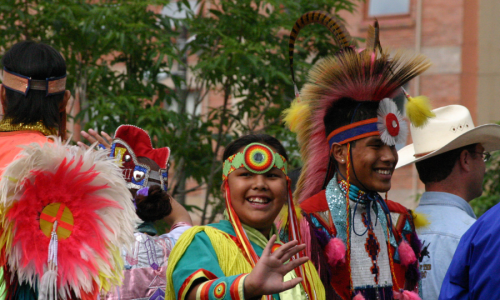
A vibrant scene of a traditional celebration, featuring participants in colourful and elaborate Indigenous attire, smiling and engaging in the festivities.

Baroque and Rococo Fashion: Silhouettes and Ornament

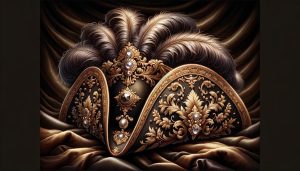
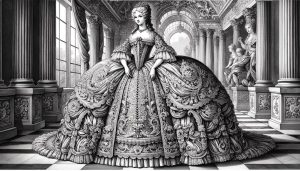
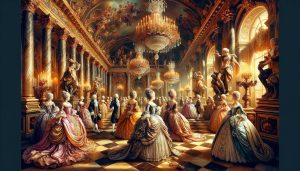
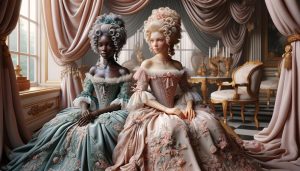
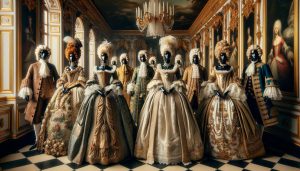
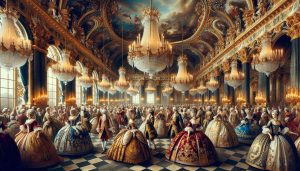
Baroque and Rococo fashion covers roughly the years 1600 to 1780 in Europe. Baroque dress emphasized volume, contrast, and movement: wide skirts supported by petticoats and farthingales, high heels, and heavy ornament in silk, velvet, and metallic thread. Rococo, which followed, reduced scale and weight in favor of lighter fabrics, pastel color, and small decorative motifs. The two periods share a taste for elaborate surface work but differ sharply in proportion.

Baroque and Rococo Silhouette and Ornament in Detail

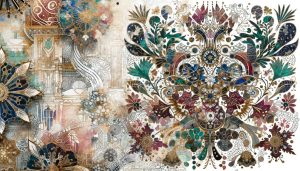
Men’s dress of the Baroque was built on a rigid silhouette: a knee-length coat with a full skirt, waistcoat, breeches, and boots. Women’s dress used a bodice and skirt over structured underlayers, with sleeves gathered at the shoulder or cut away entirely. By the 1730s the shape narrowed, skirts were flattened at the front and drawn back, and the tall Rococo pannier replaced the earlier hoop. Decorative vocabulary shifted with it: architectural scrollwork gave way to shells, ribbons, and scattered flowers.
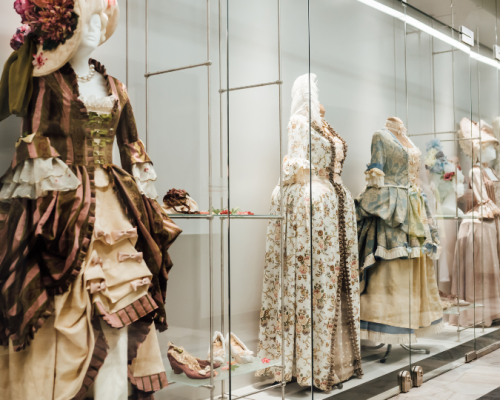
An elegant display of mannequins dressed in intricate, vintage gowns from various historical periods, showcased behind glass in a museum setting.

Topics Covered on This Site

Special

Curated Collections

Our curated collections represent a meticulous selection of garments and accessories that embody the quintessential essence of Baroque and Rococo styles. We're confident that each piece exudes a timeless elegance and sophistication, with luxurious fabrics and intricate embellishments that transport you to a bygone era of grandeur.
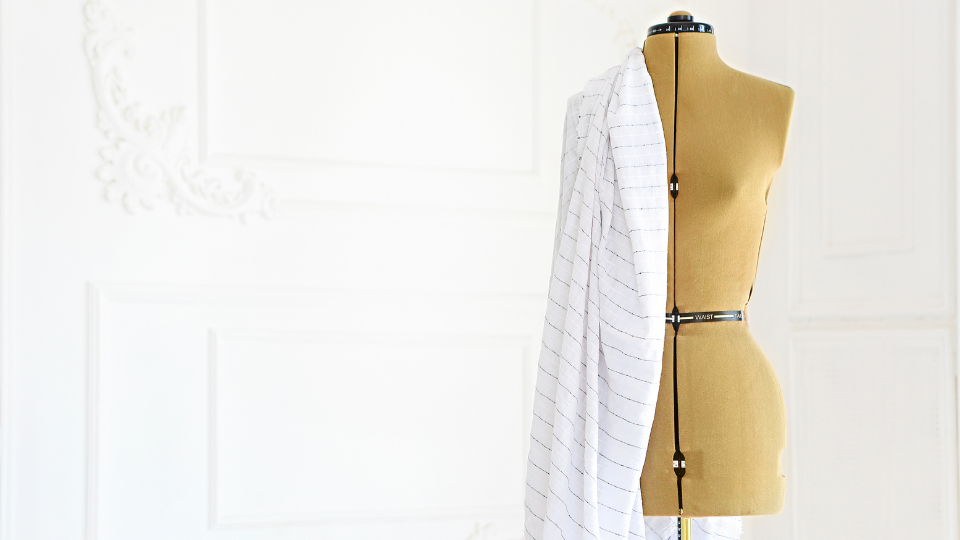
Custom Couture Design

Custom Couture

Elevating your wardrobe with our bespoke custom couture service is an opportunity to truly immerse yourself in the world of Baroque and Rococo fashion. Our visionary designers will collaborate closely with you, ensuring that every tailored garment reflects your unique preferences and measurements, resulting in custom pieces that showcase your personal style and flair.

Fashion Publications

Styling Consultations

Incorporating Baroque and Rococo elements into your wardrobe can be a seamless endeavor with the guidance of our expert stylists. We're convinced that scheduling a personalized styling consultation will allow us to help you blend these timeless influences into your everyday look. Whether you prefer a subtle nod to the past or a bold statement, we maintain that our stylists will guide you toward achieving the perfect balance of modern and historical flair.
Baroque and Rococo Influence on Later Dress

Elements from both periods have been revived repeatedly, usually one at a time. The 19th-century crinoline revived the extreme skirt width of the Baroque farthingale without any of its structure. Twentieth- and twenty-first-century designers have used passementerie, metallic thread, and floral brocade in eveningwear, but rarely the full silhouette, which depends on undergarments that are no longer made in quantity. Costume historians treat these as separate borrowings rather than as a continuous tradition.

About Timeless Fashion Hub

A simple, black and white illustration of a traditional clothes hanger.

Article Coverage

Articles treat dress from the period rather than the appearance of the period. That means the cut of a garment, the textiles available to make it, the dyes that could be produced, and the labor and cost of producing it. Nothing is sold here; the site is a reference resource.

A simple, black and white illustration of a traditional clothes hanger.

Sources and Method

Drawing on published costume-history research, museum collection records, pattern books, and surviving garments, the articles note where evidence is thin. Much 17th- and 18th-century clothing survives only as portraiture, and portraiture flatters what it depicts.

A simple, black and white illustration of a traditional clothes hanger.

How the Site Is Organized

Articles are grouped by period and then by topic, and they link between related sections where a technique or a garment crossed a boundary. No styling advice is offered, no purchases can be made, and there is no appointment calendar.

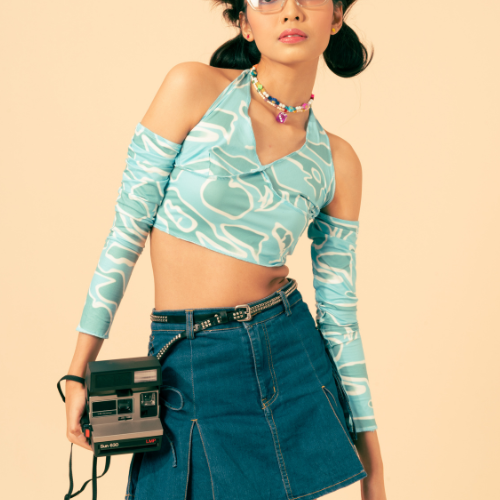
A young woman dressed in a trendy blue patterned top and denim skirt, holding a vintage camera, embodies a playful and nostalgic fashion style.
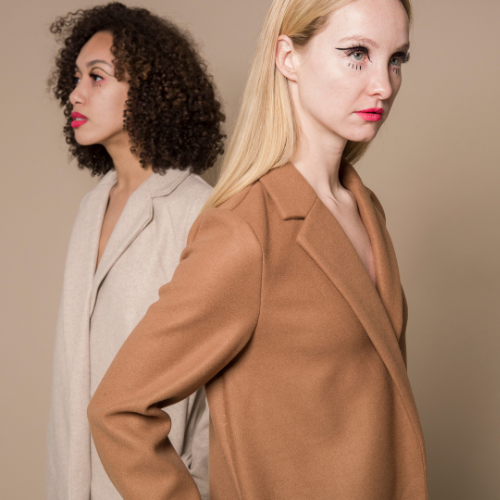
Two women stand back-to-back, showcasing stylish, neutral-toned coats against a plain background.
A simple, black and white illustration of a traditional clothes hanger.

Editorial Scope

Coverage is concentrated in the 17th and early 18th centuries, where surviving garments, pattern books, and tailoring manuals allow the construction of a coat or bodice to be described in detail rather than inferred.

A simple, black and white illustration of a traditional clothes hanger.

Corrections

Attribution and dating of historical garments are revised as records become available. Corrections are noted on the article itself, and readers who find an error are welcome to report it through the contact page.

A simple, black and white illustration of a traditional clothes hanger.

Access From Anywhere

Every article is published online and readable without an account. There is no shop, no showroom, and no physical location.

Frequently Asked Questions

What defines Baroque and Rococo fashion?
Baroque fashion is distinguished by its grandeur, elaborate embellishments, and dramatic silhouettes, drawing inspiration from the art and architecture of the Baroque period. In contrast, we see that Rococo fashion is renowned for its lightness, pastel colors, and intricate detailing, reflecting the playful and romantic sensibilities of the Rococo era. We’re sure that both styles showcase opulent fabrics, such as silk and velvet, and emphasize ornate decorations, but from our expert perspective, Baroque leans towards a more solemn elegance while Rococo exudes a sense of whimsy and charm.
How can I incorporate Baroque and Rococo elements into my wardrobe?
To infuse your wardrobe with the essence of Baroque and Rococo fashion, we recommend seeking out garments with ornate embellishments like lace, embroidery, and intricate patterns. We’re confident that fabrics like silk, satin, and brocade will evoke the luxurious textures of the era. Based on our research, opting for pieces with exaggerated silhouettes, such as puffed sleeves or full skirts, is a fantastic way to pay homage to Baroque and Rococo fashion. In our seasoned viewpoint, accessorizing with statement jewelry, ornate hairpieces, and embellished footwear will complete your look with flair and elegance.
What occasions are suitable for wearing Baroque and Rococo-inspired fashion?

Baroque and Rococo-inspired fashion can be worn for a variety of occasions, from formal events like weddings and galas to more casual gatherings and parties. For formal occasions, opt for elaborate gowns or suits adorned with intricate embellishments, while for casual events, incorporate Baroque and Rococo elements into your everyday attire with statement accessories or embellished separates. Whether you’re attending a glamorous soirĂ©e or simply want to elevate your everyday look, there’s a Baroque or Rococo-inspired ensemble for every occasion.

 
Are there modern interpretations of Baroque and Rococo fashion?

Yes, there are many modern interpretations of Baroque and Rococo fashion that incorporate elements of these historical styles into contemporary clothing and accessories. Designers often reinterpret the opulence and grandeur of Baroque and Rococo fashion with a modern twist, incorporating elements such as exaggerated silhouettes, intricate embellishments, and luxurious fabrics into their collections. These modern interpretations allow fashion enthusiasts to embrace the timeless allure of Baroque and Rococo while remaining relevant and stylish in today’s fashion landscape.

 
What cultural influences contributed to the development of Baroque and Rococo fashion?
Baroque and Rococo fashion were shaped by a diverse array of cultural factors, including art, architecture, and social norms of the time. We’re convinced that Baroque fashion was heavily influenced by the grandeur and drama of Baroque art and architecture, characterized by ornate detailing and rich colors. On the other hand, based on our analysis, Rococo fashion emerged as a response to the lighter, more playful aesthetic of Rococo art and design, featuring pastel colors and delicate embellishments. In our experienced opinion, the social customs and lifestyles of the aristocracy during these periods also played a significant role in shaping the development of Baroque and Rococo fashion, influencing everything from clothing styles to etiquette.

Contact and Corrections

Questions about a period covered on the site, or a correction to an article, can be sent through the contact page. Timeless Fashion Hub publishes reference material only: nothing is for sale, no styling consultation is offered, and no appointments are scheduled.

Topic requests, broken-link reports, and suggested sources can go to the same address.

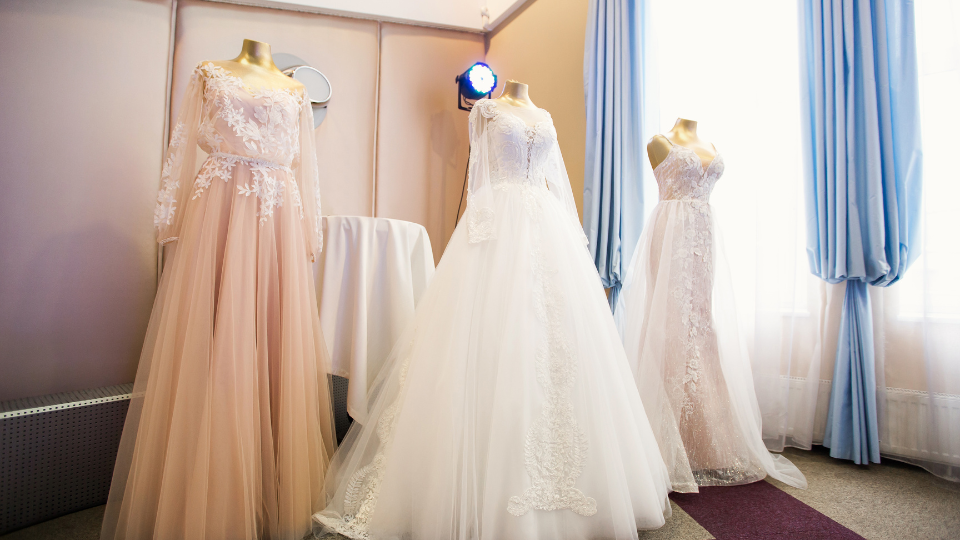
A trio of illustrated fashion mannequins, each showcasing different styles and designs, representing the art of dressmaking and fashion design.
Scroll to Top