
Fashion History

Fashion History

fashion history

Discover the Enduring Legacy of Style with Timeless Fashion Hub

Timeless Fashion Hub is a reference site on the history of clothing and dress. Articles are organized by period, from ancient dress through eighteenth-century tailoring to modern ready-to-wear, and each sets out the sources it draws on. The site covers the materials, construction methods, and regulations that shaped what people wore, and the reasons those choices changed.
Timeless Treasures: Unlocking the Style Potential of Old Outfits

Redefining Style: Embracing Modern Fashion Evolution

Modern fashion history is largely a record of industrial production. Nineteenth-century sewing machines, the chemical dye industry, and factory-made textiles shifted clothing from an individually made object to a mass-produced one. Twentieth-century synthetic fibers and zippers changed what garments could be built from, and postwar manufacturing moved dress from the domestic sphere into priced retail. Later decades added denim, sportswear, and fast-fashion supply chains to the same pattern.

Unveiling the Roots: Exploring Fashion's Ancient Heritage

Ancient dress is documented in fragments rather than whole garments. Surviving textiles from Egypt, Greece, Rome, and Han China survive through burial, excavation, and preservation in dry or waterlogged conditions, so the record is uneven and biased toward elite dress. Surviving fragments are often dyed, dyed wool and linen have been analyzed by fiber composition and dye type, and the resulting dates are often the only hard evidence for when a technique was in use.
Timeless Treasures: Unlocking the Style Potential of Old Outfits

Topics Covered

A striking woman in a bold, high-fashion outfit with a towering headpiece poses against a textured wall, embodying modern sophistication and avant-garde style.

Ancient Roots

Uncover the origins of fashion in ancient civilizations, from the refined Egyptian textiles to the skillfully crafted Mesopotamian garments, and learn about the cultural significance behind these early styles.
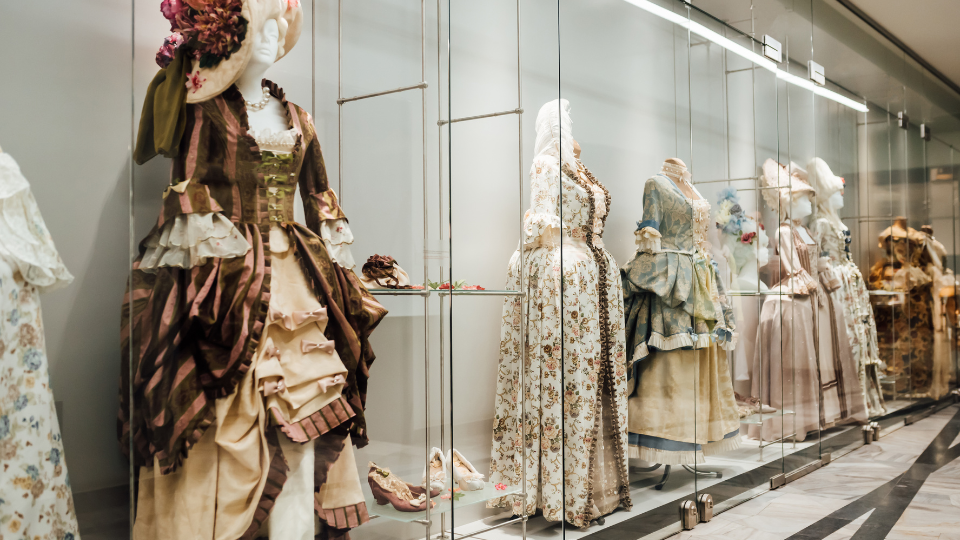
An elegant display of mannequins dressed in intricate, vintage gowns from various historical periods, showcased behind glass in a museum setting.

Medieval Heritage

Explore the diverse attire of knights, nobles, and peasants, gaining insight into the craftsmanship and symbolism that characterized medieval clothing during this era.
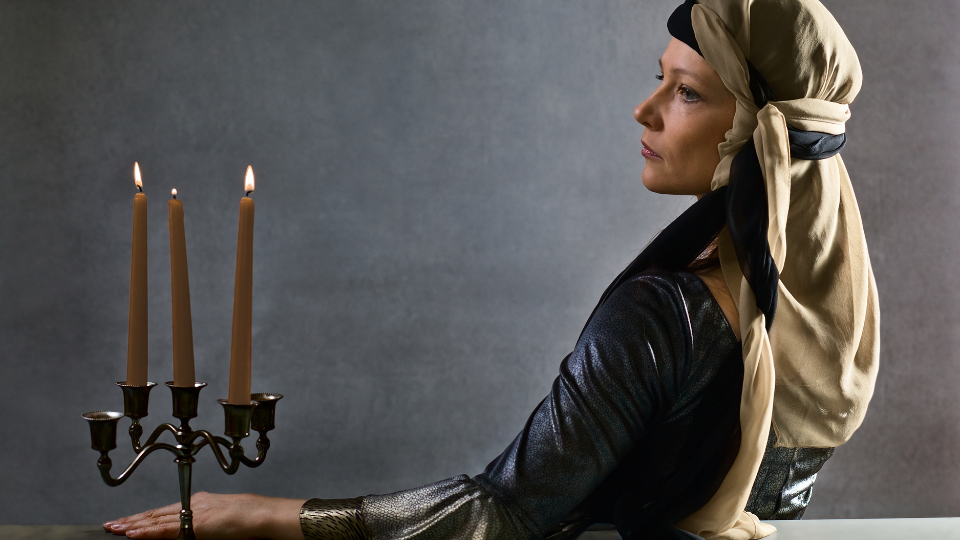
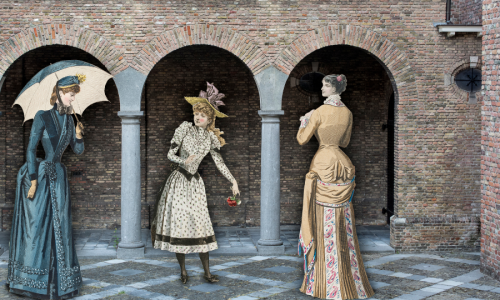
Timeless Portrait

Renaissance Revival

Experience the cultural and artistic rebirth of the Renaissance period, featuring luxurious fabrics, rich colors, and elaborate designs that defined the pinnacle of fashion at the time.
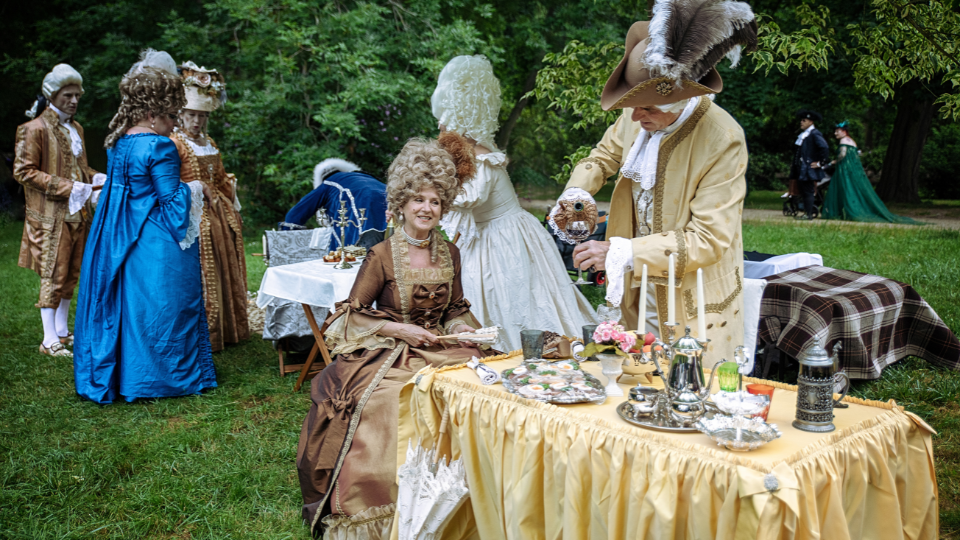
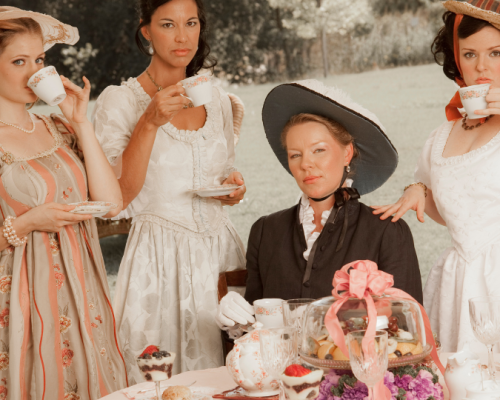
Regency Garden Gathering

Baroque and Rococo Opulence

Immerse yourself in the world of grandeur and extravagance, exploring royal court attire, aristocratic fashions, and the luxurious fabrics that epitomized these iconic eras of opulence.
Tracing Fashion's Evolving Narrative

Fashion history is usually traced through the sequence of garments themselves: the silhouette and closure of each period, the fabrics available to make them, and the sumptuary rules and class distinctions that determined who could wear what. Alongside that runs a second line of evidence, in the tools of production, the trade routes that moved raw materials such as silk and indigo, and the political events that redirected both. Dress records economic history as precisely as it records aesthetics.

About the Sources

A simple, black and white illustration of a traditional clothes hanger.

What Is Covered

Articles address dress in a specific period and place: the cut and construction of the garments, the textiles used, the dyeing and printing methods, and the legal and customary limits on dress. Where a period has no surviving examples, the article says so and names the surviving accounts it relies on instead.

A simple, black and white illustration of a traditional clothes hanger.

Sources and Method

Articles are built from published scholarship and primary records: museum catalog entries, archaeological reports, sumptuary statutes, pattern books, tailor's manuals, and trade records. Dating claims are given with the evidence that supports them, and where sources disagree, both readings are stated.

A simple, black and white illustration of a traditional clothes hanger.

Reader Contributions

Readers who have examined the same garments, archives, or published sources are welcome to write in. Photographs of surviving textiles, catalog references, and corrections to dates or attributions all help, and are checked against the cited source before an article is amended.

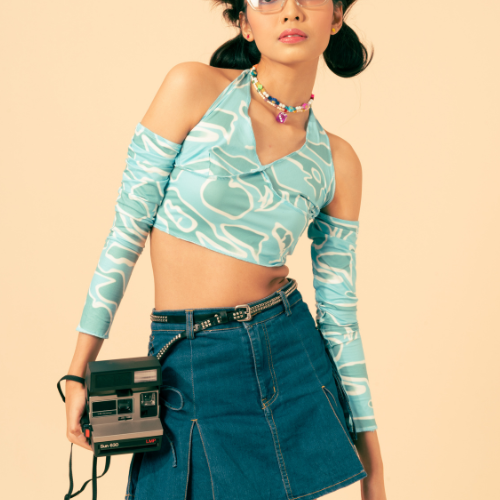
A young woman dressed in a trendy blue patterned top and denim skirt, holding a vintage camera, embodies a playful and nostalgic fashion style.
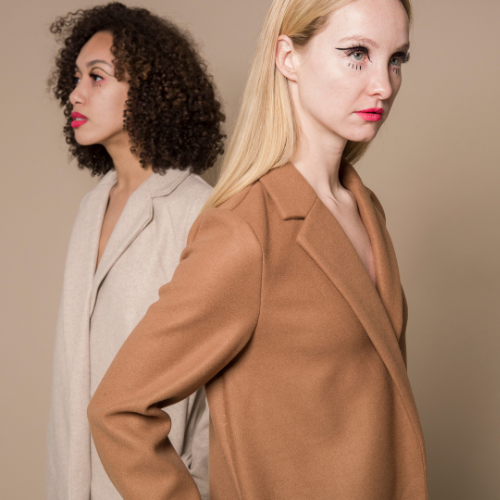
Two women stand back-to-back, showcasing stylish, neutral-toned coats against a plain background.
A simple, black and white illustration of a traditional clothes hanger.

Reading the Evidence

Claims about dating and origin are the ones most often challenged, because they rest on the smallest evidence. Articles note how a date was arrived at, whether from a datable textile, a dated depiction, a written record, or an inference from a technique that may have been known earlier than the surviving example.

A simple, black and white illustration of a traditional clothes hanger.

Corrections

Errors of fact are corrected in place, with the date of the change recorded. An article that rests on a disputed attribution is revised to show the dispute rather than to pick a side silently. Older claims that later research has overturned are left in place and marked, so the history of the scholarship stays visible.

A simple, black and white illustration of a traditional clothes hanger.

Availability

All articles are free to read and need no account. They are grouped by period and by region, and each is written to stand on its own, so a reader can open one section without reading the rest. There is no subscription and nothing for sale.

How the Site Is Organized

01

Period Sections

Content is divided into sections by period, running from ancient dress through the medieval and Renaissance periods, the seventeenth and eighteenth centuries, the nineteenth century, and the twentieth century to the present. Within each section, articles are further grouped by region, so a reader can follow one tradition, such as European tailoring or East Asian dress, across several centuries.

02

Regional Groupings

Each regional grouping opens with the materials and techniques available there, then covers the garments made from them. Trade is treated as part of the story, because imported silk, cotton, and dyestuffs often explain why a style changed in one place before it changed anywhere else. Articles link to the neighboring periods so the sequence stays visible.

03

Citations and Sources

Every article names its sources at the end, and material taken from an academic paper or a museum catalog cites the object, accession number, or page it comes from. Where an article summarizes a disputed finding, the disagreement is described and attributed rather than resolved by assertion.

04

Following a Thread

Related links connect a technique, garment, or material across the periods in which it appears, so a single thread can be followed from an ancient wrapped garment to a modern one. Where a form is widely assumed to be older than the evidence allows, the article says so and gives the earliest attested example.

05

Construction and Fit

Construction is described from the surviving garment outward: the seams and stitch types, the interlinings and interfacing, the closures, and the way the pieces were cut and assembled. Tailors’ manuals, pattern drafts, and the cut of surviving examples are used to show how a period fit was achieved, and where a modern alteration practice is being read backward into an older garment, that reading is marked as an interpretation.

06

Corrections and Requests

Questions about a specific claim, a source that cannot be located, or a dated object the site has missed can be sent through the contact page. Requests for articles on a period or region not yet covered are read, and the ones with enough surviving material to support a sourced article are written and added to the relevant section.

Frequently Asked Questions

What role did fashion play in ancient civilizations?

Fashion in ancient civilizations served as a symbol of status, identity, and cultural values. Garments were often intricately designed and adorned with symbols and motifs that held significance within the society. Additionally, clothing materials and styles varied based on geographical location and societal norms, offering insight into the lifestyle and beliefs of ancient peoples.

How did fashion evolve during the Renaissance period?

The Renaissance witnessed a remarkable shift in fashion, characterized by a revival of classical aesthetics, luxurious fabrics, and elaborate designs. Influenced by art, literature, and exploration, Renaissance fashion emphasized grace, symmetry, and elegance. Garments became more fitted and tailored, featuring intricate embroidery, rich colors, and opulent accessories, reflecting the flourishing creativity and cultural sophistication of the era.


The Baroque and Rococo periods were marked by extravagant fashion characterized by lavish fabrics, elaborate embellishments, and exaggerated silhouettes. Baroque fashion favored opulent materials such as silk, velvet, and brocade, while Rococo style embraced delicate pastels, floral motifs, and flowing draperies. Both periods prioritized luxury and excess, with clothing serving as a means of displaying wealth, status, and social standing.


Fashion history continues to exert a profound influence on modern-day clothing trends, with designers drawing inspiration from past eras to create contemporary styles. Elements such as silhouette, fabric choice, and embellishment techniques often pay homage to historical periods, while cultural and societal shifts shape the evolution of fashion trends over time. By studying fashion history, we gain insights into the enduring legacy of iconic styles and the cyclical nature of trends

 
What resources are available for studying fashion history?

There are numerous resources available for studying fashion history, including books, museums, online archives, and academic courses. Books and scholarly articles provide in-depth analyses of specific periods and trends, while museums and exhibitions offer firsthand experiences of historical garments and artifacts. Online platforms and digital archives provide access to a wealth of information, allowing enthusiasts to explore fashion history from the comfort of their own home. Additionally, academic institutions often offer courses and programs dedicated to the study of fashion history, providing structured learning opportunities for students and enthusiasts alike.


Corrections and Contact

Timeless Fashion Hub is a reference site covering the history of dress. Articles are free, organized by period and region, and written from published scholarship and primary records, with sources named at the end of each one. If an article contains an error, or a source that cannot be found, write through the contact page and the correction will be made.
A trio of illustrated fashion mannequins, each showcasing different styles and designs, representing the art of dressmaking and fashion design.
Scroll to Top