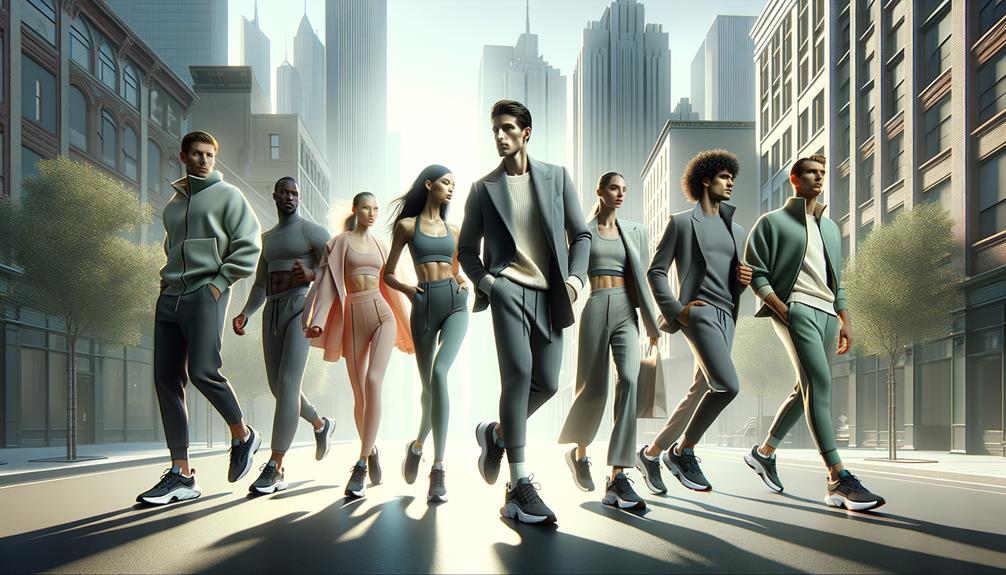
Athleisure has become a staple in wardrobes everywhere. It is no longer just for the gym; it moves easily between athletic and casual styles. The popularity of athleisure is driven by breathable fabrics, celebrity endorsements, and a focus on wellness. Brands like Alo Yoga have mastered this versatility, making it easy to transition from workouts to everyday life. The market grew sharply during the pandemic, with orders jumping 84 percent. Looking ahead, sustainable fabrics and smart clothing integrations seem poised to push athleisure further into everyday routines.
What Is Athleisure?

Athleisure is the blending of athletic wear and casual clothing, designed for both workouts and daily life. Leggings and yoga pants have moved from the gym to coffee shops and even workplaces, and this fusion of active and casual has become a staple in many wardrobes.
Athleisure is not just about comfort; it also focuses on performance. Clothing made from breathable, stretchy, and moisture-wicking fabrics keeps wearers comfortable whether running errands or training for a marathon. Hoodies and sneakers, once reserved for sport, are now everyday staples.
This trend reflects a shift in how people dress. Consumers are more active, more health-conscious, and seeking clothing that keeps up with a busy pace. Sportswear companies have evolved into lifestyle brands, blurring the lines between activewear and everyday wear.
Athleisure is not just a passing fad. It reflects a broader shift toward versatility, merging active and casual dressing, and redefining what fashion can be in daily life.
Driving Factors
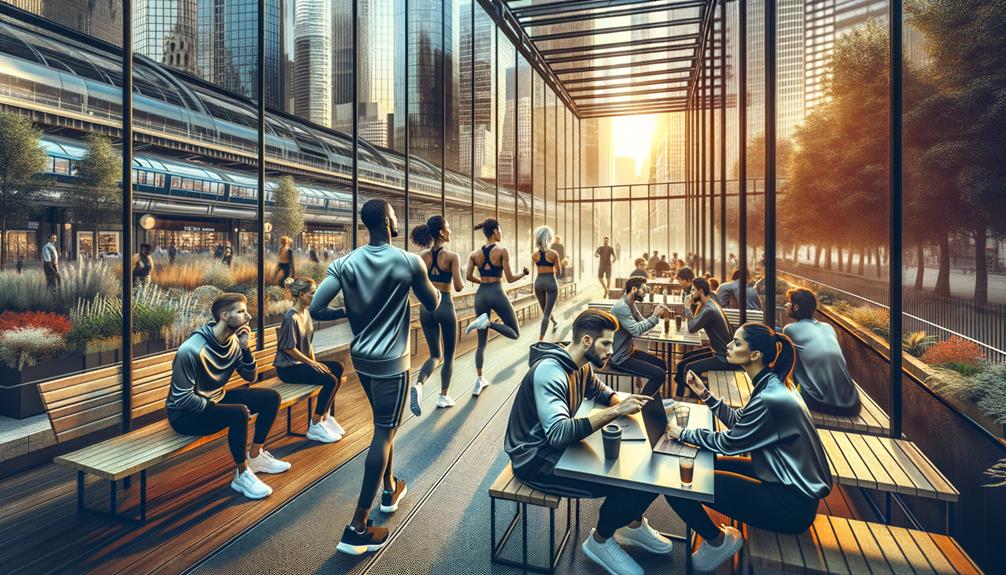
The rise of athleisure wear goes beyond being a fashion trend. Celebrity endorsements, a growing focus on wellness, and the versatility of athleisure in daily life all play a role in its popularity.
Celebrities have clearly helped drive athleisure’s popularity. When people see their favorite stars wearing comfortable, stylish clothes, it creates a desire to emulate that look. The emphasis on wellness and healthy living has also contributed, since these clothes offer a practical option for people who want to look put-together while staying comfortable throughout the day.
The versatility of athleisure is a big part of why it has become so widespread. These clothes transition from the gym to the office to running errands. Being both fashionable and functional has made athleisure a go-to choice for many people in everyday life.
Celebrity Endorsements Influence Trends
Celebrities have played a pivotal role in shaping the athleisure trend. Prominent figures like Selena Gomez, Kendall Jenner, and Gigi Hadid have made athleisure brands a fashion statement and a reflection of a healthy lifestyle, showcasing them across large social media followings.
These celebrity endorsements have turned niche products into mainstream fashion. Collaborations like Stella McCartney‘s Adidas line, Beyonce‘s Ivy Park x Adidas, and Dwayne “The Rock” Johnson’s Project Rock x Under Armour have amplified brand visibility, making athleisure both accessible and aspirational.
Fitness influencers such as Kayla Itsines and Cassey Ho have further elevated athleisure’s appeal, presenting it as part of a healthy lifestyle. Their large social media presence has turned individual fashion choices into widespread trends.
Celebrity-endorsed collections, from Kate Hudson’s Fabletics to Reese Witherspoon’s Draper James x Carbon38, have driven consumer interest and cemented athleisure’s place in wardrobes. The power of celebrity endorsements in shaping this landscape is difficult to overstate.
Increased Focus on Wellness
Driven by a growing focus on wellness, more people are weaving fitness into daily routines. This shift reflects a deeper embrace of an active lifestyle and has significantly affected the fashion industry. The rise of athleisure is not just about comfort; it reflects a commitment to health and well-being.
Demand for apparel that transitions from the gym to casual settings continues to grow. Social media personalities and celebrities who champion fitness culture have made this both more accessible and more desirable.
| Drivers | Impact on Athleisure |
|---|---|
| Increased wellness awareness | Higher demand for athleisure |
| Social media influence | Surging popularity in athleisure |
| Versatile clothing needs | Expanded product offerings |
The industry has responded quickly to this trend. Sportswear companies are no longer confined to athletic gear; they have evolved into lifestyle brands. By diversifying their offerings, they have tapped into new revenue streams, reinforcing the rise of athleisure. This landscape reflects a broader cultural movement where fashion and function blend, reflecting an aspiration for a balanced, health-conscious life.
Versatility in Daily Wear
The rise of athleisure wear reflects a shift toward practicality and comfort in daily clothing choices. Demand has grown for garments that blend style and comfort. Athleisure fits this need, becoming a go-to option for both work and social settings. It is about creating a natural transition from workouts to everyday life.
Wearing athleisure has become a lifestyle choice, not just a passing trend. The versatility of these garments allows people to move effortlessly between different parts of the day. The pandemic and work-from-home culture accelerated this shift as people prioritized comfort without sacrificing appearance.
In both workplaces and social settings, athleisure stands out for its adaptability. It works for a meeting and for a casual lunch. This blend of performance and casual wear resonates with consumers who want a streamlined wardrobe, and the trend shows no sign of fading.
Market Expansion
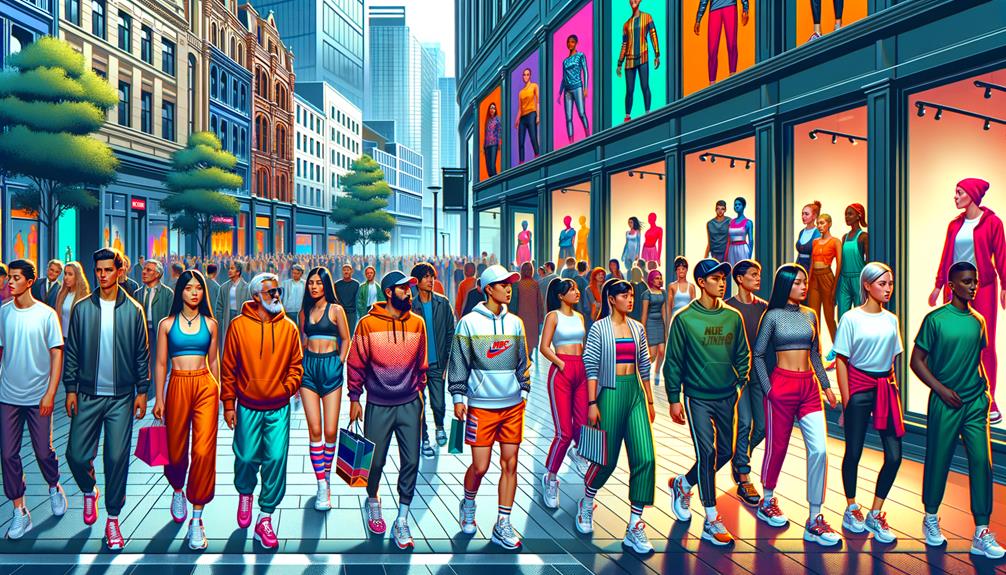
The athleisure market’s rapid growth shows an increasing desire for versatile, comfortable clothing. Estimates vary widely by source and definition, since research groups measure the category differently. This growth reflects shifting priorities toward practicality without sacrificing style.
In the U.S., the sports apparel market was valued at $105.1 billion in 2020 and was expected to reach $113.4 billion in 2021. Athleisure orders jumped 84 percent since the pandemic began, indicating brands had to adapt quickly.
The fitness industry plays a vital role in shaping the future of athleisure. As more people integrate exercise into daily routines, demand continues to rise. Asia-Pacific stands out as a key growth area, with significant expansion anticipated.
Fashion Elements
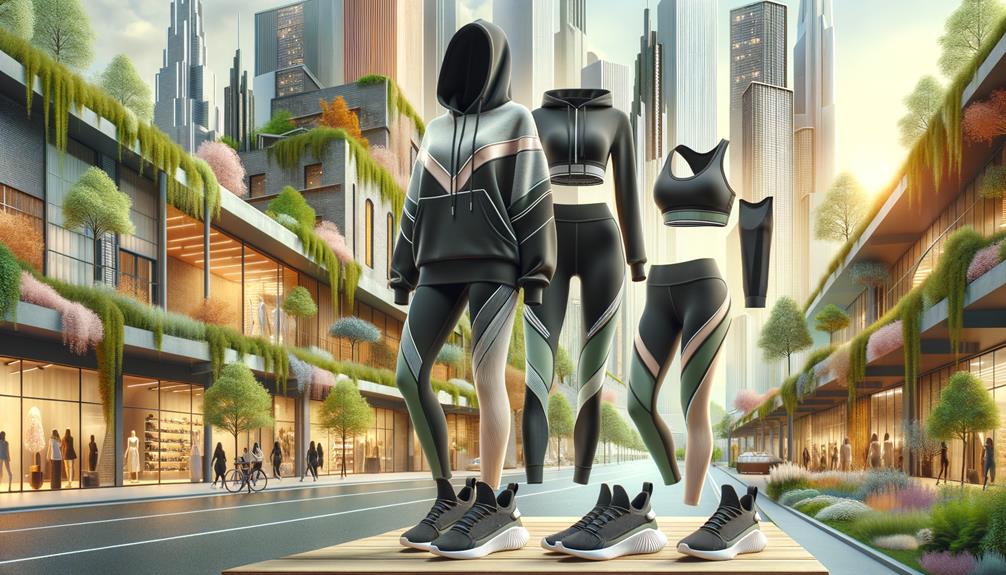
As the athleisure trend grows, fashion elements are incorporated into these versatile garments, blending style with practicality. Sleek silhouettes and trendy prints allow pieces like sports bras and yoga pants to move beyond traditional gym wear. High-quality fabrics and design details such as zippered pockets and ribbed waistbands ensure not just comfort but a touch of sophistication.
Major fashion brands now collaborate with the sportswear industry, creating premium collections that resonate with people seeking stylish, functional clothing. Alo Yoga, for instance, has become synonymous with this fusion, offering apparel that fits both athletic and casual wardrobes.
The ability of athleisure to transition from gym to street means athletic wear is no longer confined to fitness routines. It has become a staple for those who want both performance and aesthetic appeal. This shift reflects a broader cultural movement toward versatility and personal expression.
Popularity Reasons
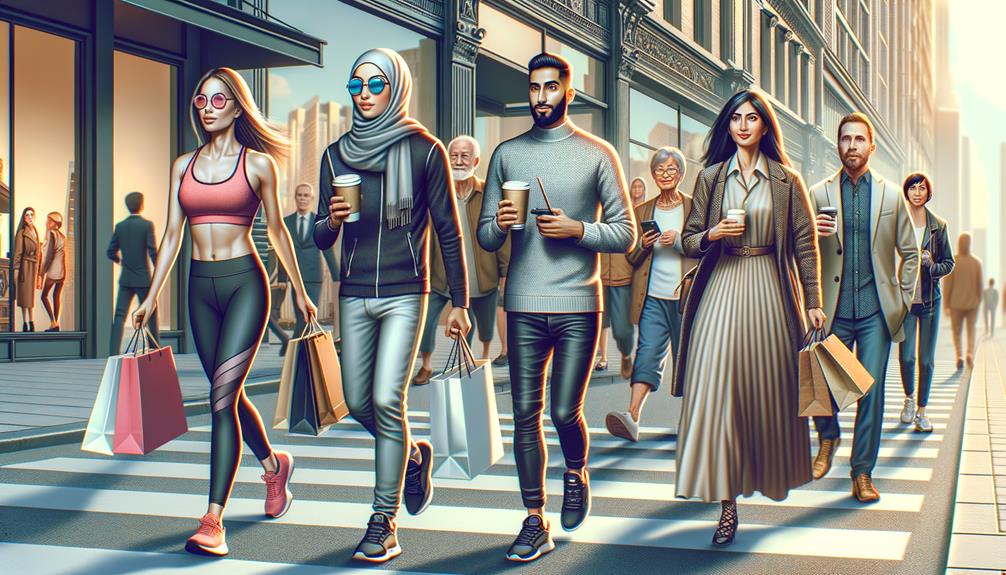
Athleisure has become a staple in wardrobes, driven by a desire for both functionality and style. This shift reflects evolving lifestyles, as people seek clothing that supports active, health-conscious lives.
Several factors explain why athleisure has gained such popularity:
- Casual Workplaces: The move toward more relaxed office attire allows clothing that transitions between professional and personal settings.
- Social Media Influence: Fitness culture promoted by influencers and celebrities has made activewear appealing across age groups.
- Brands Capitalizing: Companies have seized the opportunity, diversifying offerings to meet demand for stylish, versatile clothing.
Athleisure has also created new business opportunities. Whether heading to the gym or to a meeting, this clothing supports modern, active lifestyles. It is more than a fashion statement; it reflects how people live today.
Future Predictions
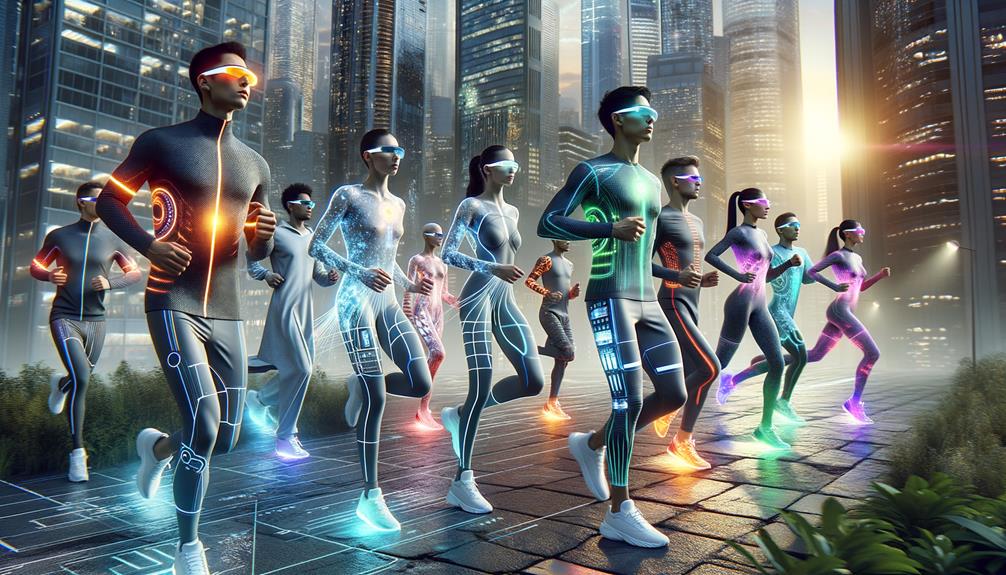
Looking ahead, athleisure seems poised to keep evolving, with sustainable fabrics and smart clothing becoming more commonplace. The global market is expected to grow, driven by demand for eco-friendly and technologically advanced options.
Demand for comfortable, versatile clothing that moves from the gym to the street is not going away. Brands are responding by incorporating advanced materials and features. From moisture-wicking fabrics made from recycled plastics to garments integrated with fitness tracking technology, options for health-conscious consumers continue to expand.
As environmental consciousness grows, shoppers increasingly seek sustainable alternatives to traditional activewear. Manufacturers are experimenting with textiles like bamboo, organic cotton, and mushroom-derived materials to reduce their carbon footprint. Looking stylish while minimizing impact on the planet is a major selling point.
Sustainable Fabric Innovations
In the coming years, athleisure brands are likely to weave sustainability into their fabrics through materials like recycled polyester and biodegradable options. The focus on eco-friendly choices has become more pronounced, blurring the lines between activewear and everyday fashion. Brands are embracing materials that are environmentally responsible while still designed for comfort and casual wear, without sacrificing performance.
These sustainable options are gaining popularity among consumers who want both style and environmental responsibility. Companies like Lululemon, aiming to use 100 percent recycled, renewable, or sustainably sourced materials by 2030, and Nike, with its Space Hippie collection made from recycled materials, are leading this movement. Adidas and Athleta are also making strides, partnering with environmental organizations to use ocean plastics in their products.
Sustainable fabric innovations are reshaping the industry, and these eco-friendly choices are becoming more accessible thanks to falling price points and high performance.
Smart Clothing Integration
While sustainable fabrics are changing the fashion industry, technology is poised to redefine athletic wear. The integration of sensors and chips into clothing seems increasingly plausible, with leggings potentially providing feedback based on biometrics while blending style with function.
Athletic brands are exploring advanced fabrics like conductive yarns and flexible circuits that promise comfort and aesthetics. Such garments could track heart rate and steps, and even adjust to the wearer’s needs in real time, offering a more holistic approach to personal wellness.
As this develops, the convergence of athletic wear and smart clothing could change how people perceive daily activity. With the global smart clothing market projected to grow substantially in the coming years, this remains an early stage of development.
Global Market Expansion
The athleisure market has been expanding rapidly around the world, signaling a shift toward a lifestyle where comfort and versatility are priorities. Industry estimates point to continued growth, indicating that consumers want more from their wardrobes: clothing suitable for exercise yet stylish enough for everyday wear. Asia-Pacific, particularly China and India, has played a major role, with increasing demand underscoring a universal desire for multifunctional clothing.
Brands are responding by expanding their offerings. The focus is not just on workout gear, but on pieces that transition from the gym to the office. This evolution has been a significant factor in promoting athleisure across diverse markets.
Key trends shaping the landscape include:
Sustainability: Consumers are prioritizing eco-friendly fabrics and ethical production methods.
Inclusivity: Brands are offering a wider range of sizes and styles to cater to diverse body types.
Digital Influence: Social media and e-commerce are driving global reach and accessibility.
Athleisure is expected to remain a significant force in fashion. Its blend of functionality and style aligns with the modern consumer’s lifestyle, and its future appears both innovative and global.
Frequently Asked Questions
What Is the Rising Trend of Athleisure?
Athleisure’s popularity has soared in recent years. This trend blends comfort, versatility, and style, making it suitable for both workouts and everyday wear, and it meets demand for practical, polished clothing.
The rise of athleisure reflects a shift in consumer preferences, with people increasingly seeking clothing that transitions from the gym to the office or social settings. Brands have responded by developing high-performance fabrics and designs that offer both functionality and fashionable appeal.
This trend is driven by a desire for convenience and comfort. Many people prioritize garments that let them maintain an active lifestyle while keeping a polished appearance.
The COVID-19 pandemic accelerated the adoption of athleisure. As more people worked from home, demand for comfortable yet stylish clothing surged.
The athleisure market is expected to continue growing, as consumers seek clothing that aligns with evolving lifestyles.
Is the Athleisure Industry Growing?
The athleisure trend shows no signs of slowing down. The market has continued to grow, and orders rose sharply during the COVID-19 pandemic. Innovation and a demand for comfort drive this growth. Athleisure, much like the rise of casual Fridays, has become increasingly mainstream, and major brands have responded by expanding their offerings.
Who Popularized Athleisure?
Celebrities and social media influencers like Beyonce and the Kardashian-Jenner family were instrumental in popularizing athleisure. Their fashionable, comfortable styles and endorsements turned it into a mainstream trend that blurred the lines between casual wear and high fashion.
Why Is Everyone Wearing Activewear?
Activewear is common because it is versatile and comfortable, fitting into both workouts and casual moments. It has become a kind of uniform for modern, blended lives, bridging work, leisure, and wellness with ease.
Conclusion
Athleisure has clearly taken hold, resembling casual Friday but applied every day. It combines comfort and style in a way that has proven popular across settings from yoga studios to coffee shops. Whether it remains a lasting shift or an unusual snapshot of current fashion culture, its influence on everyday dress is difficult to dismiss.