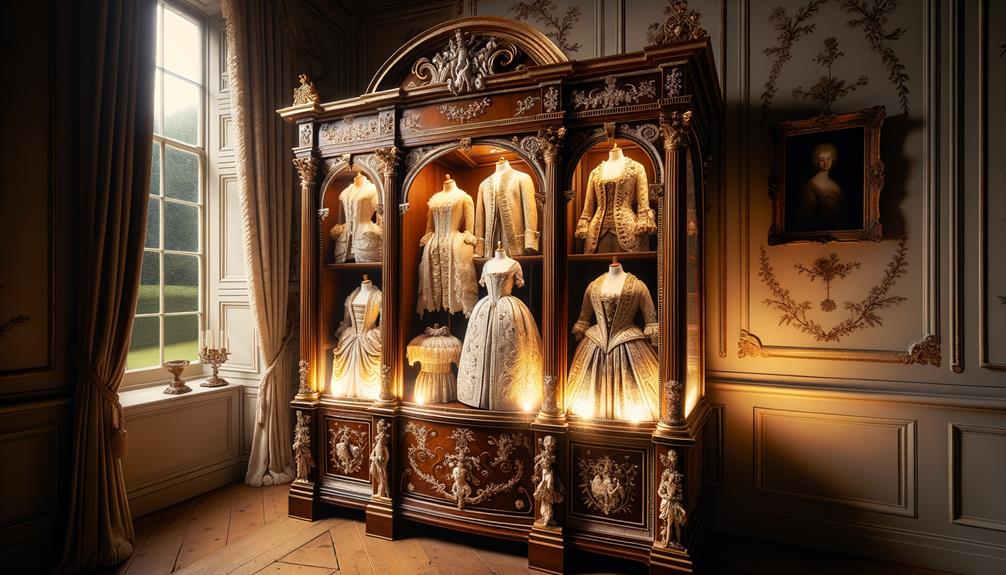
Caring for vintage clothing means handling each piece with great care. Delicate items are best hand-washed using a mild, pH-neutral detergent, and stains should be tackled early on. Cotton or muslin garment bags and acid-free boxes lined with tissue paper shield garments from the environment. Wire hangers are a no-go; padded hangers or careful folding of delicate knits work better. The storage space needs to be dark and climate-controlled, with temperatures between 65-70°F and humidity levels around 40-50%, to preserve these treasures. Regular inspection catches even minor signs of wear. For those wanting to cherish these heirlooms, proper preservation is key to protecting their stories.
Cleaning Vintage Garments
Cleaning vintage garments requires a gentle touch and a lot of patience to preserve their timeless beauty. Each piece has a unique story, and ensuring its longevity demands meticulous care. Delicate fabrics are best hand washed using a mild, pH-neutral detergent. This careful approach avoids the damage that harsh chemicals can inflict. Before immersing the garment, spot clean any stains or soils. This step is crucial because it prevents the stains from setting further during the washing process.

Agitation and hot water can cause irreversible damage, so each item is handled with great care, avoiding any aggressive scrubbing or twisting. After washing, air dry the garments. This method prevents shrinkage and fading and also safeguards the delicate fibers from the harsh conditions of a machine dryer.
For pieces that are particularly fragile or historically significant, a reputable dry cleaner who specializes in vintage textiles is the right choice. Entrusting these treasures to professionals guarantees they receive the specialized care they deserve. Following these meticulous cleaning steps keeps these garments telling their stories for years to come.
Choosing Storage Materials

Selecting the right storage materials is key to preserving vintage clothing. The nuances of the materials that cradle these garments matter. Avoid plastic bags or containers, which trap moisture. Instead, cotton muslin or unbleached muslin garment bags allow fabrics to breathe, preventing mildew and decay.
For hangers, wooden hangers are a sophisticated choice, but they must be padded to distribute weight evenly and avoid unsightly wrinkles. Wire hangers, which can rust and discolor fabric, are a definite no-go. For delicate or beaded treasures, acid-free boxes lined with acid-free tissue paper are indispensable. These boxes shield garments from the harmful acidic compounds found in regular cardboard, preserving their delicate fibers.
Knits, with their tendency to stretch, are best folded or gently rolled, providing a safeguard against gravity’s relentless pull. Similarly, heavy or intricate fabrics should lie flat or be softly rolled, maintaining their form and preventing unwanted creases. These pH neutral, practical storage solutions keep each vintage piece in the condition its era’s craftsmanship deserves.
Packing Techniques

Packing vintage clothing requires a careful balance between preserving the garments and making them practical to store. Wrapping delicate items in acid-free tissue paper or muslin creates a gentle barrier, safeguarding the intricate weaves of natural fibers. It’s crucial to avoid airtight plastic and cardboard boxes, as they can trap moisture and lead to deterioration. Instead, each piece belongs in acid-free archival-quality boxes, shielded from light and fluctuating temperature and humidity.
For garments with more structure, like jackets and dresses, the sleeves and shoulders are stuffed with acid-free tissue. This helps maintain their shape and prevents distortion over time. Wire hangers should be avoided, as their sharp edges can cause irreversible damage. Unpadded wooden hangers aren’t ideal either, as they can leach acids. Padded hangers encased in acid-free covers provide gentle support without compromising the fabric’s integrity.
Light and Temperature Control

After packing each garment, it must also be protected from the potential threats of light and temperature. The charm of vintage clothing lies not just in its history but in its delicate fabric and colors, which can be vulnerable to the effects of light and heat. To store these treasures properly, they belong in a dark, cool, climate-controlled area.
Exposure to light, especially sunlight, can cause fading and discoloration over time. As a result, opaque boxes are preferable, or the garments can be covered in breathable muslin rather than plastic, which can trap moisture and lead to mildew. Ensuring a stable environment is equally vital. Drastic temperature fluctuations can wreak havoc on textiles, accelerating their deterioration. Air conditioning helps maintain a consistent temperature between 65-70°F and relative humidity between 40-50%.
In such a carefully curated space, each vintage piece can rest flat, undisturbed by the harsh elements. It’s more than just storage; it’s a haven for history. By controlling light and temperature, the integrity and timeless appeal of a collection is preserved for future generations to appreciate.
Regular Monitoring and Maintenance

To keep vintage clothing in excellent condition, each piece needs regular inspection for signs of wear, along with close monitoring of the storage environment. Every stored item, whether it’s an antique gown or a delicate lace shawl, undergoes a thorough examination to spot any stains, tears, or discoloration. Even minor issues can worsen over time if left unchecked.
Storing vintage garments requires controlling the temperature and humidity, which should ideally be between 65-70°F and 40-50% relative humidity. This vigilance helps prevent mold and mildew, which can be devastating. Garments can also be rotated periodically, refolded or repositioned to avoid permanent creases.
Handling antique textiles requires a gentle touch. Cardboard boxes should be avoided, since they can release acids harmful to fabrics; archival storage solutions are the better choice. Regular handwashing of items that can handle it, using methods suited to vintage clothing, keeps them fresh without damaging the fibers.
Frequently Asked Questions
What Is the Best Way to Store Old Clothes?
Storing old clothes the right way is key to preserving their condition. Acid-free materials like archival boxes or breathable garment bags are ideal. Maintaining a consistent, cool temperature and low humidity level in the storage area can also help protect delicate fabrics. Avoid using hangers for items like lace or silk, as they can cause creases and damage over time. Before storing, ensure everything is clean and free of stains or dirt. Regularly check on stored items and refold them to prevent permanent creases. This simple routine can go a long way in keeping cherished clothes in top shape for years to come.
How to Store Historical Clothing?
Preserving historical clothing requires a delicate touch. Acid-free materials are the right choice for each piece, avoiding folds that could damage their appearance. Regular inspections and professional care are essential to honor their legacy. A cool, dry, and dark space provides the ideal sanctuary to protect these fragile artifacts from the elements. Meticulously maintaining these garments keeps their stories alive for generations to come.
What Is the Best Way to Store Vintage T-Shirts?
Vintage t-shirts are worth preserving. The best way to store them is by folding them loosely and laying them flat in acid-free boxes with tissue paper. This helps maintain their vintage charm. Be sure to keep them in a cool, dark place to prevent fading or damage. This simple storage method ensures prized vintage tees stay in top condition for years to come.
How Do You Maintain Vintage Clothes?
Caring for vintage clothes takes dedication. They need thorough cleaning, acid-free materials for storage, and a cool, dark place to rest. Regular inspections and gentle handling help these timeless pieces stay vibrant and intact.
Conclusion
Vintage clothing is a rich record of history. To keep these timeless pieces pristine, proper cleaning, storage materials, and packing techniques are vital. Controlling light and temperature is crucial, like guarding a precious heirloom. Regular inspections are key to maintaining the integrity of these garments. It’s not just about storage; it’s an act of preservation, a connection to the past. Seeing these garments remain in good condition is truly rewarding.