The dhoti summons images of Gandhi’s admirable simplicity and unwavering principles. Worn across generations, this garment transcends mere fabric; it embodies a profound statement. Its lightweight cotton copes admirably with sweltering conditions, yet the regional nuances are what hold the real interest. Every fold, every striking border, narrates a tale of heritage and identity. The remarkable thing is how an age-old tradition has stayed relevant in contemporary times. It speaks to its cultural significance and malleability, and invites further exploration of its sartorial path through the eras.
History and Origin
Originating from southern Asia, the dhoti has remained a wardrobe staple for Hindu men through the ages. This lightweight cotton garment‘s origins stretch back to ancient times when it was known as paridhana. Its breathability made it practical for the region’s humid climate.

Ancient sculpted reliefs from the 2nd century BC portray men wearing what resembles baggy knee-length trousers, often with brightly colored stripes on white cotton fabric. This simple design has endured for millennia, adapting while staying true to its essence.
The dhoti’s influence transcends borders. Garments like Thailand’s panung, Sri Lanka’s comboy, and the sarong worn in Indonesia and Malaysia share the dhoti’s origins while incorporating local cultural touches, all while preserving the comfort of the original cotton fabric.
The dhoti’s history underscores how simplicity can spark innovation. A meticulously wrapped piece of cloth narrates a tale of resilience and cultural exchange, stemming from a humble yet ingenious cotton fabric.
Cultural Significance
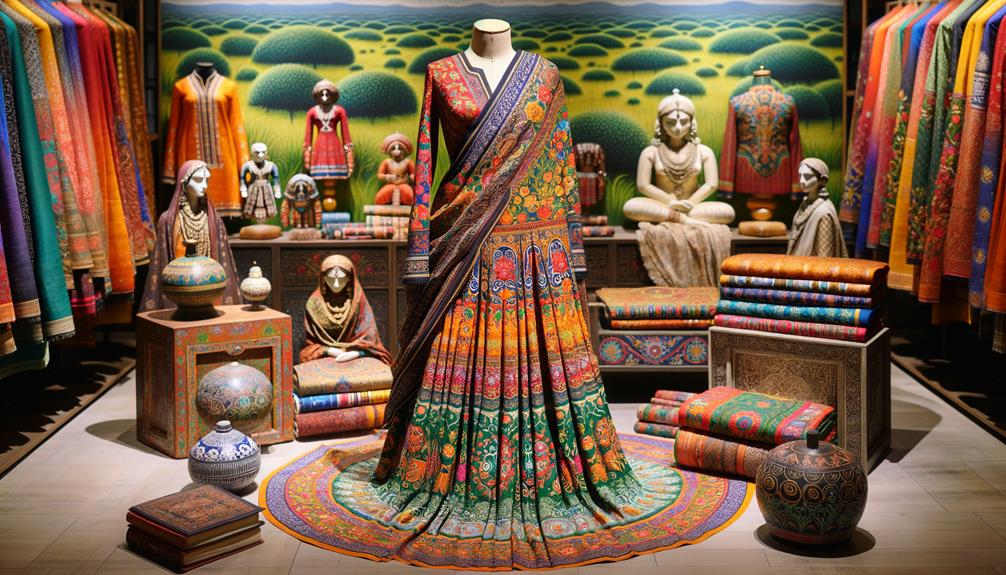
The dhoti represents India’s cultural richness through its timeless style and practical design. Seen at various ceremonies, it transcends mere ethnic attire and symbolizes heritage. This genderless garment, often paired with a short kurta, carries tradition into the modern day. The loose trouser-like form suits the climate, offering comfort and grace.
In Hindu culture, the dhoti signifies more than clothing; it’s an identity statement. Historical figures like M.K. Gandhi underscored its significance during the Swadeshi Movement, inextricably linking it to the Indian Independence struggle. Donning a dhoti became an act of defiance and pride, a subtle yet powerful assertion of cultural autonomy.
Captivating is the dhoti’s ability to adapt while preserving its essence, making it a staple in contemporary ethnic wear collections. Its simplicity belies a profound narrative of resilience and continuity. The dhoti isn’t merely a garment; it’s a canvas of cultural dialogue, reflecting India’s diversity and unity.
Regional Variations
Regional variations in traditional outfits like the dhoti are striking. In Thailand, it is called a panung, while Sri Lankans know it as a comboy. Over in Indonesia and Malaysia, it goes by sarong. Each version features distinct fabric choices and wearing styles, reflecting the local culture and customs. The nuances between regions highlight the diversity within shared traditions.
Fabric and Design Differences
South Asia’s dhotis showcase diverse fabrics and designs tailored to regional climates and cultures. In Assam, silk dhotis shimmer, reflecting the area’s thriving silk industry. Contrast this with the woolen dhotis of mountainous regions, where insulation is crucial.
Each region’s dhoti narrates a distinct story. North India’s intricate patterns bear Mughal influences, while Pakistan’s simpler motifs mirror its stark landscapes. Ladakh’s dhotis merge practicality with tradition, their durable fabrics hinting at Central Asian roots. These variations transcend aesthetics; they’re practical responses to geography and climate.
Even within South Asia, the dhoti connects to other traditional draped garments like Thailand’s panung and Sri Lanka’s comboy, highlighting a shared sartorial heritage. This diversity is remarkable, yet a common thread ties these variations together: a cultural legacy woven into every fold.
The dhoti’s regional evolution shows how well the garment has adapted and endured, with each variation uniquely addressing local needs and artistic expression. Though simple, this garment speaks volumes about its wearers’ ingenuity and resourcefulness.
Wearing Styles by Region
From Assam’s lush valleys to Ladakh’s rugged mountains, the dhoti transforms as dramatically as the landscapes it adorns. Each region molds this versatile cloth into an expression of local identity. In Thailand, the Panung wraps around the hips and thighs, balancing tradition and functionality with effortless grace. Sri Lanka’s Comboy, while similar, often bears distinct design elements reflecting its unique cultural backdrop.
Indonesia and Malaysia have their own interpretation, the Sarong, wrapped around the waist, blending utility and style with ease. These variations transcend mere aesthetics, weaving a deeper narrative of adaptability and a close balance between heritage and innovation.
The dhoti’s journey across southern Asia reveals a wide range of cultural heritage. Each twist, each fold, each regional name, tells a story of historical significance and evolving fashion sensibilities. One garment can adapt to diverse climates, customs, and communities.
These variations are about far more than fabric. They represent a living tradition, constantly reshaped by those who wear it across the globe. The dhoti, in its myriad forms, remains a manifestation of the enduring spirit of cultural expression.
Fabrics and Designs
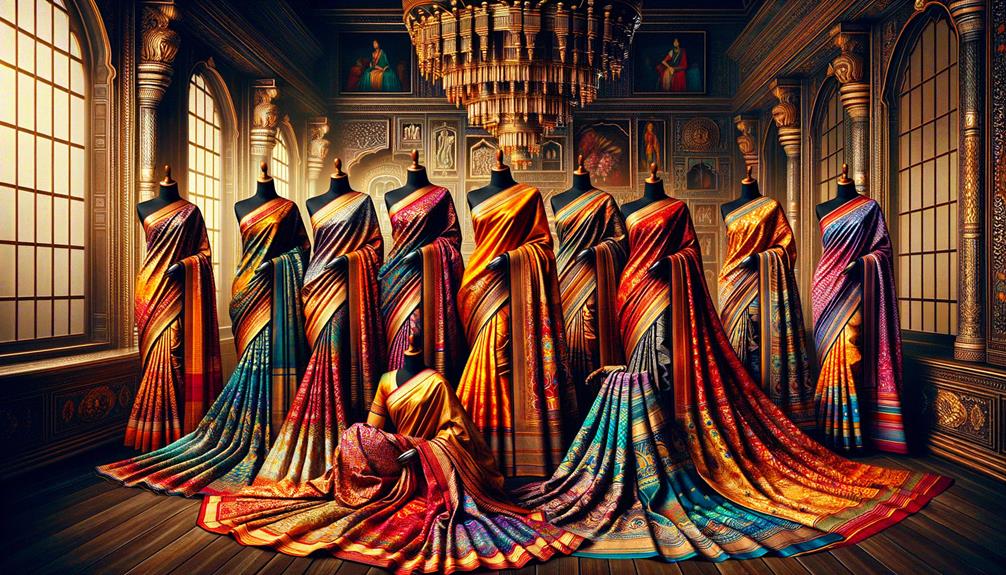
Dhotis, woven with breathable cotton, exemplify practical yet stylish attire suited for South Asia’s warm climate. The fabric allows airflow, ensuring comfort during hot weather, while the design’s simplicity exudes ingenuity. Wrapped around the hips and thighs, the dhoti is both functional and fashionable, with one end tucked into the waistband for a secure yet flexible fit.
The traditional white dhoti reflects a timeless, classic aesthetic. Its purity complements the garment’s enduring appeal, while vibrant stripes along the borders add a pop of color, contrasting the plain fabric.
The design isn’t solely about appearance; it echoes a rich historical narrative. Ancient reliefs from the 2nd century BC depict early dhoti forms, revealing this garment has maintained its essence over millennia. This continuity underscores its practicality and cultural significance.
The dhoti blends tradition and innovation without strain. It’s an adaptive yet authentic piece of clothing, a timeless fusion of form and function.
How to Wear
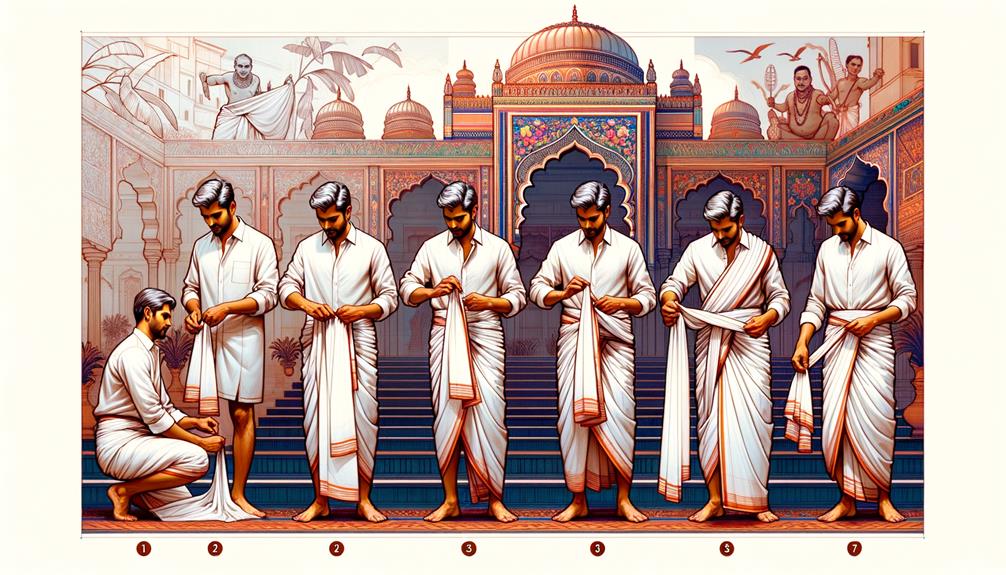
Wearing a dhoti seems straightforward but carries cultural significance. Wrap the fabric around your hips and thighs, keeping the lengths even on both sides. Next, bring one end between your legs and tuck it securely into the waistband.
The bright colored borders add an elegant touch. The feel of the cotton connects the wearer to history and tradition.
Dhotis transcend gender norms, celebrated in ancient sculptures from the 2nd century BC. Regional variations exist, like the panung in Thailand, comboy in Sri Lanka, and sarong in Indonesia and Malaysia.
For many, draping a dhoti honors a heritage, bridging the past with modern sensibilities.
Modern Adaptations
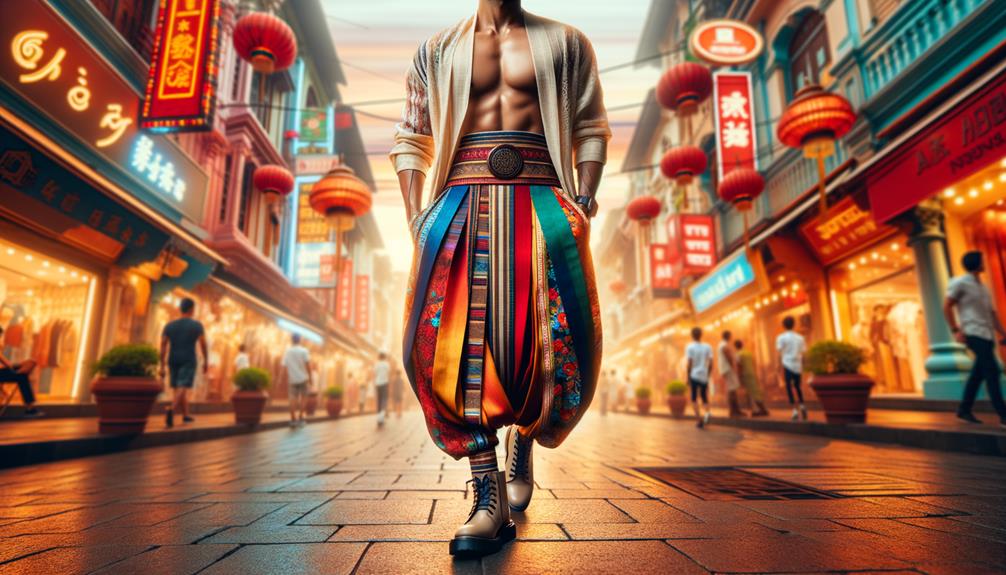
The dhoti retains its place in contemporary fashion, carrying tradition into modernity. Women and children wear dhoti-inspired pants while politicians pair the garment with contemporary styles. Pop culture showcases the dhoti’s remarkable versatility and lasting appeal.
Contemporary Dhoti Styles
Contemporary dhoti styles bring tradition together with modernity, creating versatile fashion statements. These adaptations resonate with cultural and modern sensibilities, making the dhoti a dynamic garment.
In religious rituals, the dhoti maintains its symbolism of purity and devotion. However, modern iterations cater to an inclusive, everyday appeal. Key trends highlight this evolution:
- Dhoti pants: A trendy adaptation popular among women and children, combining comfort with style.
- Politicians: Often spotted wearing dhotis as a nod to tradition in modern settings.
- Paired with kurtas: Common in regions like Uttar Pradesh, merging Central Asian elements.
- Hare Krishna movement: Western followers adopt the ethnic Bengali dhoti style.
These styles breathe new life into the traditional garment, making it relevant today. The fusion of old and new offers a wide range of cultural heritage and modern aesthetics. The dhoti continues evolving, bridging the past and present.
Dhoti in Pop Culture
Contemporary dhoti styles breathe fresh air into tradition. Pop culture has embraced this garment, shaping its evolving role in modern narratives. Dhoti pants have become a stylish trend among women and children. They are not merely clothes but statements that blend comfort and culture with ease. This shift signals broader acceptance of traditional wear in daily life.
In the political arena, secular leaders purposefully don dhotis as symbols of cultural pride, resonating with the public. Uttar Pradesh shows a blend of dhotis with Central Asian kurtas, celebrating regional diversity.
Western adherents of Hare Krishna find kinship in the dhoti, often favoring an ethnic Bengali style. A garment crossing oceans to become part of global spiritual practice is intriguing.
Sri Lanka’s relationship with the dhoti is more nuanced. Meanwhile, South Canarese Christian grooms are transitioning from dhotis to black suits and ties for weddings, a quiet evolution balancing tradition and modernity.
The dhoti adapts, persists, and continually reinvents itself within pop culture, shaping fresh narratives along the way.
Frequently Asked Questions
What Is South Indian Dhoti Called?
In Tamil Nadu and Kerala, the traditional garment worn by men is called a ‘veshti.’ However, in Malayalam-speaking regions, it goes by the name ‘mundu.’ This elegant, typically white cloth is wrapped around the waist and legs, embodying local cultural heritage. Renowned for its simple yet refined aesthetic, this age-old attire continues to attract admirers of traditional Indian fashion.
Why Do Men Wear Dhoti in India?
Men wear dhoti in India as it meshes traditional roots with modern style. The garment’s comfortable drape and cultural nod make it fitting for various events. Simple yet versatile, the dhoti remains relevant by blending heritage and practicality.
What Is Bengali Dhoti Called?
The traditional men’s garment worn in Bengal goes by ‘pancha’ or ‘dhooti.’ These terms reflect the region’s heritage, blending past traditions with modern lifestyles. It’s more than just clothing; it carries cultural significance as an ongoing expression of identity.
What Are the Garments of Southern Asia?
Traditional Southern Asian garments blend rich cultural heritage with innovative textile craftsmanship. Many of them, like saris, kurtas, and lungis, are handcrafted: classic styles that reflect regional customs while embracing contemporary fashion.