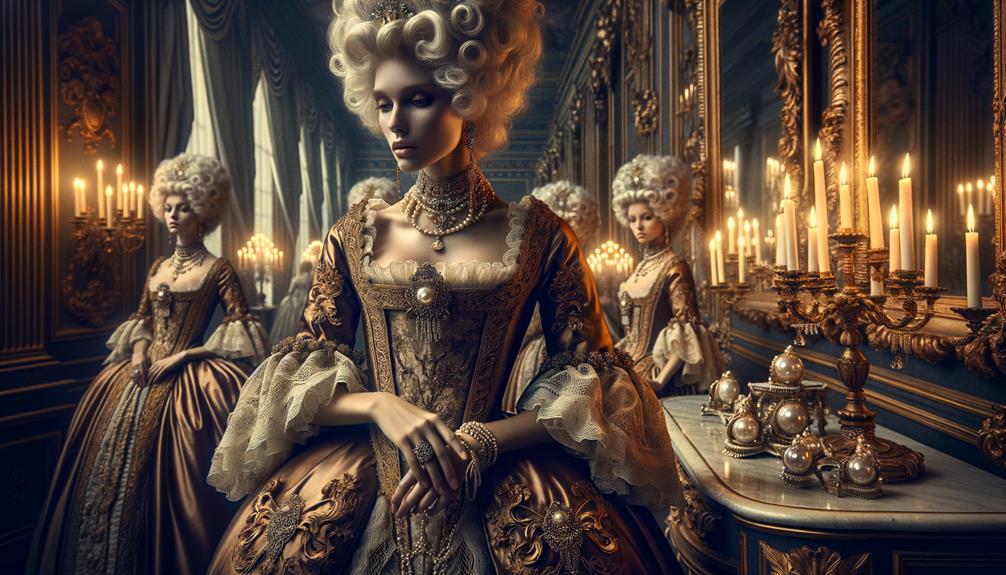
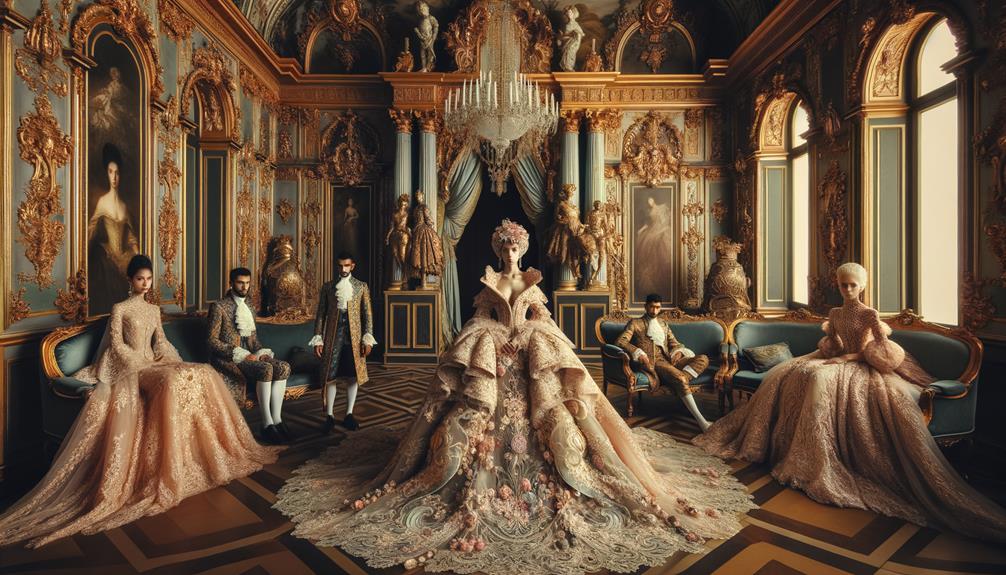
Baroque and Rococo wigs and hairstyles are intricate, elaborate creations that resemble sculptures made from hair. The Baroque era was all about power and opulence, with wigs featuring elaborate curls and towering heights. During the Rococo period, hair took on a more playful, flowing quality, heavily influenced by figures like Marie Antoinette. These extravagant styles called for synthetic fibers, heat-resistant techniques, and accessories such as ribbons and feathers. Today, they can be recreated with modern materials that balance historical elegance with convenience. Each detail tells a story of artistry and social status.
Historical Context
The Baroque and Rococo periods were marked by extravagance, influencing every aspect of fashion, including the elaborate hairstyles and wigs. During this time a Baroque wig was more than an accessory: it was a work of art. Intricate curls, towering heights, and extravagant designs defined the look. These wigs mirrored the grandeur of the era, crafted with precision and a flair for drama.

Venice, Italy, emerged as a central hub for this fashion tradition. The city’s annual Venetian celebration showcased the creativity and complexity of Baroque and Rococo styles. Elaborate costumes and intricate hairstyles were on full display, each reflecting the period’s luxurious aesthetic.
These styles were more than fashion statements. They were expressions of identity and status. The Baroque wig signified power, and its elaborate design communicated a sense of grandeur and distinction. This historical context reveals a society deeply invested in visual splendor, where appearance was paramount.
Today the influence of these styles persists, inspiring modern interpretations and reminding us of the lasting appeal of innovation in fashion. The Baroque wig remains a symbol of opulent creativity.
Influential Figures
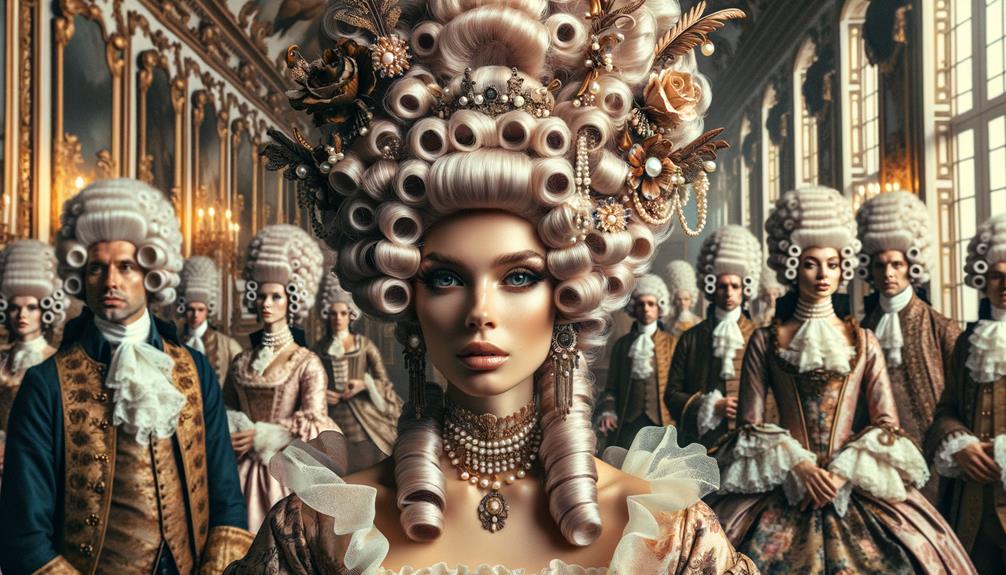
Marie Antoinette’s extravagant hairstyles exemplified the lavishness of the Baroque and Rococo periods. Her iconic style, particularly the ‘Coiffure à la Belle Poule’, mirrored the opulence and intricacy of the times. But she was not alone in this trend.
Victoria Justice and Madison Reed have both incorporated Baroque and Rococo-inspired elements into their styles, blending historical elegance with modern flair. Their interpretations pair past grandeur with contemporary sophistication, making them influential figures in this niche.
In Venice, an annual festival celebrates these elaborate styles. The Venetian festival offers a vibrant display of intricate costumes and hairstyles, keeping the spirit of Baroque and Rococo alive and relevant.
Yuki Saito, a London-based artist, takes this art form in new directions. Known for his intricate yarn wigs, Saito’s creations pay homage to the enduring appeal of these historical aesthetics while pushing creative boundaries.
| Influential Figure | Notable Work | Contribution |
|---|---|---|
| Marie Antoinette | ‘Coiffure à la Belle Poule’ | Iconic historical style |
| Victoria Justice | Modern fashion | Blending past and present |
| Madison Reed | Modern fashion | Contemporary elegance |
| Venetian Festival | Annual celebration | Cultural preservation |
| Yuki Saito | Yarn wigs | Artistic innovation |
These figures show that the elegance and complexity of Baroque and Rococo styles continue to inspire, with their influence extending into modern fashion and art.
Wig Materials
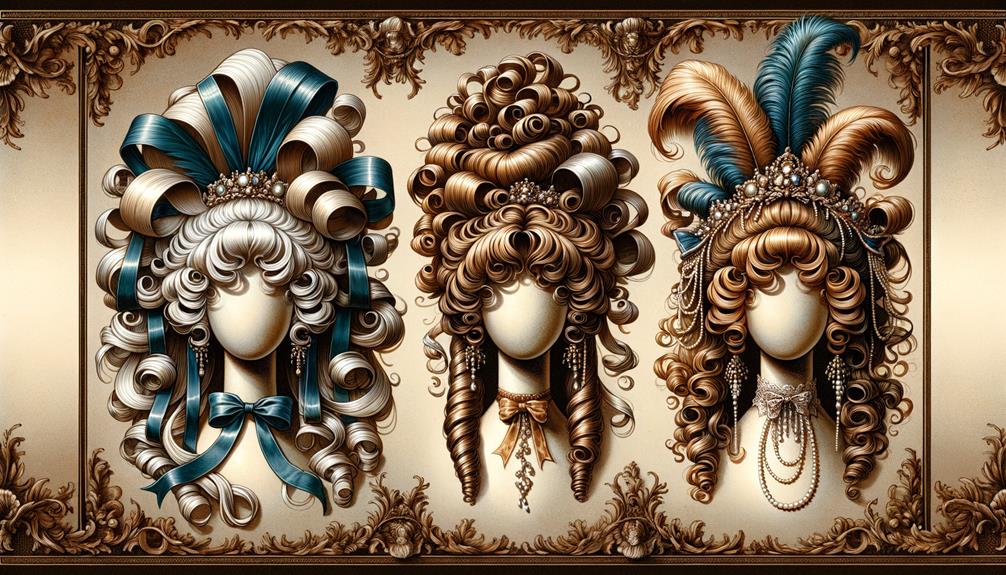
Synthetic fibers transformed wig production, offering durability and versatility for intricate styles. Many can withstand heat up to around 350°F, allowing the use of curling irons and other styling tools without damaging the wig. This heat resistance opens up many possibilities for creating and maintaining elaborate designs reminiscent of the Baroque and Rococo periods.
Wig caps are a crucial component in this process. They secure the wig and ensure a comfortable fit. The cap’s design, often featuring adjustable elastic straps, accommodates various head sizes, making wigs accessible to both children and adults. This adaptability means anyone can enjoy the transformative effect of a well-crafted wig.
Color variations in synthetic wigs are common because of manufacturing processes and differences in display settings. Each wig is somewhat unique, contributing to a personalized look. Despite these small differences, the overall quality and appearance remain consistent.
Using synthetic fibers with a well-fitted wig cap changes how historical hairstyles are approached today. The grandeur of the past can be recreated with modern materials that offer both practicality and creativity, staying true to the spirit of innovation.
Styling Techniques
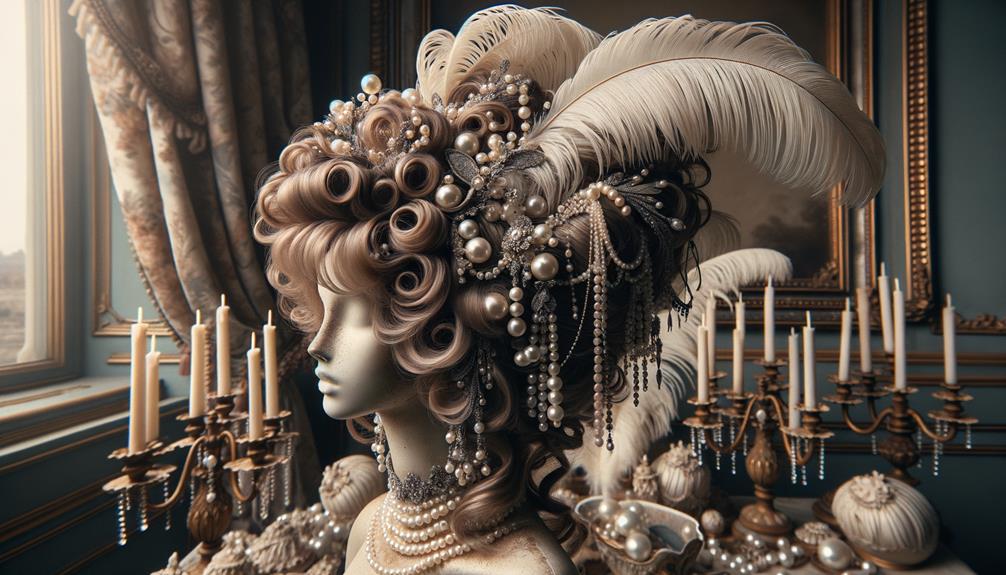
Baroque and Rococo wigs depend on the intricate art of curling and powdering. A ribbon accessory adds elegance, while careful techniques create impressive height and volume. Each style shows a dedication to precision and refinement.
Curling and Powdering Methods
Crafting a Baroque or Rococo wig was a meticulous process involving curling with heated rods and tongs, followed by liberal powdering to achieve the desired look. The process began by creating intricate ringlets and waves, using heat to shape hair into elaborate forms that signified status and elegance. Each curl was carefully set with pomade, ensuring the wig kept its structure and durability.
Powdering was a crucial step. Using flour, starch, or chalk, stylists absorbed oils and odors, which mattered for wigs that could not be washed frequently. The powder kept the wig clean and also allowed for color variations, typically white or grey, which were highly fashionable among the elite. This practice reflected wealth and sophistication.
Applying powder was itself an art. Stylists aimed for a uniform, velvety finish that enhanced the intricacy of the curls. The powdered look became synonymous with the nobility, a visual marker of social hierarchy.
In this careful balance of heat and powder, the Baroque and Rococo wigs became masterpieces. They were more than hairpieces; they were symbols of innovation, reflecting the era’s opulence and attention to detail. The wigs showed the craftsmanship and creativity of the time.
Accessorizing With Ribbons
Accessorizing with ribbons can bring a Baroque or Rococo wig to a new level of elegance and authenticity. Pink ribbon bows, in particular, add a note of whimsy and femininity reminiscent of 18th-century fashion.
Adding a pink ribbon to an updo or a cascade of curls can transform a wig from simply historical to historically inspired. This small accessory brings the whole ensemble together, creating a cohesive and polished look. It goes beyond decoration; it is a way of showing character through style. Each ribbon can reflect a personality or theme, allowing for endless customization and personalization.
Ribbons are a styling technique that highlights the wig’s intricate details. The color of a pink ribbon can contrast sharply with powdered white, creating a striking visual effect. This offers a refined yet inventive way to stay true to the Baroque and Rococo aesthetic while adding a modern note.
Incorporating ribbons into wig styling produces an authentic yet individualized look, pairing historical elegance with creative expression.
Creating Height and Volume
Achieving the grandeur of Baroque and Rococo hairstyles requires techniques that add both height and volume to a wig. Several key methods make this possible.
First, height is added by backcombing sections of the wig and then gently smoothing the surface. This technique gives a fuller appearance while maintaining a polished look. Next, hairpins are used strategically to secure the wig and create volume at the crown or sides, which keeps the style intact throughout wear.
To further increase height, foam hairpieces or inserts can be placed underneath the wig to add structure and lift. Wig styling products like hairspray or texturizing spray then hold the volume and height in place.
A quick guide to these techniques:
- Backcombing: Add height, then smooth for fullness.
- Hairpins: Secure and add volume at key points.
- Foam Inserts: Enhance height and structure.
- Styling Products: Maintain volume and hold.
Common Accessories
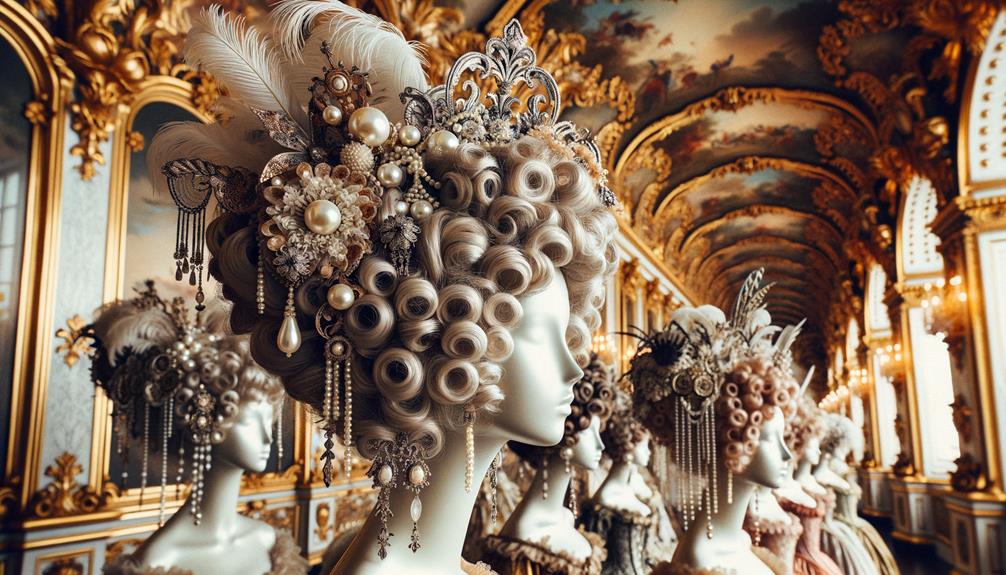
In Baroque and Rococo hairstyles, accessories make a real difference. Hairpieces, decorative combs, and feather or flower adornments add a layer of luxury and grandeur. These elements turn hairstyles into genuine works of art.
Hairpieces and Extensions
In the Baroque and Rococo eras, hairpieces and extensions played a vital role in crafting the period’s iconic, elaborate hairstyles. These accessories were essential for achieving the towering, sculptural looks that defined the fashion trends of the time. They were often paired with a costume wig to enhance the overall effect, balancing hair and attire.
Hairpieces and extensions were crafted from various materials, each adding a distinct touch to the final look:
Silk, soft and luxurious, was used to create smooth, flowing extensions that blended well with natural hair.
Ribbons and flowers added color and texture, turning hair into a canvas of art.
Feathers, a popular choice, added height and flair, giving hairstyles a note of whimsy and grandeur.
Ornate decorations, such as pearls, jewels, and other embellishments, transformed hairstyles into masterpieces.
Hairpieces and extensions were more than accessories; they were central to the aesthetic of the era. This approach to hairstyling shows a dedication to pushing the boundaries of beauty and fashion, a pursuit that resonates in contemporary trends.
Decorative Hair Combs
Decorative hair combs adorned with gemstones and pearls were a staple of Baroque and Rococo hairstyles, turning ordinary hair into a work of art. These combs spoke of craftsmanship and luxury, showcasing the artisan’s skill and the wearer’s desire for refinement.
In the 17th and 18th centuries, women used these combs to secure their elaborate wigs and hairstyles. The intricate designs, often featuring floral motifs or scrollwork, reflected the grandeur of the era. Each piece showed remarkable attention to detail and the artisans’ skill, matched by the wearers’ pursuit of elegance.
Hair combs varied greatly in size and style, from understated pieces that subtly enhanced the hairstyle to bold statements that commanded attention. These combs served as both a practical tool and a symbol of status and sophistication.
Today, designers continue to draw inspiration from these historical pieces, incorporating elements of elegance and precision into modern accessories. The timeless appeal of Baroque and Rococo hair combs is a reminder that true elegance does not go out of style.
Feather and Flower Adornments
Feather and flower adornments brought an air of luxury to Baroque and Rococo hairstyles, making each look a statement of opulence. Exotic feathers and delicate flowers, both real and artificial, turned elaborate hair designs into works of art. These accessories were not merely decorative; they were central to the era’s aesthetic.
Feathers, often sourced from exotic birds, added drama and drew the eye. They were carefully arranged to create striking contrasts and heighten visual impact. Flowers, on the other hand, introduced a note of femininity and romanticism. Fresh blooms provided a sense of vitality, while artificial ones ensured durability. Together these elements balanced nature and artifice.
The significance of these adornments shows in their roles:
Feather arrangements brought an exotic flair and added drama to hairstyles. Fresh flowers added natural beauty and fragrance, while artificial flowers offered longevity and consistency. Both were crafted to complement the intricate hairstyles of the period.
Feather and flower embellishments were essential in crafting the luxurious and elaborate hairstyles that defined the Baroque and Rococo eras.
Evolution Over Time
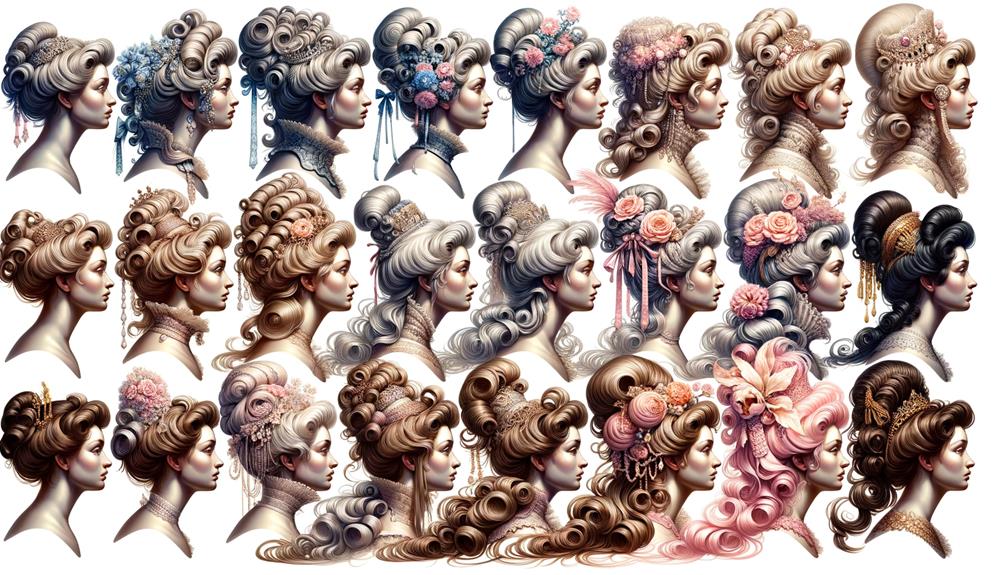
Hairstyles evolved significantly during the Baroque and Rococo periods. In the French court, hair symbolized status and power. During the Baroque era, hairstyles were characterized by grandiose curls and intricate up-dos, reflecting the grandeur of the time. Ornate accessories such as pearls and jewels adorned these structures, creating a strong visual display.
As the Rococo period emerged, the trend shifted towards a more natural aesthetic. Hairstyles featured cascading curls, delicate ribbons, and floral embellishments, creating a softer, more elegant look. Hair powdering continued, but it enhanced rather than dominated the hairstyle. The arrangements became less rigid, allowing a more fluid and refined appearance.
This transformation from the Baroque to the Rococo era marked a broader cultural shift towards elegance and refinement. Hairstyles during these periods were not just about beauty; they made a statement. They complemented extravagant costumes, creating a cohesive and luxurious aesthetic. In retrospect, these transformations paved the way for modern interpretations of elegance and style.
Cultural Impact
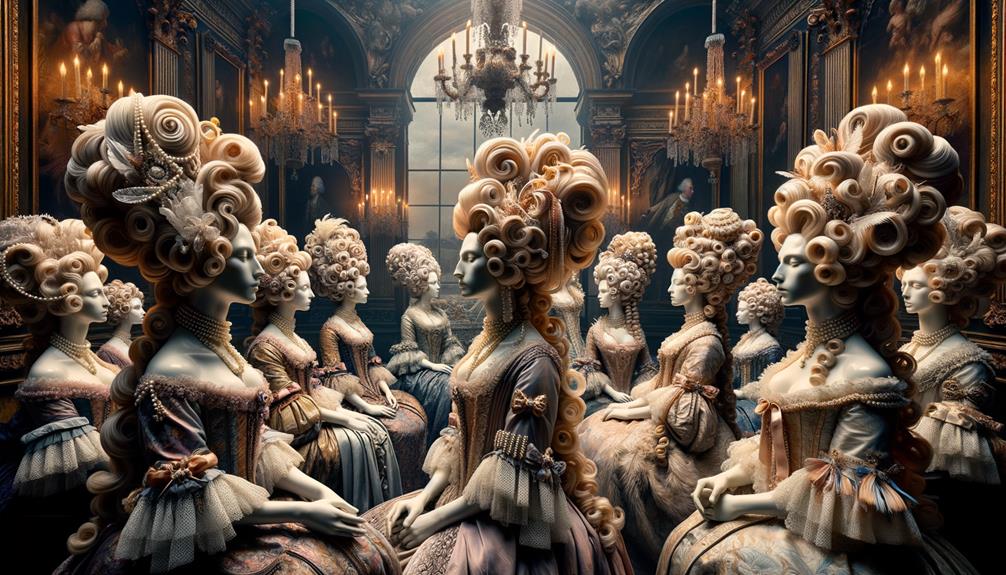
The shift from Baroque to Rococo hairstyles did more than transform fashion; it reshaped cultural identity and artistic expression. These styles, with their intricate designs and elaborate accessories, became symbols of luxury and social status, influencing how people presented themselves in public and private spheres.
Cultural events such as the Venetian tradition of wearing elaborate costumes and headdresses played a significant role in this transformation. The head often became a canvas for artistic expression, adorned with flowers, jewels, and feathers. This went beyond aesthetics; it was about making a statement.
Modern celebrities such as Victoria Justice and Madison Reed have embraced these historical styles, showcasing their timeless appeal. Their adoption of Baroque and Rococo-inspired hairstyles highlights the persistent cultural impact of these eras.
These styles continue to influence modern culture in the following ways:
Fashion designers incorporate Baroque and Rococo elements, blending historical opulence with contemporary trends.
Films and photoshoots draw on these styles to evoke a sense of grandeur.
Cities like Venice maintain these traditions, celebrating their rich heritage.
Individuals use these styles to craft unique, bold identities.
These historical styles have left a lasting mark on modern culture, with their influence still felt today.
Frequently Asked Questions
Why Did They Wear Wigs in the Baroque Period?
In the Baroque period, people wore wigs partly to conceal hair loss caused by disease and mercury treatments, and partly because the nobility treated wigs as a status symbol. Wigs also allowed for elaborate, versatile hairstyles that reflected the era’s elegance and innovation.
What Is a Rococo Wig?
Some Rococo wigs were very large, with surviving examples weighing several pounds. Adorned with ribbons, flowers, and feathers, these wigs showcased the wealth and status of aristocrats and reflected their opulent lifestyles. They were key fashion statements for the elite, showing off extravagant tastes.
What Is a Baroque Wig Called?
Baroque wigs are known as periwigs or perukes, characterized by their elaborate curls and impressive height. Their intricate styling reflects a time when fashion was a status symbol and people were eager to express themselves through their appearance.
What Is the History of Wigs and Hairpieces?
Wigs have a long history spanning centuries. They have often symbolized power and fashion, gaining prominence with monarchs like Louis XIV and later losing popularity as society shifted towards natural looks after the French Revolution.