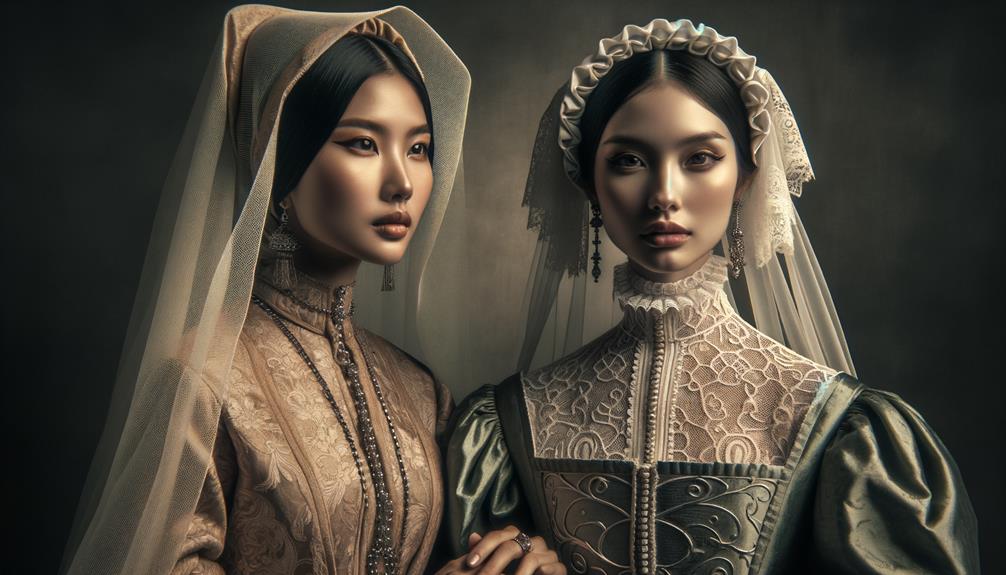
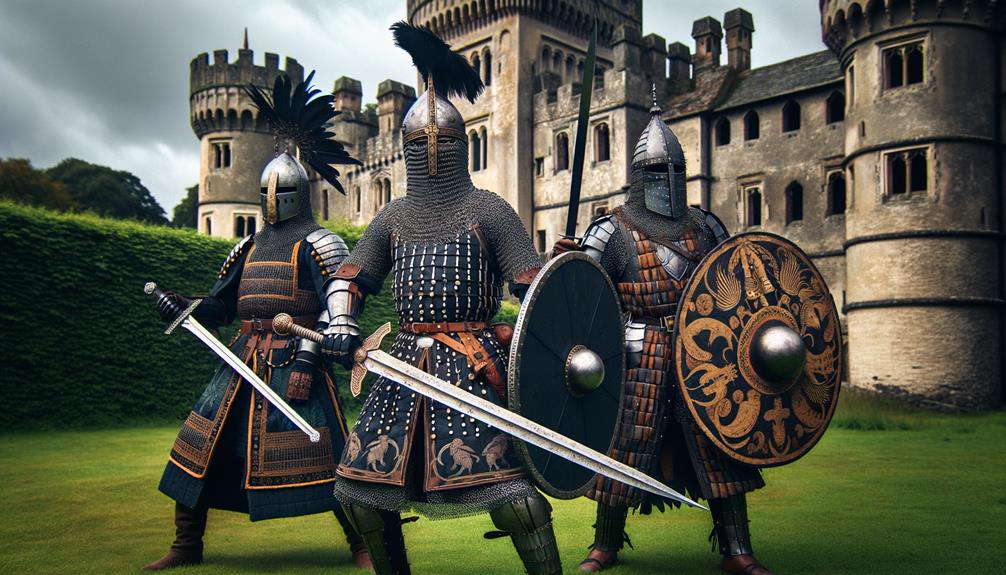
The livery clothing of medieval servants reveals as much about the social hierarchy of the time as its opulence. A servant dressed in shimmering samite silk and velvet, the fabric catching the flicker of torchlight, each stitch carefully crafted to display the lord’s coat of arms. These garments were a visual representation of the rigid social order and loyalty that defined the era, and more than just clothes. These luxurious outfits served as both a status symbol and a functional identifier within the noble households. The story reaches well beyond the fabric and embroidery.
Significance of Livery Clothing
In medieval times, the vibrant colors and intricate designs of livery clothing vividly showcased a servant’s allegiance and rank within a noble household. The era created a striking visual spectacle with these garments. Each servant’s dress was a record of identity, woven with hues and patterns that spoke volumes about their role and status.

Moving through a medieval court must have felt like traversing a living, breathing hierarchy. The liveried servants, clad in their distinctive uniforms, were symbols of their employer’s wealth and influence rather than just attendants. A servant’s position could be discerned instantly from the details of their attire. This visual cue system was as much about practical organization as it was about reinforcing social structures.
In public, these servants were walking advertisements of their lord’s power. Their dress served as a constant reminder of the rigid social order that defined medieval life. This evolution of livery from mere food provision to a sophisticated form of symbolic identification underscores the significance of appearance in maintaining the social fabric of the time. Clothing could dictate and reflect societal roles with remarkable power.
Fabrics and Materials Used

The fabrics and materials used in medieval servants’ livery reveal a world of luxury and opulence. The use of samite silk, camlet, and ermine in these garments was a deliberate statement of power and wealth. Samite silk, with its intricate weave and shimmering finish, conveyed an almost ethereal quality, while camlet offered a softer, more durable alternative that blended practicality with elegance.
Ermine, with its pristine white fur and distinctive black spots, was often reserved for the highest-ranking servants, marking them as elite members within the household hierarchy. Velvet and fine wool further added layers of opulence, their textures inviting admiration and envy.
These materials were a language of status and importance, and not just clothing. Each fabric, each trim, whispered tales of nobility and prestige, transforming the simplest of garments into symbols of authority. The meticulous selection of these materials reflected the intricate social fabric of medieval society itself.
In this world of luxury, fabrics and materials were a language of power and status, going far beyond aesthetic choices. The use of these sumptuous materials was a deliberate choice, meant to convey the wealth and prestige of the noble employers.
Design and Symbolism

The design and symbolism of medieval servants’ clothing uses a vibrant range of colors and patterns to convey the wearer’s position within the noble estate’s hierarchy. Each group of people within the estate displayed a unique visual identity. The livery garments, adorned with the lord’s heraldic colors, were badges of loyalty and allegiance, and more than just fabric.
The quality of fabric and design intricacy varied greatly, reflecting the servant’s rank. Finer materials and elaborate fur trims distinguished higher-ranking servants, creating a visual hierarchy within the household. These garments were carefully crafted indicators of one’s proximity to power and privilege, going beyond being functional. The evolution from simple clothing provision to a sophisticated identification system mirrored broader social changes of the time.
Wearing a lord’s livery conveyed a message of allegiance and protection, fostering a sense of belonging among the servants. The colors and symbols worn by these groups of people were as integral to their identity as their roles within the estate. This rich interplay of design and symbolism provided a structured yet dynamic visual language within medieval society.
Hierarchy and Roles

In the grand estates of nobility, liveried servants wore their roles like badges of honor, each garment a vibrant indicator of their place in the intricate social hierarchy. The pecking order was clear, with each color and style of livery denoting the wearer’s status and function. Administrative clerks wore attire that reflected their behind-the-scenes responsibilities: often simpler, yet distinguished by unique hues or patterns that denoted their vital role in managing household affairs.
Knights, resplendent in rich fabrics and elaborate designs, stood as pillars of authority and protection. Their liveries, often adorned with intricate heraldic symbols, spoke to their esteemed position. Meanwhile, lower-ranking servants donned more modest attire, yet even their simpler garments bore the unmistakable insignia of their lord’s house, showing the unity and order within the household.
This sartorial hierarchy was a visual guide to understanding the complex web of duties and ranks, and not just about aesthetics. The varying quality and craftsmanship of liveries underscored the importance of each role, ensuring that every servant knew their place and responsibilities. This blend of form and function maintained a well-oiled machine, reflecting the meticulous organization of medieval noble life.
Craftsmanship and Detail

The meticulous craftsmanship of medieval livery clothing, with its intricate embroidery and luxurious fabrics, vividly showcases the wearer’s status and allegiance. Skilled tailors and embroiderers brought liveried attire to life with precision and artistry. These garments were a visual proof of one’s place within the hierarchy and their loyalty to a lord or noble house, and more than just clothing.
When examining these garments, three elements stand out:
- Intricate Embroidery: Heraldic symbols and colors were painstakingly stitched, imbuing each piece with unique identity markers.
- Luxurious Fabrics: Silk and velvet were commonly used, reflecting the wealth and importance of the wearer.
- Exquisite Embellishments: Fine trims, monograms, and crests added layers of personalization and detail.
Browsing through collections at the British Library, the fine stitching and elaborate designs that adorned these garments are remarkable. Each piece tells a story of the hands that crafted it, as well as the individual who wore it. The attention to detail, with precise measurements and unique design elements, ensures these pieces remain timeless examples of medieval craftsmanship.
A closer look reveals what makes these garments so remarkable. The intricate embroidery shows the skill of the artisans who created these pieces. The use of luxurious fabrics, such as silk and velvet, also speaks to the wealth and status of the wearer. And the exquisite embellishments, including fine trims, monograms, and crests, add an extra layer of personalization and detail.
The level of craftsmanship that went into creating these garments is striking. The attention to detail is remarkable, with precise measurements and unique design elements that make each piece truly one-of-a-kind. This reflects the skill of the artisans who created these garments, and a reminder of the importance of craftsmanship in creating something truly special.
Frequently Asked Questions
What Did Medieval Servants Wear?
Medieval servants wore simple, practical clothing that reflected their status and role within the household. Their attire, often made of wool, featured distinctive colors and insignias that visually identified their position and affiliation.
What Is Livery for Servants?
Livery for servants was distinctive clothing provided by lords, serving as a visual emblem of loyalty and rank. It was a way to signify allegiance, similar to modern branding, reflecting power and organization vividly.
What Is a Livery Clothing?
Livery clothing is a vibrant expression of loyalty, woven with symbols and colors that tell a story, and more than just attire.
What Is a Livery in Medieval Times?
Livery in medieval times was a vivid representation of allegiance and status, where each color and design tells a story of power and protection. Clothing was a powerful symbol of intricate social hierarchies and loyalty, reflecting the complex web of relationships between lords and vassals.
What Did Medieval Wenches Wear?
Most medieval wenches wore woolen dresses in earthy tones, often paired with coifs and aprons for practicality. Their simple, loose-fitting gowns were finished with leather shoes and minimal jewelry, creating a functional look.