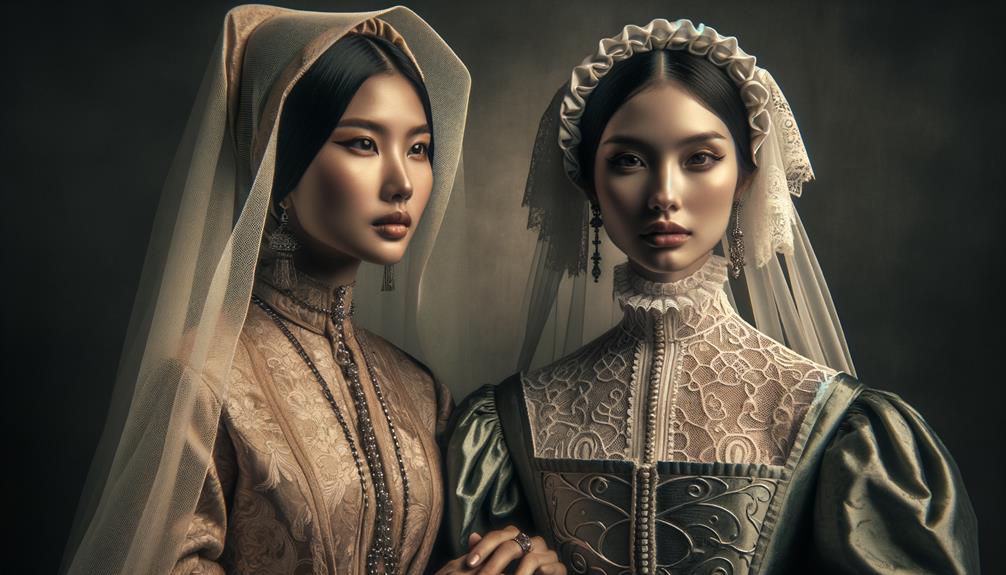
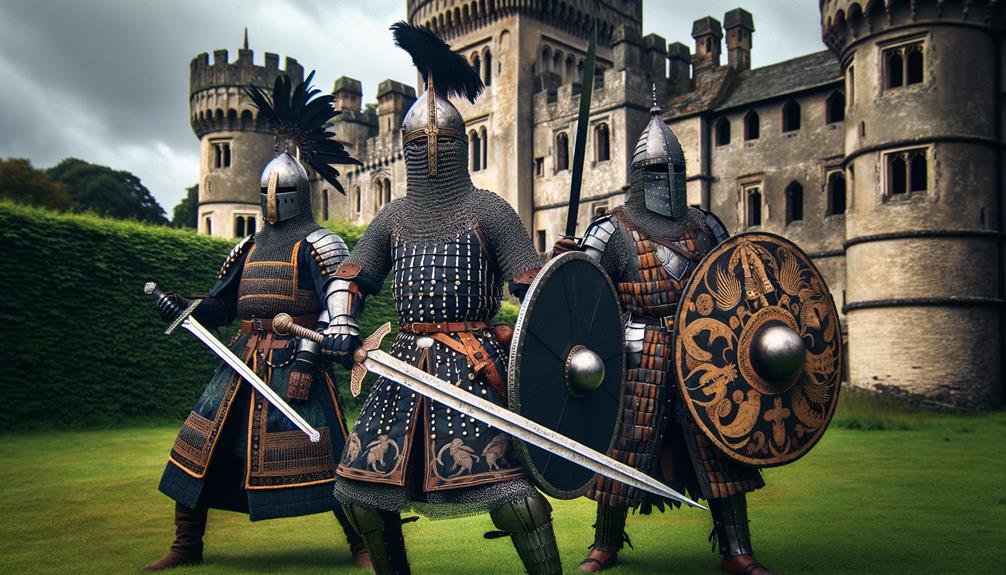
Medieval fashion was never only about looks. It served as a silent communicator of social status, and the clothes people wore carried a great deal of information about their rank, beliefs, and values. Luxurious fabrics such as silk and velvet signified wealth and power. Colors carried deep meanings: red for opulence, blue for nobility, and white for purity. Intricate embroidery and accessories were symbols of status rather than mere decoration. Reading these cues reveals the unspoken hierarchies and social norms of medieval life.
Social Hierarchy and Clothing
In medieval society, clothing was a clear indicator of a person’s social standing. It was a visual representation of status and wealth, not simply a way of covering the body. The rich and powerful wore elaborate outfits in expensive hues such as red, signifying their elite position. Scholars, for example, wore prestigious red robes, which reflected their high place in the social hierarchy and their access to costly materials.

In contrast, peasants wore simple, undyed wool garments that spoke to their lower standing. The lack of vibrant colors and fine fabrics in their clothing was a deliberate distinction that maintained the structure of medieval society.
Different professions also had distinct styles. Monks, doctors, and knights each had unique attire, which made their roles and ranks easy to recognize. The fashion choices of courtiers, often impractical and extravagant, further highlighted their privileged status. Sumptuary laws, such as those issued in 1463, restricted revealing attire to the upper ranks, reinforcing the social hierarchy through clothing.
Manuscript illuminations of historical figures used these dressing conventions, so everyone knew their place. In medieval society, clothing defined identity and social position.
Fabrics and Materials
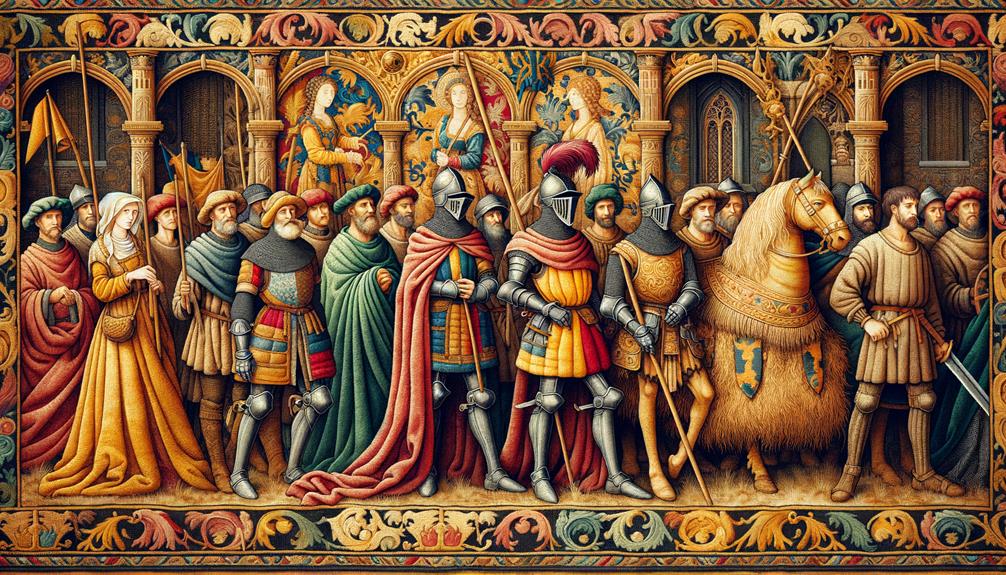
The complexity of medieval fashion was rooted in the diverse fabrics and materials that defined each garment’s purpose and prestige. Undyed wool, a humble yet essential material, provided warmth and practicality for the masses. Its unassuming nature reflected the everyday resilience of common folk.
Silk, on the other hand, exuded opulence. Imported and costly, it adorned the elite, its shimmering texture a quiet declaration of status. Rich dyes enhanced its allure, making it a coveted fabric in medieval courts. Fur played a dual role. It provided functional warmth for some and served as an emblem of affluence for others. The nobility’s garments were often lined or trimmed with luxurious furs, marking their higher position.
The dyeing techniques of the era were both an art form and a science. They transformed plain textiles into vibrant statements. However, the high cost of dyes made richly colored fabrics exclusive. Pastel clothing emerged as a more accessible alternative in response. These softer hues, achieved with less expensive dyes, allowed broader social classes to take part in the fashion of the time.
Fabric choices mirrored practical needs and social aspirations at once. This is a subtle balance between utility and symbolism, one that speaks volumes without explicit declaration.
Colors and Their Meanings
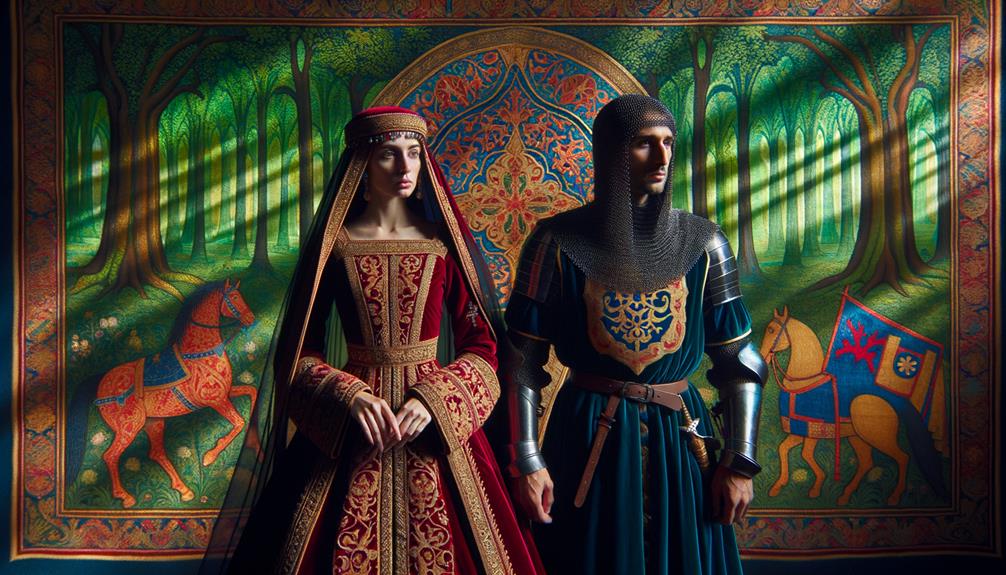
Colors in medieval fashion conveyed a silent language, where each hue carried its own significance. Red was synonymous with wealth and prestige, reserved for nobility and clergy because of the expensive dye. It marked status, and so it was never just a color.
Blue embodied divine grace and nobility, often worn by royalty and rulers. The color conveyed purpose and authority, making blue garments a demonstration of the right to rule.
Green represented fertility, rebirth, and hope, frequently worn by knights and hunters. The color paid tribute to nature’s cycles and the promise of new beginnings, making it a declaration of life and energy.
White epitomized purity, innocence, and light, often worn by brides, children, and the clergy. White garments symbolized unblemished virtue and spiritual clarity.
Black denoted power, formality, and mystery, favored by the wealthy, especially in mourning. It represented authority and the enigmatic nature of life and death.
Noble Attire
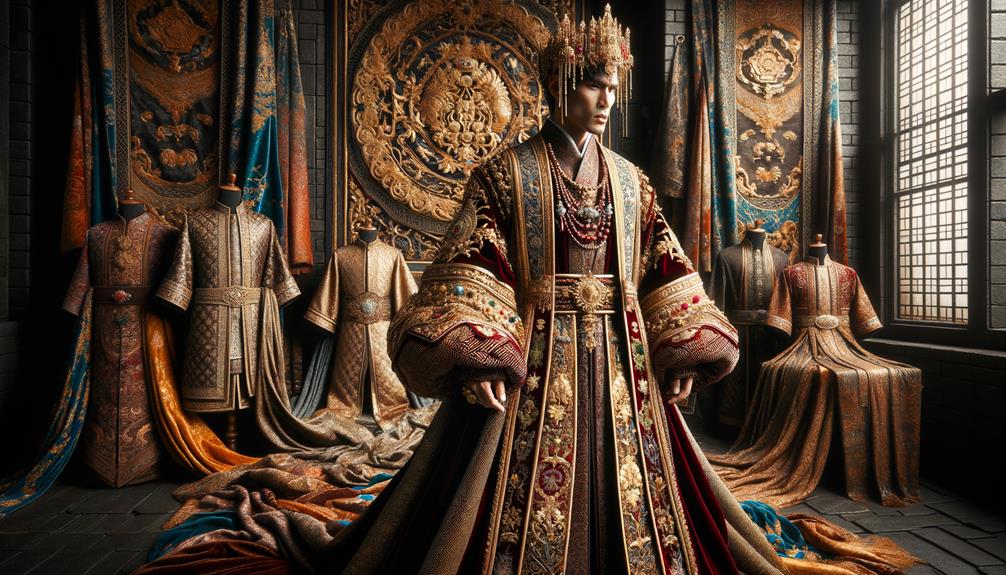
Noble attire in the Middle Ages made a striking display of power and social standing. Luxurious fabrics and rich colors were a status symbol, signaling wealth and social hierarchy. Elaborate jewelry and accessories further reinforced a wearer’s influence and position within society.
Colors and Their Meanings
In medieval Europe, fashion was a complex language that conveyed social status and wealth. Each color had a unique meaning, silently communicating a person’s position in society.
Gold and silver fabrics were reserved for the extremely wealthy. Purple, a rare and expensive dye, was often worn by royalty to symbolize power and luxury. Blue, on the other hand, signalled piety and humility in religious contexts, while its costlier variants were associated with royalty and authority. Green, representing nature and fertility, was worn by nobles to show their connection to the land and their prosperity.
| Color | Symbolism |
|---|---|
| Gold | Wealth, Prosperity |
| Purple | Power, Luxury |
| Blue | Piety, Humility; costly shades for royalty |
| Green | Nature, Fertility |
| Silver | Wealth, Prestige |
These colors were deliberate statements that conveyed a message without saying a word. The palette of noble attire was strategic and beautiful, conveying important information about the wearer’s status and values.
Fabrics and Social Status
During the medieval period, the wealthy elite displayed their status through luxurious fabrics that conveyed power and prestige. Silk, velvet, and fur were symbols of social standing as much as materials. Wearing silk was a bold declaration of affluence and exclusivity, and comfort was a secondary concern.
Velvet’s unique texture whispered opulence, and its presence in clothing said much about a wearer’s place in the social hierarchy. The nobility’s fondness for velvet attire was a clear indication of their higher status. Velvet’s tactile quality embodied the essence of luxury.
Fur, too, held a special place in the elite’s wardrobe. More than a means of warmth, fur signified prestige and wealth. Its use in cloaks and linings displayed the wearer’s significant wealth and social standing, wrapping them in both physical and symbolic comfort.
In medieval society, the fabrics one wore conveyed far more than personal style. They were a statement of power and position. The deliberate choice of silk, velvet, and fur reflected and reinforced the social hierarchy of the time.
Accessories as Power Symbols
In medieval society, noble accessories such as brooches and jeweled belts were clear indicators of wealth and influence, not simply adornment. These items conveyed a person’s standing in the social hierarchy, with precious stones and intricate craftsmanship signifying authority and commanding respect.
The materials used in these accessories, such as gold and silver, reflected the wearer’s wealth and status. Noble attire was a visual representation of the hierarchical structure of medieval society, with each accessory reinforcing the wearer’s position.
Rings and necklaces also played a significant role in displaying power and prestige. In a society where appearance mattered, these accessories were essential in conveying a noble’s influence and authority. Every detail, from the type of metal to the arrangement of gems, was a deliberate statement of wealth and power.
Noble accessories were therefore declarations of dominance and prestige, showcasing the wearer’s status and influence.
Commoners’ Garb
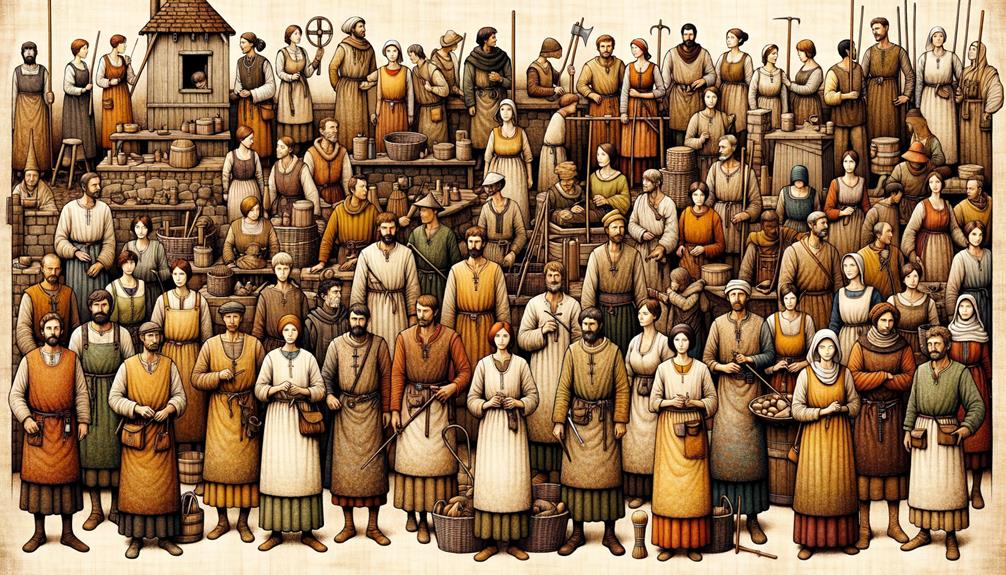
Commoners’ Garb
In medieval times, everyday people wore simple, practical clothing that reflected their limited means and social status. They made do with affordable materials such as undyed wool, a far cry from the luxurious fabrics and vibrant colors favored by the nobility. This choice of material was a clear indication of their lower social standing as well as an economic necessity.
Common folk typically wore simple tunics, hose, and hoods. These garments prioritized function over fashion, providing the ease of movement and durability needed for daily labor. The muted, earthy tones of their attire resulted from the limited availability and affordability of dyes. These colors reflected the wearer’s place in the social hierarchy.
Accessories were minimal for commoners. Any adornment they did wear served a practical purpose, such as belts to secure tools or simple pouches to carry essentials. There was little room for decorative elements in their daily lives. The simplicity of their garb echoed their laborious existence, a stark reminder of the divide between the classes.
Religious Vestments
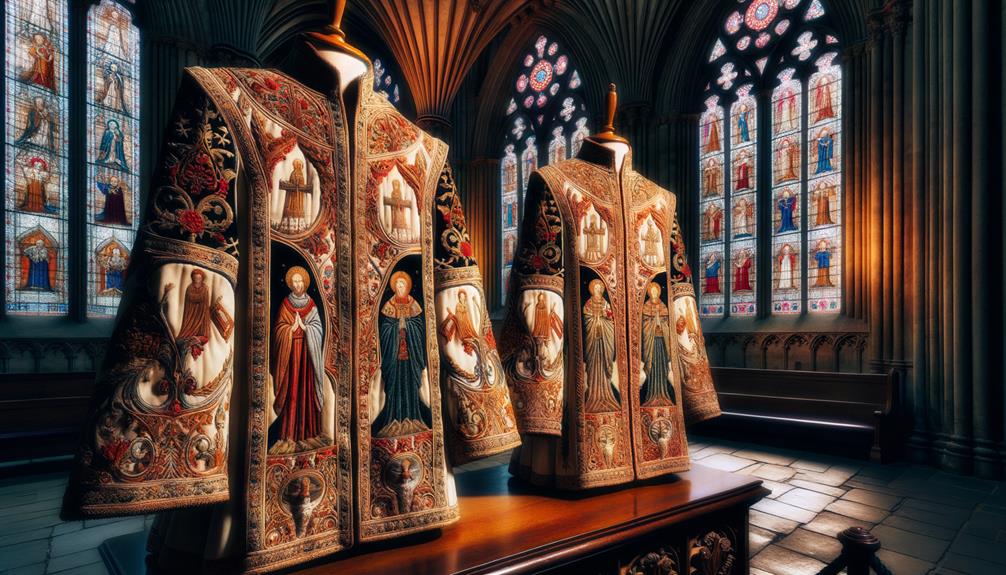
Medieval religious vestments used intricate arrangements of colors, patterns, and hierarchies. Each hue, from the regal purple to the radiant gold, held profound spiritual significance. The meticulous embroidery and distinct attire of clergy members marked a sacred order and evoked reverence for the divine.
Ecclesiastical Color Significance
In medieval times, the colors of ecclesiastical vestments carried symbolic meanings that enriched religious ceremonies. The medieval church used color symbolism to convey spiritual messages, and each hue in religious vestments had a specific purpose. White represented purity, an emblem of the divine and the holy. Red, symbolizing love and sacrifice, often adorned garments during significant feasts.
Green signified hope and growth, serving as a reminder of renewal and the cycle of life. Blue represented heavenly grace and truth, lifting the spirit toward the divine. Purple, with its dual meanings of royalty and penitence, reflected both the majesty of God and the humility of human repentance.
Gold embroidery symbolized divine light and glory, a shimmering reminder of celestial splendor. Silver threads stood for purity and redemption, echoing the themes of spiritual cleansing. These ecclesiastical colors were chosen to align with the liturgical calendar. Each vestment added depth to the rituals, making ceremonies visually rich experiences as well as acts of faith.
The use of these symbolic colors turned every garment into a canvas of spiritual expression, connecting the medieval church’s followers to their faith.
Sacred Embroidery Patterns
Sacred embroidery on medieval religious vestments transformed plain fabric into a record of faith and devotion. Each carefully placed stitch carried spiritual significance. The intricate designs were symbols of reverence and belief rather than simple embellishment.
In the medieval period, embroidery on religious vestments held profound meanings:
- Symbols: Crosses, angels, and biblical scenes were common, each symbolizing different aspects of faith.
- Devotion: The meticulous nature of the work reflected the dedication of those who created and wore these garments.
- Worship: Embroidery was seen as an act of worship, each thread a prayer.
- Visual Representation: These patterns served as a visual manifestation of faith during religious ceremonies.
These patterns were deeply entwined with the spiritual life of the time rather than decoration alone. The sacred embroidery on such vestments showed the medieval church’s commitment to honoring the divine. Each stitch carried not just thread but the weight of devotion and faith, turning simple fabric into a sacred artifact.
Liturgical Garment Hierarchies
Liturgical garments in medieval times clearly reflected the ranks within the clergy, each piece a visual cue to sacred roles and authority. The Pope’s vestments, often adorned with gold and intricate embroidery, broadcast his supreme authority in the church. This hierarchy carried deep symbolic meaning beyond appearances.
Bishops wore garments such as the mitre, crozier, and pectoral cross, which reflected their higher status and responsibilities within medieval Christianity. These items served as a constant reminder of the spiritual and administrative duties bestowed upon them.
Priests and deacons donned specific vestments such as the chasuble and stole, which indicated their roles during religious ceremonies and created a visual distinction within the clergy. The chasuble’s flowing fabric and the stole’s linear design both held theological significance, portraying the wearer’s connection to divine service and spiritual leadership.
The symbolism embedded in these liturgical garments extended beyond their hierarchy. They represented broader spiritual concepts and theological beliefs, weaving the clergy’s roles into the very fabric of medieval society. They reflect the interplay of faith, authority, and tradition in medieval Christianity.
Frequently Asked Questions
What Were the Characteristics of Medieval Fashion?
Medieval fashion was closely bound to social hierarchy. Luxurious fabrics like silk and velvet were reserved for royalty, while nobles displayed their wealth with jewels and furs. In contrast, peasants made do with humble materials like wool and linen. Intricate accessories told stories of status and belief, blending function with symbolism.
What Is the Symbolism of Fashion?
Fashion’s symbolism reflects identity, status, and beliefs, which makes it a powerful tool for non-verbal communication. Clothes express a story, signal group membership, and connect the wearer to others at a level that words do not always reach.
Why Was Fashion Important in the Medieval Times?
Because dress was a status symbol, a silk robe identified its wearer as a noble at a glance. In medieval times, fashion clearly indicated social ranks and professions through specific fabrics and styles.
What Is the Symbolic Meaning of Clothes?
Clothes reflect identity, social status, and personal values. Every stitch and every embellishment tells a story about who a person is and what they believe in.