Most people do not know that the Ao Dai, a Vietnamese beauty icon, started as practical wear for all genders in the 1700s. Watching this outfit evolve from unisex clothing into elegant feminine fashion representing national pride is striking. The intricate embroidery and vibrant hues are not just decorative; they carry cultural and historical meaning. The way modern trends influence its design, and the way different occasions dictate its style, reveals layers of tradition and innovation.
History of Ao Dai
The Ao Dai, a symbol of Vietnamese identity, traces its origins to 1744 during the Nguyen Dynasty. At first glance, this long dress may seem like traditional attire, but it carries deep historical and cultural significance. Initially inspired by Chinese styles, the Vietnamese adapted it, making it distinctly their own. This transformation went beyond aesthetics; it was a statement of national pride.

The Ao Dai amounts to more than fabric and stitches; it is the embodiment of Vietnamese virtues like modesty and refinement. The design, with its fluid lines and careful tailoring, upholds these principles. The long dress covers the body modestly yet elegantly, striking a balance that feels quintessentially Vietnamese.
The design underwent modernization in the 1930s, becoming slimmer to enhance its elegance. This update did not dilute its cultural essence but revitalized it, keeping the Ao Dai relevant for new generations. Celebrated in festivals and fashion shows, the Ao Dai continues as a vibrant symbol of Vietnamese heritage.
Modern Ao Dai Trends
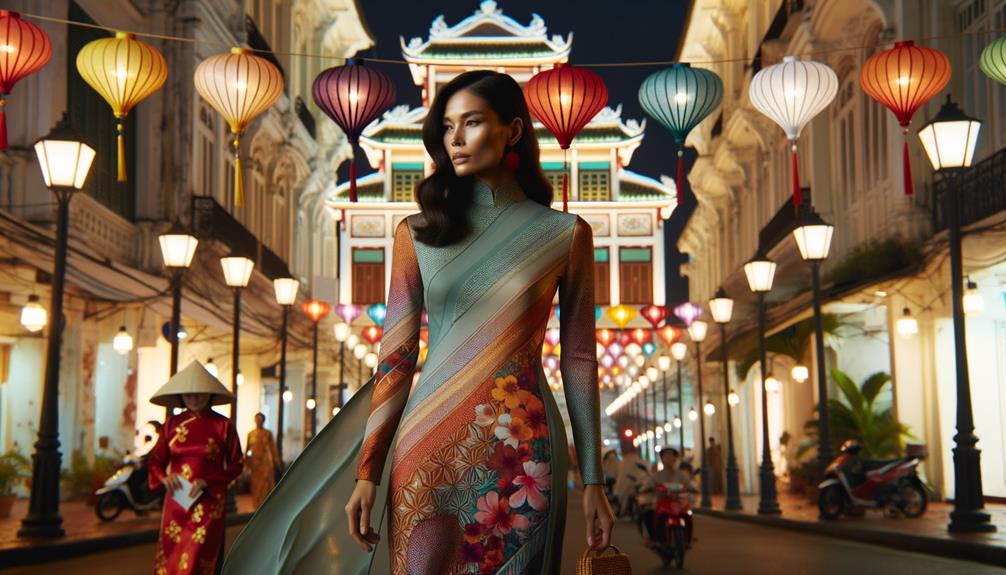
Contemporary Vietnamese fashion designers experiment with fresh approaches to the classic Ao Dai. These styles embrace practical touches like boat necklines and shorter sleeves, making this traditional dress versatile for daily wear. While retaining symbolic color choices, modern fabric choices and silhouettes inject new life into the garment. The overall effect strikes a stylish balance between heritage and modern flair.
Contemporary Fabric Choices
Contemporary Ao Dai fashion skillfully intertwines tradition with modern flair. Luxurious fabrics like silk, chiffon, and satin continue to reign, lending a timeless elegance to the garment. However, designers today embrace fresh possibilities. More breathable materials like cotton and linen emerge, infusing the Ao Dai with a casual, everyday appeal while preserving its classic charm.
For special occasions, velvet and brocade fabrics shine, adding a rich sophistication perfect for weddings or formal events. Sequins and embellishments command attention, bringing a glamorous edge that catches the eye.
Notably, innovative fabrics like neoprene and leather introduce a modern twist, challenging conventional boundaries and offering a fresh take on this iconic garment. These fabric choices reflect a broader trend of artfully blending old and new, maintaining the Ao Dai’s cultural essence while pushing fashion boundaries. They show how tradition can evolve without forsaking its core identity.
Innovative Design Features
The traditional Ao Dai, crafted from timeless fabrics, now embraces contemporary twists like boat necklines and short sleeves. These updates cater to modern tastes while preserving cultural essence. Knee-length versions, once unconventional, have gained popularity for their practicality, allowing freedom of movement without compromising elegance.
Casual collars like scoops and boats lend a relaxed vibe ideal for summer wear. Short sleeves add a fashion-forward flair while keeping the Ao Dai suitable for casual settings. Functional knee-lengths provide mobility, making this garment an accessible choice for various activities.
These reinventions fuse tradition with modernity. The iconic Ao Dai evolves to reflect Vietnamese beauty through a contemporary lens, aligning with current trends while honoring its cultural roots. Innovative yet authentic, it shows the vibrant connection between heritage and progress.
Popular Color Palettes
Modern Ao Dai fashion embraces unconventional color combinations, fusing vibrant hues with metallic accents. Designers juxtapose blush pinks with silver embellishments or pair emerald greens with golden embroidery, injecting new life into this traditional garment.
Classic colors like red, white, and black receive contemporary twists through ombre effects and intricate patterns. Delicate shades like lavender, peach, and sky blue lend a fresh, romantic feel to the modern Ao Dai.
Beyond solid colors, designers experiment with color blocking, gradients, and floral motifs, imparting dynamism to the garment. These bold choices celebrate Vietnam’s heritage while reflecting current style sensibilities. The Ao Dai’s evolution shows the blend of tradition and modernity that defines Vietnamese aesthetics today.
Occasions to Wear Ao Dai
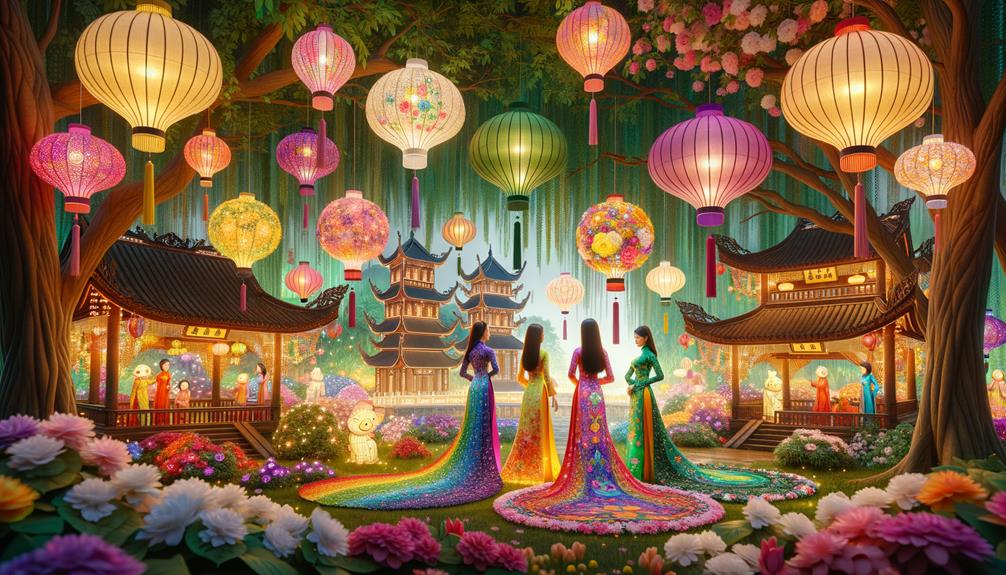
The ao dai transcends mere fabric, rooting itself in Vietnam’s cultural heritage and identity. Its versatility shines through at various events, a bridge connecting tradition with the present.
Weddings showcase the garment’s vibrant hues and intricate designs as guests adorned in ao dai celebrate love’s unity. Lunar New Year gatherings see families don traditional ao dai for temple visits, ushering in the new year with respect and joy. Even students wear ao dai at school events, showing its role in educational contexts.
This traditional attire is not confined to customary settings. The ao dai appears at formal dinners, meetings, and cultural festivals. Its presence underscores a timeless appeal that allows innovation while honoring roots in Vietnamese society.
Symbolism of Ao Dai Colors
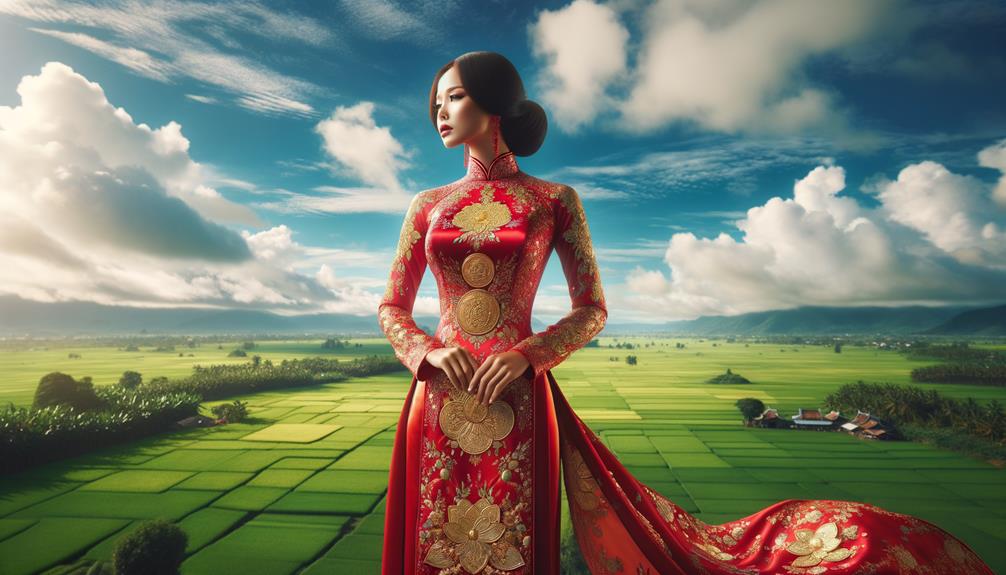
Colors in the Ao Dai hold deep symbolic meaning. Gold evokes royalty and power, while red signals luck and prosperity during Tet celebrations. Contemporary designers preserve these traditions while adding personal flair. The vibrant hues narrate stories, blending heritage with modern style.
Traditional Color Meanings
Colors in the Ao Dai tradition are deeply rooted in Vietnamese culture, with each hue carrying symbolic meanings passed down through generations.
Gold, for instance, was historically reserved for royalty, representing wealth and power. Its opulent shine conveyed grandeur and authority. Vibrant red, on the other hand, signifies celebration and is widely worn during Tết (Lunar New Year) to welcome prosperity and luck into the new year. In contrast, white exudes purity and innocence. Traditionally donned by young women, it embodies simplicity and unblemished beauty.
- Gold: Associated with royalty, riches, and influence.
- Red: Linked to festivities, fortune, and new beginnings, especially Tết.
- White: Symbolizes purity, innocence, and simplicity.
Black also carries weight in Vietnamese culture, worn during funerals to mourn loss. These color meanings transcend fashion, woven into society’s fabric. They communicate respect, joy, and sorrow without words, making the Ao Dai a narrative of Vietnamese life and values rather than just clothing.
Modern Color Interpretations
Colors in the Ao Dai have evolved with modern Vietnamese culture, moving beyond historical meanings. Traditionally exclusive for royalty, gold now expresses ambition and success for many wearers. Red retains its association with luck and prosperity but has become popular for weddings and romantic occasions, symbolizing love and passion.
White maintains its purity while also representing minimalism and elegance in contemporary fashion. Conversely, black has shed mourning connotations, now signaling sophistication in high-end, avant-garde designs. Some choose Ao Dai hues based on their birth elements, wood, fire, earth, metal, or water, blending tradition with personal flair.
This dynamic shift reflects Vietnamese culture’s adaptability. Colors once reserved for the elite now express individual aspirations and identities, keeping heritage relevant while embracing modernity.
Crafting Your Own Ao Dai
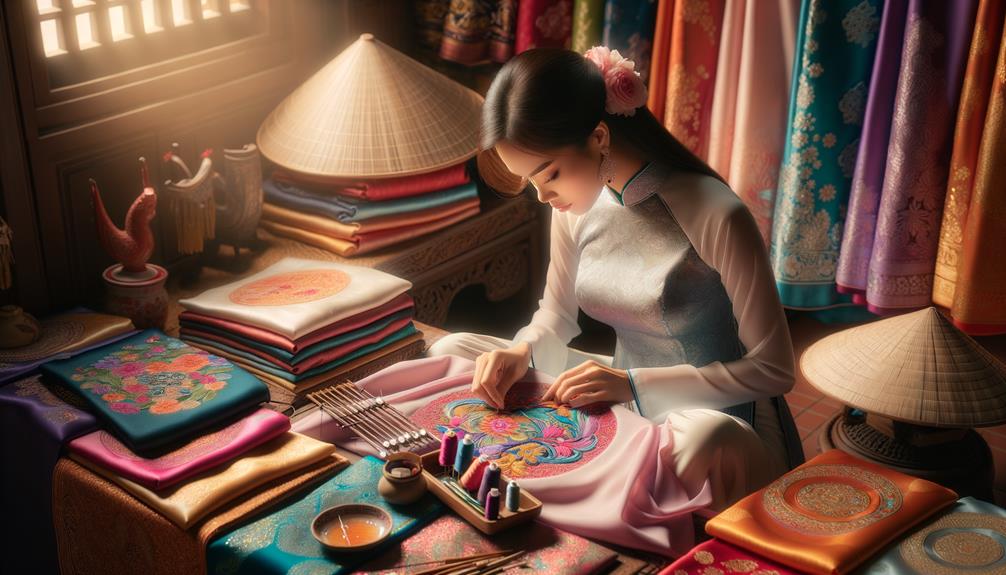
Crafting an Ao Dai offers a chance to showcase personal style through fabric choices, colors, and unique embellishments. Start by selecting fabric: silk, linen, or cotton, each with its distinct texture and feel, impacting the garment’s look and comfort.
Precise measurements ensure a clean, elegant fit. Take time to get accurate measurements, ensuring the Ao Dai contours perfectly to the body. This step is crucial.
The embellishments allow room for creativity. Traditional embroidery or modern sequins add a personal touch. Consider the fabric, whether silk, linen or cotton, and choose colors that reflect personal taste. A reputable tailor brings these elements together.
Crafting an Ao Dai is not just about the final product; it is the process of creating something distinctive.
Ao Dai in Popular Culture
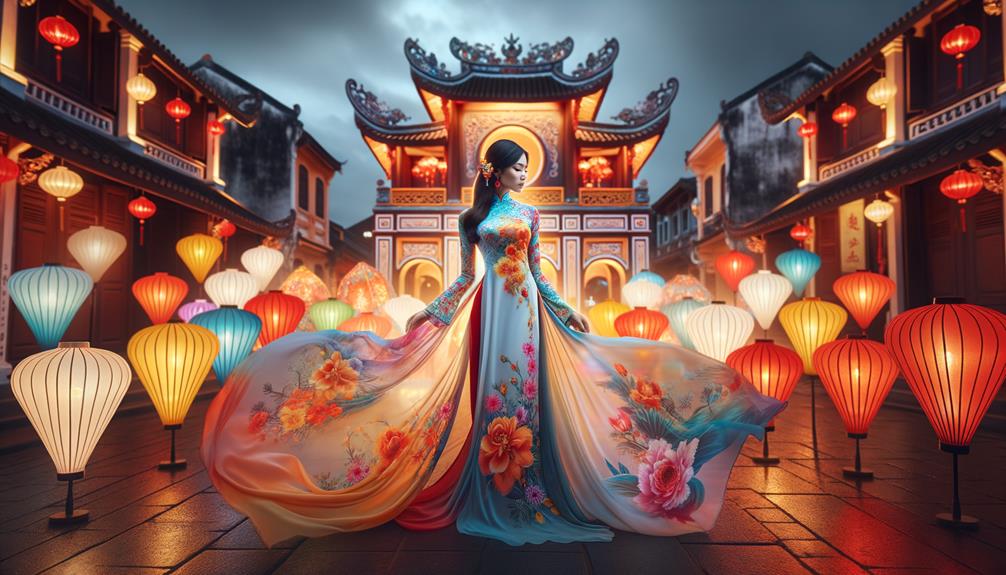
The Ao Dai‘s journey to global popularity is remarkable. Once a traditional Vietnamese garment, it now graces red carpets and runways worldwide, captivating audiences with its elegance. Celebrities frequently don this sophisticated outfit, while Western designers blend its distinct silhouette into contemporary collections. This integration shows the Ao Dai’s versatility and cross-cultural appeal.
At beauty pageants, Vietnamese women wear the Ao Dai with national pride. The intricate embroidery by skilled artisans adds cultural value, transforming each piece into wearable art. Festivals and fashion shows continue celebrating this iconic garment, solidifying its status as a cherished symbol.
The Ao Dai’s evolution from traditional attire to global fashion statement reflects Vietnamese women’s innovative spirit, inspiring admirers across borders. Its presence in popular culture underscores an openness to embracing diverse aesthetics while staying true to one’s roots.
Frequently Asked Questions
Is Ao Dai Chinese or Vietnamese?
Vietnamese people connect the elegant Ao Dai deeply with their cultural identity, and most view this graceful outfit as a national symbol. The tunic’s distinctive design, with intricately patterned fabric and signature flowing panels, exemplifies Vietnam’s artistic heritage rather than originating from Chinese styles. The Ao Dai’s enduring popularity transcends fashion, embedding itself as an icon woven into the fabric of Vietnamese society.
What Symbolizes Beauty in Vietnam?
In Vietnam, beauty goes beyond outward appearances; it radiates from within through grace, elegance, and vibrant cultural expressions. The intricate traditional attire and designs capture the essence of Vietnamese sophistication and refined aesthetics deeply rooted in heritage. Beauty transcends the physical, intertwining with the nation’s deep collection of customs and artistic flair.
Is It Okay to Wear Ao Dai?
Wearing an Ao Dai feels like adorning a work of art. It represents Vietnamese culture well, and its elegant, versatile design suits any occasion. The traditional garment exudes grace without needing embellishments or lofty language to convey its appeal. An Ao Dai stands out, making a subtle yet powerful statement through its simplicity and authenticity.
What Is the Cultural Significance of Ao Dai?
The Ao Dai embodies Vietnam’s rich heritage, modesty, and grace. It represents national pride, an identity celebrated at festivals and in fashion globally. The flowing dress transcends borders, a treasured symbol resonating across cultures.