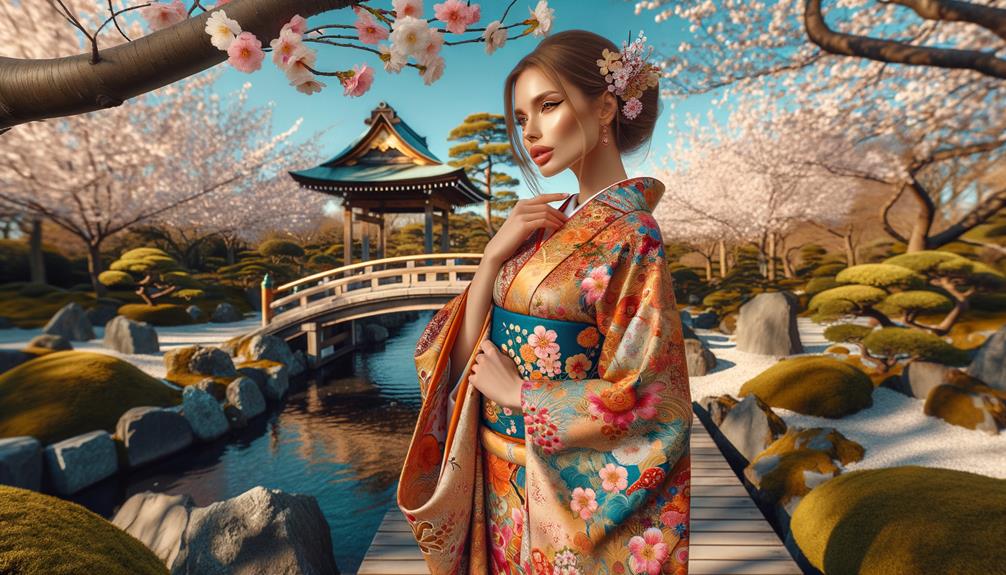
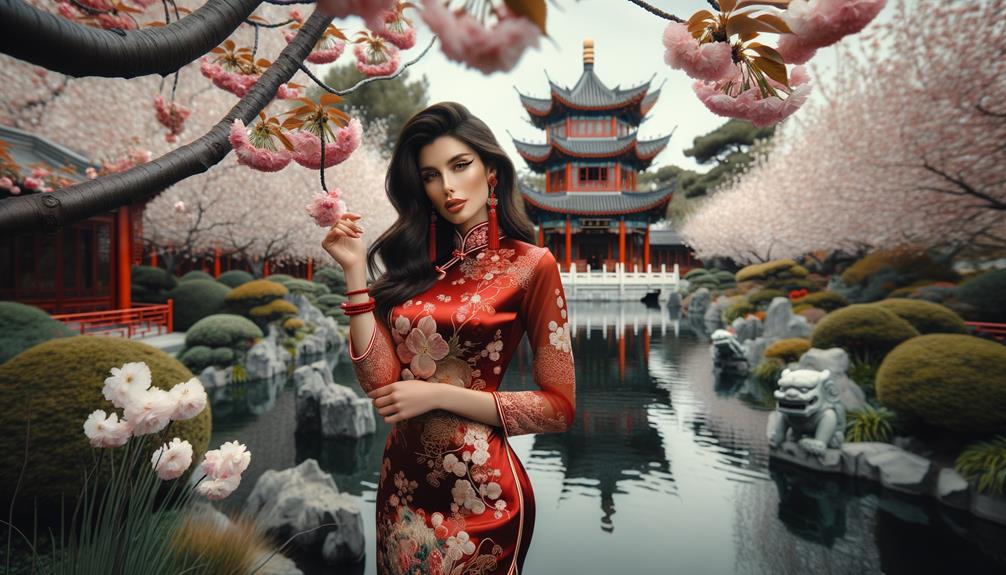
The Ao Dai, a quintessential Vietnamese tunic, offers an elegant blend of tradition and modernity. The high neckline and long sleeves exude beauty and modesty. Made from luxurious materials like silk, it features intricate embroidery and vibrant colors. Historically worn by both men and women, it is now a powerful symbol of Vietnamese identity. Whether at weddings, festivals, or formal events, wearing an Ao Dai is an embrace of a long heritage of elegance and artistry. The fusion of traditional styles with modern twists makes it a living, evolving tradition. There is much more to explore within these delicate folds.
History of the Ao Dai
The Ao Dai‘s evolution from traditional Vietnamese attire to a cultural symbol is a remarkable journey, a blend of history and modernity. Initially, both Vietnamese men and women wore this tunic, reflecting a shared cultural heritage. Its close-fitting design paired with wide-legged pants was practical yet elegant, a balance that still resonates today.

The Red Dao women’s traditional clothing showcases intricate embroidery and vibrant colors, much like the modern Ao Dai. Their influence is evident, as the Ao Dai incorporates these elements, honoring the past while embracing the present. The Red Dao’s detailed craftsmanship and use of bold hues have certainly left a lasting imprint on Vietnamese fashion.
In contemporary times, the Ao Dai is a symbol of Vietnamese identity. It is more than attire; it is a narrative of cultural evolution. Worn during weddings, festivals, and formal events, the Ao Dai connects the past with the future. As designers introduce modern twists, each Ao Dai remains a tribute to its deep heritage. This tunic, in its elegant simplicity, tells a story of tradition and transformation.
Design and Fabric
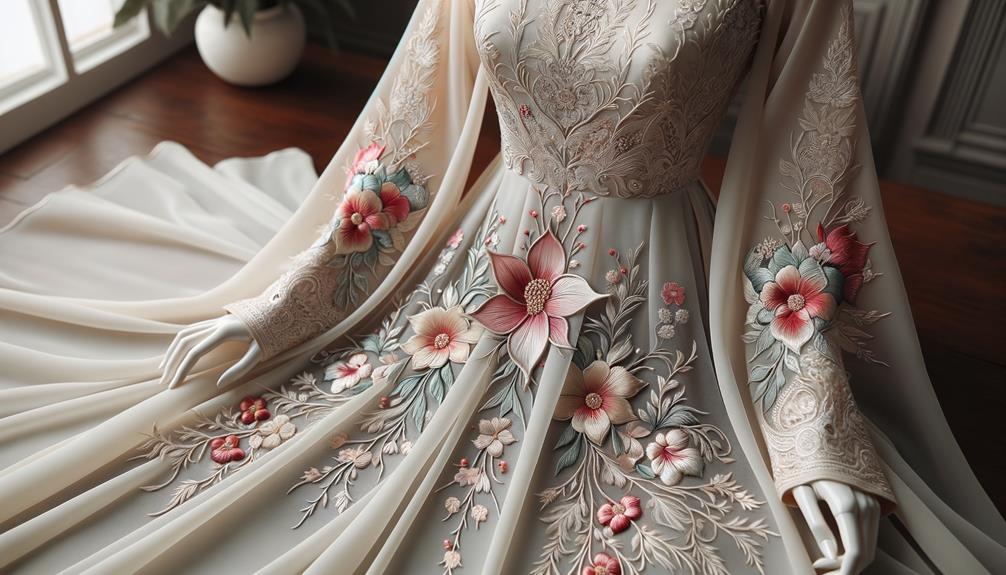
The Ao Dai‘s elegant design, featuring mandarin collars and tapered sleeves, embodies the essence of Vietnamese culture. This traditional garment blends old and new elements, striking a careful balance. The flowing tunic, often adorned with intricate embroidery, drapes over the body, paired with wide-legged pants that add understated elegance.
The choice of fabrics carries a lot of weight. Traditionally, luxurious materials like silk, polyester, and cotton gauze are used, each adding a unique texture and feel to the Ao Dai. Silk, with its lustrous sheen and fluid drape, lends a regal air. Polyester ensures durability, while cotton gauze provides breathability, a necessity in Vietnam’s humid climate. Embroidered brocade adds a rich, tactile dimension, making each Ao Dai truly one of a kind.
While the tunic often features vibrant reds and golds, symbolizing good fortune and prosperity, the pants typically remain a plain white, creating a striking yet harmonious contrast. This design choice highlights the tunic’s intricate patterns and colors, making it the focal point of the dress. Detailed yardage charts help anyone, including those requiring plus-size Vietnamese attire, select the right fabric and measurements and achieve a clean fit.
Cultural Significance
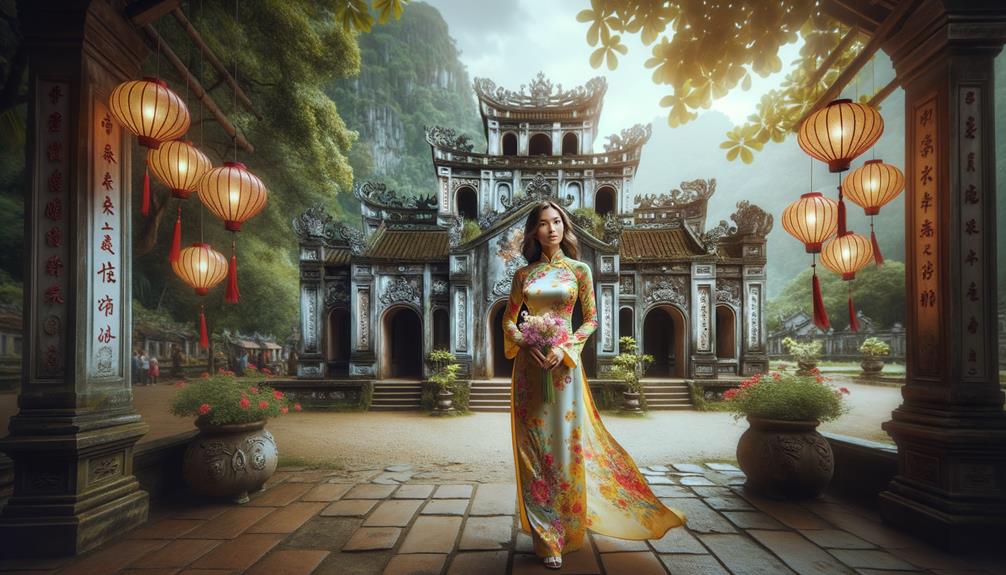
In Vietnamese culture, the Ao Dai is an enduring symbol of elegance and national pride. It is more than a garment; it is a statement of identity. The flowing lines of the Vietnamese ao recall its deep roots in tradition. The long tunic, often paired with wide-legged pants, speaks to a long history of craftsmanship. The luxurious silk, intricate embroidery, and decorative patterns show Vietnamese artistry.
The Ao Dai is always present at significant events. At weddings, Tet, and formal gatherings, women wear these tunics, exuding grace and dignity. But it is not just about festive occasions; even in places of worship, the Ao Dai commands respect. The pant for temple wear reflects a sense of reverence.
The Ao Dai is not limited to urban areas. Hill tribe communities incorporate their unique designs, blending tradition with local flair. This adaptability deepens its cultural significance. The Ao Dai, in every stitch and fold, embodies Vietnamese heritage, joining past and present. It is a poignant reminder of identity and origin.
Modern Interpretations
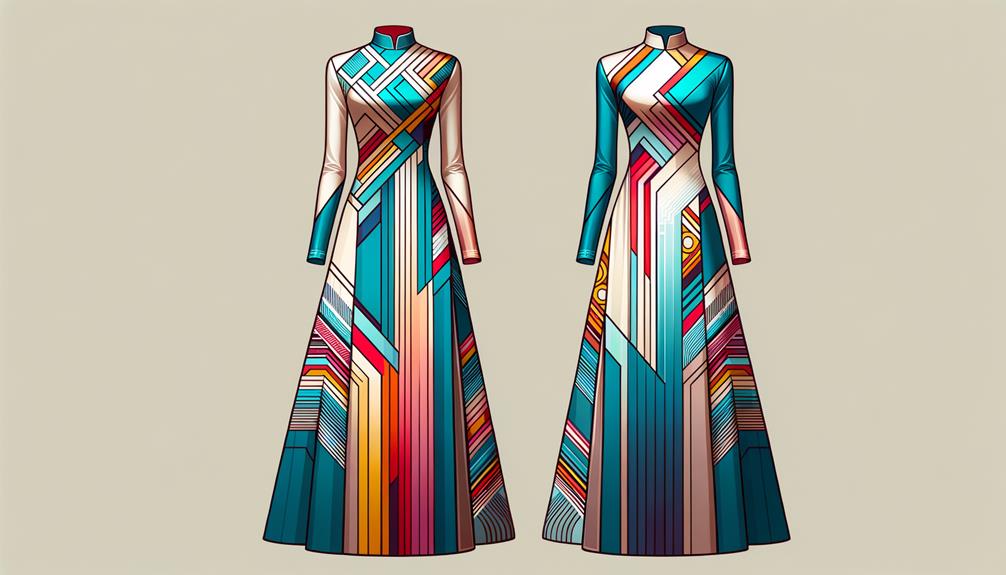
Modern interpretations of the Ao Dai often blend traditional Vietnamese styles with modern elements, creating a garment that honors cultural heritage while embracing fashion-forward thinking. The fusion of classic designs with contemporary fabrics and cuts allows for a high degree of customization, making each piece uniquely personal.
Designers are experimenting with different materials, cuts, and embellishments, crafting fresh takes on this iconic attire. This approach innovates while respecting the essence of the Ao Dai. The modern Ao Dai can be styled for various events, from casual outings to grand celebrations, showing its adaptability.
These modern interpretations uphold a piece of Vietnamese identity while embracing the future. They join the past and present, offering a timeless yet contemporary appeal.
Here is a breakdown of traditional elements fused with modern twists:
- Traditional silk fabric is now often paired with mixed materials.
- Classic cuts have given way to asymmetrical hems and modern silhouettes.
- Embroidery has made way for digital prints.
- Earthy tones have been replaced with bold, vibrant colors.
- Long sleeves are now optional, with sleeveless designs gaining popularity.
This modern take on the Ao Dai celebrates Vietnamese cultural heritage while embracing innovation and creativity.
Wearing the Ao Dai

Slipping into the Ao Dai brings a sense of tradition and pride. The tunic, with its form-fitting design over wide-legged pants, feels like a connection between the past and present.
The intricate embroidery and vibrant colors on the fabric, often silk or brocade, make each piece unique and a work of art. The high neckline and long sleeves showcase beauty while maintaining modesty. The elegance and grace embodied by the Ao Dai are unmistakable, especially during special occasions like weddings and festivals.
Wearing the Ao Dai in the DienBien area, where tradition runs deep, adds another layer of significance. Both men and women wear variations of this tunic. Women’s versions, often more elaborate, show the craftsmanship involved. Every detail, from the stitching to the fit, speaks to Vietnamese culture.
Wearing the Ao Dai is more than putting on a garment; it is participating in a living tradition. It is a statement of identity and a celebration of heritage, joining the old with the new.
Frequently Asked Questions
How Do I Care for and Clean My Ao Dai?
Hand wash the ao dai in cold water, using mild detergent to prevent damage. To maintain its quality, air dry it instead of using a machine. If wrinkles appear, a steamer removes them easily. These simple care steps keep an ao dai in good condition for a long time.
What Accessories Can Be Worn With an Ao Dai?
Pair an Ao Dai with modern accessories that create a striking contrast between traditional and contemporary styles. A pair of sleek earrings, a chic clutch, or a simple yet elegant bracelet can sharpen the overall look. The key is to strike a balance, ensuring each accessory complements the Ao Dai without overpowering it.
Are There Any Famous Designers Known for Their Ao Dai Creations?
Famous designers like Minh Hanh and Thuan Viet have redefined traditional garments. They blend cultural heritage with modern aesthetics, creating a fusion that honors the past while embracing the present.
Can Men Wear Ao Dai, and if So, What Are the Differences?
Men can wear the áo dài. The main differences lie in the cut and fit; men’s versions are often looser and simpler, exuding a timeless elegance that blends innovation with tradition.
How Do I Choose the Right Size for an Ao Dai?
Take your measurements, noting chest, waist, and hip sizes, and then compare them to the size chart. Consider the fit you are aiming for, whether snug or relaxed. Trying on different sizes helps find the one that fits just right.