A South American poncho is a vibrant textile that embodies the essence of Andean culture. Skilled artisans weave these pieces by hand, using durable llama, warm alpaca, or breathable merino wool. Each poncho tells a unique story, with intricate patterns inspired by nature, spirituality, and community. These garments are more than clothing; they represent identity, craftsmanship, and tradition passed down through generations. Today, ponchos blend traditional techniques with modern style, offering versatile and captivating designs with a broad appeal.
History and Origins
The South American poncho, deeply rooted in Andean cultures, has been a symbol of both practicality and cultural identity for centuries. Originating from the highlands, these ponchos were meticulously handwoven from natural fibers like wool, alpaca, and llama. Each thread told a story, reflecting the intricate patterns and designs unique to the region. The warmth and comfort provided by these ponchos were essential for surviving the harsh Andean climate, making them indispensable garments.

The traditional craftsmanship involved in making a poncho is considerable. The artisans, using techniques passed down through generations, weave each piece with great precision. The work goes beyond protection from the elements; it maintains a connection to their cultural heritage.
Over time, the South American poncho has evolved. While it retains its traditional essence, it has integrated into modern styles. Today’s ponchos blend ancient handwoven methods with contemporary fashion trends, making them a universal symbol of both heritage and innovation. They continue to be celebrated globally, not just for their historical significance, but for their ability to provide warmth and comfort with a timeless elegance.
Cultural Significance
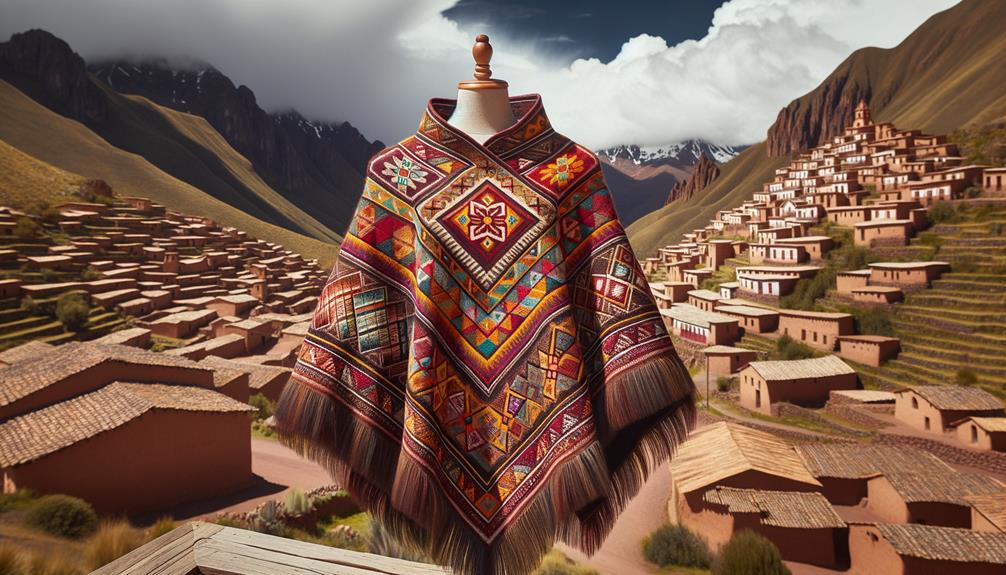
South American ponchos embody a profound cultural heritage, symbolizing the rich traditions and craftsmanship of indigenous communities. Each poncho and cloak is more than just a garment; it’s a narrative woven from the threads of history, spirituality, and identity. Artisans use traditional techniques to transform natural fibers like wool, alpaca, and llama into these versatile pieces, reflecting a deep connection to the land and its creatures. Every poncho carries the essence of its origin.
The designs and patterns on these ponchos hold symbolic meanings that speak to nature, spirituality, and community identity. Colors and motifs are carefully chosen, often reflecting elements from the artisans’ surroundings and heritage. This rich symbolism imbues each piece with a unique story, making it a powerful expression of cultural significance.
The production and trade of South American ponchos play a vital role in preserving indigenous craftsmanship. Supporting fair trade practices helps sustain these traditional techniques and promotes sustainable fashion. Each poncho is a tribute to the resilience and creativity of the communities that craft them, blending functionality with cultural resonance.
Materials and Craftsmanship
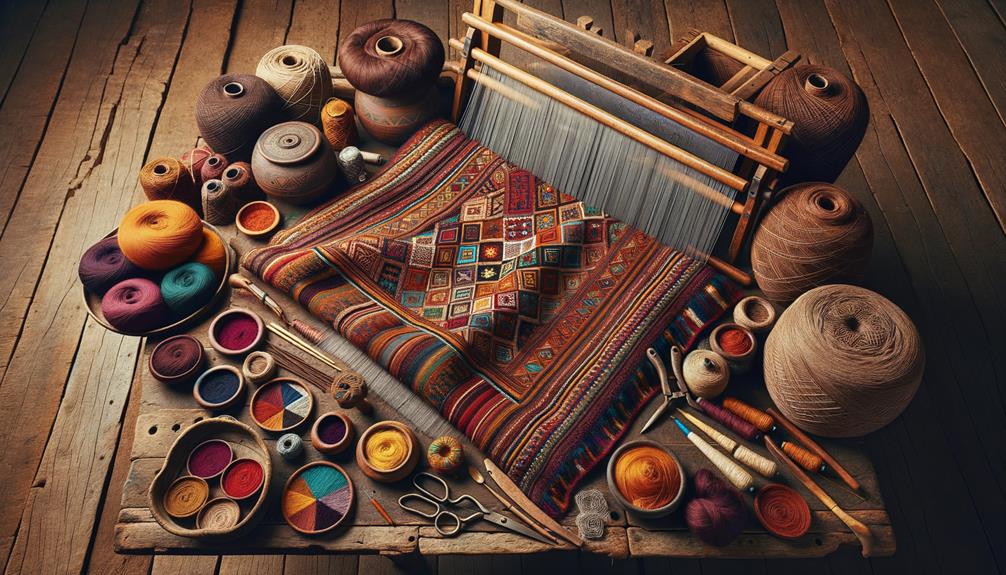
To truly appreciate the cultural significance of South American ponchos, we need to examine the meticulous craftsmanship and natural materials that bring these garments to life. These cloaks are not just garments; they’re intricate works of art, handmade by skilled artisans who infuse each piece with their heritage and expertise.
The materials used are crucial to the poncho’s quality and functionality.
Llama wool is known for its durability and warmth, making for a sturdy, long-lasting poncho. Alpaca wool provides exceptional warmth and a smooth texture, making it a luxurious option. Merino wool offers excellent insulation and breathability, making it perfect for various climates. Traditional yet versatile, sheep wool is a staple in many South American ponchos.
Each poncho, whether a classic cape or a new hooded design, reflects the artisan’s dedication to preserving traditional weaving techniques. The weavers blend these natural fibers with intricate patterns, creating garments that are both functional and aesthetically pleasing. A poncho with these qualities is more than an item of clothing. It reflects the rich cultural fabric of South America.
Design and Patterns
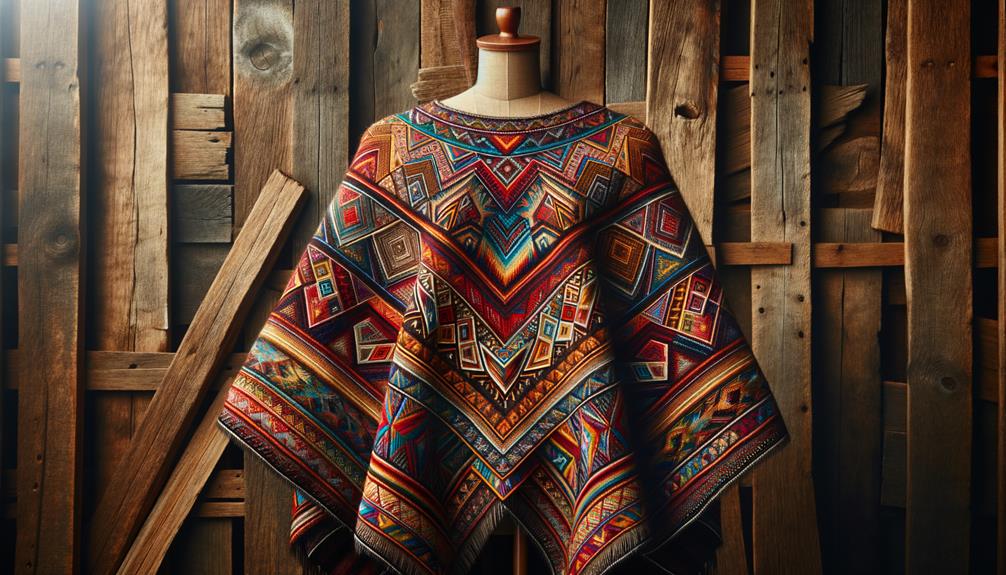
South American ponchos reflect the rich cultural heritage of the region, showcasing intricate designs and bold geometric patterns that tell a story. Each thread, painstakingly woven by skilled artisans, carries the history and identity of the indigenous cultures that created them.
The vibrant colors and symbols that adorn these ponchos hold deep cultural significance, often sharing stories of ancestry and tradition. The design of a South American poncho is more than just aesthetically pleasing; it’s a narrative that weaves together threads of history, culture, and identity.
The exceptional craftsmanship of these ponchos shows the artisanal skills that have been passed down through generations. Each stitch, each thread, and each color choice is a deliberate expression of the artisan’s skill and creativity. While styles, materials, and designs may vary, the essence of South American ponchos remains consistent: a celebration of the vibrant culture and meticulous craftsmanship of the region.
These cloaks show a blend of tradition and innovation that South American ponchos consistently embody.
Modern Uses and Styles
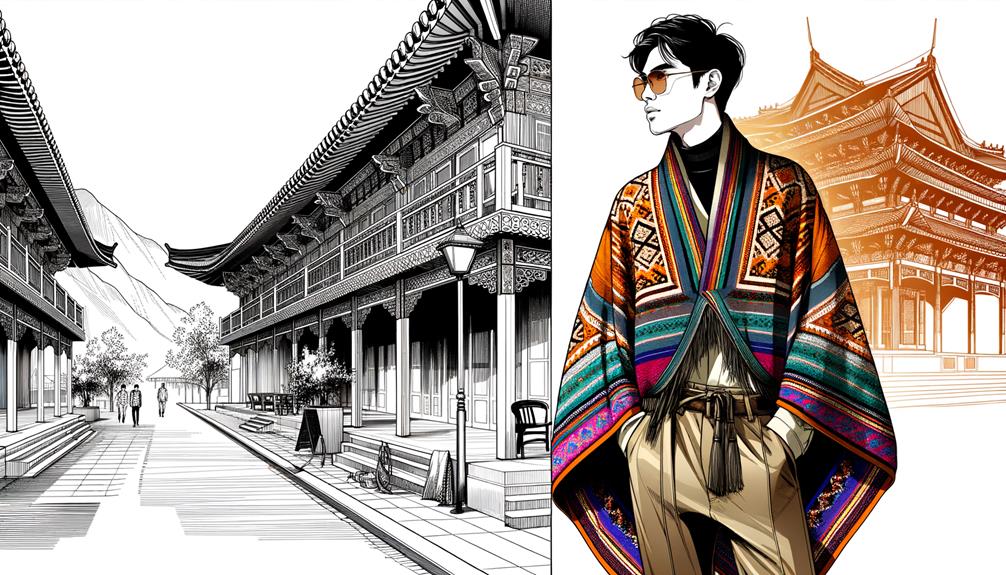
Today, South American ponchos have found a new home in modern wardrobes, blending fashion and function. These artisanal pieces, often sold on marketplaces like Etsy, are statements of cultural significance and craftsmanship. With their handmade construction from wool and intricate traditional designs, ponchos bridge the gap between old-world charm and contemporary style.
The versatility of ponchos is unmatched. There are four modern styles:
Poncho Cape: Effortlessly chic, this style drapes elegantly over the shoulders, perfect for layering during cooler months.
Hooded Poncho: Combining utility with style, the hooded poncho provides additional warmth and a touch of mystery.
Open-Front Wrap: Ideal for a relaxed yet stylish look, this variant offers easy wearability and quick on-off convenience.
Ceremonial Poncho: Rich in cultural significance, these ponchos often feature vibrant patterns and colors, making them suitable for special events.
Modern social media advertisements showcase these ponchos as must-have fashion items. Their unique blend of heritage and contemporary appeal captivates those seeking innovative, artisanal pieces. Whether worn casually or ceremonially, the South American poncho remains a versatile and enduring fashion staple.
Frequently Asked Questions
What Is a South American Poncho?
A South American poncho embodies cultural heritage, weaving warmth and tradition into every thread. It is a versatile, often handmade garment that showcases the artisan’s skill. It blends style, comfort, and fair trade principles into a single piece.
What Is a Peruvian Poncho?
A Peruvian poncho is a handmade garment crafted from alpaca wool, showcasing intricate Andean designs. Its warmth, durability, and versatility make it a unique blend of cultural heritage and practical elegance. Its luxurious feel and the artistry behind each piece set it apart.
What Is the Difference Between a Cape and a Poncho?
Ponchos, with their head openings, offer casual versatility and warmth, which is why they often read as relaxed. Capes, draping from the shoulders, evoke elegance and history. Both protect from the elements, but their character differs distinctly.
What Is the History of the Pancho?
The history of the poncho dates back to South American indigenous communities, such as the Mapuche and Quechua. These traditional garments were originally made from wool or alpaca fibers and featured unique patterns and colors that symbolized a rich cultural heritage.