The Thobe, an Arab men’s robe, has undergone significant changes in design and purpose spanning centuries. This garment, rooted in tradition, manages to stay culturally relevant today. The Thobe transcends mere clothing; it embodies layers of cultural and historical meaning often overlooked. Whether casual daily wear or an intricately embroidered piece for special occasions, each Thobe conveys a distinct narrative. This simple robe’s profound symbolism of identity stems from its representation of Arab heritage and values.
History and Origins
The thobe, known as a dishdasha or kandura, has deep-rooted ties to Arabian Peninsula history and culture. Its origins reveal how this traditional Arab men’s robe endures as both a modest and cultural symbol. For ages, Arab men have worn the thobe, appreciating its simplicity and elegance as an integral part of daily Middle Eastern life.

This robe transcends mere clothing; it represents resourcefulness, designed for the region’s harsh climate. The flowing, lightweight thobe offers comfort while respecting cultural modesty. Though evolving, it remains true to its heritage, a rare blend of innovation and tradition.
The thobe’s background fosters a deep appreciation for its role in Arab culture. More than a garment, it’s a living piece of history embodying the enduring spirit and traditions of the Arab world.
Styles and Varieties
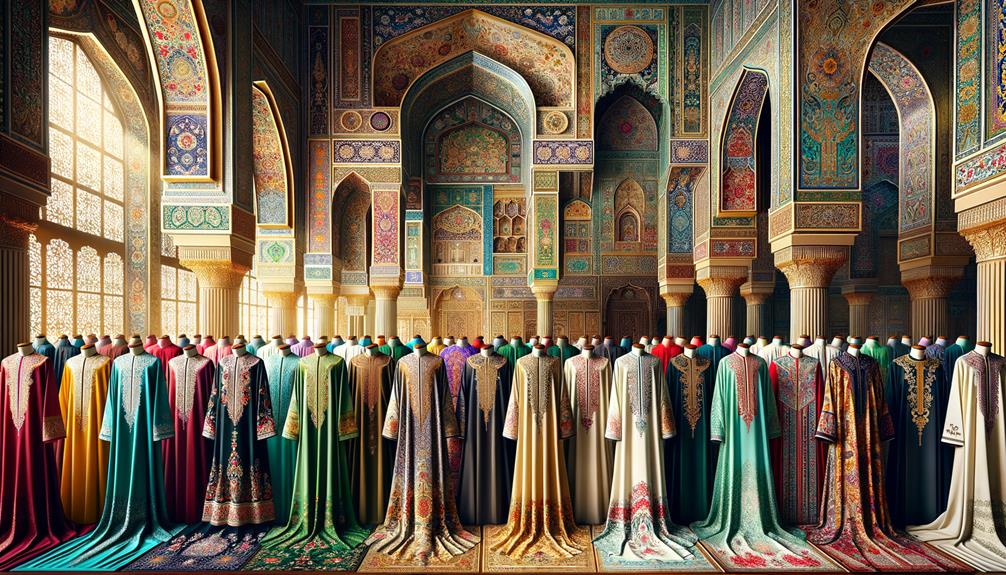
From a storied heritage, the thobe’s evolution and continued significance are worth exploring. The diversity this iconic Arabian garment offers is striking. Classic dishdashas with their long sleeves and flowing lines remain popular for many Muslim men. Yet, kaftans blending tradition with contemporary flair cater to those seeking innovation within Islamic fashion.
Thobes are no longer just about simplicity; they now feature intricate embroidery and elegant cuts suitable for any occasion, whether formal events, daily wear, or special celebrations. Luxurious fabrics like cotton, linen, and silk add comfort and sophistication.
Practicality remains a priority. Many thobes now incorporate handy features like pockets, zippers, and adjustable closures for everyday versatility. The color palette spans classic whites to vibrant hues, accommodating every man’s preference. Each style and variety continues to reflect Arabian and Muslim heritage.
Cultural Significance
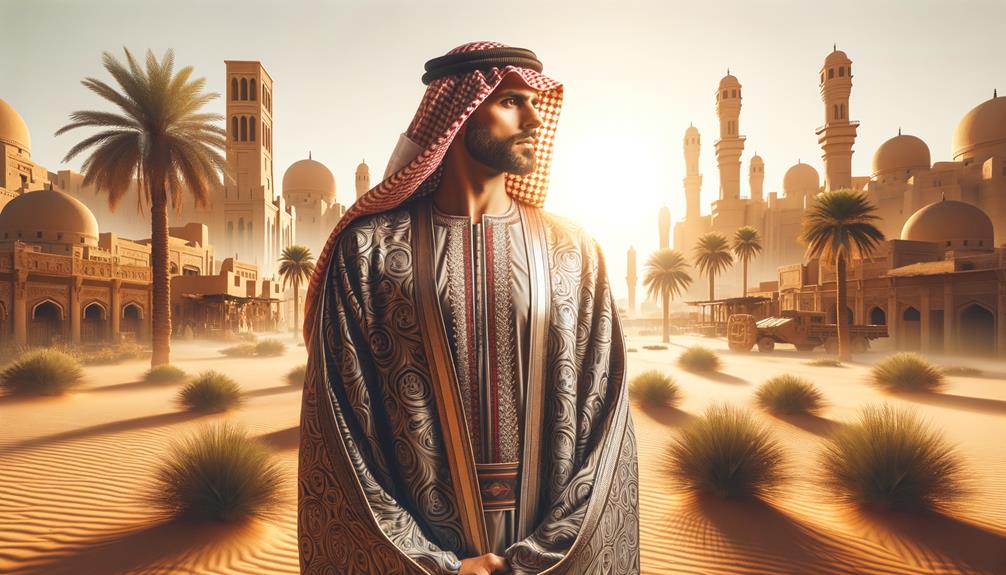
Wearing a thobe goes beyond fashion; it expresses cultural identity and values. Putting on a thobe means embracing centuries of tradition and the rich Arab heritage. The thobe signifies modesty and respect, fundamental virtues deeply rooted in Arab society.
Each Arab region has its distinct thobe style, reflecting the diversity within a shared heritage. Whether at prayers, weddings, or formal events, the thobe serves as a versatile garment that conveys respect for the occasion and for those around the wearer.
The cultural significance of the thobe is evident in every stitch and fold. Its loose-fitting design is about comfort, and it embodies the principle of modesty, a cornerstone of Arab values. The colors and designs can subtly indicate one’s background or status, adding layers of meaning to an already meaningful garment.
In an increasingly innovative world, the thobe shows the enduring power of tradition. Even as styles evolve, its roots remain crucial.
Materials and Fabrics
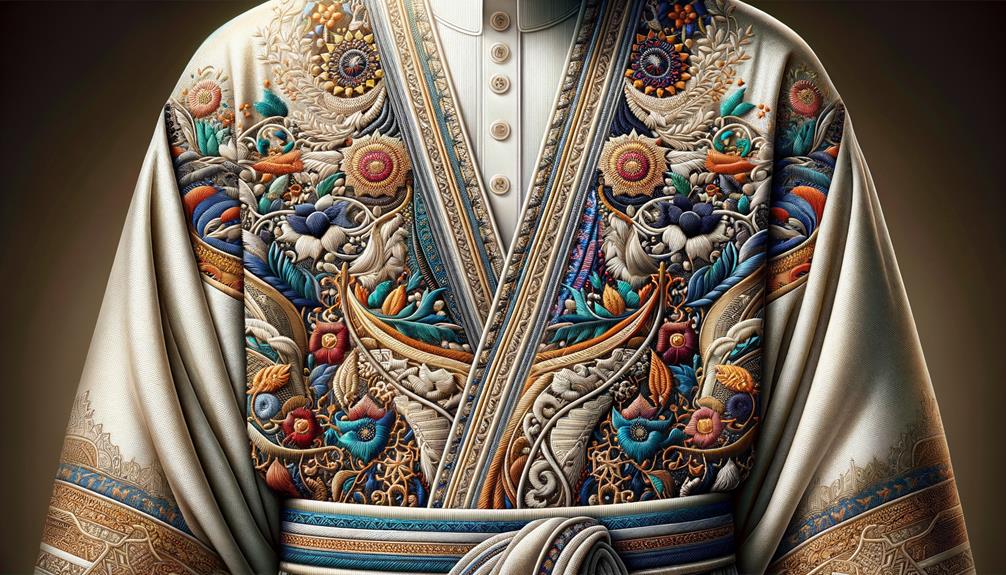
Cotton, linen and polyester blends stitched into thobes are durable and offer year-round comfort. These fabrics fuse tradition with modernity, resulting in stylish yet timeless pieces built to last. Whether stepping into the summer heat or braving cooler temperatures, thobes made from these thoughtful textile combinations ensure effortless elegance whenever a man dresses up.
Traditional Fabric Choices
Thobes woven from cotton, linen, or polyester blends blend classic style with modern convenience. Each fabric caters to different lifestyles and climates. Cotton’s softness and easy care make it a go-to for everyday Islamic garments like long-sleeved thobes, especially in cities like Dubai where fashion meets tradition. Lightweight linen thobes provide breathability, perfect for the Arabian Peninsula’s sweltering heat.
Traditional Muslim attire like thobes and abayas showcase the versatility of natural fibers. Cotton offers lasting comfort through its breathable weave, whether in a thobe or elegant abaya. Linen’s crisp, cooling texture suits hot, arid regions. While more contemporary, polyester blends cater to modern needs with their wrinkle-resistant properties while upholding cultural values.
These fabrics have evolved to meet the diverse requirements of modern Muslim men while preserving their rich sartorial heritage. The choices reflect a blend of practicality and tradition.
Modern Fabric Innovations
Modern fabrics transformed this traditional robe into something exceptionally comfortable for today’s lifestyle. The long-sleeved kaftan worn by Muslim men now uses materials making everyday wear a breeze.
Premium cotton, linen, and polyester blends offer:
- Wrinkle resistance: No fussing over ironing for busy days.
- Breathability: Keeping cool, even in warm climates.
- Moisture-wicking: Staying dry and fresh.
- Softness: All-day comfort against skin.
These fabrics enhance durability and maintenance, ensuring the thobe remains a wardrobe staple for years. Integrating high-quality materials blends tradition with modernity, making it an ideal choice for the contemporary Muslim man.
Seasonal Fabric Preferences
The changing seasons shape thobe fabric choices. Summertime calls for breathable cotton or linen to stay cool during sweltering days. Cotton allows airflow, while linen’s lightweight texture feels breezy against the skin, which is ideal when even a breeze feels warm.
As temperatures drop, polyester blends win out for their wrinkle resistance and durability. These fabrics balance comfort and practicality, keeping a thobe looking crisp after a day’s wear.
Winter demands warmth, so thicker wool and fleece come into play. A long-sleeved woolen thobe shields the wearer from the morning chill, while a fleece lining provides extra coziness on cold evenings. Each material’s unique qualities make the thobe a versatile companion through every season.
Occasions and Uses
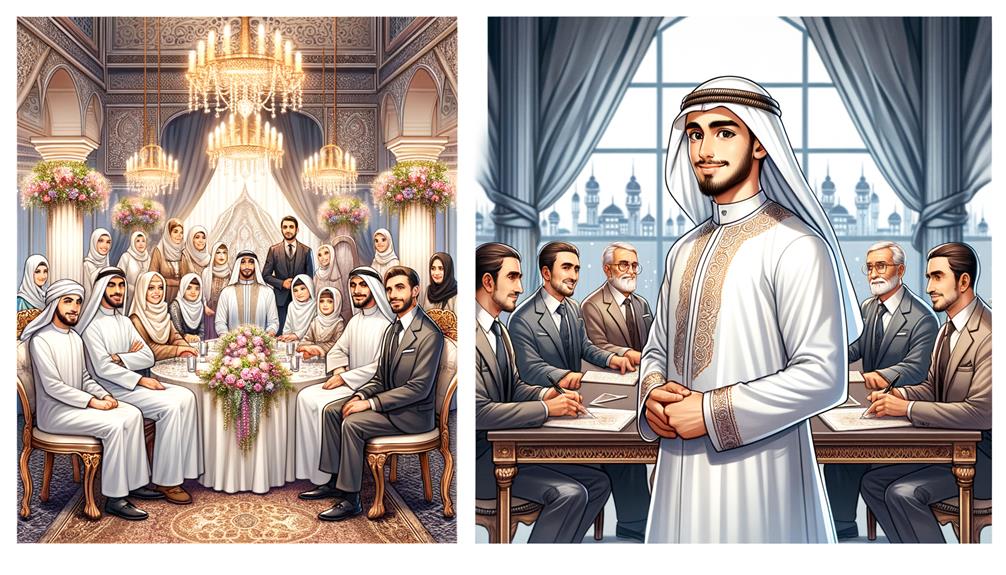
The thobe fits all occasions effortlessly, from celebrations like weddings and religious events to a casual day out. This traditional robe adapts gracefully to different moments. The versatility of the thobe shines through, transcending specific events to become a part of everyday life.
Traditional Celebrations and Festivals
Traditional celebrations and festivals bring out the vibrant thobe garments worn by Arab men. A long-sleeved kaftan thobe carries an authentic connection to its heritage. The thobe, a staple of Arab dress, represents far more than clothing; it is an expression of identity and cultural pride. Whether it’s a family wedding or a national holiday, the thobe jubba adds a special touch to the occasion.
These versatile garments hold significance in various events:
- Eid Celebrations: Islamic robes, adorned with intricate embroidery, symbolize joy and reverence during these religious festivities.
- Weddings: An Arabian bisht elegantly draped over the thobe brings formality and sophistication.
- Cultural Festivals: Thobes sport vibrant colors reflecting the festive spirit.
- Generational Tradition: Passed down through generations, each thobe carries stories and memories.
Wearing a thobe during these moments invites reflection on a rich heritage. Modern designs blend well with traditional elements, appealing to an audience seeking authenticity and innovation. These garments have evolved yet remain strong symbols of cultural pride.
Religious Ceremonies and Prayers
Wearing a thobe during religious events holds deep meaning. This long robe represents humility and commitment to faith. Worn for prayers, the simple elegance centers the wearer’s attention on spirituality.
The thobe is more than traditional attire; it is an outward expression of inner devotion. The flowing sleeves and loose fit ensure ease during worship rituals. Donning this garment connects the wearer to past generations who embraced its modesty.
While the style, color, and fabric vary based on personal taste and occasion, the thobe remains a steady embodiment of faith’s enduring strength. In a rapidly changing world, it grounds its wearer in spiritual values.
Casual and Daily Wear
A thobe for casual wear combines relaxation with cultural identity. On an average day, this adaptable clothing choice fluidly marries tradition and modernity. The long sleeves and loose fit create a comfortable, unrestricted feel while maintaining a modest appearance.
A thobe fits into various everyday scenarios. A few instances where it is particularly fitting:
- Casual Hangouts: Meeting friends for coffee or running errands suits the thobe’s laidback yet refined character.
- Family Get-Togethers: Its comfort and style strike the perfect balance for informal gatherings.
- Cultural Events: Celebrating Middle Eastern heritage feels more authentic in traditional attire.
- Layering: Cooler months allow layering a thobe with other pieces for added warmth and sartorial flair.
The thobe functions as an effortless long garment requiring minimal fuss. It transcends mere clothing; it’s a symbol of cultural continuity and modernity in daily wear for Middle Eastern men.
Modern Trends
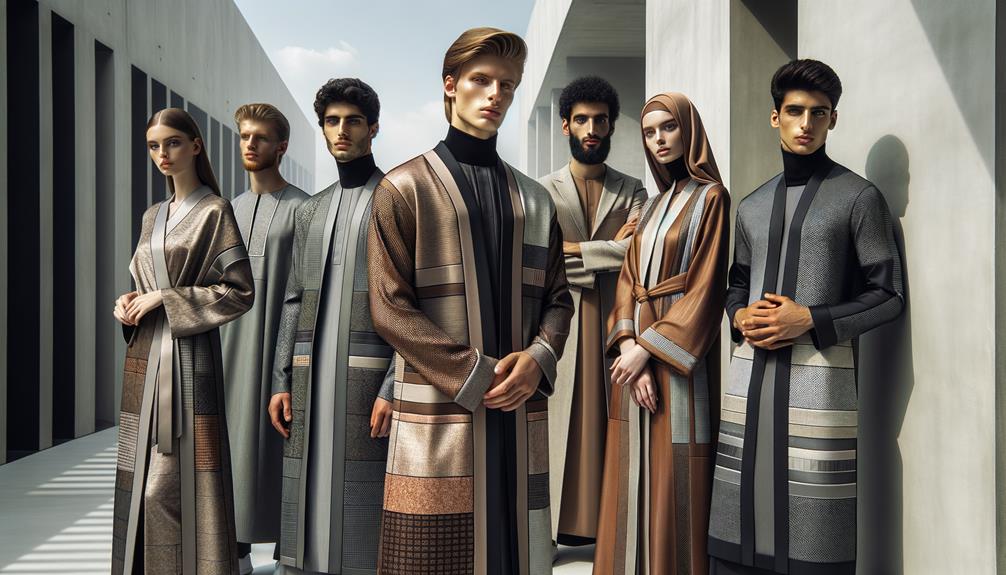
Modern thobes deftly combine heritage with contemporary flair. As men’s thobes evolve, updated cuts and comfy fabrics have revamped this iconic garment. Style-conscious men now seek thobes that honor cultural roots yet embrace modern aesthetics. The long sleeve persists as an Islamic menswear staple, but silhouettes have become more tailored and streamlined.
Today’s Arabian thobes strike a balance between old and new. Crafted from premium materials ensuring durability and comfort, they suit formal and casual settings. The trend favors timeless yet fashionable designs that uphold cultural significance. The contemporary thobe’s versatility allows it to complement diverse wardrobes and appeal to men who appreciate tradition and innovation.
This progression is remarkable, with designers creating pieces both fashionable and respectful of origins. The modern thobe transcends clothing. It is an identity statement, bridging past and present.
Frequently Asked Questions
Can Non-Muslims Wear a Thobe?
People outside the Islamic faith can wear a thobe. Embracing diverse styles through fashion feels empowering. Thobes, not exclusive to Muslims, exude style and comfort, a refreshing addition to any wardrobe.
Why Do Saudis Wear Thobes?
Saudis commonly sport thobes, traditional long robes, due to their cultural significance and practicality. The loose, breathable fabric keeps wearers cool in the desert climate while exuding an air of modesty and simplicity valued in Saudi society. Thobes remain a stylish choice for various occasions, blending cultural heritage with modern sensibilities.
What Is the Meaning of Thobe in Arabic?
The word ‘thobe’ holds deep cultural meaning. In Arabic, it refers to a traditional ankle-length robe, yet it symbolizes far more than attire. It represents identity itself. This garment, steeped in heritage, transcends its material form to embody the cultural essence of a people. What seems like a mere article of clothing carries the weight of shared customs and values woven into its very fabric. Unpacking the significance of the ‘thobe’ is an exploration into the nuances of Arabic tradition, reminding us that language is a bridge to understanding the richness of diverse societies.
What Is the Name of the Arab Men’s Robe?
The thobe or dishdasha, an Arab man’s traditional robe, blends cultural heritage with modern flair. It’s a garment that carries profound meaning within its simplicity.