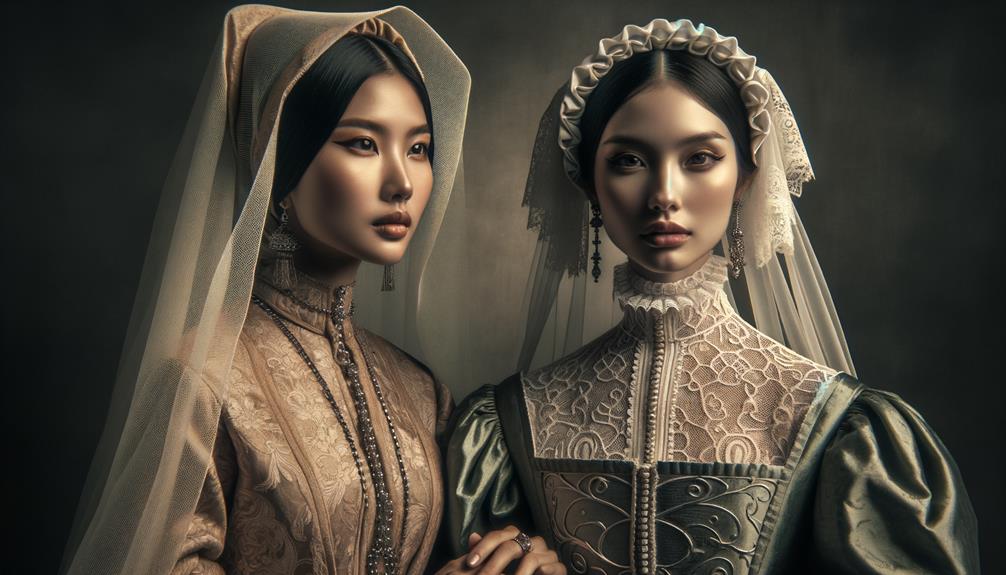
The soft rustle of linen against skin is evocative of a time when medieval chemises were more than just undergarments. These simple, ankle-length garments, with their long sleeves and natural fibers, laid the foundation for an entire wardrobe. They offered breathability and modesty, and served multiple purposes from day to night. Today, they still hold appeal, especially in historical reenactments. The craftsmanship that has allowed them to endure for centuries is remarkable. How did such a basic piece become so integral to medieval life?
Historical Significance
The historical significance of medieval chemises lies in their role as essential undergarments that protected the skin, absorbed sweat, and ensured modesty. A woman in the XIV century would have worn a chemise made from natural linen, chosen for its breathability and lightweight nature. The long sleeves and ankle-length design provided thorough coverage, ensuring both protection and modesty.

These undergarments were not just important; they were versatile. The chemise’s simple design, featuring a square neckline, allowed it to fit under multiple layers of clothing. This was vital for creating an elegant silhouette, especially during the Renaissance when fashion began to evolve rapidly. Even centuries later, the design of these chemises remains largely unchanged, influencing modern shirts, slips, and nightgowns.
The XIV Century Chemise appears in surviving depictions of the period and shows how integral these garments were to a woman’s wardrobe. They were foundational, not just in a physical sense but in setting the stage for future innovations in women’s undergarments. Their simplicity and functionality continue to resonate today.
Materials and Craftsmanship

Craftsmanship of medieval chemises reflects a blend of simplicity and functionality, utilizing natural materials like linen to guarantee durability and comfort. The use of white linen, particularly thin linen, has been a staple for a long time. Its breathability and softness make it ideal for undergarments. Medieval artisans chose flax linen for its strength and ability to soften with each wash, ensuring the chemise remained a trusted garment in a woman’s wardrobe.
Working with thin fabrics like thin cotton or linen required meticulous attention to detail. The chemises’ loose cut and long narrowed sleeves allowed for ease of movement while maintaining a sense of modesty. This careful craftsmanship ensured that each piece was both practical and enduring.
Natural materials like linen or wool were favored not just for their availability but for their ability to protect the skin and regulate body temperature. The choice of these materials reflected the time-tested wisdom of medieval craftsmen. They understood that simplicity of design, combined with the right materials, could create a garment that served its purpose elegantly and effectively. This enduring legacy shows a deep understanding of both form and function.
Styles and Variations
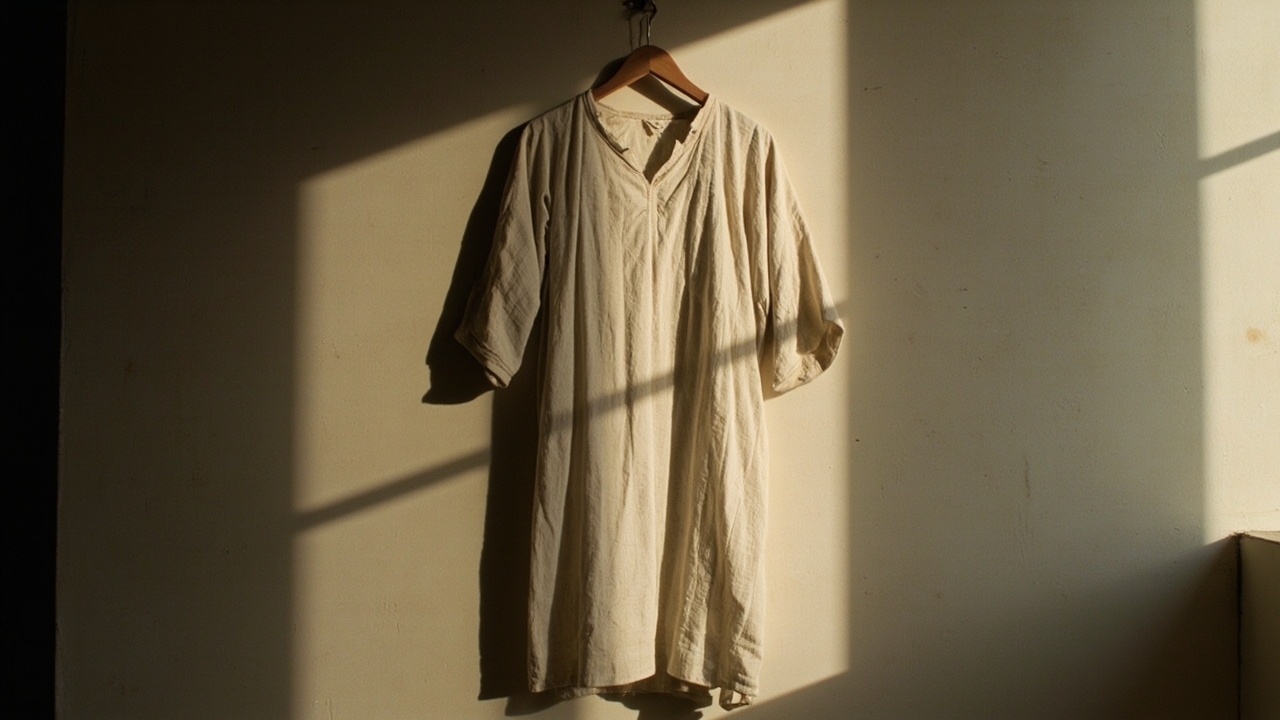
Medieval chemises came in a range of styles to suit various needs and occasions. Each style served a unique purpose, reflecting the wearer’s status or activity. The chemise dress, often made from breathable linen, served as an exclusive undergarment that doubled as a base layer.
The variations included:
Long-sleeved chemises provided warmth and modesty, essential for colder climates. Short sleeves or split sleeves allowed freedom of movement, perfect for more active roles or warmer weather. Tiered sleeves added an element of elegance, making them suitable for higher status or special occasions. Fixed sizes offered practicality and ease, ensuring that medieval underwear was accessible to many.
The versatility of the medieval chemise was evident in its ability to adapt to different needs. Whether for a Renaissance fair or a theater production, the linen chemise was a staple. The Renaissance chemise, with its varied designs, was more than just clothing; it was a statement of authenticity and comfort. Each variation tells its own story, woven into the fabric of history.
Practical Uses

Medieval chemises were more than just a fashion statement; they served practical purposes in everyday life. As a foundational piece of women’s undergarments, chemises provided a layer of protection between the skin and outer clothing. Made from lightweight, breathable linen, they absorbed sweat, keeping the body cooler and more comfortable.
In medieval times, a chemise was a must-have. It offered modesty, which was crucial in the era’s social norms. The soft fabric fit snugly against the skin, reducing friction from coarse outer layers. This was especially practical for women, whether they were doing daily chores or dressing up for special occasions.
The versatility of chemises made them indispensable. They easily transitioned from daywear to nightwear, which speaks to their lasting appeal. The classic design has remained largely unchanged, proving its enduring practicality. Beyond being just underwear, the chemise played a significant role in medieval life, making it an integral part of daily living.
Modern Relevance

Today, medieval chemises have found a new lease on life in historical reenactments and costume events. These garments have stood the test of time. The chemise makes for a perfect base for any historical costume, maintaining its classic design while offering comfort and authenticity.
At Renaissance fairs and in LARP, re-enactors often start with a linen shirt. The appeal is not just the look but the feel. The breathable fabric and timeless silhouette make the chemise indispensable. Chemises crafted from linen, cotton, and silk pay tribute to history’s sartorial elegance.
Consider these points:
- Versatility: They work well for LARP, Cosplay, and Renaissance clothing.
- Comfort: The breathable fabrics ensure ease of wear.
- Authenticity: Classic designs that have persisted through the centuries.
- Adaptability: Available in various sizes with a size chart and undergarment features that can be adjusted.
A chemise is more than just fabric. It is a gateway to another era, an essential element in bringing history to life. For those who crave innovation, the past offers plenty to explore.
Frequently Asked Questions
What Did Medieval People Wear for Underwear?
Medieval people wore practical and comfortable underwear made of lightweight, breathable fabrics like linen and cotton. The loose-fitting designs with long sleeves prioritized comfort and modesty. These ancient designs continue to inspire modern clothing innovations, showing their timeless appeal.
What Is a Chemise in Medieval Times?
In medieval times, a chemise was a fundamental undergarment made from natural, breathable fabrics like linen or cotton. This simple, ankle-length garment served multiple purposes, protecting the skin, absorbing sweat, and maintaining modesty beneath outer layers.
What Was Worn Over a Chemise?
Most medieval women wore gowns over their chemises. They layered their clothing, adding corsets and bodices for support, and finished off their outfits with surcoats, cloaks, and accessories.
What Was the Name of the Underwear in the Renaissance?
In the Renaissance, people wore a foundational garment called a chemise, which provided comfort and modesty. Made from breathable fabrics like linen, cotton, or silk, it absorbed sweat and protected the skin from outer garments.