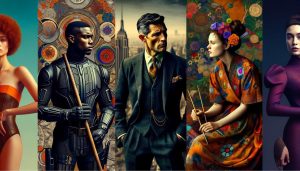
Costume Design

Costume Design

Navigating the Home Buying Process: A Step-by-Step Guide

What Costume Design Involves

Costume design is the discipline behind garments made for a specific character, production, or event. Rather than simply following the body, a costume has to do a job: it has to read at a distance, survive repeated wear, and support the period and social position the character occupies. Articles here cover that process, from research and period reference through pattern cutting to the fit and movement problems that appear once a garment is worn rather than displayed.

From Concept to Finished Garment

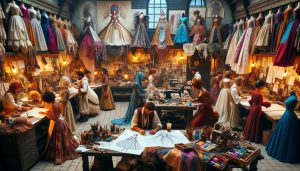
A costume is built from a character’s circumstances. A servant’s linen and a courtier’s silk differ not only in cloth but in how they are cut, how quickly the character has to move in them, and how much wear they will take. Design work therefore begins with reading the script or brief, then research into the period, then a series of fittings where the garment is adjusted to the performer who will wear it. What emerges is usually a garment that has been rebuilt at least once.
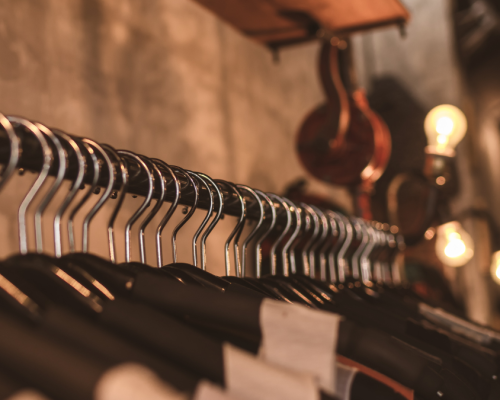
A row of metal hangers holding garments, set against a rustic backdrop with warm lighting, creates a stylish and industrial display.

What This Section Covers

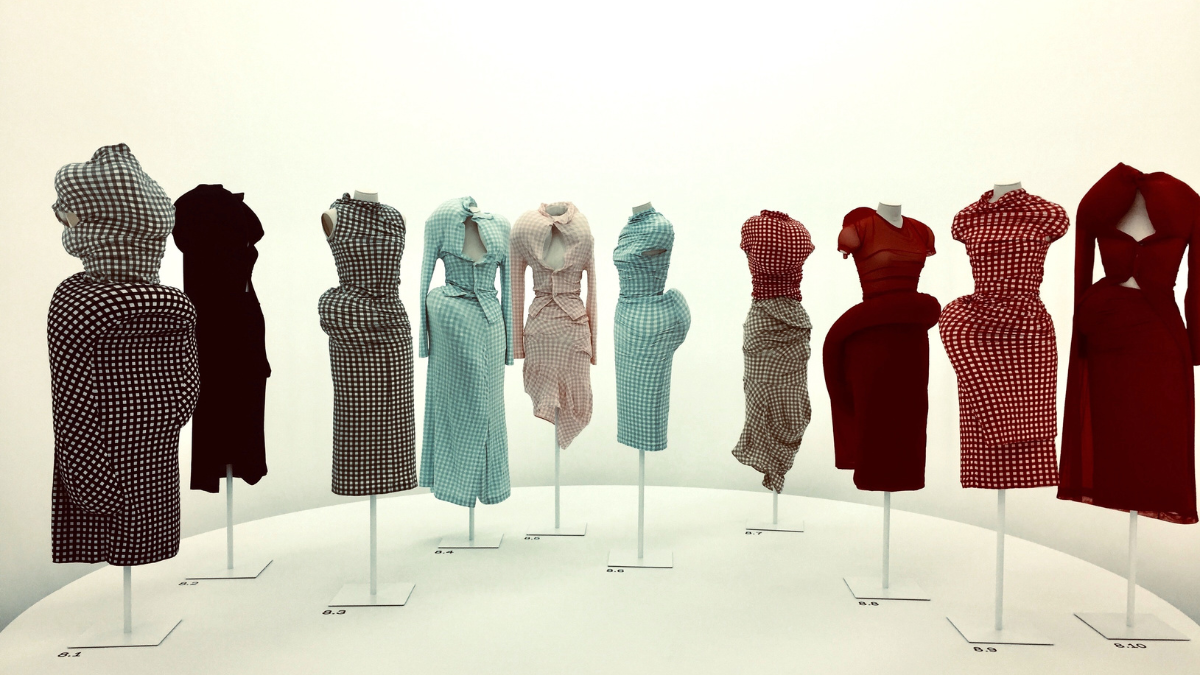
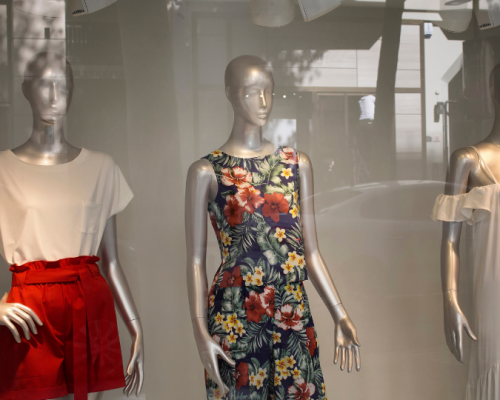
Bold dresses defy form in artistic display.

Custom Costume Design

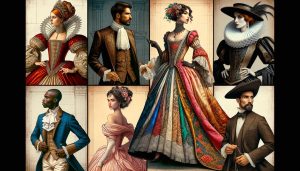
A costume made to a brief begins with the character and the occasion rather than with a style. A period reference is chosen first, then the silhouette, cloth, and trim are selected to match what the character would plausibly have worn. Articles cover how that reference is gathered and how it shapes each decision.
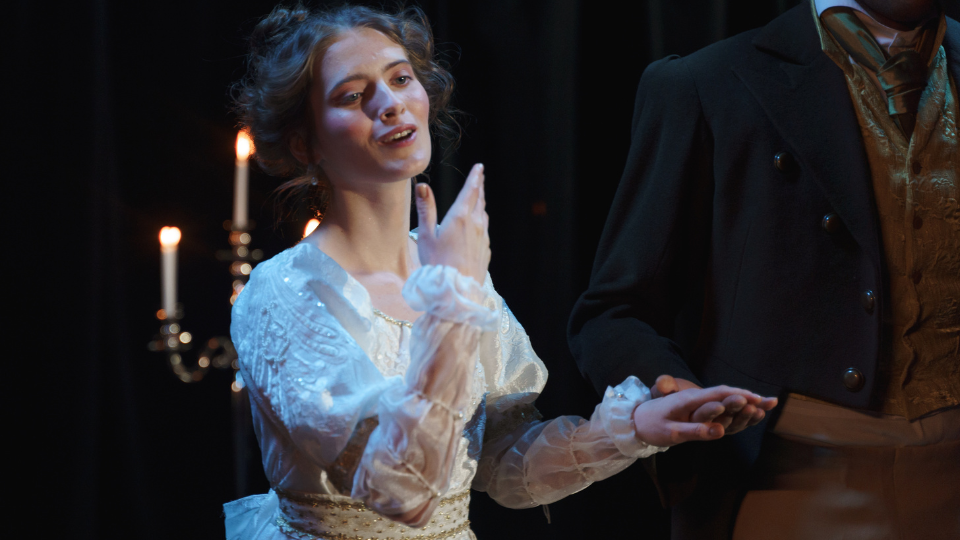
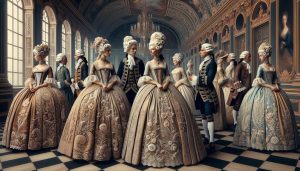
Theatrical Costume Design

Theatrical Costume Design

Costume for a stage production has to carry meaning at a distance and under lighting that flatters almost nothing. Silhouette and color do the storytelling, so articles cover how a production establishes its period and status visually, and how costume departments test a look in the rehearsal room before it reaches the stage.
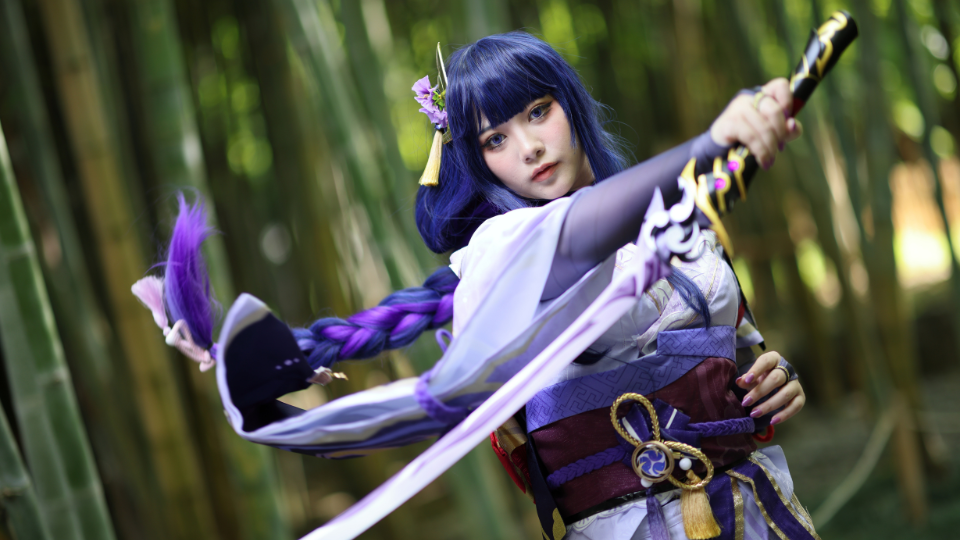
Cosplay Costume

Cosplay Costume Creation

Reproducing a named character means identifying the specific design, not the general period. Articles cover where screen and game designs are documented, which details are original, and which have been altered by later versions, since the version a maker works from changes the costume that results.
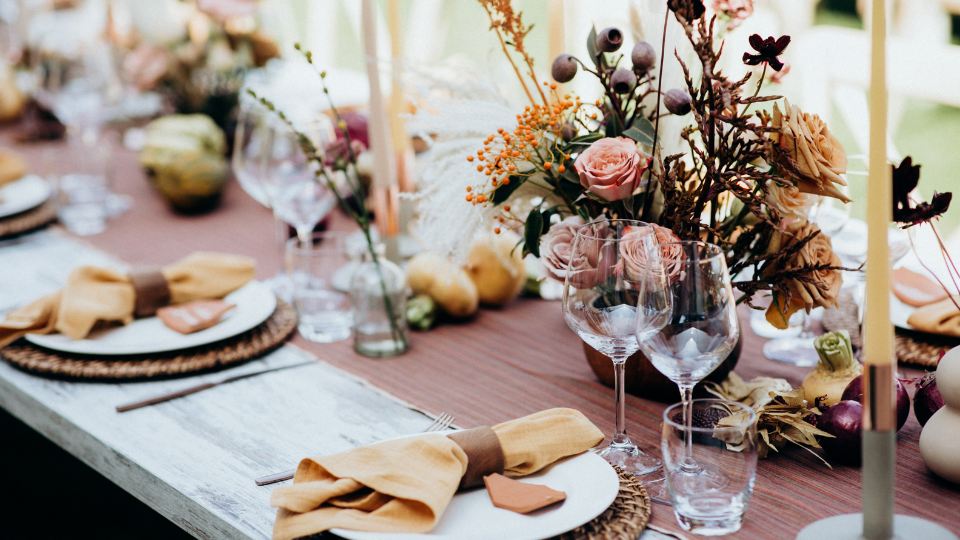
event styling

Event Costume Styling

Costume for a themed event is usually working within a period or a cultural reference rather than inventing one. Articles cover how a theme is researched, how period accuracy is balanced against comfort over a long evening, and how fabric weight and construction are chosen for the wear an event actually involves.
Costume Design in Theatre and Film

Costume design for theatre, film, and television follows the same sequence in each case: research the period, develop a silhouette, cut patterns, build and fit, then alter the garment once it has been seen under stage or camera lighting. Articles here cover each stage, including how costume departments source period-correct cloth and trims today, and how digital alteration has changed what can still be changed after filming.

How Articles Are Researched

A simple, black and white illustration of a traditional clothes hanger.

Sources and Scope

Examples are drawn from documented productions, including costume plots, pattern books, and interviews with designers, rather than from a general impression of what a period looked like. Where a production's own records survive, they are cited, so a claim about how a costume was made can be checked.

A simple, black and white illustration of a traditional clothes hanger.

Construction and Finish

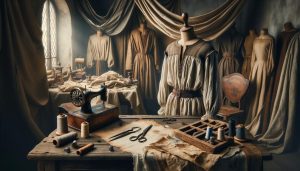
Construction is described in the terms a workshop uses: pattern cutting, seams and their finishes, interlinings, closures, and the trim applied last. These are the details that separate a costume from an earlier style of dress, and they are what surviving pattern books record most precisely.

A simple, black and white illustration of a traditional clothes hanger.

Using the Site

Every topic page links to the articles beneath it, and each article links onward to the production, archive, or collection holding the material discussed. Period and production indexes provide an alternate route when the starting point is a decade or a specific show rather than a garment.

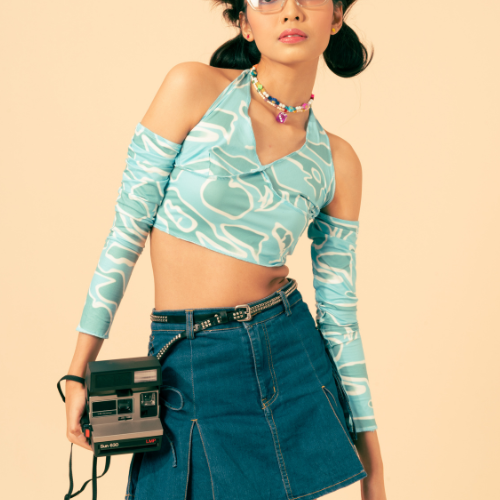
A young woman dressed in a trendy blue patterned top and denim skirt, holding a vintage camera, embodies a playful and nostalgic fashion style.
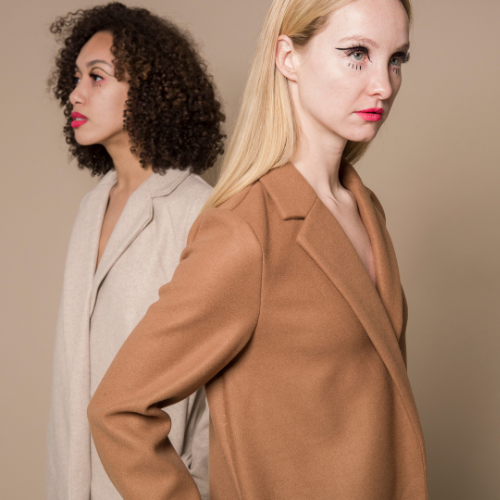
Two women stand back-to-back, showcasing stylish, neutral-toned coats against a plain background.
A simple, black and white illustration of a traditional clothes hanger.

Subject Coverage

Workshop and period vocabulary is explained where it appears, including cutting, fitting, and finishing terms and the period names for garments. Technical descriptions follow the conventions used by costume departments and dress historians, so they can be matched against production records.

A simple, black and white illustration of a traditional clothes hanger.

Related Sections of the Site

Each topic page cross-links to adjacent periods and to the broader conservation and cultural-attire sections, so a reader following one thread can continue into related material without starting over.

A simple, black and white illustration of a traditional clothes hanger.

Access From Anywhere

The articles are published as plain web pages with no login and no paywall, and they can be read on a phone, a library computer, or a desktop. Nothing on the site is downloadable-only.

A simple, black and white illustration of a traditional clothes hanger.

Citations and Images

Production references are cited by production, designer, and year where a record exists, so a photograph of a costume can be traced to the show it was made for. Where an illustration is a modern drawing rather than a photograph, it is labeled as such.

A simple, black and white illustration of a traditional clothes hanger.

Corrections

Where a claim turns out to be wrong, the article is corrected and the change noted on the page rather than silently replaced. Disputes between sources are left visible rather than resolved in favor of one account.

A simple, black and white illustration of a traditional clothes hanger.

Period and Place Indexes

The period and place indexes list every article filed under a century or a region, which is the quickest route in when the starting point is historical rather than thematic.

Two women stand back-to-back, showcasing stylish, neutral-toned coats against a plain background.

Common questions on costume design: how period research is conducted, what a costume department does at each stage, and how a garment is altered after filming. These are answered in the linked articles rather than collected on this page.

What is costume design, and why is it important?

Costume design encompasses the art of creating clothing and accessories to portray characters in various visual mediums such as theater, film, television, and cosplay. Beyond simply dressing characters, costume design plays a pivotal role in storytelling, helping to define characters’ personalities, convey their socio-economic status, reflect historical or cultural contexts, and establish the mood and atmosphere of a production. It serves as a visual language that communicates key aspects of the narrative to the audience, enhancing their understanding and engagement with the story unfolding before them.

How do you approach custom costume design projects?

Our approach to custom costume design begins with a comprehensive consultation process aimed at understanding the client’s vision, the specific requirements of the character or theme, and any logistical considerations such as budget and timeline. We collaborate closely with our clients throughout the design process, offering expertise and guidance while also valuing their input and preferences. Our designers conduct thorough research to ensure authenticity and accuracy, sourcing high-quality materials and employing skilled craftsmanship to bring the costume to life with precision and attention to detail.

 
What factors influence the cost of a custom costume design?

Several factors contribute to the overall cost of a custom costume design project. These include the complexity and intricacy of the design itself, the quality and quantity of materials required to execute the design, the level of detail involved in construction and embellishment, and the time frame for completion. Additionally, factors such as any specialized techniques or technologies needed, as well as any unique logistical challenges, may also impact the final cost. We strive to provide transparent pricing to our clients, taking into account their specific needs and budgetary constraints.

 
Can you create costumes for specific themes or time periods?

Absolutely! Our team of experienced designers possesses the versatility and expertise to create costumes spanning a wide range of themes, genres, and historical periods. Whether it’s a period piece set in the Renaissance, a futuristic sci-fi adventure, or a whimsical fantasy realm, we relish the opportunity to immerse ourselves in the unique aesthetic and cultural nuances of each project. Through meticulous research, attention to historical accuracy, and innovative design techniques, we ensure that every costume authentically captures the spirit and essence of the chosen theme or time period.

 
Do you offer costume design services for individuals or groups?

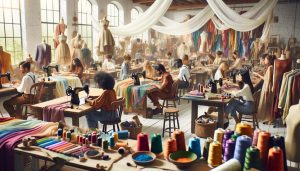
Yes, we cater to both individual clients and groups seeking costume design services. Whether you’re a solo performer in need of a show-stopping ensemble for a special event or a production company requiring costumes for an entire cast, we are equipped to accommodate projects of various scales and complexities. Our team approaches each project with the same level of dedication and professionalism, striving to exceed our clients’ expectations and bring their creative visions to fruition with unparalleled craftsmanship and creativity.


About This Page

This page collects reference material on costume design: how a costume is researched, cut, built, fitted, and altered, and how period reference is used to reach those decisions. Articles draw on documented productions, pattern books, and published research, and note where a reconstruction or attribution is uncertain.

Further reading is linked from the sections above. Questions and corrections can be sent through the contact page.

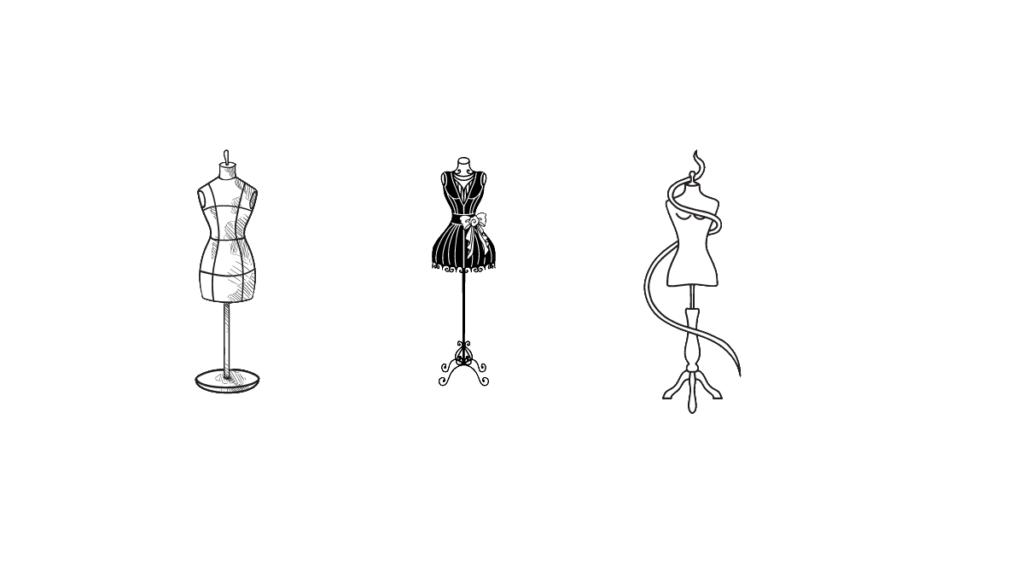
A trio of illustrated fashion mannequins, each showcasing different styles and designs, representing the art of dressmaking and fashion design.
Scroll to Top