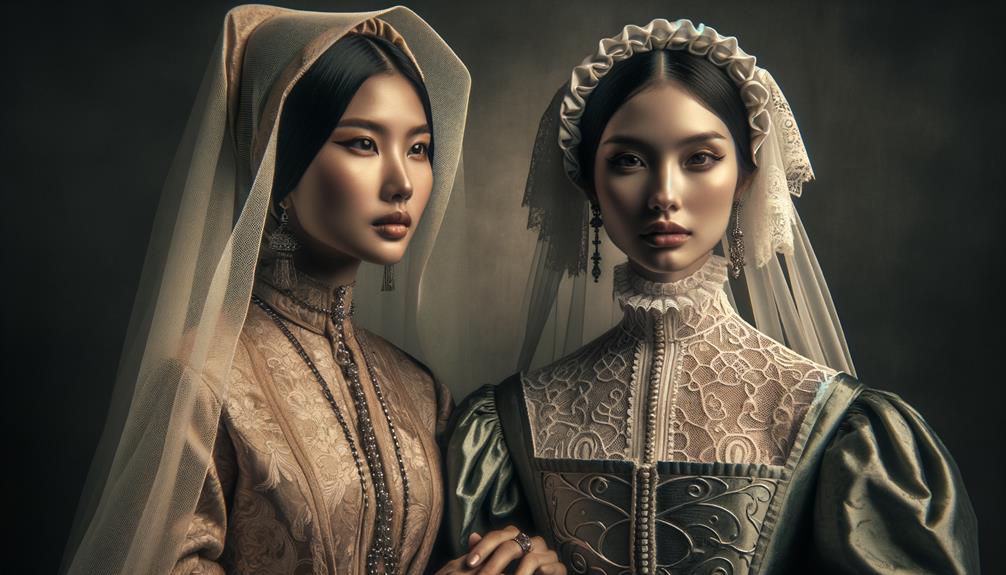
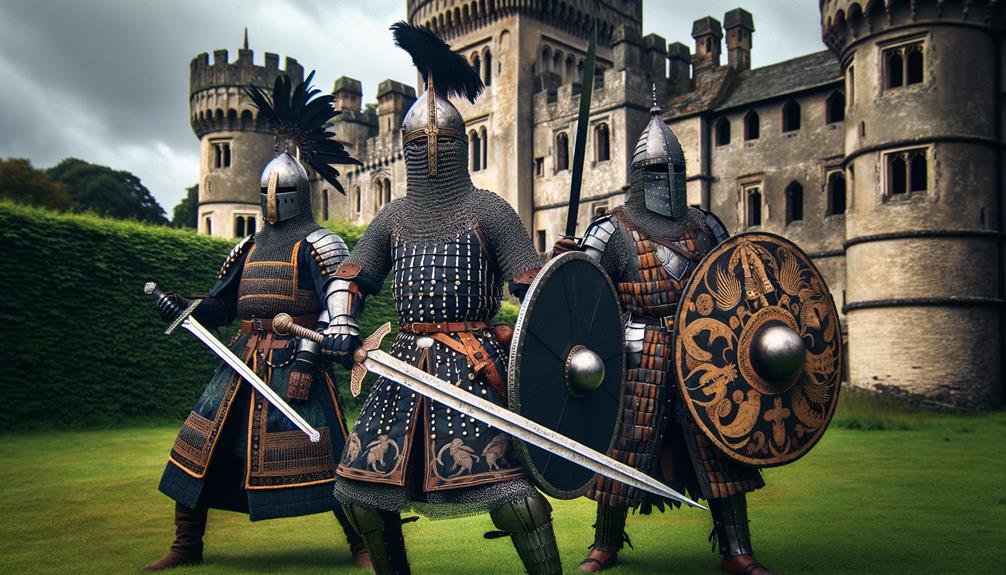
The depiction of fashion in medieval art manuscripts captures societal norms and individual identities in a way that is both readable and revealing. The contrast between the luxurious fabrics and intricate details of noble attire and the plain, practical garments of peasants says a great deal about the era’s social hierarchy. Even the accessories and jewelry carry significance, symbolizing wealth, virtue, and social status. The meticulous artistry and the use of materials like vellum and gold leaf show the era’s exceptional craftsmanship. These images reveal more than clothing: they expose the complexities of medieval life. What do these sartorial choices say about the people who wore them, and what do they show about the world they lived in?
Medieval Court Attire
Medieval court attire includes garments like the cote hardy, pourpoint, and houpeland, which reflect significant societal changes. These pieces, beautifully depicted in illuminated manuscripts, tell the story of evolving fashion in France and Flanders from 1330 to 1515. The cote hardy, a close-fitting garment, and the pourpoint, a padded doublet, show a shift towards tailored elegance. The houpeland, with its voluminous sleeves and ornate designs, embodies the grandeur of the court.
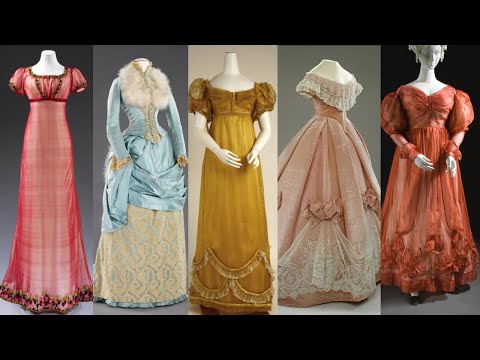
These manuscripts also show how historical events like the Black Death and the Hundred Years War left their mark on fashion. The somber tones and practical designs of these periods say a great deal. Yet a transformation emerges towards the late medieval period, when garments become more fluid and allow freer movement, hinting at a society in flux.
The illuminated manuscripts serve as a window into this world, capturing the essence of medieval court attire. They highlight the societal shifts and innovations in fashion. These garments, meticulously depicted, offer a glimpse into the lives and aspirations of those who wore them, reflecting a time of transformation and adaptation.
Everyday Garments
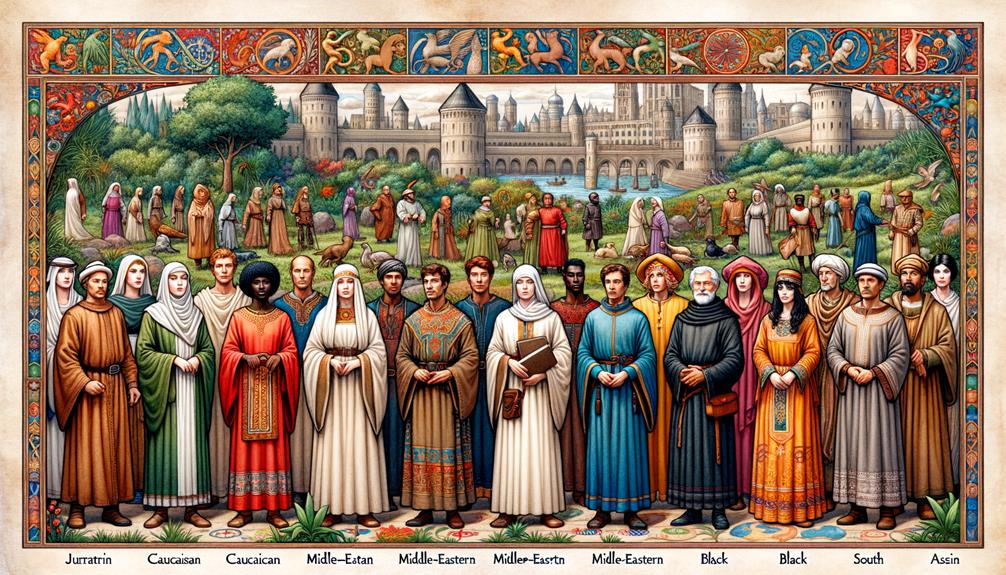
In medieval illuminated manuscripts, everyday garments such as tunics, gowns, and hoods offer a clear glimpse into the practical elegance of medieval life. These depictions of dress provide a window into the Middle Ages, showing materials like linen, wool, and fur. Each detail speaks to the functionality of the garments, highlighting fastenings, layering, and how fabric drapes over the body.
Examining these images, it is clear that fashion in the Middle Ages was a reflection of social status and occupation. The simplicity of a peasant’s tunic, for instance, contrasts with the more decorated gown of a merchant. These variations tell stories of daily life, of work and routine, captured in the strokes of an artist’s brush.
Regional and cultural differences come alive through these manuscripts, showing how different classes adapted their attire to their surroundings. This adaptability speaks to human ingenuity. The everyday garments depicted are pieces of history, woven into our understanding of the past.
Accessories and Jewelry
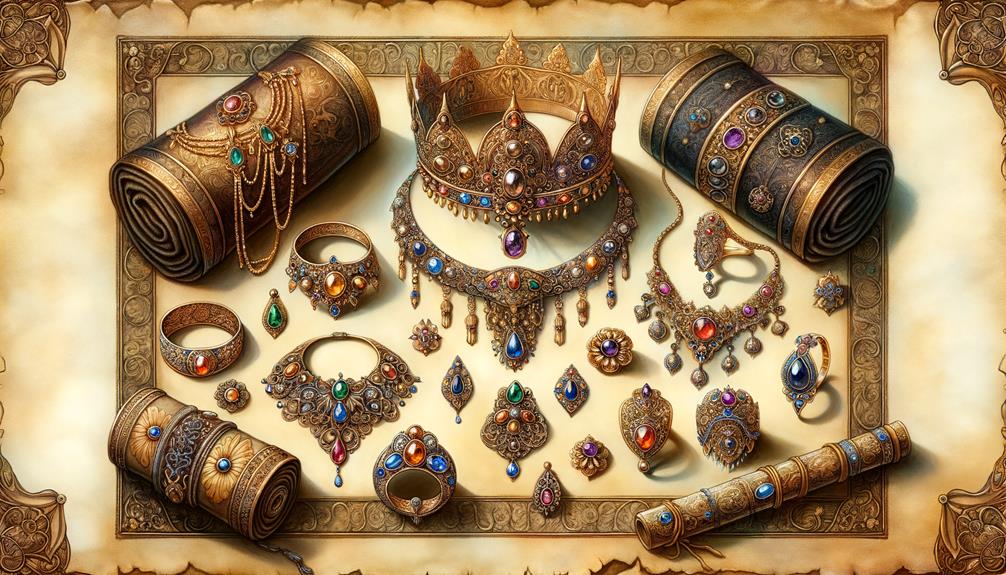
In the world of medieval manuscripts, accessories and jewelry reveal the subtleties of identity and social standing. The intricate details matter in the surviving illuminated manuscripts and surviving costume of the period. The craftsmanship is extraordinary, with each ornament reflecting the wearer’s virtues and social status.
Jewelry of the later 16th century, inspired by these manuscripts, celebrated female leadership and virtue. Her pieces often featured symbols of virgin goddesses and Lucretia, highlighting her moral integrity and strength. This crossing of fashion and manuscript art links past and present, showing that accessories were more than adornment: they were statements of power and identity.
Dr. Nayal’s fashion collection, drawing on British Library manuscripts, brings this historical elegance into contemporary design. At the 2018 Met Gala, attendees such as Ezra Miller wore manuscript-inspired accessories, blending ancient artistry with modern fashion innovation. These pieces show a continuous thread connecting past and present, where accessories and jewelry transcend time. Manuscripts in this light are not simply relics but living inspirations for contemporary fashion.
Symbolism in Fashion
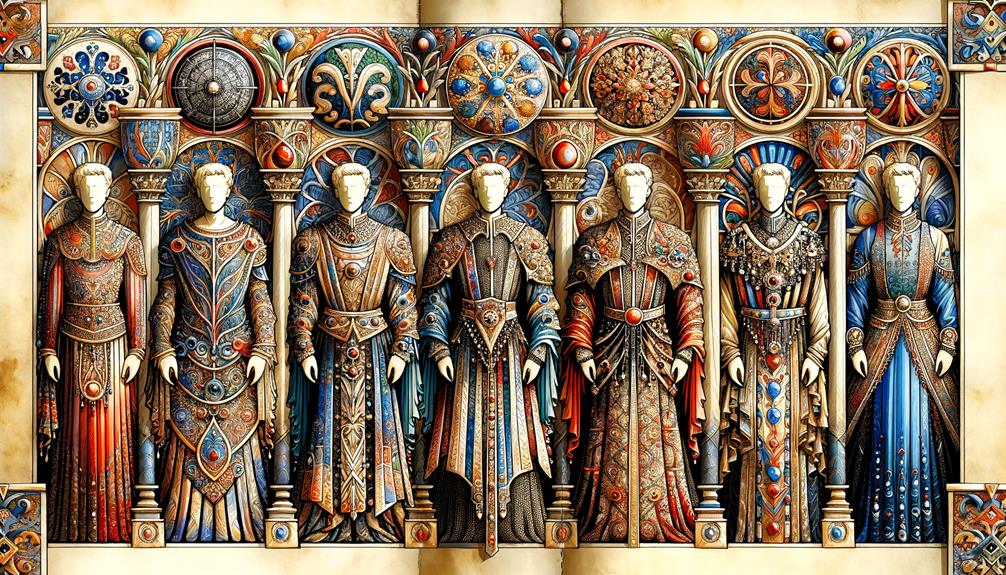
Fashion in medieval manuscripts is a dense system of symbols that reveals the essence of society. Each garment and accessory in these illuminated manuscripts and early works of art tells a story, reflecting the complex layers of social status, profession, and character.
Clothing choices in this period were deliberate, mirroring the societal norms and cultural influences of the time. In these medieval manuscripts, the subtle details in attire add to the storytelling, giving each character a distinct role and identity.
The symbolism in fashion becomes apparent when observing the depiction of wealth through luxurious fabrics and intricate designs. Virtue and moral standing are often signified by the simplicity or modesty of a person’s dress. Even social hierarchy is woven into the fabric, with certain colors and styles reserved for the nobility.
These fashion elements are not merely decorative; they open a window into the values, beliefs, and aspirations of medieval society. Decoding these sartorial symbols gives a deeper understanding of the historical context and the human experience within it.
Craftsmanship and Materials
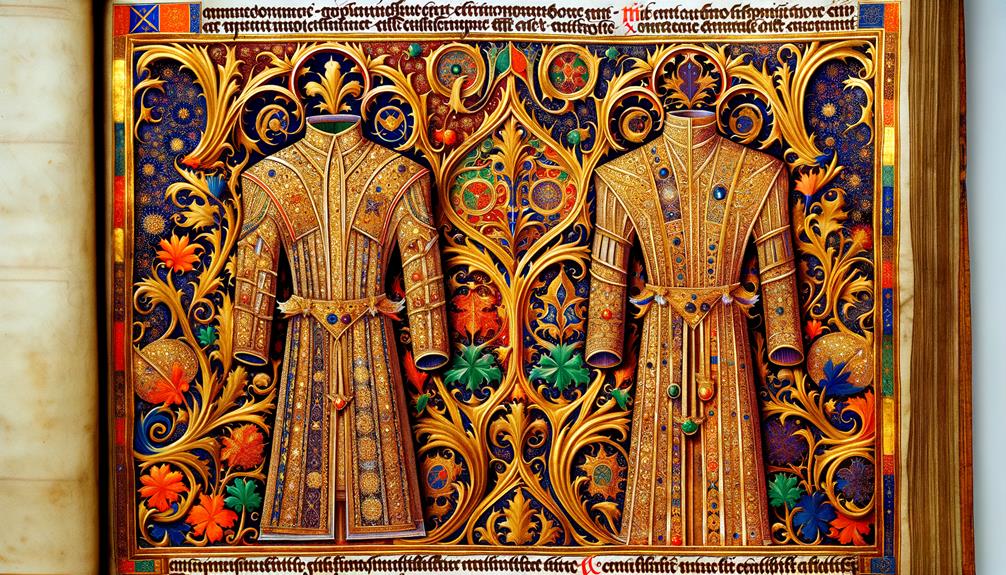
The craftsmanship behind medieval manuscripts shows the meticulous artistry that brought these works to life. The intricate detailing speaks to the importance and skill of the artisans. Each manuscript shows the precision and patience required to illuminate fashion through art.
The materials used were as crucial as the techniques. Vellum and parchment provided the surface, while gold leaf and lapis lazuli added a richness that still dazzles today. These materials were chosen carefully to enhance the visual impact and longevity of the manuscripts. Gold leaf carried meaning as well as beauty, symbolizing divinity and importance and adding layers of significance to the works.
Illuminators played a significant role, painting and embellishing with vibrant colors and intricate designs. Their craftsmanship turned manuscripts into vivid, enduring records of historical fashion. The pigments, such as the deep blues from lapis lazuli, were painstakingly prepared and applied, showing a level of detail that is awe-inspiring.
In medieval manuscripts, the fusion of craftsmanship and materials created masterpieces that captured the essence of their time. These works bridge past and present, illuminating fashion in a way that continues to be studied.
Social Status and Clothing
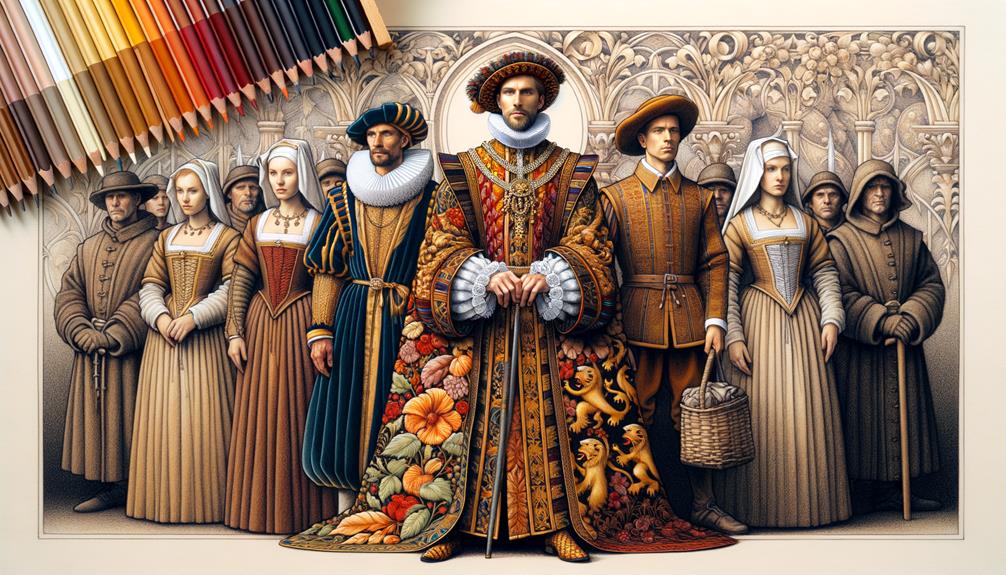
Illuminated manuscripts show how strict social rules governed what people wore. The wealthy elite displayed their riches with lavish attire, while peasant clothing remained humble and practical. The contrast says a great deal about the rigid social hierarchy and class distinctions of the time.
Sumptuary Laws Impact
Sumptuary laws in the Middle Ages reflected and reinforced the rigid social hierarchy through clothing restrictions. These laws dictated who could wear what, from the color of a dress to the type of fabric adorning a person. The aim was to keep the middle and lower classes in their place and stop them imitating the wealthy.
These laws were both a tool of control and, quietly, a spur to evasion. The impact of sumptuary laws on fashion was substantial. They were meant to curb any fashion revolution, yet innovation often finds its way through the gaps.
People found subtle ways to express defiance, perhaps through a slightly richer shade of color or a more luxurious lining hidden from casual view. These small acts challenged the status quo, revealing a yearning for individuality and upward mobility. Similar impulses appear in how fashion continually evolves, pushing against boundaries and redefining identity. In those medieval manuscripts, there is more than clothing: there is a silent dialogue of resistance and aspiration.
Nobility’s Extravagant Attire
Nobility’s attire in medieval manuscripts is a vivid display of social dominance and wealth. The extravagant attire depicted highlights the vast difference between the privileged and the ordinary. Luxurious fabrics like velvet and fur, intricate embroidery, and jeweled headpieces are declarations of power and prestige.
The meticulous details in these medieval manuscripts matter. Each velvet gown and fur-trimmed robe reveals the wearer’s rank. These visual narratives place the viewer in a world where clothing is a potent symbol of social status.
The opulent garments, with their sumptuous textures and elaborate accessories, reflect a life of privilege. The nobility’s fashion choices were a strategic display of wealth as much as personal taste. The jeweled headpieces in particular are striking, shimmering symbols of authority.
In these manuscripts, clothing transcends its materiality, becoming a canvas for expressing societal hierarchies. The portrayal of extravagant attire underscores the nobility’s access to luxury, making their social dominance visually undeniable. Through these depictions, a world comes into view where dress defines power.
Peasant Clothing Constraints
Peasant clothing in medieval manuscripts offers a stark contrast to the nobility’s opulence, revealing a life bound by necessity and constraint. These depictions expose the realities of social status and the medieval social hierarchy. Each illustration shows the simplicity of peasant life through practical clothing: tunics, hoods, and simple footwear.
The materials and designs are utilitarian, often recycled, reflecting a lack of resources. This was about survival as much as fabric. The garments, though plain, show resilience. They carried no embellishments or vibrant colors; they were practical and functional, suited to arduous labor.
This visual record in manuscripts highlights the sharp divide between peasants and the elite. The disparity in clothing underscores the rigid social stratification of the time. While nobles displayed their wealth through extravagant attire, peasants wore their constraints.
These images are windows into the past, showing how deeply clothing was intertwined with identity and status. They also reveal a certain dignity and perseverance despite the constraints. The simplicity of peasant clothing says a great deal about the era’s social fabric.
Frequently Asked Questions
What Is Fashion in Art?
Fashion in art reflects collective style, capturing the character of clothing and aesthetics within creative expression. It mirrors societal norms, cultural influences, and individual identity, serving as a visual record of evolving tastes.
What Are Three Main Fashion Categories?
Fashion in this period can be broadly grouped into three categories: courtly clothing, women’s fashion, and men’s fashion. Each has its own character, driven by evolving styles and cultural influences.
Is Clothing a Form of Art?
Clothing can be treated as a form of art. It goes beyond function, carrying creativity, cultural significance, and personal expression. Each piece tells a story, pushing boundaries and challenging conventions. Fashion is constantly evolving, redefining itself with each new trend and style.
Why Was Fashion Important in Medieval Times?
Fashion in medieval times mattered because it reflected social standing and identity. Clothing symbolized power, wealth, and status. What people wore communicated their position in society, shaping how others perceived and interacted with them.