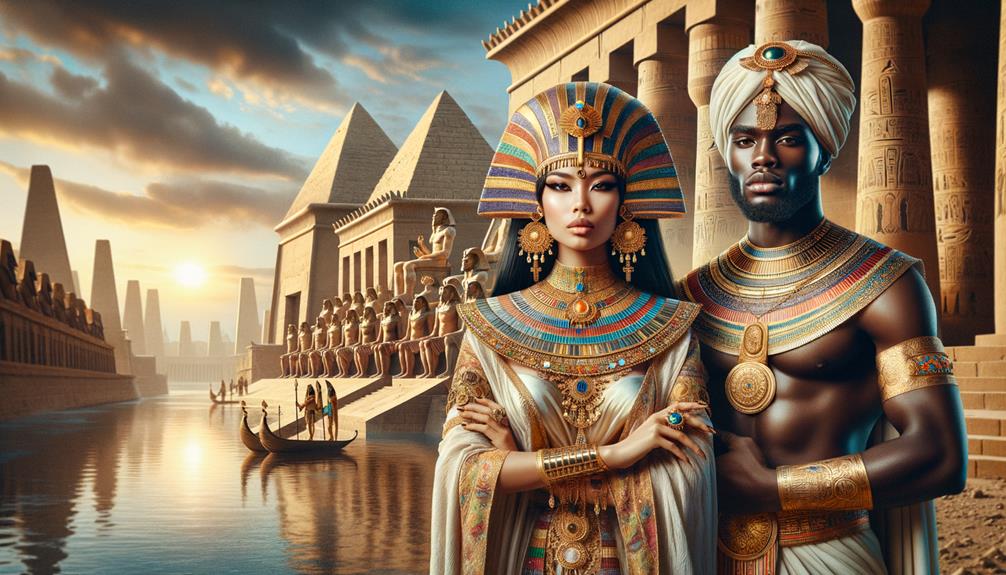
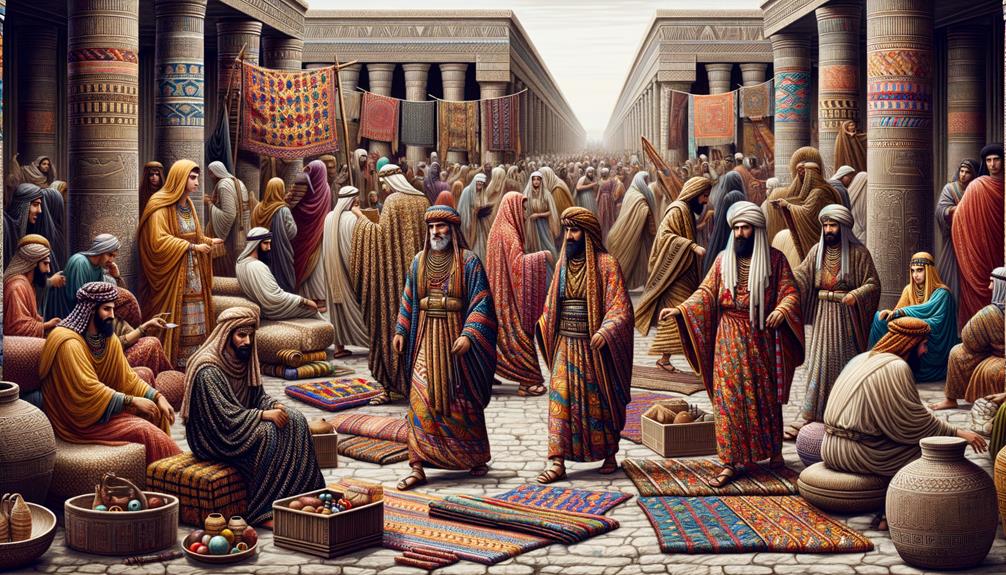
Ancient Persian royal attire is more than just clothing. It is a masterpiece of intricate design and craftsmanship. The lavish robes and tunics acted as a vibrant canvas of colors and patterns that carried the signals of power and heritage. Every stitch held cultural significance, and every piece showed the artistry of the past. Dazzling jewelry and embroidered symbols hint at the stories hidden within those luxurious folds.
Fabrics and Materials

In ancient Persia, royal garments were more than just clothes. They were a poetic tapestry of silk, wool, and cotton, each thread telling a story of power and opulence. These fabrics conveyed wealth and status with an effectiveness few dress traditions matched. Silk flowed like liquid gold, wrapping the royalty in an aura of luxury. Wool, though humble in origin, was transformed through exquisite craftsmanship into masterpieces that provided warmth and comfort without sacrificing style.
Cotton, soft and breathable, served as the canvas for vibrant dyes and intricate patterns, turning everyday wear into extraordinary expressions of artistry. The ancient Persians did not just wear these fabrics; they wove their identities into them. Elaborate gold embroidery and the incorporation of pearls, gemstones, and precious metals turned these garments into symbols of authority and social standing.
Each fabric and material chosen was not merely for its physical attributes but for the stories it told. The craftsmanship showcased in these royal attires reflected not just wealth but a profound sophistication. Through these materials, the ancient Persian royals made their place in the world visible.
Garment Types
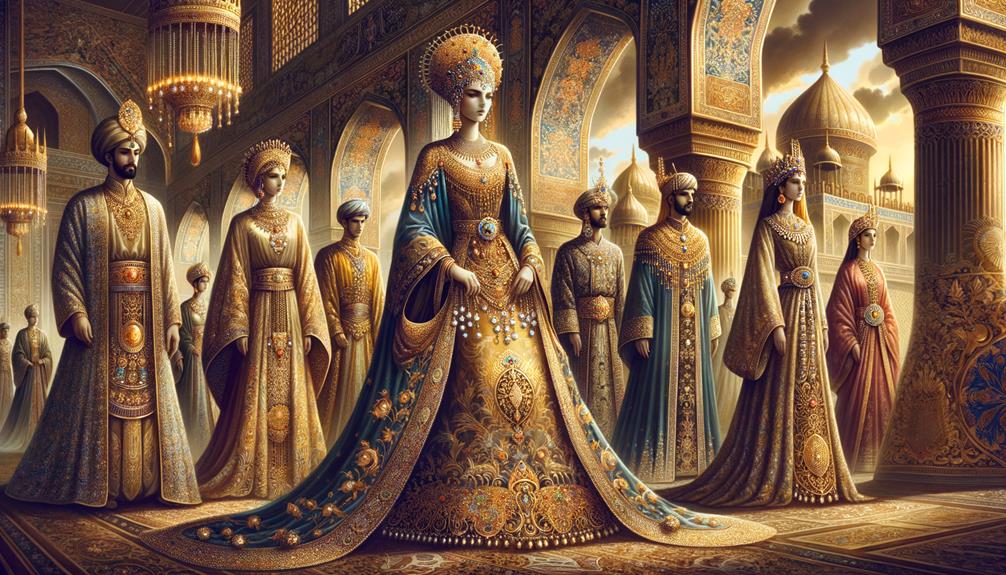
Persian dress was a showcase of opulence, featuring robes, tunics, shawls, coats, and trousers, each crafted to reflect the grandeur and sophistication of the time. The Median Robe, an iconic piece of Persian attire, epitomized elegance with its flowing lines and intricate details.
In the world of Persian Art, the attire itself became a canvas, where the finest silk, brocade, and velvet served as mediums of expression. Tunics and coats were often embroidered with gold, while shawls and trousers bore the weight of pearls and gemstones, shimmering like stars caught in fabric. The craftsmanship was exceptional, each stitch showing the artisan’s dedication.
Each piece of clothing told a story of its own, reflecting the cultural beliefs and historical epochs that shaped its creation. The evolution of these garments reveals a long line of innovation and tradition, woven together.
Colors and Patterns
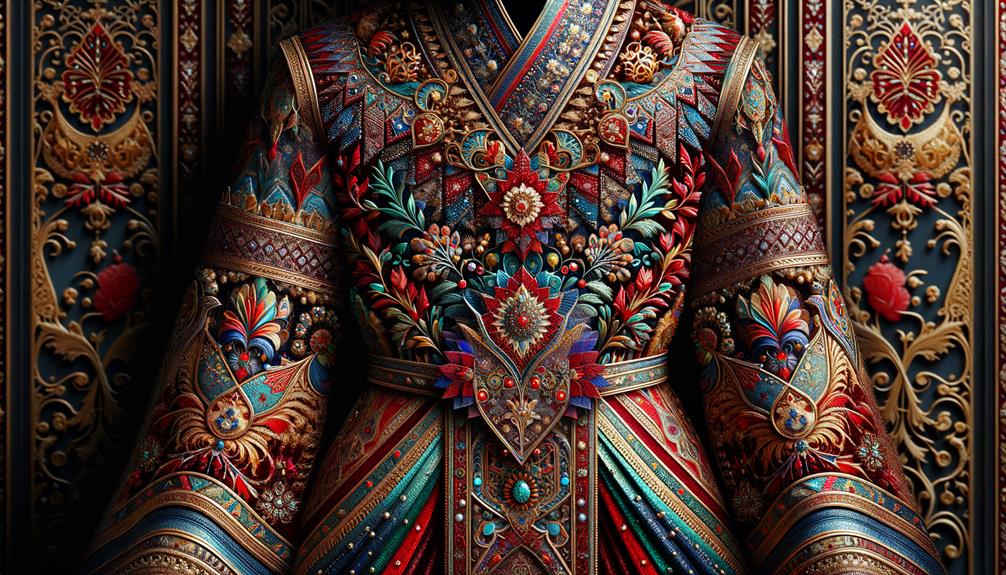
The intricate details of ancient Persian royal attire tell a rich story of grandeur and cultural significance. The vibrant colors and subtle hues that adorned these regal garments did more than please the eye. The palette of browns, greens, blues, reds, and yellows carried symbolic meaning, each color reflecting the wearer’s status and the cultural beliefs of the time.
Intricate patterns drew on nature and Persian miniature art, woven into luxurious fabrics like silk, brocade, and velvet. These designs were not mere embellishments; they showed the artistry and innovation of ancient Persian culture. The complex interplay of colors and patterns created a stunning visual display that spoke volumes about the wearer’s identity and the world they inhabited.
The ancient Persians had a profound understanding of the power of color and pattern. They knew how to harness these elements to convey messages of power, spirituality, and beauty. Those ancient sartorial choices continue to shape what we wear today.
Accessories and Adornments
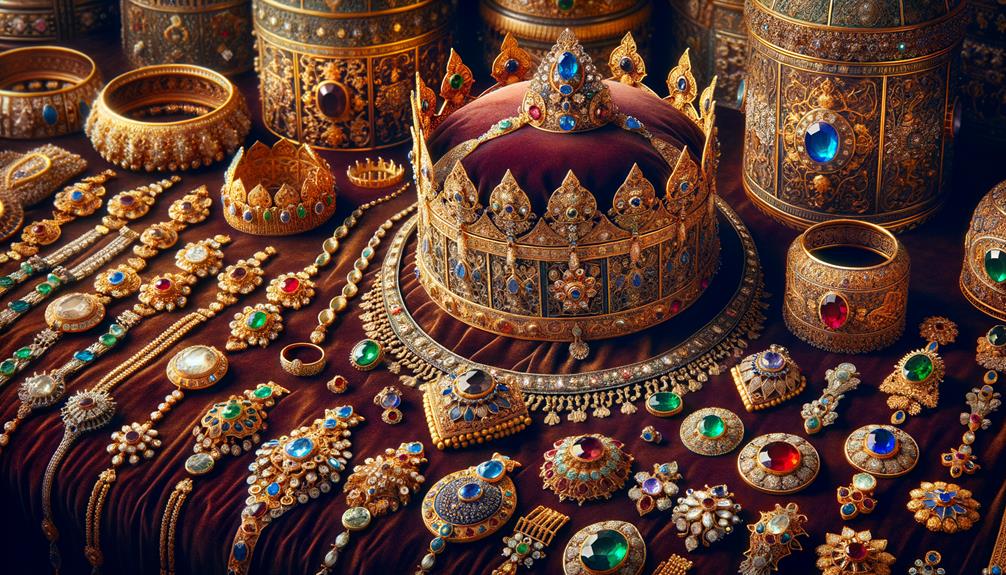
The ancient Persian royal courts glittered with the dazzling jewelry that adorned the nobility. Each intricate piece showed exceptional craftsmanship and opulence. The lavish headpieces, featuring feathers and precious stones, were more than just ornaments; they symbolized power and divine authority. Every jeweled hairpin and embroidered sash seems to whisper stories of grandeur and legacy.
Intricate Jewelry Designs
In the resplendent courts of Ancient Persia, royal jewelry designs told a story of exceptional craftsmanship and majesty. Each piece showed meticulous artistry and whispered tales of a civilization that revered beauty and grandeur. The intricate patterns of gold crowns, necklaces, earrings, and bracelets adorned with gemstones like turquoise, carnelian, and lapis lazuli were not mere accessories; they were declarations of power and elegance.
The delicate filigree work, granulation, and cloisonné techniques transformed precious metals into masterpieces. Each pearl and each gem was carefully selected to symbolize wealth and status, raising the wearer to almost divine heights. The floral designs, animal figures, and celestial motifs were not just decorative; they carried profound meanings, connecting the royal to the divine and the natural world.
The ancient artisans of Persia were visionaries, sculpting gold and silver into forms that captured the essence of their times. Their creations, intricate and long-lasting, continue to inspire, reminding us that true innovation lies in the fusion of function, form, and symbolic meaning.
Symbolic Headpieces Usage
Gazing at the elaborate headpieces of ancient Persian royalty, it becomes clear that these exquisite adornments were more than mere decorations. They were profound symbols of power, divinity, and cultural identity. Each headpiece, adorned with precious gemstones and metals, reflected the wearer’s rank and authority. The craftsmanship is astonishing, with intricate designs and patterns that speak to the era’s exceptional skill.
The symbolism embedded in these headpieces went beyond aesthetic appeal. They were carefully selected to align with cultural beliefs and traditions, each design carrying a deeper meaning. Wearing a symbolic headpiece was akin to claiming a divine connection and wealth, visually representing the wearer’s role within the royal court and society.
These headpieces served as a distinguishing mark, separating ranks and positions within the royal hierarchy. They were not just accessories but integral to ancient Persian royal attire. In their opulence, they embodied the essence of power, heritage, and the right to rule.
Symbolism and Meaning
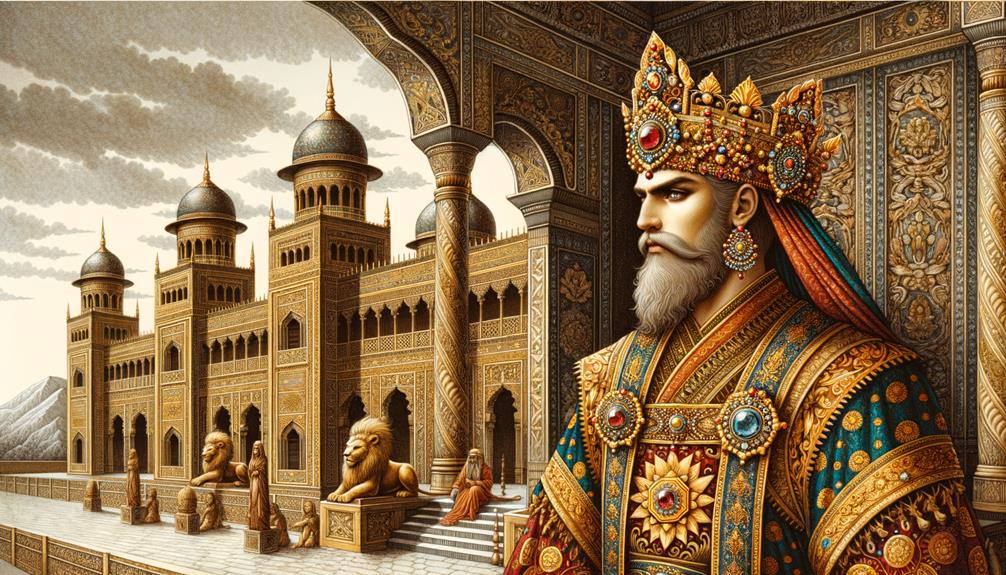
The royal garments of ancient Persia, with their vibrant hues and intricate designs, speak volumes about their hidden meanings. Each color, reserved for the elite, whispered tales of power and divinity, while the elaborate embroidery and patterns exuded a sense of luxury and authority. These elements wove together to reflect the cultural and societal values of their time, offering a glimpse into the lives of the elite and the symbolism behind their attire.
Colors and Their Significance
In ancient Persian royal attire, every hue told a story of power, spirituality, and profound cultural significance. The dress of Persian monarchs, over the centuries, employed a range of vivid and subtle shades to convey their divine right to rule and their connection to the gods. Purple, the color of royalty, draped their shoulders with an aura of unquestionable authority.
Blue, a celestial hue, symbolized the heavens and spirituality, wrapping the wearer in the essence of divine favor. White, pure and unblemished, stood as proof of their divine purity and moral righteousness, silently declaring their sanctified leadership.
Red, vibrant and alive, pulsed with the courage and vitality that coursed through the veins of these ancient rulers. It was the color of their blood, their conquests, their indomitable spirit. Gold and yellow shimmered with wealth and prosperity, each thread in their garments a strand of their vast riches and boundless fortune.
Green, the eternal symbol of nature and growth, signified fertility and renewal. It was more than a color; it was a promise of rejuvenation and enduring life. Each hue in this vivid spectrum was a chapter in the story of an empire that thrived on symbolism and meaning.
Embroidery and Decorative Patterns
In ancient Persian royal attire, intricate embroidery and decorative patterns told stories of power, lineage, and cosmic connection. The delicate threads carried the evidence of each craftsman’s skill. The Faravahar, with its outstretched wings, symbolized divine protection and royal legitimacy. Mythical creatures like griffins and winged bulls adorned the fabric, proclaiming the wearer’s dominion over both earthly and celestial realms.
Each motif carried its own significance, a silent narrative woven in gold threads and gemstones. These were not mere embellishments; they declared wealth and status, carefully curated to reflect the grandeur of the Persian Empire. The meticulous embroidery showed not just aesthetic beauty but also profound cultural symbolism and attention to detail.
Decorative patterns, often inspired by religious beliefs and historical events, revealed the wearer’s noble lineage and cosmic connections. To wear such a garment was to be enveloped in stories of ancient wisdom and power, each pattern a chapter in the epic of Persian royalty.
Influence on Modern Fashion
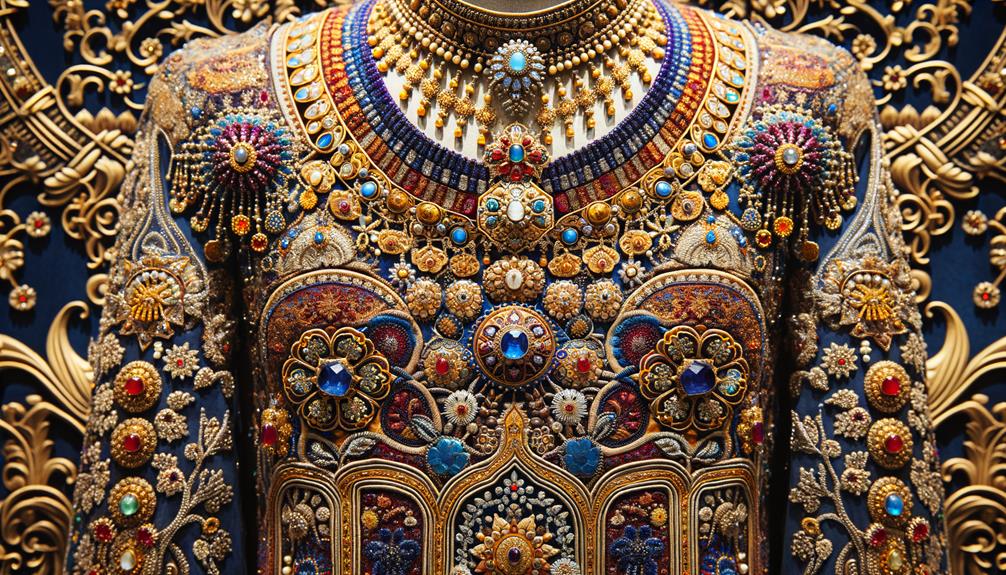
The opulence and craftsmanship of ancient Persian royal attire have a lasting impact on modern fashion, weaving a long pattern of luxury and elegance. Today’s fashion shows echoes of Persian royalty in the muted colors, long trousers, and women’s dresses. The subdued palette that once signified nobility now lends an air of understated sophistication to contemporary collections, subtly nodding to past grandeur.
Luxurious materials like silk, brocade, and velvet are more than just fabrics. They tell stories that have been passed down through time. These rich textiles, once worn by emperors and queens, continue to inspire designers today, their intricate patterns and designs reimagined in modern silhouettes. The symbolism of ancient Persia, especially colors denoting status and authority, still holds power in modern fashion, as though with each stitch we acknowledge the past while creating something new.
The layered clothing styles and elaborate embellishments of ancient Persia have been reborn, adapted to modern tastes. Yet the essence remains. This blend of historical elements with contemporary techniques shows the enduring impact of ancient Persian royal attire, a bridge between the past and the future.
Frequently Asked Questions
What Did Persian Royalty Wear?
Persian royalty wore lavish fabrics like silk, brocade, and velvet, dazzling with intricate gold embroidery and precious gemstones. Their vibrant attire, including ornate robes, tunics, and headpieces, exuded power and sophistication. Each garment was a masterpiece, telling stories of a long cultural heritage and real artistic skill.
What Are Persian Royalty Called?
Persian royalty were known as Shah for kings and Shahbanu for queens. These titles reflect the grandeur and power they held in ancient Persia.
What Is the Traditional Dress of Persia?
Traditional Persian dress takes in loose robes and baggy pants alive with vibrant colors. Tall hats reach towards the sky, while vees and bows carry the story of ancient elegance and evolving cultures.
Why Did Alexander the Great Dress Like a Persian?
Alexander the Great adopted Persian attire to assert dominance and foster unity. His robes and headdresses were not just clothing; they were a bridge between worlds, a fusion of two empires.