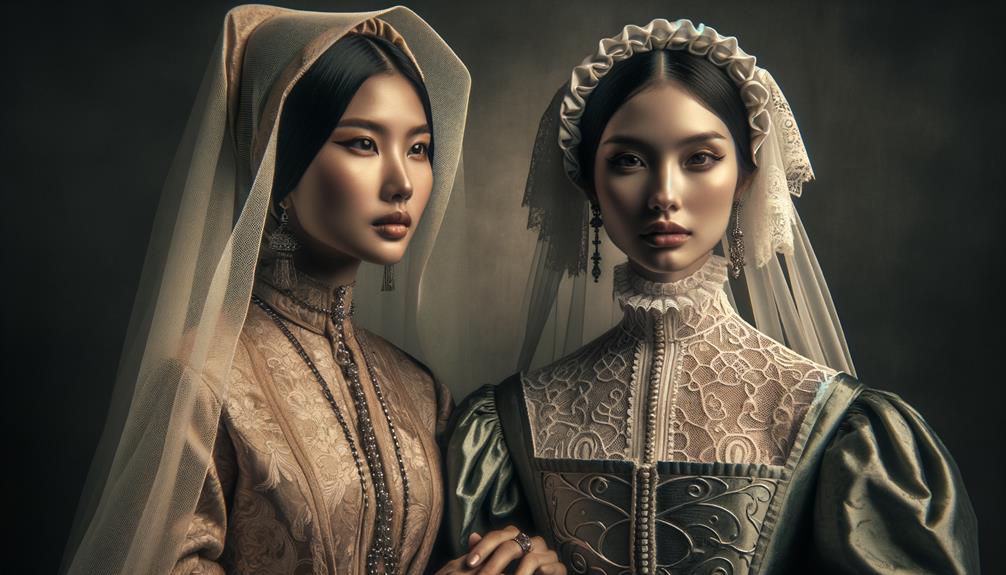
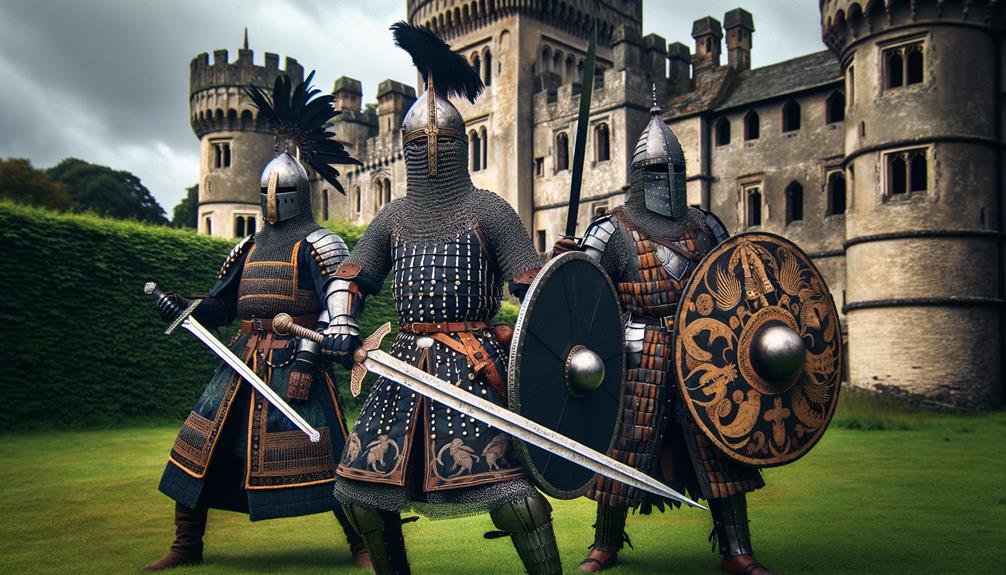
Authors use medieval fashion in literature to create vivid character profiles. The contrast between luxurious noble attire and humble peasant garments is stark, revealing deeper truths about social class and personal identity. The way a character dresses often speaks volumes about their role and status, making fashion a subtle yet powerful narrative tool. These sartorial choices shape how readers understand the medieval world.
Noble Attire in Medieval Texts
Medieval texts describe noble attire vividly, revealing fashion trends along with the fabric of societal structure and values. Medieval fashion, particularly noble attire, was a powerful symbol of wealth, power, and social hierarchy, not merely a matter of aesthetics. The luxurious fabrics, intricate designs, and precious jewels depicted in these texts speak volumes about the status and influence of the wearers.
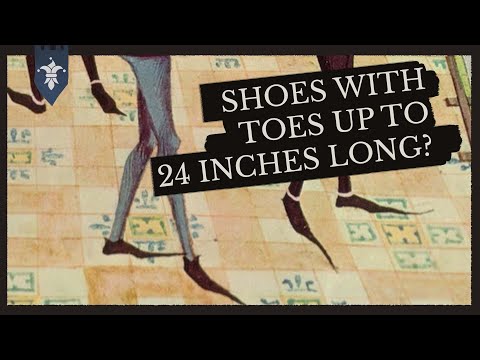
Noble attire often featured lavish elements like fur trims, gold embroidery, and gems, emphasizing the wearer’s elevated position within the feudal system. These garments were a visual manifestation of a person’s rank and authority, not just decoration. The meticulous attention to detail in describing these clothes also served to characterize the nobility, often highlighting traits like vanity or pride.
The symbolic significance of these clothes also offers deep insights into the cultural norms and values of the medieval period. For instance, the choice of extravagant materials and elaborate designs reflected societal expectations and the importance of appearances in maintaining one’s standing. Through these vivid portrayals, medieval literature provides a window into the complex interplay between fashion and power.
Peasant Garb in Literature
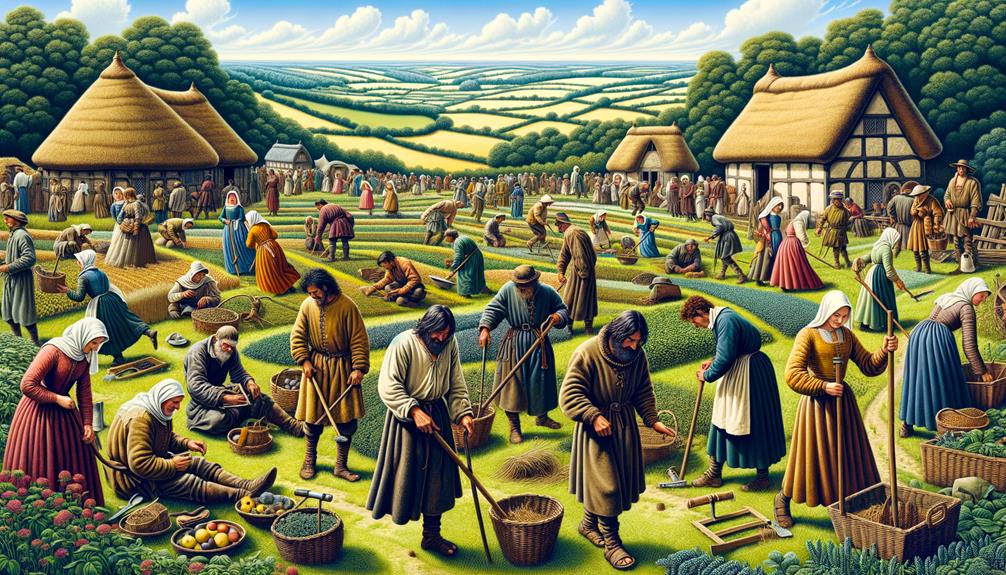
Peasant garb in medieval literature serves as a stark reminder of the harsh realities of poverty and relentless labor. The humble attire, often consisting of coarse tunics, simple shoes, and woolen cloaks, speaks volumes about the socio-economic divide of the period. These depictions are not mere background details; they vividly illustrate the lower social status and challenging lives of the characters.
In literary works, peasant clothing is frequently portrayed as patched or worn-out, reflecting the limited resources available to the lower class. Authors use these descriptions to contrast the opulent attire of nobility and royalty, highlighting the disparities between different social strata. The practical and unadorned nature of peasant attire underscores their daily struggles and the unending cycle of hard labor they endure.
These literary choices go beyond visual cues: they are narrative tools that communicate broader themes of inequality and resilience. The careful depiction of peasant garb offers an unfiltered glimpse into the lives of those who toiled in the shadows of grand castles and lavish courts.
Fabrics and Materials Described
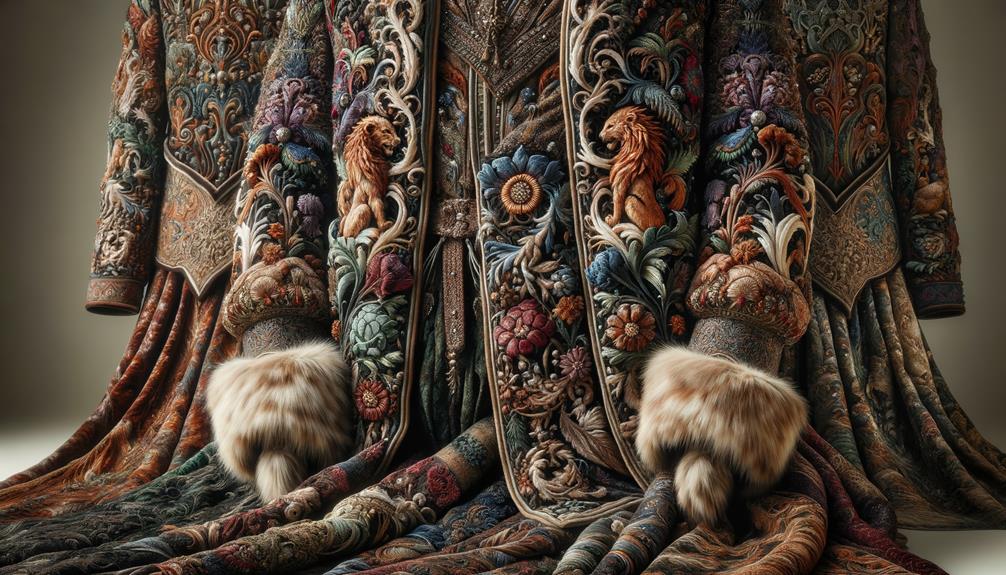
The medieval era’s rich textile artistry is evident in the fabrics and materials described in medieval literature. Silk, wool, and linen were the staples of medieval clothing, each chosen for its unique qualities and purposes. Silk, a symbol of luxury, shone brightly in the sunlight, its fine threads woven into intricate patterns that spoke of exotic lands and opulence. Wool, a versatile and durable fabric, provided warmth and resilience, essential for the unpredictable medieval climate.
Natural dyes from plants, insects, and minerals transformed these fabrics into vibrant canvases, where each hue held meaning and status. Velvet, with its plush texture, and brocade, adorned with complex designs, were reserved for the affluent, while damask’s reversible patterns showcased the weaver’s skill.
Materials like rabbit, fox, and sable furs added another layer of sophistication, often used for trimming and linings, ensuring both comfort and grandeur. Embellishments such as embroidery, pearls, and precious stones raised noble garments to works of art, each stitch a reflection of the craftsmanship and aesthetic sensibilities of the time. The medieval wardrobe, therefore, becomes a study in contrasts and creativity.
Accessories and Adornments
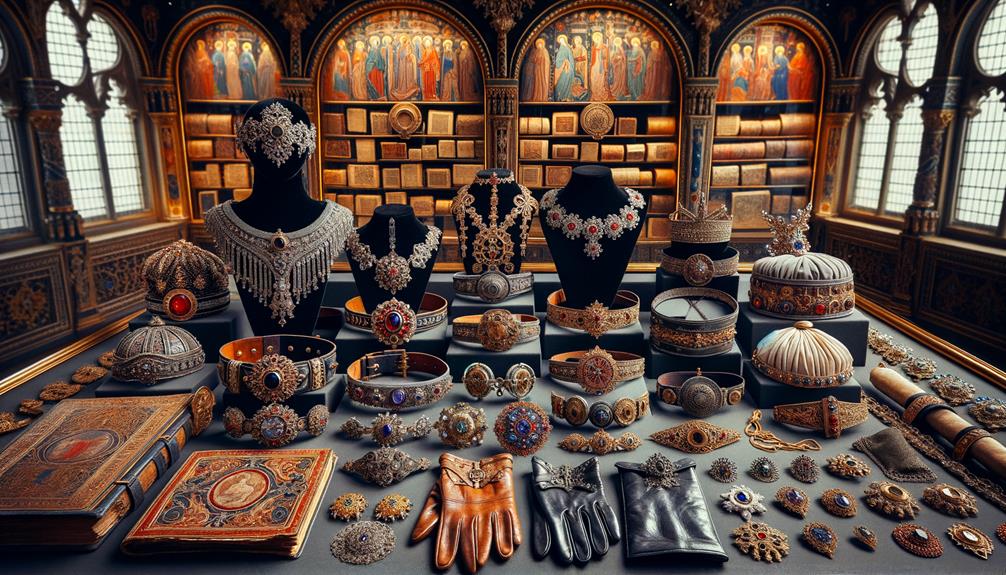
Medieval literature vividly depicts how accessories and adornments enhanced attire while conveying a character’s social standing and personal identity. These elements were deliberately woven into the narrative. Accessories like belts, pouches, and jewelry symbolized wealth and status, going well beyond mere fashion statements. Nobility, in particular, flaunted elaborate adornments, making their presence felt through intricate details.
In medieval texts, several accessories stood out:
- Brooches: Often encrusted with gems, they fastened cloaks and capes, signaling both utility and opulence.
- Rings: Worn on fingers, these often bore family crests or precious stones, hinting at lineage and affluence.
- Decorative Buckles: Used on belts, they showcased intricate designs and craftsmanship, emphasizing elegance.
- Headwear: Veils, caps, and hoods were essential in portraying social standing, with materials and embellishments indicating rank.
The detailed embroidery, patterns, and materials used in these accessories were meticulously described, enhancing the understanding of medieval fashion. These adornments give a glimpse into the past, where each accessory told a story, reflecting the wearer’s identity and societal role.
Clothing as Characterization
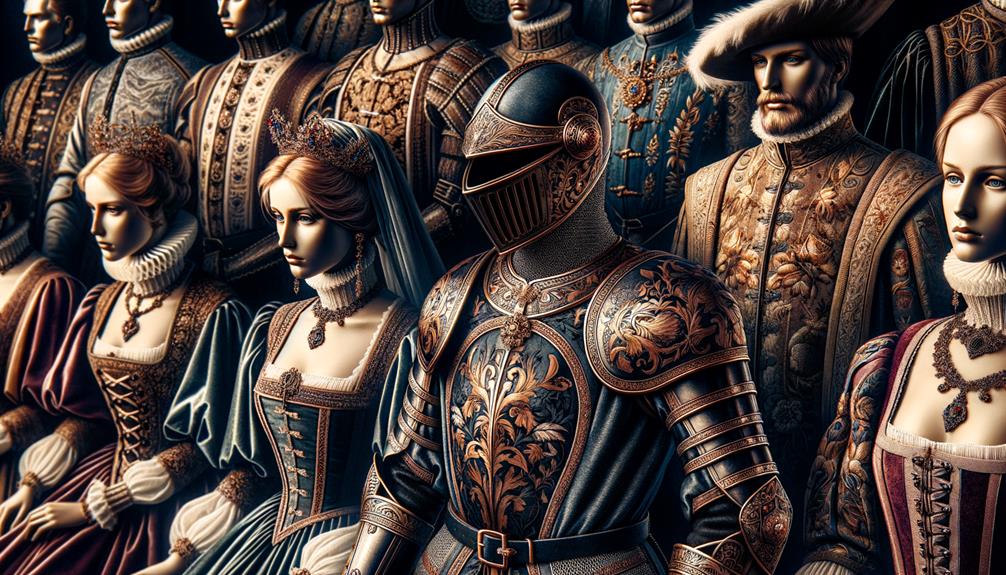
In medieval literature, the fabric and cut of a character’s clothing often reveal more about their inner world than their spoken words. Clothing styles serve as a subtle yet powerful tool for characterization. Authors don’t just drape their characters in any garment; they meticulously choose attire that mirrors societal norms and the character’s status. For instance, a knight’s gleaming armor illustrates his valor and his adherence to chivalric codes. Conversely, a peasant’s rough-spun tunic speaks volumes about his daily struggles and humble origins.
These choices also show how clothing can symbolize transformation. When a character sheds their old garments for new, it often signals a deeper change, perhaps a rise in status or a shift in identity. A disheveled robe might indicate a fall from grace, while rich, intricate fabrics can denote newfound power or wisdom. These sartorial details, whether historical or symbolic, enrich the narrative by grounding characters in their cultural and societal context.
Through the lens of medieval fashion, authors craft a nuanced portrayal of their characters, blending historical accuracy with thematic depth. Clothing becomes more than mere fabric; it’s a narrative device that underscores the complexities of identity and transformation.
Frequently Asked Questions
How to Describe Medieval Clothing in Writing?
When describing medieval clothing, consider the fabric, color palette, and garment style, along with any embellishments, accessories, and layering. The social implications, historical context, occupation, and personal taste of the wearer also bring authenticity and depth to the narrative.
What Were the Characteristics of Medieval Fashion?
Medieval fashion covered a wide range of dress. The nobility wore elaborate garments adorned with jewels, monks had distinct habits, and peasants wore practical tunics. Over time, fashion evolved, with men wearing jackets and surcoats, and women wearing flowing gowns, reflecting a dynamic and innovative era.
Why Was Fashion Important in the Medieval Times?
Fashion played a significant role in medieval times because it clearly indicated one’s social standing, wealth, and class. It went well beyond a matter of style; it reflected people’s roles in society and their religious beliefs. Examining these trends yields valuable insights into the historical and cultural dynamics of the time.
What Is Medieval Clothing Called?
Medieval clothing is commonly called “garb.” The terms “attire,” “raiment,” “vestment,” and “habiliment” are also used. Each term evokes a distinct image.