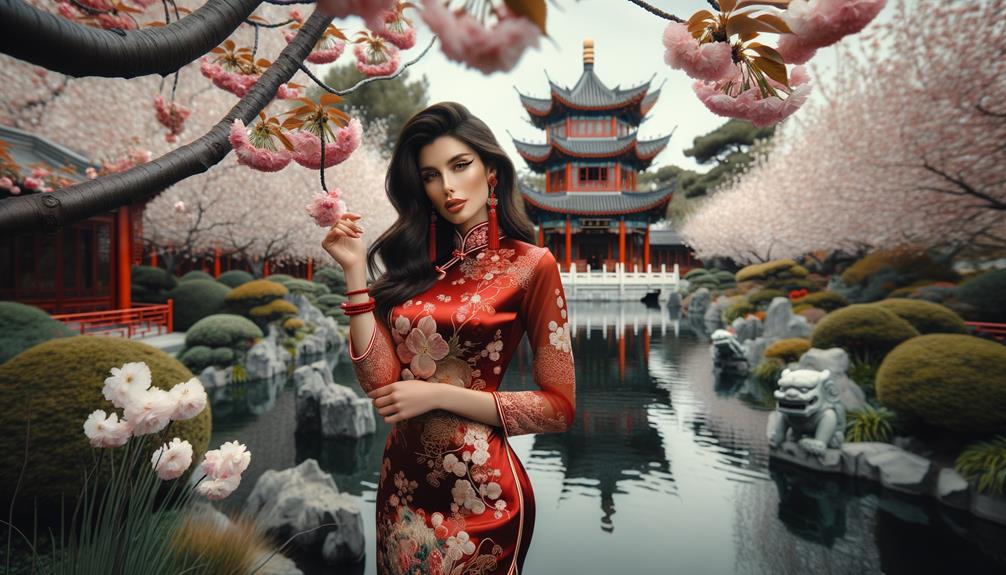
Ghanaian Kente cloth carries a profound legacy woven into each vibrant thread. Originating from the Asante region, this traditional textile has been woven on handlooms for centuries, gaining prominence under Asantehene Opoku Ware I. Skilled artisans masterfully intertwine dyed threads, creating intricate patterns that tell stories, convey proverbs, and chronicle historical events. The rich colors and geometric designs are a living record of cultural identity and spiritual themes, and not just visually stunning. Today, Kente cloth blends tradition with modernity, gracing fashion runways and social media alike. The powerful symbolism and timeless craftsmanship in each piece reward closer study.
History
The origins of kente cloth reach back to how this vibrant textile became an integral part of Ghana’s rich cultural heritage. The story of kente begins in the Asante dialect of the Akan language, deeply rooted in the traditions of Southern Ghana. The 14th-18th centuries brought the early handloom weaving practices that gave birth to this iconic African print, as archaeological evidence reveals.

Under the reign of Asantehene Opoku Ware I, kente fabric gained prominence in the 18th century. By the early 19th century, silk kente had reached new heights in the Ashanti region, symbolizing opulence and also the intricate artistry of its creators. Authentic kente cloth is a record of stories and traditions, with each pattern bearing a unique name and message, going far beyond being just a textile.
Kente print is reserved for special occasions, embodying a sense of pride and cultural significance. These colorful patterns and their meanings continue to hold a revered place in Ghanaian and African heritage, representing a timeless connection to the past.
Production Techniques
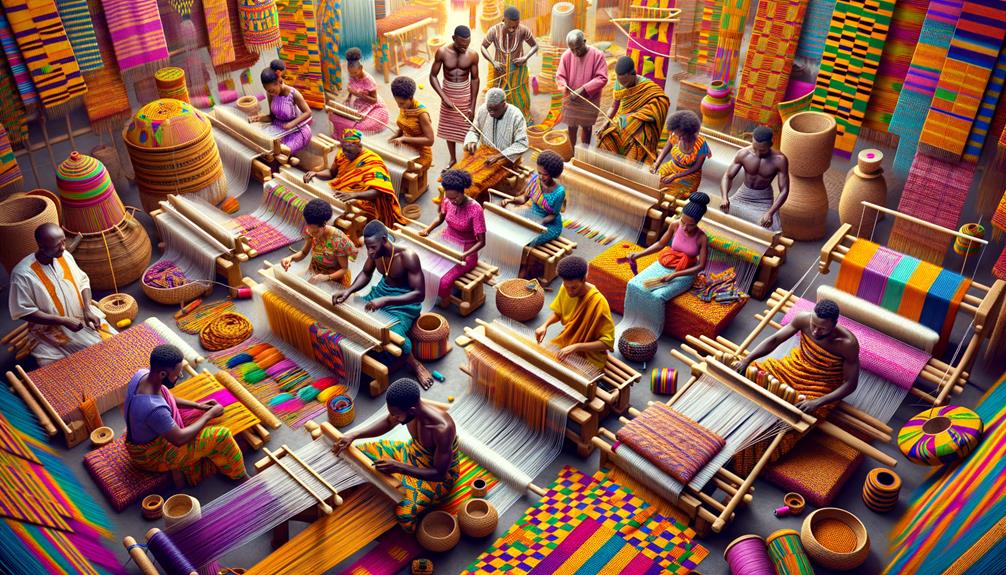
How do master weavers transform simple threads into breathtaking kente cloth? The process is steeped in tradition and artistry. In Ghana’s Ashanti region, particularly in towns like Bonwire, Sakora Wonoo, and Ntonso, kente production is a revered craft passed down through generations. Watching a master weaver at work, one can’t help but be captivated by the rhythmic movements on wooden looms.
Weaving kente is a labor-intensive task requiring years of training and dedication. Skilled artisans intertwine dyed threads, creating intricate patterns that seem to dance with vibrant colors. Each design is rich with symbolic meanings, speaking to the heritage of the Akan people.
The process begins with selecting high-quality threads, which are dyed in vivid hues. The weaver meticulously aligns these threads, creating complex patterns that are visually stunning. Traditional kente textiles are stories woven with care and intention, reflecting the ingenuity and cultural pride of their creators, rather than just fabric. The resulting kente cloth is a marvel of innovation, embodying both history and artistry.
Symbolism
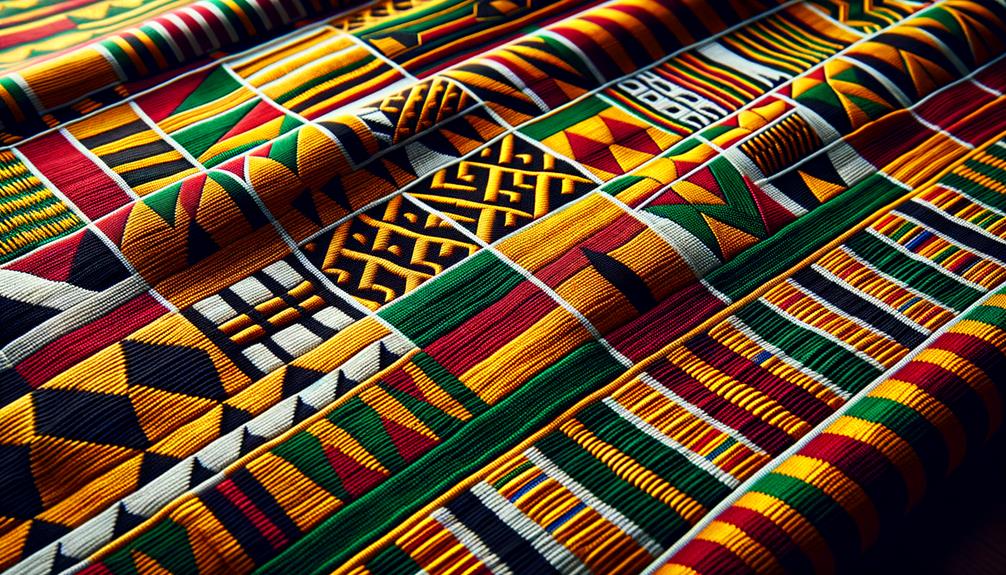
The vibrant colors and intricate patterns of kente cloth tell stories that go beyond mere aesthetics. The symbolic meanings embedded within each thread reflect Ghanaian society’s cultural beliefs and values. The colors and patterns are deeply symbolic, resonating with themes of political and spiritual significance, rather than being just decorative.
Exploring the symbolism of kente cloth uncovers layers of cultural narratives:
- Historical Events: Many patterns commemorate significant moments in history, capturing the essence of past struggles and triumphs.
- Cultural Beliefs: Every design is a visual proverb, echoing the wisdom and philosophies passed down through generations.
- Political and Spiritual Moods: The colors and patterns often reflect the community’s collective state of mind, whether it’s a time of renewal, growth, or spiritual reflection.
Take, for example, the color black, symbolizing maturation and spirituality. Red signifies both political struggles and the blood of ancestors, while gold represents royalty and wealth. Each pattern is a visual language, speaking volumes about the social and historical fabric of Ghanaian society. In this way, kente cloth transcends its physical form, becoming a living chronicle of cultural identity and heritage.
Patterns and Colors
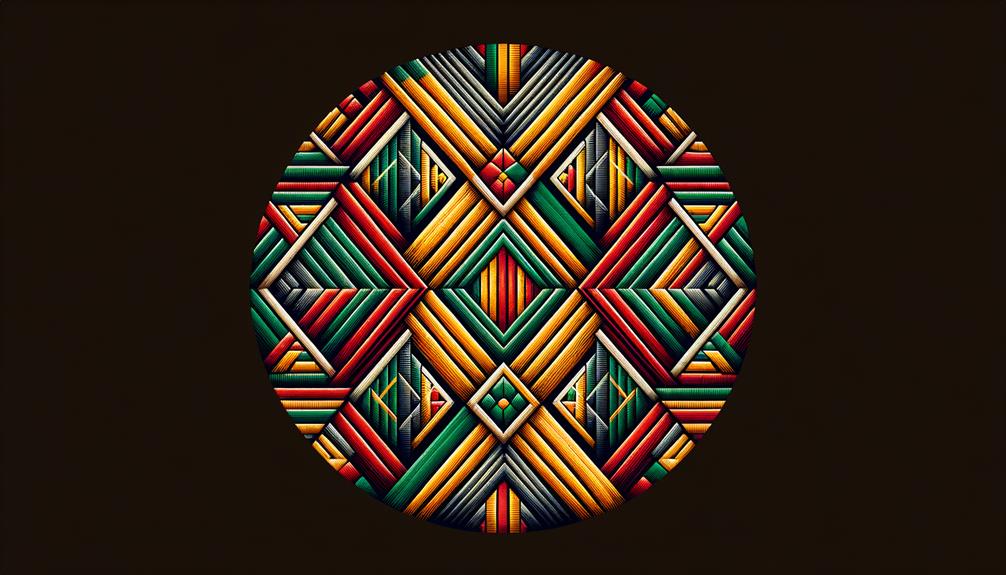
The rich symbolism of kente cloth is vividly expressed through its intricate patterns and vibrant colors. Each geometric shape and meticulously woven line tells a story. Names are derived from proverbs, historical events, and cultural values, transforming each piece into a record of African art and heritage.
Wearing kente is about wrapping oneself in layers of meaning, not just donning a piece of cloth. The colors are more than mere decoration: gold represents royalty, green signifies growth, and black embodies spiritual energy. These hues, achieved through natural dyes or synthetic materials, infuse the cotton cloth with life and vitality.
Kente weaving involves creating narrow strips that are later sewn together, a process that demands precision and artistry. The fabrics are versatile, used in everything from traditional ceremonies to contemporary fashion, each piece showing the weaver’s skill. Kente is a living, breathing embodiment of cultural expression and innovation, going beyond being just a textile.
Modern Influence
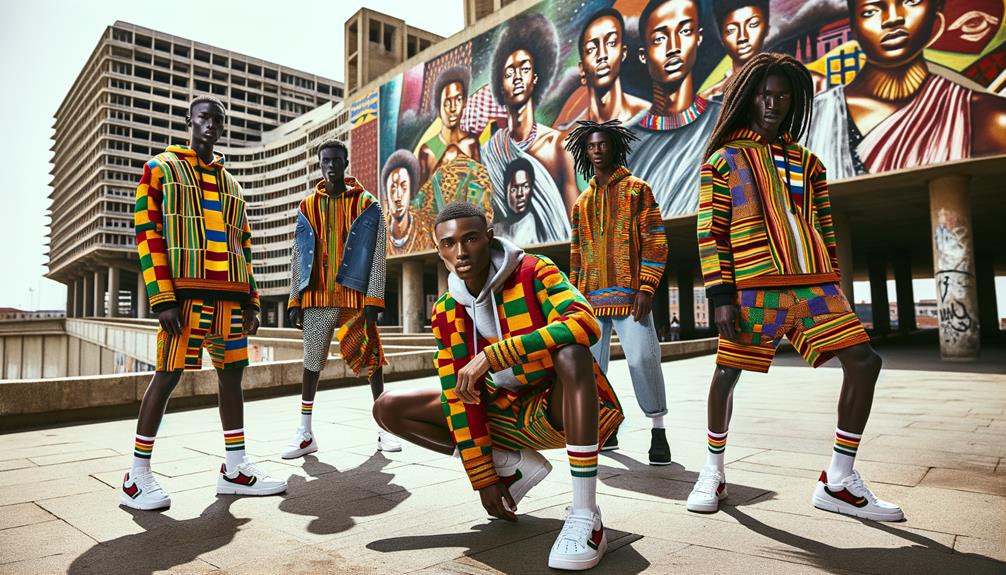
In today’s fashion landscape, Kente cloth blends tradition with modernity, creating a vibrant range that resonates across cultures. Born from the Ashanti Kingdom and the Ivory Coast, the intricate kente patterns now grace contemporary clothing, echoing the spiritual energy and rich history of West African textiles.
The modern influence of Kente is evident in several ways:
- Runway Statements: Designers incorporate Kente and wax print fabrics into high-fashion collections, making bold statements that honor cultural heritage while pushing aesthetic boundaries.
- Celebrities and social media influencers wear Kente cloth garments, amplifying its cultural significance and bringing the beauty of Ghanaian textiles to a global audience.
- Versatile Accessories: Kente’s adaptability shines in accessories such as bags, shoes, and even face masks, bridging traditional craftsmanship with modern utility.
Social media amplifies this trend, showcasing Kente’s versatility and broadening its reach. Whether it’s the classic vibrancy of traditional Kente or the subtle elegance of White Kente, each piece tells a story. This narrative of innovation intertwined with tradition is what makes Kente cloth a timeless yet contemporary symbol, transcending borders and generations.
Frequently Asked Questions
What Is Ghanaian Kente Material?
Ghanaian Kente material is a true masterpiece, showcasing meticulous craftsmanship that tells a story. Each vibrant thread weaves together centuries of culture and identity, creating a stunning fabric that celebrates heritage and tradition.
Why Is Kente Cloth Important to Ghana?
Kente cloth’s significance lies in its vibrant representation of collective heritage and identity. It is a tangible connection to the past, woven into each colorful thread and bridging generations, going beyond being just a piece of fabric.
What Does the Kente Symbolize?
Kente cloth is a prime example of symbolism in art. With its intricate patterns and vibrant colors, Kente embodies spiritual beliefs, historical narratives, and societal values, making it a powerful expression of cultural identity and heritage.
What Are Two Types of Kente Cloth?
There are two distinct types of Kente cloth: authentic handwoven fabrics and mass-produced prints. Both offer a rich cultural heritage, connecting wearers to Ghana’s vibrant history and traditions.