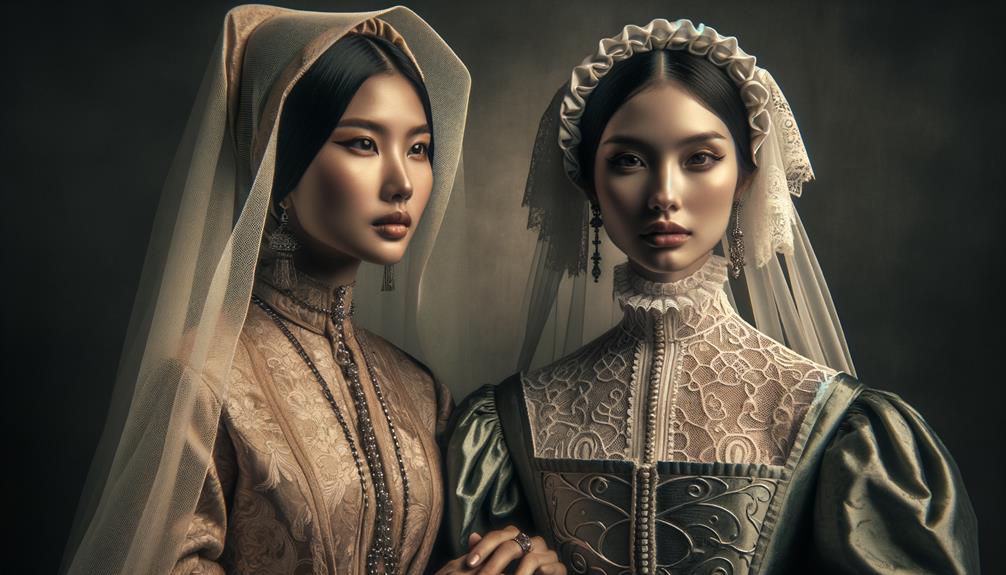
The intricate details woven into medieval court fashion reward close study. Luxurious fabrics like silk and brocade, paired with furs, conveyed wealth and status. The vibrant colors, each with its own significance, said a great deal about the wearer’s rank and influence. Even the undergarments played a crucial role, shaping the overall silhouette. Outer garments, cloaks, and mantles served as symbols of power and protection. Accessories, from brooches to crowns, added elegance to the ensemble. These elements combined to create a visual language that was as much about strategy as it was about style.
Materials and Colors
In medieval courts, the combination of luxurious fabrics and vibrant hues conveyed social status. These rich materials and colors show meticulous attention to detail. Medieval clothing went beyond covering the body; it was a language of power and prestige.

Silk, smooth and luminous, was a favorite among the elite. Brocade, with its raised patterns, added texture and depth, making garments appear almost three-dimensional. Fur-lined edges provided both warmth and an unmistakable air of luxury.
Colors played a significant role. Deep red, a symbol of wealth and authority, was reserved for the powerful. Purple, once derived from rare dyes, was reserved for royalty. Even blue and green, vibrant and alive, hinted at a connection to nature and the divine.
Court fashion didn’t stop at materials and colors. Garments were adorned with tassels, fringes, and feathers, each piece a statement. Intricate embroidery told stories of craftsmanship and dedication. Buttons and pearls were more than functional; they were symbols of status.
In medieval courts, clothing was a canvas, each element meticulously chosen to reflect one’s place in the social hierarchy.
Underclothing
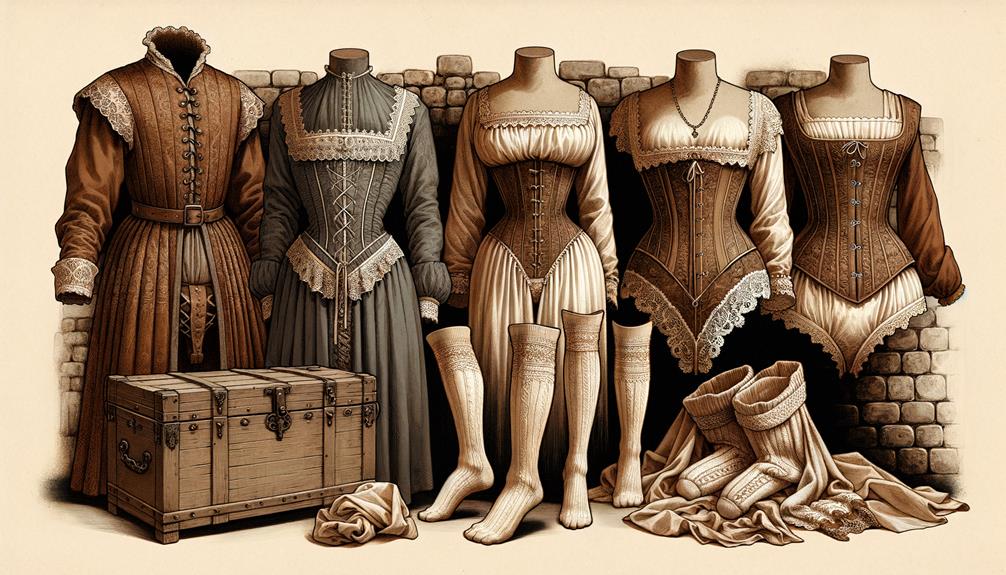
Underclothing was the foundation of medieval court attire, providing a necessary layer of comfort and practicality beneath the opulent outer garments. The attention to detail in clothing during the Middle Ages was remarkable, even in the unseen layers.
Men’s linen shirts were loose-fitting and breathable, providing comfort and mobility. These undergarments absorbed sweat, maintaining hygiene and prolonging the life of the outer garments. Their simplicity was misleading, as they played a vital role in the overall outfit.
Women relied on long chemises, often extending to the ankles, which offered modesty and warmth. Made from linen, they served as a soft barrier against the sometimes coarse materials of the outer dresses. The chemises’ elegance lay in their practicality and essentiality.
The layered approach to clothing was innovative for its time. Each piece, though humble, played a vital role in the grand scheme of medieval court fashion. It shows how even the most basic elements can drive the evolution of style, comfort, and practicality.
Outer Garments
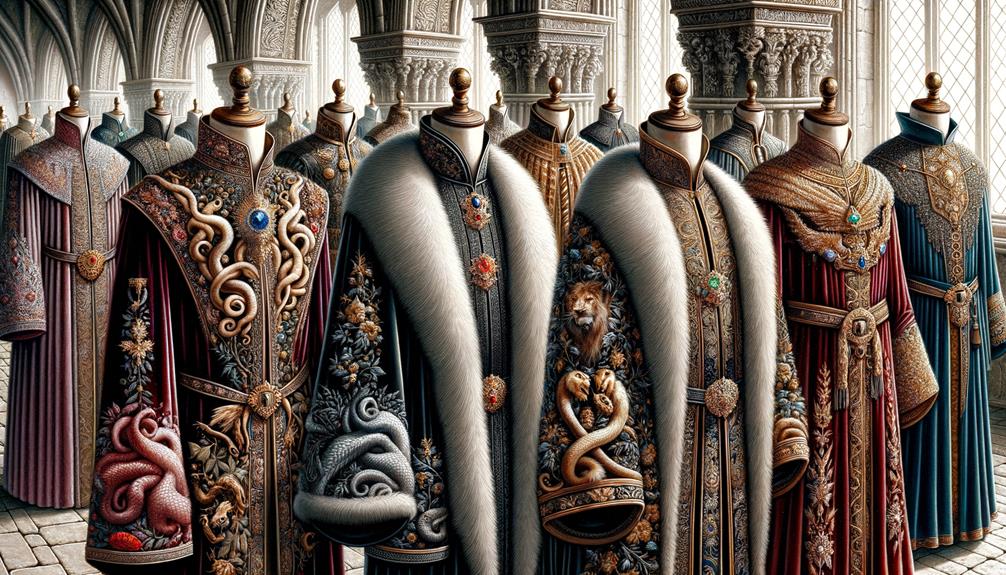
Luxurious cloaks, mantles, and surcoats draped over tunics were the vital markers of status in medieval court fashion. Each piece was a statement, an emblem of wealth and distinction. Fur-lined cloaks, heavy yet graceful, fastened with decorative chains that shimmered in candlelight, provided warmth and a palpable sense of grandeur.
Mantles, whether circular or rectangular, draped elegantly over the shoulders in rich fabrics. The design offered both practicality and a striking appearance, a balance rarely seen. In court, these garments transformed the wearer’s standing in the eyes of peers.
Surcoats, with their flowing sleeves, were a marvel of craftsmanship. The way they moved, almost like liquid fabric, signaled nobility. They weren’t just clothes but a canvas showcasing the finest materials and artistry. Each surcoat told a story, a narrative woven in silk and velvet.
These outer garments were more than mere coverings; they were an integral part of courtly identity. In a world where appearance carried so much weight, they conveyed everything one needed to know about the wearer’s place in society.
Cloaks and Mantles
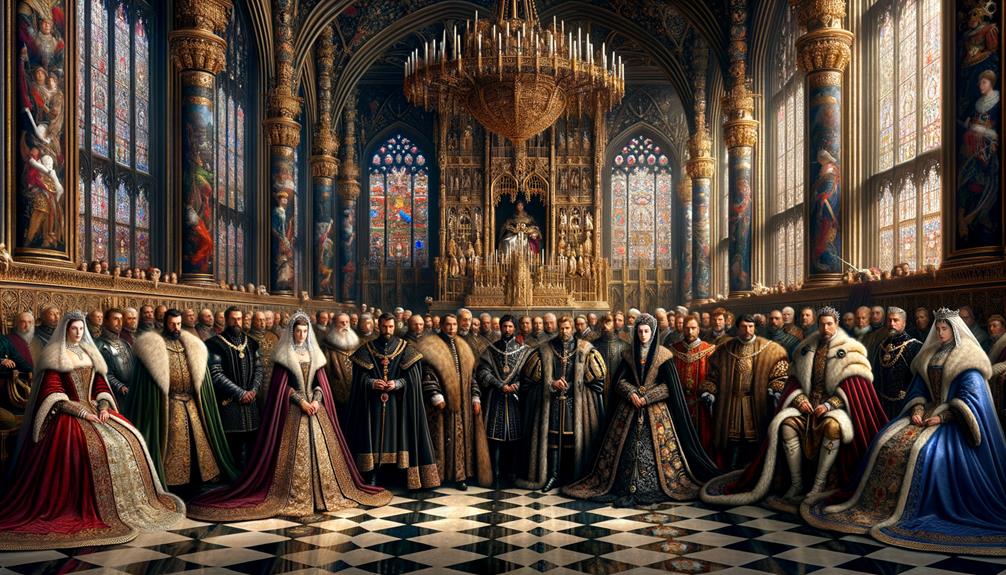
Cloaks and mantles were made from lavish fabrics and featured intricate designs. They might have had a simple shape, but the materials and embellishments were always elaborate. Depending on the season, they featured fur linings for winter and lighter, more decorative options for warmer months.
Fabric and Materials
In medieval courts, lavish cloaks and mantles signified wealth and status, crafted from rich fabrics like silk, brocade, fur, and velvet. These opulent materials draped the nobility, displaying affluence with every fold. Fur linings were not just for warmth; they were a visible display of wealth. A cloak trimmed with ermine or sable showed the contrast between the fur’s softness and the heavy, embroidered fabric.
Decorative trimmings added an extra layer of grandeur. Tassels and fringes dangled elegantly, catching the light, while intricate embroidery showcased exceptional craftsmanship. These details weren’t just aesthetically pleasing; they were declarations of refined taste.
Fastenings played a crucial role as well. Chains, brooches, and elaborate buckles did more than secure the garment; they were focal points, drawing the eye and showcasing the wearer’s attention to detail. Each fastening told its own story, a small but significant piece in court fashion.
Cloaks and mantles were more than garments; they were statements of power and prestige. Every choice, from fabric to fastening, was deliberate, reflecting one’s place in the medieval hierarchy. In those layers, fashion functioned as both an art form and a declaration of social standing.
Design and Embellishments
The design and embellishments of cloaks and mantles in medieval courts warrant close attention. These garments were more than a means of staying warm; they were a display of power and wealth. The circular or rectangular shapes provided a canvas for artistic expression.
Fur linings were a common feature, adding luxury and extra insulation. Furs like fox, ermine, and sable indicated high social status. A noble wearing a fur-lined cloak was immediately identifiable as a person of importance.
Fastenings also added an air of elegance. Chains, brooches, and decorative pins were not just functional; they were miniature works of art, often crafted with precious metals and stones. These small yet significant details reward close attention.
The embroidery on mantles told stories of heritage and alliances. Tassels and decorative trimmings added movement and flair, making even a simple walk a grand affair.
It was clear that the style and quality of these cloaks and mantles reflected the wearer’s social standing. The nobility wore the most ornate and lavish designs, with each element carefully chosen to showcase their sophistication and power.
Seasonal Variations
Seasonal variations in medieval court fashion meant adapting one’s wardrobe to suit the climate. In winter, nobles donned thick, fur-lined cloaks to shield themselves from the biting cold. These cloaks, often circular or rectangular, enveloped the wearer in warmth. The fur lining wasn’t just practical; it also signaled wealth and high status.
Summer brought a shift towards lighter, more decorative mantles. Made of silk or brocade, these mantles were designed for elegance rather than warmth. Fastened with elaborate chains or brooches, they showcased the wearer’s sophistication.
| Season | Garment Type | Material |
|---|---|---|
| Winter | Cloaks | Fur-lined |
| Summer | Mantles | Silk/Brocade |
| Both | Accessories | Chains/Brooches |
Cloaks and mantles weren’t mere accessories; they were statements. Nobles adapted their court fashion according to the season, balancing practicality with ostentation. In winter, men and women alike favored fur-lined cloaks, adding a luxurious touch to their attire. In summer, the lighter mantles allowed for a display of fine fabrics and intricate designs.
The way nobles navigated these seasonal variations reveals a delicate balance between necessity and display. Court fashion was ever-changing, yet always steeped in elegance and sophistication. These garments encapsulate the essence of medieval nobility, offering a glimpse into their values and priorities.
Accessories
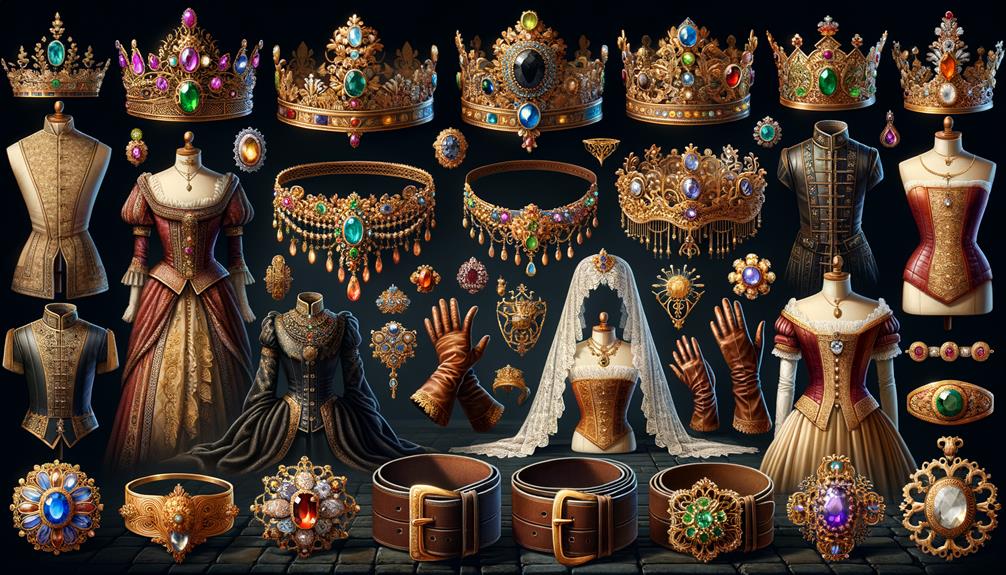
The intricate accessories that adorned medieval courtiers added a touch of luxury to their outfits, with jewels and brooches sparkling on their clothing. Headdresses and crowns signaled their high status, while gloves and belts, often embroidered or lined with fur, completed their ensembles with elegance.
Jewels and Brooches
In medieval courts, jewels and brooches were more than flashy accessories. They were bold statements of power and prestige. The sparkle of rubies, sapphires, emeralds, and pearls on a courtier’s attire sent a clear message. Each gem was deliberately chosen, not just for its beauty but for the story it told about the wearer’s wealth, alliances, and influence.
Brooches played a dual role. On one hand, they were functional, fastening cloaks and robes together. On the other hand, they were miniature works of art. Crafted from gold, silver, and sometimes adorned with enamel, these pieces showcased intricate detailing, reflecting the skill of the artisan. In court fashion, brooches were central to the overall look, carefully positioned to draw the eye and complement the garments.
The strategic placement of these jewels and brooches is a telling detail. They were not randomly pinned or worn. Each accessory was a deliberate addition, enhancing the wearer’s status and the overall aesthetic. In a world where appearances could make or break alliances, jewels and brooches silently communicated one’s place in the complex hierarchy of medieval court life.
Headdresses and Crowns
In medieval court fashion, few accessories rival the grandeur and symbolism of headdresses and crowns. These were not simply decorative; they conveyed power and prestige. A simple veil could be transformed into an elaborate hennin or gable hood, reflecting the wearer’s status and regional identity.
Crowns, of course, were the ultimate symbol of royalty, adorned with precious metals and gemstones to declare authority. Noblewomen, however, had their own array of head adornments. Tiaras, diadems, and chaplets were popular choices, intricately decorated with embroidery, pearls, and luxurious embellishments. These headdresses could turn a noblewoman into a living work of art.
The design of these accessories was not arbitrary. Religious beliefs, regional customs, and the wearer’s social status all played a part. The more elaborate the headdress, the higher the status. The craftsmanship and creativity behind these pieces combined tradition with innovation. They were more than accessories; they made statements.
In essence, headdresses and crowns were a visual representation of the wearer’s standing in society. The intricacy and opulence of these accessories conveyed a sense of power, sophistication, and refinement. By examining these adornments, we gain insight into the social hierarchy and cultural values of medieval Europe.
Gloves and Belts
Gloves and belts were staples of medieval court fashion, often dazzling with their intricate designs and luxurious materials, reflecting the wearer’s status and taste. Gloves lined with fur and adorned with meticulous embroidery went beyond keeping hands warm. They were a canvas for displaying wealth.
Belts, too, were more than practical items. They featured elaborate buckles and precious metals, sometimes even studded with gems. These belts held garments in place and acted as a badge of social standing. Surviving belts have patterns so intricate that they can rival any modern designer piece.
Here’s a glimpse:
| Accessory | Material | Decorative Elements |
|---|---|---|
| Gloves | Silk or leather | Embroidery, jewels, unique stitching |
| Belts | Precious metals | Gems, intricate patterns |
| Gloves | Fur lining | Showcase wealth and status |
These accessories show a close attention to detail. Every stitch and every gem was chosen with care. Medieval court fashion went beyond looking good. It was about communicating a story through gloves and belts.
Social Significance
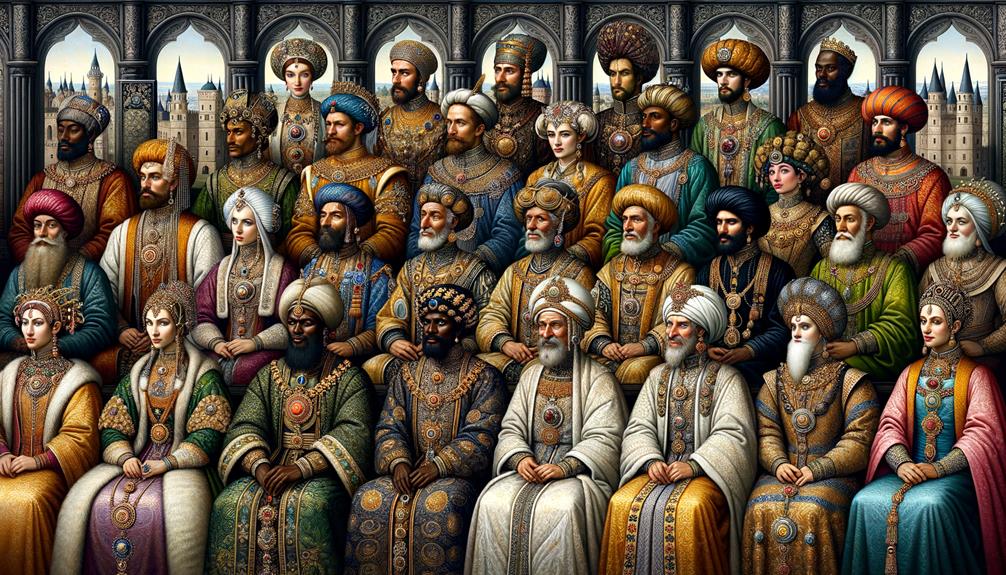
Medieval court fashion was more than aesthetics. It was a powerful symbol of social hierarchy and power. Every aspect of court attire, from the crown to the shoes, carried intentional significance. Sumptuary laws dictated who could wear what, ensuring that social classes remained visibly distinct. These laws restricted colors, fabrics, and styles, making medieval garments a marker of one’s rank and influence.
Observing court fashion was like reading a social map. The intricate embroidery and luxurious materials weren’t just for show; they communicated power and wealth. Diplomats and courtiers used their garments to send silent messages and forge alliances, making fashion a subtle language of its own.
- Meticulous Design: Lavish materials and intricate details.
- Strict Regulations: Sumptuary laws enforcing social boundaries.
- Diplomatic Tool: Fashion as a medium for alliances.
In essence, court fashion was a spectacle of opulence, designed to convey status and power. It went beyond looking good; it was about being seen and understood. This deeply structured form of expression made medieval garments more than mere clothing. They were statements of identity and power.
Frequently Asked Questions
What Was Fashion Like in the Medieval Times?
Medieval fashion was a true spectacle. The wealthy elite wore clothing that exuded opulence, with rich silks, vibrant colors, and intricate designs that screamed luxury and power. Every detail was meticulously crafted to make a statement. It was a sight to behold, a true reflection of the nobility’s status and influence.
What Did Medieval Merchants Wear?
Medieval merchants dressed practically, wearing tunics, sturdy leather shoes, and hoods for protection from the elements. Those who were better off showcased finer fabrics and decorations, reflecting their wealth and status. Belts and pouches were essential accessories, used to carry goods and coins, and served as a symbol of their trade and social standing.
What Did Nobles Wear in the Medieval Times?
Nobles in medieval times showcased their wealth through their attire. Vibrant crimson or deep purple garments, intricately embroidered with pearls and precious gems, made their rank plain to see. Their ornate tunics and cloaks reflected their high social standing.
What Is Medieval Clothing Called?
Medieval clothing has its own terminology. It may be referred to as ‘garb’ or ‘vesture’, with ‘raiment’ also in use. Nobles wore ‘regalia’ or ‘robes of state’, while royalty wore ‘habiliments’, and ‘apparel’ covers the category as a whole. This vocabulary developed alongside the clothing it described.